Whether a Dwarf Malamute Has Bowed Front Legs
It's heartbreaking to see a Malamute puppy struggling with what looks like misshapen or bowed legs, and for many owners, this immediately raises concerns about their long-term health and mobility. This guide is here to shed light on whether dwarf Malamutes typically exhibit bowed front legs, delving into the underlying genetic condition and what it means for these beautiful, unique dogs.
Understanding Chondrodysplasia: The Root Cause of Dwarfism
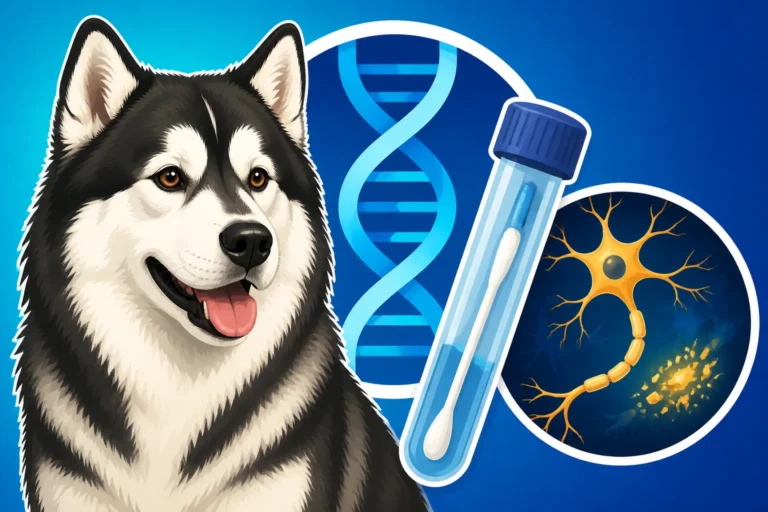
When we talk about dwarfism in Alaskan Malamutes, we're specifically referring to a genetic condition called chondrodysplasia, sometimes simply called "Malamute dwarfism." This isn't just about a smaller-than-average dog; it's a specific skeletal disorder that affects the growth of cartilage, which is a crucial component in the formation of bones, especially the long bones in the limbs. It’s an inherited condition, meaning it’s passed down from parents to their offspring.
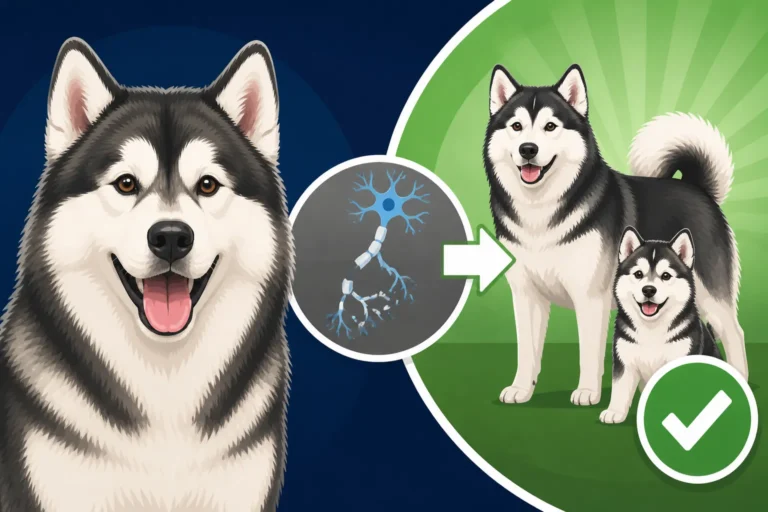
The genetics behind chondrodysplasia are recessive, which means a puppy needs to inherit the gene from both its mother and its father to be affected. If a Malamute inherits only one copy of the gene, it's considered a carrier. Carriers don't show any signs of the disease themselves, but they can pass the gene on to their puppies. This is why it's so important for breeders to understand the genetic lineage and conduct proper testing before breeding. The gene responsible interferes with the normal development of cartilage, which in turn impacts how bones grow and mature. Instead of growing long and straight, the bones in affected dogs, particularly in their limbs, become abnormally short and often malformed. This is a key part of "What Chondrodysplasia Does to an Alaskan Malamute" and understanding its overall impact on their skeletal structure.
For owners, recognizing the signs early can be a challenge. Often, a dwarf Malamute puppy might look perfectly normal at birth, showing no immediate indicators of the condition. However, as they grow, usually around the age of 4-8 weeks, their legs start to fall behind in growth compared to their littermates. This is "The Age Malamute Dwarfism Becomes Visible" and it can be a jarring realization for new owners who were expecting a typical Malamute growth trajectory. The genetic predisposition means that even if a puppy appears healthy, the underlying issue is already at play, subtly altering their development from the inside out.
The Signature Bow: Why Dwarf Malamutes Develop Bowed Front Legs
Yes, a distinctive characteristic often observed in dwarf Malamutes is indeed bowed front legs. This isn't just a cosmetic issue; it's a direct consequence of the underlying chondrodysplasia affecting bone growth. Let's break down why this happens and what it looks like.
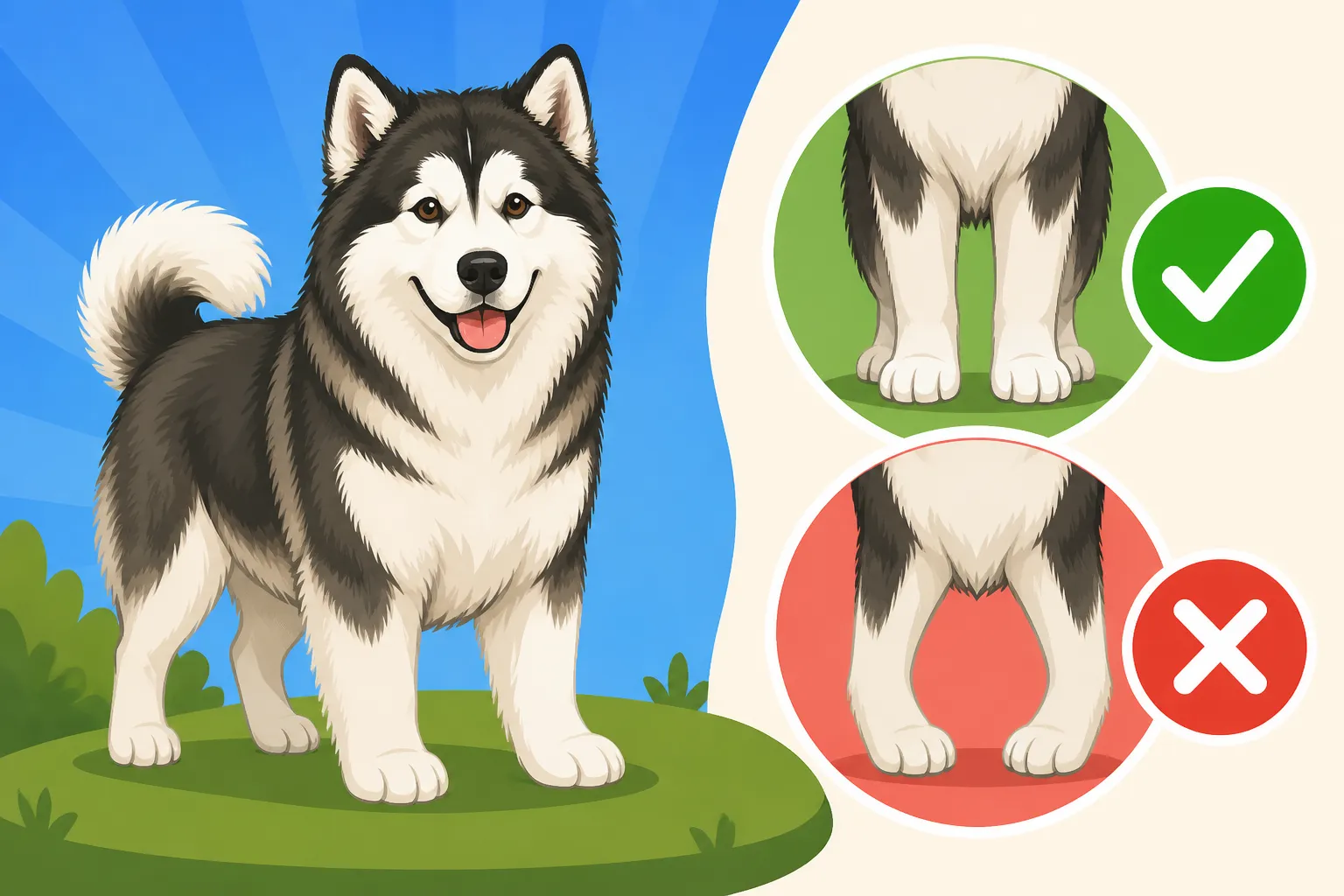
The bowing of the front legs, known medically as carpus valgus or radius curvus, occurs because the bones in the forelimbs, specifically the radius and ulna, don't grow at the same rate or in the correct proportion. In a normal Malamute, these bones lengthen synchronously and remain straight. However, with chondrodysplasia, the growth plates (the areas of cartilage where bone growth occurs) in these bones close prematurely or develop abnormally. The ulna, for instance, might stop growing or grow much slower than the radius, or vice-versa. This disparity in growth causes the faster-growing bone to bow or twist as it tries to accommodate the slower-growing counterpart, leading to the characteristic outward curvature of the front legs. Imagine trying to fit a longer rod into a space meant for a shorter one – something has to give, and in this case, it's the bone's shape.
Visually, this often presents as legs that curve outward from the body, resembling an "H" shape when viewed from the front, or perhaps a more pronounced "bow" in the middle of the forearm. The feet might also splay outward as a result, trying to compensate for the altered limb alignment. It’s not uncommon for these dogs to also have thickened, knobby joints, especially at the wrists and elbows, adding to the overall distorted appearance of their limbs. This specific bowing is a key indicator and helps confirm suspicions when a Malamute isn't growing as expected. Observing a puppy's gait might also reveal a peculiar, somewhat awkward walk, which is another tell-tale sign that their skeletal structure is compromised. Owners often describe it as a "waddle" or a stiff-legged gait.
Beyond the front legs, this disproportionate growth can extend to the hind legs, though the bowing might be less pronounced or appear differently. The overall effect is a dog with a normal-sized head and body, but strikingly short, disproportionate, and often malformed limbs. This stark contrast makes the condition quite noticeable once the puppy reaches a certain age, usually a couple of months old. Understanding this visual cue is vital for early identification and seeking appropriate veterinary consultation.
Beyond Bowed Legs: Broader Health and Lifestyle Impacts of Dwarfism
While bowed front legs are a very visible sign of chondrodysplasia, the condition has a much wider impact on a dwarf Malamute's overall health and quality of life. The skeletal abnormalities aren't confined to just the limbs; they can affect various parts of the body and lead to a range of secondary health issues.
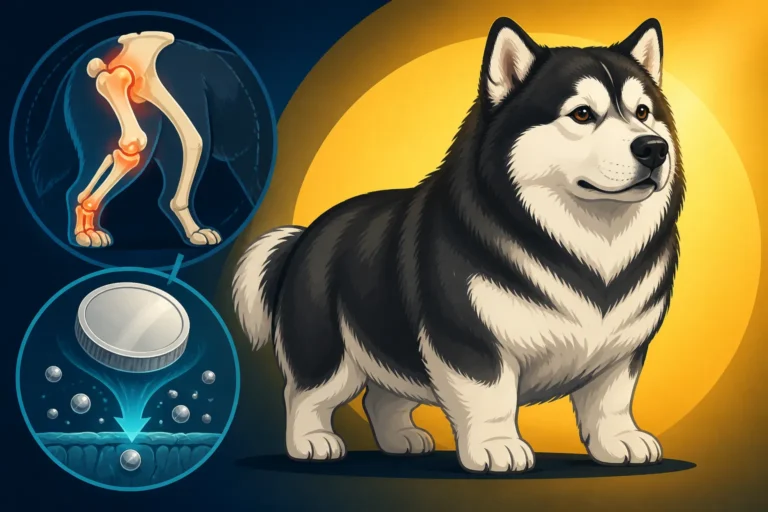
One of the most noticeable impacts, beyond the bowed legs, is the overall shortened stature and disproportionate body. "How Short a Dwarf Malamute's Legs Stay" is quite significant, often leading to a compact, almost stubby appearance, with a relatively normal-sized head and torso that looks too large for its short limbs. This unusual conformation can lead to a host of mobility challenges. These dogs might struggle with activities that come naturally to their healthy counterparts, such as jumping, running at high speeds, or navigating stairs. Their gait can be stiff, awkward, and they may tire more quickly due to the extra strain placed on their joints and muscles to move their body.
Furthermore, chondrodysplasia often comes with a higher risk of developing joint problems, such as early-onset arthritis, patellar luxation (kneecap dislocation), and even hip or elbow dysplasia, even though those are typically seen in other contexts like "Hip Dysplasia in a Freighting Alaskan Malamute". The abnormal joint formation and constant stress on these areas can lead to chronic pain and reduced mobility over time. Managing this pain and supporting joint health becomes a critical part of their ongoing care. Many owners find themselves working closely with their vets to devise pain management strategies, which might include anti-inflammatory medications, joint supplements, or even physical therapy. Pet insurance providers like Healthy Paws can be incredibly beneficial here, helping to offset the significant veterinary costs associated with chronic conditions and specialized treatments.
Beyond skeletal issues, some dwarf Malamutes may also experience other health concerns that are either directly or indirectly related to their condition. For example, there can be issues with zinc absorption. Alaskan Malamutes generally have a unique metabolism when it comes to zinc, and chondrodysplasia can exacerbate this, sometimes leading to "Zinc Responsive Dermatosis in an Alaskan Malamute". This means owners might need to provide "Whether Zinc Supplements Help a Dwarf Malamute" to prevent skin issues. Their overall lifespan, while potentially normal, can be affected by the severity of their skeletal problems and any associated organ involvement, making the question of "Whether a Dwarf Malamute Lives a Normal Span" a complex one. They might be more prone to injuries from accidental falls or awkward movements due to their lack of agility and balance. Owners need to be particularly vigilant about creating a safe, accessible environment for their dwarf Malamutes, potentially modifying their homes with ramps or special steps to prevent injuries.
| Feature | Typical Alaskan Malamute | Dwarf Alaskan Malamute (Chondrodysplasia) |
|---|---|---|
| Leg Length | Proportionate to body | Significantly shortened, disproportionate |
| Leg Appearance | Straight, strong | Often bowed or twisted, especially front legs |
| Joints | Smooth, well-formed | Often thickened, knobby, prone to arthritis |
| Gait | Powerful, smooth, efficient | Stiff, awkward, waddling, less agile |
| Head/Body Size | Balanced with overall structure | Normal-sized head/body on short limbs |
| Mobility | High endurance, agile | Limited endurance, struggles with jumping/stairs |
| Potential Health Risks | Hip/Elbow Dysplasia, bloat | Early onset arthritis, patellar luxation, zinc issues, other skeletal deformities |
Ethical Breeding and Supporting a Dwarf Malamute
For anyone passionate about Alaskan Malamutes, understanding chondrodysplasia isn't just about recognizing the condition; it's about advocating for responsible breeding practices and providing the best possible care for affected dogs. The reality is, preventing this condition lies squarely in the hands of ethical breeders.
Since chondrodysplasia is a recessive genetic disorder, both parents must be carriers to produce affected puppies. This means that even seemingly healthy parents can pass on the gene. This is why genetic testing is absolutely non-negotiable for any reputable Alaskan Malamute breeder. There are specific DNA tests available that can identify carriers of the chondrodysplasia gene. Breeders should test all their breeding stock and be transparent with potential puppy buyers about the results. A responsible breeder will never breed two carriers together, as this pairing guarantees that some puppies in the litter will be affected and others will be carriers. They should also be open about "The Health Tests Both Alaskan Malamute Parents Should Have" for this and other conditions. Reputable breeders understand that the long-term health and well-being of the breed depend on informed decisions, not just on physical appearance. If a breeder avoids discussing genetic testing or cannot provide results, that's a significant red flag.
For those who already have a dwarf Malamute, providing comprehensive care is paramount. These dogs require a thoughtful approach to their daily lives to ensure they remain comfortable and happy. This means managing their mobility challenges, addressing any pain, and being proactive about potential secondary health issues. Regular veterinary check-ups are essential, potentially more frequent than for an unaffected Malamute. Your vet can monitor joint health, recommend appropriate pain management, and suggest physical therapy or exercises that won't put undue strain on their compromised limbs. For instance, low-impact exercises like swimming can be fantastic for maintaining muscle mass without stressing joints. Pet insurance plans, such as those offered by Healthy Paws, can be an invaluable resource for covering the ongoing costs of specialized veterinary care, medications, and potential surgeries that a dwarf Malamute might need throughout its life. It's about ensuring you have the financial flexibility to provide them with the best medical attention without undue stress.
Beyond medical care, creating an accommodating environment at home makes a huge difference. Ramps can help them access furniture or vehicles, and non-slip mats can prevent falls on slick floors. Monitoring their weight is also crucial, as extra pounds will put even more strain on their already stressed joints. Diet and nutrition play a significant role, not only for weight management but also to ensure they're getting adequate nutrients, especially considering the breed's propensity for zinc absorption issues, as covered in "How Much Zinc a Chondrodysplastic Malamute Absorbs". While the idea of "Whether a Carrier Malamute Can Be Bred" is complex and hotly debated, the ultimate goal for breeders should be to reduce the incidence of this debilitating condition. For owners, the focus should always be on maximizing the comfort and quality of life for their beloved companion, giving them every chance to thrive despite their unique challenges.
Disclaimer
The information provided in this article is intended for general knowledge and informational purposes only, and does not constitute veterinary advice. Always consult with a qualified veterinarian for any health concerns or before making any decisions about your pet's health or medical care.