Whether Zinc Supplements Help a Dwarf Malamute
It's incredibly disheartening when you bring home an Alaskan Malamute puppy, full of dreams for adventures, only to realize something isn't quite right with their growth. Many owners find themselves grappling with the confusing and often worrying diagnosis of dwarfism, or chondrodysplasia, and then the cascade of questions begins. This guide will walk you through what this condition truly means for your beloved Malamute, specifically exploring the complex relationship with zinc and whether supplements can genuinely make a difference.
Understanding Chondrodysplasia in Alaskan Malamutes: More Than Just Short Legs
Discovering your Alaskan Malamute has chondrodysplasia, or dwarfism, can be a really emotional experience. It's not just about them being smaller than average; it’s a specific genetic condition that affects their bone development, leading to disproportionately short limbs. You might notice your puppy's legs just aren't keeping up with the growth of their body, or they might seem a bit clumsy, and it’s natural to feel a pang of worry when you see it.
The Genetic Reality of Malamute Dwarfism
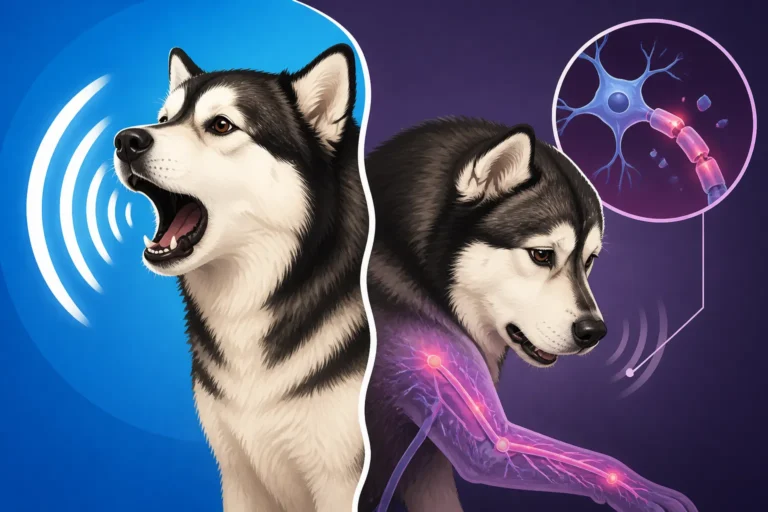
Chondrodysplasia in Alaskan Malamutes is an inherited condition, meaning it’s passed down through specific genes. It's not something that happens because of poor nutrition or an accident; it's coded into their very being. The gene responsible, known as the ITGA10 gene, leads to abnormal cartilage development, which in turn impacts the long bones of the legs. This is why you see the characteristic short, bowed legs, particularly in the front, and sometimes a broader head and a slightly shorter body. It's often at around eight to ten weeks of age that The Age Malamute Dwarfism Becomes Visible, becoming clearer as other littermates grow at a normal pace.
It's a stark reminder of the importance of responsible breeding and genetic testing. Many reputable breeders now screen their breeding stock for this gene to avoid passing it on, and it’s a crucial question to ask when considering a puppy. When both parents are carriers of the recessive gene, there's a 25% chance that their puppies will inherit two copies and develop the condition. This means even seemingly healthy parents can produce affected offspring, which can be a real shock to new owners.
The Physical Impact of Chondrodysplasia
The primary impact of chondrodysplasia is, of course, on the skeletal system. Your Malamute might have a unique gait, often described as a "waddle," and they may struggle with activities that come easily to their full-sized counterparts. You might find yourself wondering How Short a Dwarf Malamute's Legs Stay and how it will affect their mobility and quality of life. Beyond just the appearance, these dogs can be prone to secondary issues like arthritis due to the abnormal stress on their joints, especially as they age.
Some dwarf Malamutes also present with a form of anemia, which adds another layer of complexity to their care. This means their red blood cell count might be lower than normal, leading to lethargy and reduced stamina. While it's not present in every case of chondrodysplasia, it's something to be aware of and monitor with your vet. The overall picture can be quite challenging for an owner who just wants their Malamute to live a happy, active life. Understanding What Chondrodysplasia Does to an Alaskan Malamute goes beyond just physical appearance; it’s about recognizing potential systemic effects and providing comprehensive care.
The Intricate Link Between Zinc and Malamute Health
Zinc is an absolutely vital mineral for all dogs, playing a role in everything from immune function and skin health to proper growth and metabolism. For Alaskan Malamutes, however, zinc takes on an even more critical significance due to a predisposition to certain health issues related to its absorption.
Zinc Responsive Dermatosis: A Separate Challenge
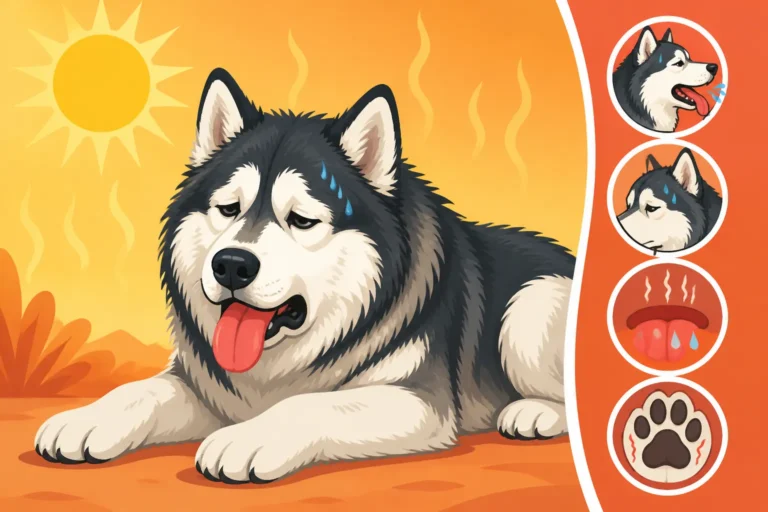
Before we dive into dwarfism, it’s important to distinguish another, more commonly understood zinc-related issue in Malamutes: Zinc Responsive Dermatosis. This condition occurs when a Malamute either doesn't absorb enough zinc from its diet or has an abnormally high requirement for it. The symptoms are unmistakable and distressing: crusty, scaly skin lesions, often around the eyes, muzzle, ears, and pressure points like elbows and hocks. You might notice hair loss in these areas, and the skin can become quite inflamed and itchy, making your poor dog miserable. This is a condition where Zinc Responsive Dermatosis in an Alaskan Malamute is directly caused by a zinc deficiency, and supplementation is the key to recovery.
It’s crucial not to confuse the skin issues from zinc deficiency with the skeletal issues of dwarfism, even though they can sometimes share a common, albeit indirect, thread regarding zinc metabolism. While both conditions can be a struggle, their root causes and direct treatments differ significantly. Understanding How Poor Zinc Absorption Links a Malamute's Three Disorders highlights the breed's unique sensitivities, but it doesn't mean all zinc issues are the same.
Zinc Absorption Challenges in Alaskan Malamutes
Alaskan Malamutes, along with a few other northern breeds like Huskies and Samoyeds, are genetically predisposed to a unique problem with zinc absorption. Even if their diet contains adequate amounts of zinc, their bodies might not be able to process and utilize it efficiently. This isn't just a dietary oversight; it's a metabolic quirk of the breed.
This genetic predisposition means that even a diet considered perfectly balanced for other breeds might leave a Malamute zinc-deficient. This is why Why a Malamute Needs More Dietary Zinc Than Other Breeds is such an important topic for owners. Factors like certain food ingredients, particularly high levels of calcium or phytates found in some grains, can further inhibit zinc absorption, making the problem even worse. It’s a frustrating tightrope walk for many Malamute owners trying to ensure their dog gets what they need without causing other imbalances. Your vet might even suggest specific diagnostic tests to assess zinc levels, although these can sometimes be tricky to interpret definitively.
Do Zinc Supplements Really Help a Dwarf Malamute?
This is the million-dollar question for many owners, and it's where careful understanding and veterinary guidance are absolutely paramount. The short answer is: zinc supplements do not treat or reverse chondrodysplasia (dwarfism) in Alaskan Malamutes.
Addressing the Misconception
It's easy to jump to conclusions, especially when you learn about the Malamute's known issues with zinc. You might think, "If my dog has a growth problem, and Malamutes have zinc issues, then zinc must be the solution!" However, chondrodysplasia is a skeletal development disorder caused by a specific genetic mutation affecting cartilage, not a direct zinc deficiency. Giving extra zinc won't magically make the long bones grow to their normal length or correct the underlying genetic fault.
Think of it this way: if a house is built with a faulty foundation, adding more paint to the walls won't fix the structural integrity. Similarly, zinc addresses metabolic or dermatological issues, not intrinsic genetic skeletal malformations. The limited absorption of zinc often observed in chondrodysplastic Malamutes, as highlighted in "Chondrodysplasia and the Malamute That Absorbs a Quarter of Its Zinc" and "How Much Zinc a Chondrodysplastic Malamute Absorbs", is a secondary effect or a co-occurring issue, not the primary cause of the dwarfism itself. While a dwarf Malamute might also have a zinc absorption problem, treating the zinc issue won't resolve the dwarfism.
When Zinc Supplementation Might Be Relevant for a Dwarf Malamute
While zinc supplements won't fix the dwarfism, they can be incredibly important if your dwarf Malamute also suffers from zinc responsive dermatosis or a general zinc deficiency. Since Malamutes with chondrodysplasia may have compromised zinc absorption, they are also at risk for the skin issues associated with low zinc. If your dwarf Malamute starts showing signs of crusty skin, hair loss, or footpad thickening, then a vet-prescribed zinc supplement is absolutely necessary.
In such cases, the zinc isn't treating the dwarfism, but rather a separate, co-occurring condition that a dwarf Malamute is equally susceptible to, if not more so, due to their genetic background. Your vet will determine the appropriate type and dosage, often recommending Which Zinc Supplement Suits a Malamute and closely monitoring your dog's response. It’s a delicate balance, as Whether Too Much Zinc Harms a Malamute is a very real concern; excessive zinc can cause gastrointestinal upset or even lead to copper deficiency.
Managing the Long-Term Health of a Chondrodysplastic Malamute
Living with a dwarf Malamute means embracing their unique needs and providing a tailored approach to their care. It’s about focusing on their overall well-being, acknowledging their differences, and giving them the best quality of life possible.
Veterinary Care and Monitoring
Regular veterinary check-ups are even more critical for a chondrodysplastic Malamute. Your vet will monitor their skeletal health, looking for signs of arthritis or joint pain, and addressing it proactively. They'll also keep an eye on their bloodwork, especially for anemia, which can sometimes be associated with the condition. It’s a partnership where open communication with your vet is key. Insurance providers like Healthy Paws can be invaluable here, helping to manage the potentially higher veterinary costs associated with ongoing care and any unexpected issues that arise.
Discussing Whether a Dwarf Malamute Is Anemic with your vet is important, as addressing this can significantly improve your dog's energy levels and overall health. They might recommend specific dietary adjustments or other supplements to support red blood cell production if anemia is detected.
Diet and Exercise Considerations
Feeding a dwarf Malamute requires thoughtful consideration. While they might not be as active as a full-sized Malamute, they still need a balanced diet. Focus on high-quality, easily digestible food. If your Malamute is prone to zinc deficiency, your vet might suggest specific formulations or additional zinc. However, always consult with your vet before adding any supplements, as incorrect dosages can be harmful. You might also want to investigate Whether a Dwarf Malamute Can Pull a Sled, as some can, but adjustments to their workload and equipment would be crucial to protect their joints.
Exercise should be carefully managed. While they still need mental and physical stimulation, high-impact activities might be detrimental to their joints. Short, frequent walks, swimming, and gentle play are often better than long, strenuous hikes. Monitoring their comfort level is paramount. A healthy weight is also essential to reduce stress on their already compromised joints.
Creating an Accessible Environment
Making your home accessible for a dwarf Malamute can significantly improve their quality of life and prevent injuries. This might mean providing ramps for beds or couches, using steps for getting into the car, and ensuring their food and water bowls are at a comfortable height. Think about their perspective and how you can ease their daily movements. For a Malamute, even a short step can be a hurdle, and continuous jumping can lead to premature joint issues.
Many owners find immense joy and companionship with their dwarf Malamutes. With proper care and attention to their specific needs, Whether a Dwarf Malamute Lives a Normal Span is often a positive answer. Just like any Malamute, they thrive on love, companionship, and a sense of purpose. It just takes a little more understanding and adaptation from their human family. Comprehensive pet insurance, such as a plan from Healthy Paws, can offer peace of mind, covering many of the unexpected medical needs that might arise over their lifespan.
Disclaimer
This article is intended for informational purposes only and does not constitute veterinary advice. Always consult with a qualified veterinarian for any health concerns or before making any decisions about your pet's medical care, diet, or supplementation. Individual needs may vary.