Whether Malamute Breeders Share Health Data Openly
Bringing a new Alaskan Malamute into your life is an exciting journey, but it's often fraught with anxiety about their health, especially when you're trying to choose a reputable breeder. Many prospective owners worry about inherited diseases and struggle to find clear, verifiable information, leaving them feeling like they're navigating a maze blindfolded. This guide is here to shed light on how openly Malamute breeders typically share health data, what you should expect, and how to empower yourself with the right questions and resources.
Why Health Data Transparency Matters for Alaskan Malamutes
When you’re looking for a Malamute puppy, you’re not just picking a cute face; you’re making a commitment for potentially The Ten to Fourteen Years an Alaskan Malamute Lives. Understanding the health history of a puppy's parents and their lineage is paramount to increasing the chances of a long, healthy life for your furry family member. Without this transparency, you're essentially buying a lottery ticket, and the stakes are much higher than just a few dollars. We’re talking about potentially heartbreaking genetic conditions that can lead to significant pain for your dog and massive veterinary bills for you.
Understanding Inherited Conditions
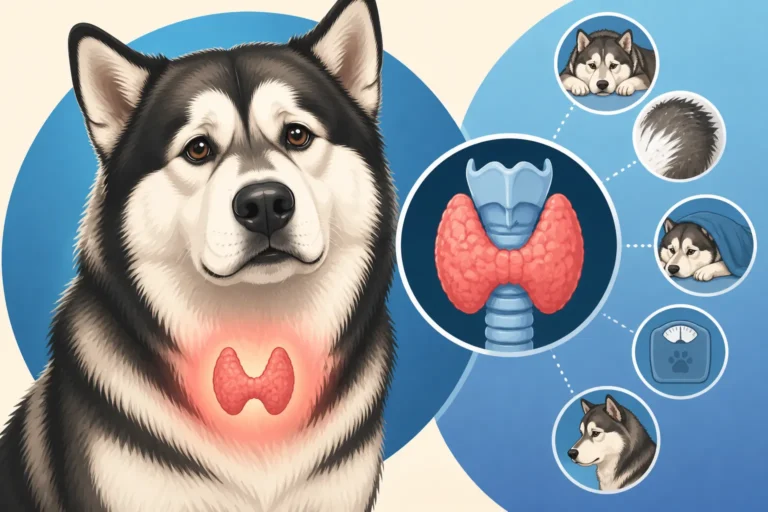
Alaskan Malamutes, like many purebred dogs, are predisposed to several inherited health conditions. These aren't just minor inconveniences; they can be life-altering. For example, Zinc Responsive Dermatosis in an Alaskan Malamute is a genetic condition that impacts their ability to absorb zinc, leading to chronic skin issues. Similarly, serious orthopedic problems like Hip Dysplasia in an Alaskan Malamute can cause debilitating pain and require expensive surgeries or lifelong management. Other concerns include Inherited Polyneuropathy and the Malamute That Stumbles at a Year, which can impact their mobility and breathing, and Day Blindness and the CNGB3 Test That Nearly Ended It in Malamutes, a condition affecting their vision in bright light.
Good breeders strive to minimize the occurrence of these conditions through careful breeding practices, which includes extensive health testing. Without access to these test results, you have no way of knowing if a breeder is truly putting the health of their dogs first or simply breeding for profit. It's about protecting the future health of your pet and supporting responsible breeding.
The Financial and Emotional Impact of Unforeseen Health Issues
Let's be real, owning an Alaskan Malamute is an investment, both emotionally and financially. A healthy dog is a joy, but a dog suffering from an inherited condition can drain your bank account and your heart. Imagine the stress of seeing your beloved Malamute struggling with chronic pain or a progressive neurological disorder. The vet bills alone for managing conditions like severe hip dysplasia or chronic zinc deficiency can easily run into the thousands over their lifetime. This is where the importance of pet insurance, perhaps from a provider like Healthy Paws, comes into play, but even with insurance, there's a significant emotional toll when your dog is unwell.
Being transparent about health data allows you to make an informed decision, budgeting for potential issues or choosing a puppy from a lineage with a demonstrably lower risk. It's about preventing suffering and ensuring you're prepared for the realities of Malamute ownership.
The Reality of Health Data Sharing Among Malamute Breeders
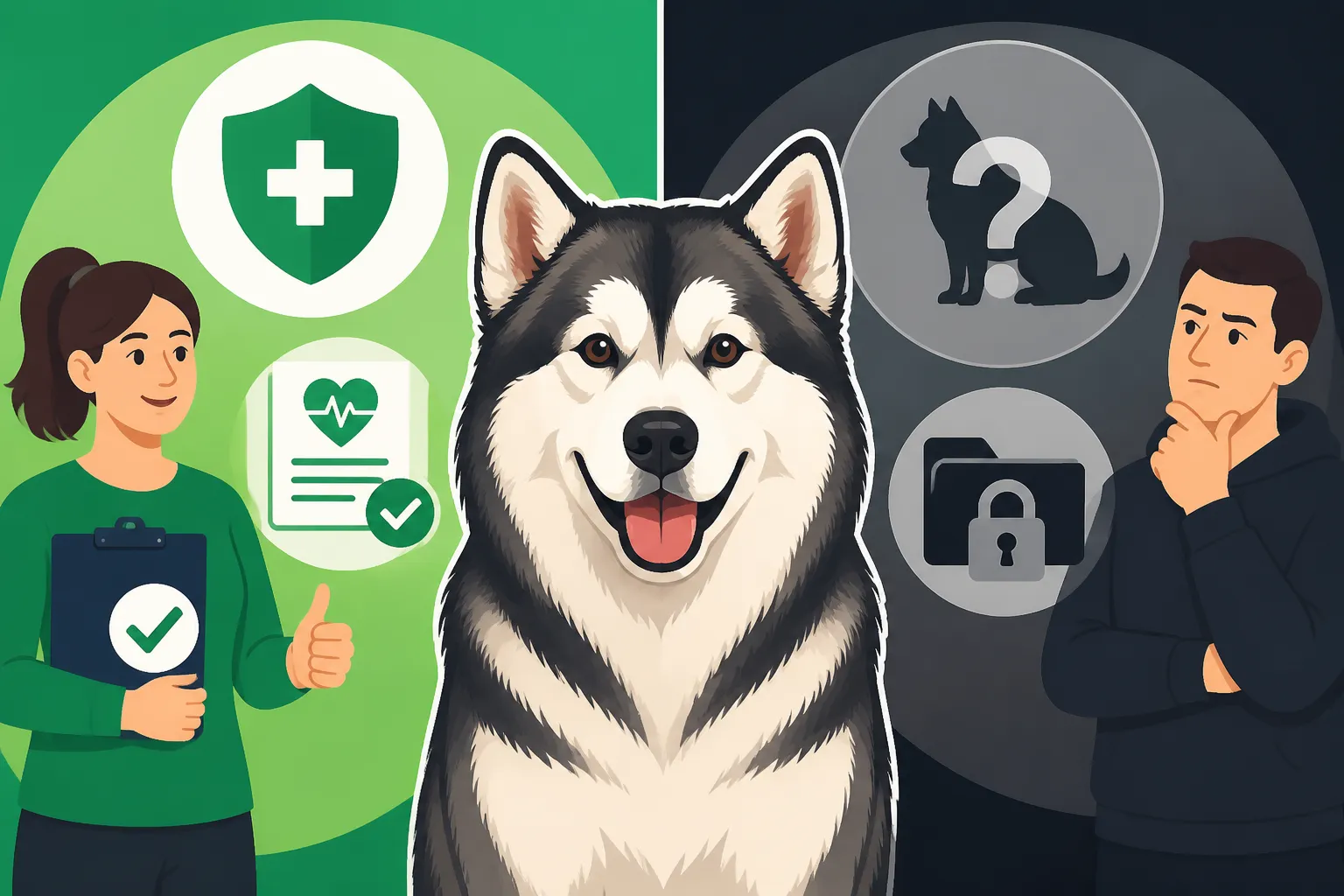
So, do Malamute breeders openly share health data? The answer, like many things in the dog world, is nuanced. The best breeders, those dedicated to the health and longevity of the breed, absolutely do. They consider it a fundamental part of their responsibility. However, the reality is that the level of transparency can vary wildly depending on the individual breeder's ethics, experience, and adherence to breed club recommendations.
The Gold Standard: Open and Verifiable Records
Reputable Alaskan Malamute breeders will not only share health data but will encourage you to verify it independently. They understand that trust is built on proof. This usually means providing specific registration numbers for parents (and sometimes grandparents) that allow you to look up their health clearances directly on public databases.
The primary organizations for these clearances include:
- Orthopedic Foundation for Animals (OFA): For hip, elbow, eye, and cardiac evaluations. You can search their database by the dog's registered name or number.
- Canine Health Information Center (CHIC): A program co-sponsored by the OFA and the AKC, which provides a centralized database for canine health information. To achieve a CHIC certification, a dog must have all recommended health screenings for its breed completed and the results publicly available.
- DNA Testing Labs: For genetic conditions like Inherited Polyneuropathy or Day Blindness, breeders should provide results from labs such as Embark, Canine HealthCheck (CHC), or other breed-specific testing facilities.
A truly transparent breeder will have these results readily available, often on their website, or be happy to provide copies and guide you on how to verify them. They won't just tell you their dogs are "clear" – they'll show you the paperwork.
The Gray Area: Partial or Vague Information
Unfortunately, you'll encounter breeders who are less than fully transparent. They might tell you their dogs are "vet checked" or "healthy," but these are vague statements that don't provide the specific, verifiable health clearances needed. Some might only offer to show you the papers in person during a visit, making it difficult to do your due diligence beforehand or to cross-reference information. Others might only test for a subset of recommended conditions, perhaps skipping the more expensive or less commonly known ones.
It's crucial to understand that "vet checked" is not the same as being cleared by OFA or having specific DNA tests for genetic conditions. A general vet check can confirm current physical health but doesn't offer insight into genetic predispositions that might manifest later in life or be passed to offspring.
The Red Flag: No Health Data Shared at All
Any breeder who refuses to share health data, claims it's "private," or dismisses its importance should be a massive red flag. This lack of transparency often indicates that the dogs have not been tested, or perhaps the results were not favorable. Buying from such a breeder significantly increases your risk of ending up with a Malamute suffering from preventable inherited conditions. While a good insurance plan like Healthy Paws can help with unexpected vet bills, prevention through responsible breeding is always the best approach.
Here's a quick overview of what to expect regarding different types of health data:
| Type of Health Data | What Reputable Breeders Share | What Questionable Breeders Might Share | Red Flags |
|---|---|---|---|
| OFA Hips/Elbows | Public OFA numbers/certificates, searchable on OFA database. | "Vet checked," "parent's hips are good," or show only a vet statement. | No documentation, dismisses importance. |
| OFA Eyes/Cardiac | Public OFA numbers/certificates, searchable on OFA database. | No specific mention, or vague assurances. | Claims eyes/heart are "fine." |
| Genetic DNA Tests | Certificates from reputable labs (e.g., Embark, CHC), clearly showing results (Clear, Carrier, Affected). | "All healthy," "no issues," or a general "DNA test" without specifics. | No DNA test results, no knowledge of specific genetic tests. |
| CHIC Certification | Evidence of CHIC number or confirmation that all required tests are public. | No mention of CHIC, or partial testing. | Unaware of CHIC or breed-specific health recommendations. |
What to Look For and Ask Breeders
You, as a prospective Malamute owner, have the power to drive demand for transparency. Don't be shy about asking direct questions and expecting verifiable answers. A good breeder will appreciate your thoroughness because it shows you're serious about providing a responsible home.
Essential Questions to Ask Every Breeder
Beyond the typical questions about puppy care and temperament, focus heavily on health. Here are some critical questions:
- "What health clearances do the parents of this litter have, and where can I view the results?"
- What to look for: They should immediately mention OFA for hips, elbows, and eyes, and specific DNA tests for conditions like polyneuropathy or day blindness. They should provide OFA numbers and copies of DNA test results, or direct you to where you can find them online (e.g., OFA website, their personal website, K9Data).
- "Are the parents CHIC certified? If not, why?"
- What to look for: CHIC certification means all recommended breed-specific health tests have been done and are publicly available. If not, ask which specific tests are missing and why.
- "Can I see the pedigrees of both parents, and is there any history of inherited health conditions in their lines?"
- What to look for: A responsible breeder will know their lines intimately and be upfront about any potential issues, even if the parents are clear. They understand that genetics are complex, and even clear parents can carry recessive genes. Looking at a pedigree can also give you insight into any potential line breeding which, while sometimes useful, can also concentrate undesirable genes.
- "What is your health guarantee, and what specific conditions does it cover?"
- What to look for: Guarantees vary. Some might cover life-threatening genetic conditions for a certain period, while others are more limited. Understand the terms, what proof is required, and what remedies are offered. This isn't just about financial compensation; it reflects their confidence in their breeding program.
- "What specific steps do you take to socialize your puppies and ensure they are well-adjusted?"
- While not directly health data, a well-socialized puppy often grows into a more stable adult, which contributes to their overall well-being. Good breeders focus on both physical and mental health.
Verifying Health Clearances Independently
Never take a breeder's word at face value for health clearances. Always verify them yourself. It's easy, and it gives you peace of mind.
- OFA Database: Visit the Orthopedic Foundation for Animals website. You can search by a dog's registered name or part of its registration number. This database is public, so if a breeder claims OFA clearances, you should be able to find them here. Look for "Excellent," "Good," or "Fair" for hips, and "Normal" for elbows and eyes.
- CHIC Program: If a dog has a CHIC number, you can look it up on the OFA website to see all the required tests performed and their results.
- DNA Test Certificates: Ask for copies of the actual certificates from the testing laboratory (e.g., Embark, Optimal Selection, etc.). These will clearly state whether a dog is "Clear," a "Carrier," or "Affected" for specific genetic conditions.
Remember, the goal isn't to catch a breeder out, but to ensure you're making an informed decision for your future Malamute. A good breeder will respect and even applaud your diligence. They've put in the work, and they want you to see it.
Beyond the Breeder: Other Sources of Health Information
While breeder transparency is crucial, it's not the only avenue for understanding Alaskan Malamute health. There are other valuable resources you can tap into to educate yourself and make the best decision for your family.
Breed-Specific Health Surveys and Research
Many breed clubs, like the Alaskan Malamute Club of America, conduct health surveys and support research into inherited conditions. These surveys gather data on common causes of death, prevalent health issues, and genetic predispositions within the breed. While not specific to a particular dog, they provide a broad understanding of the breed's health landscape and can highlight areas where testing is particularly important. Staying informed about these efforts ensures you know what questions to ask and what tests are most relevant. This is especially true for conditions like Zinc Is the Thread Running Through Three Malamute Diseases or How Poor Zinc Absorption Links a Malamute's Three Disorders, where ongoing research is vital.
Reputable Canine Health Databases and Publications
Beyond OFA and CHIC, there are other reputable sources for general canine health information. Veterinary university websites, peer-reviewed scientific journals, and established canine health organizations often publish information on breed-specific health concerns, symptoms, diagnosis, and treatment. These resources can help you understand the severity and prognosis of various conditions, allowing you to ask more informed questions of both breeders and veterinarians.
Always be wary of anecdotal evidence on forums or social media unless it's backed by verifiable facts and professional advice. When in doubt, consult with a veterinarian who has experience with northern breeds.
The Role of Pet Insurance and Proactive Care
Even with the most transparent breeder and the healthiest lineage, life happens. Accidents, sudden illnesses, or even a late-onset condition can occur. This is where preparing for the unexpected comes in. Investing in a robust pet insurance plan, perhaps from a provider like Healthy Paws, can provide a financial safety net for unexpected veterinary expenses. Knowing that you have support for those unforeseen moments can ease a lot of stress, allowing you to focus on your Malamute's well-being without crippling financial worry.
Beyond insurance, proactive care is key. Regular veterinary check-ups, a balanced diet, appropriate exercise, and attentive monitoring of your Malamute's behavior and physical condition are all essential. Being aware of Signs an Alaskan Malamute Is Getting Old can help you anticipate needs and provide the best care as they age. A responsible owner educates themselves not only on finding a healthy puppy but also on maintaining that health throughout their dog's life.
Navigating Breeder Transparency: Your Responsibility
Ultimately, the onus is on you, the prospective Malamute owner, to do your homework. You are advocating for your future dog's health and well-being. Don't be swayed by charming puppy photos alone. A responsible breeder will understand and appreciate your thoroughness, as it reflects your commitment to their breed. They want their puppies to go to homes that are prepared for the realities and responsibilities of Malamute ownership, including managing potential health issues.
By actively seeking out transparent breeders, verifying health data, and educating yourself on the breed's specific health concerns, you contribute to the overall improvement of the Alaskan Malamute breed. You encourage responsible breeding practices and help ensure that these magnificent dogs continue to thrive for generations to come.
Disclaimer
This article is for general informational purposes only and does not constitute professional advice. Laws, prices and regulations vary by location and change over time. Consult a qualified professional for guidance on your specific situation.