Hip Dysplasia in an Alaskan Malamute
There's nothing quite as heart-wrenching as watching your beloved Alaskan Malamute, a breed known for its powerful gait and tireless work ethic, start to show signs of discomfort, a slight limp, or a hesitant step. Hip dysplasia, a condition many large breed owners dread, can cast a shadow over what should be years of joyful activity. This comprehensive guide will walk you through everything you need to know about hip dysplasia in Alaskan Malamutes, from recognizing the subtle signs to understanding treatment options and, most importantly, how to support your furry companion through it all.
Understanding Hip Dysplasia in Alaskan Malamutes
Hip dysplasia isn't just a simple ache; it's a complex developmental orthopedic condition that can significantly impact your Malamute's quality of life. It’s a sad reality for many large and giant breeds, and our powerful, majestic Malamutes are unfortunately not immune.
What Exactly is Hip Dysplasia?
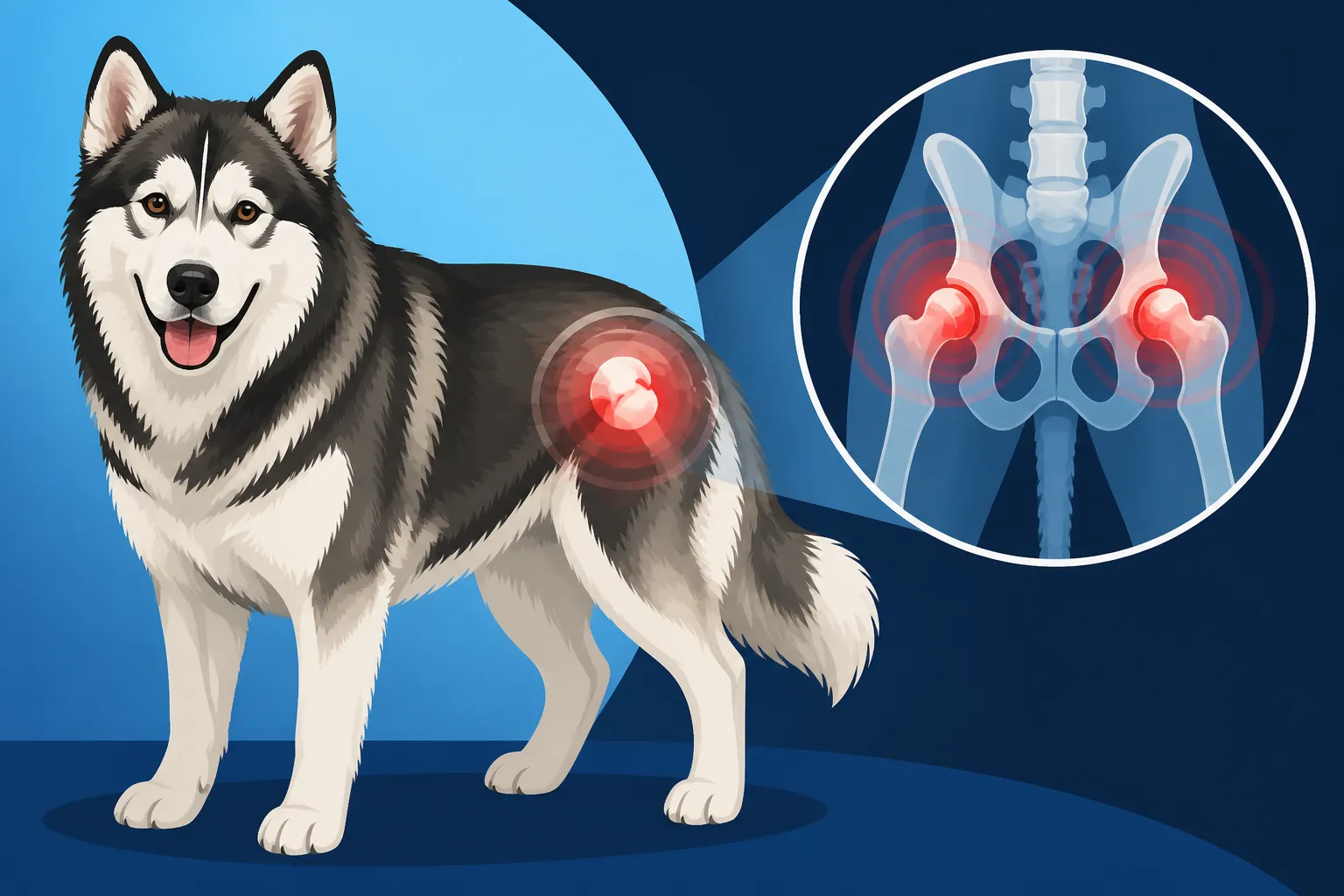
At its core, hip dysplasia is a malformation of the hip joint. In a healthy hip, the head of the femur (thigh bone) fits snugly and smoothly into the acetabulum (hip socket) of the pelvis, like a perfectly rounded ball in a deep cup. This allows for fluid movement, critical for a dog bred to pull and traverse rugged terrain. With hip dysplasia, this ideal fit is compromised. The socket might be too shallow, or the femoral head might be flattened, leading to a loose or "lax" joint.
This laxity means the ball and socket don't move smoothly together. Instead, they grind and rub, causing friction and instability. Over time, this abnormal wear and tear leads to painful inflammation, cartilage damage, and eventually, degenerative joint disease (osteoarthritis). Imagine constantly rubbing two uneven surfaces together – eventually, they'll both wear down and become very painful. That’s what’s happening in a dysplastic hip, and it's a relentless process for the dog.
Why Alaskan Malamutes are Prone to Hip Dysplasia
While hip dysplasia can affect any dog, large breeds like Alaskan Malamutes have a genetic predisposition that makes them particularly susceptible. It's not a single gene, but rather a polygenic trait, meaning multiple genes interact to determine a dog's risk. This genetic component is why responsible breeding practices are so critical, as we'll discuss later.
Beyond genetics, several environmental factors can influence the development and severity of hip dysplasia in a genetically predisposed Malamute. Rapid growth, for instance, can put undue stress on developing joints. Over-nutrition, especially in puppies, leading to excessive weight gain can exacerbate joint laxity. Furthermore, strenuous, high-impact exercise during critical growth phases, before their growth plates have closed, can contribute to the manifestation of the condition. It’s a frustrating combination of nature and nurture, where even with the best intentions, genetics can still play a cruel hand. Understanding that the Malamute's powerful build is a double-edged sword when it comes to joint health helps underscore the need for vigilance.
The Early Warning Signs to Look For
Spotting hip dysplasia early can be incredibly challenging, especially in a stoic breed like the Alaskan Malamute. They often hide pain until it becomes severe, a trait inherited from their working ancestors who couldn't afford to show weakness. However, there are subtle clues that diligent owners might pick up on.
One of the first signs you might notice is a change in gait, often described as a "bunny hop" where both hind legs move together when running. Your Malamute might show reluctance to jump, climb stairs, or even stand up after resting. They might seem stiff, particularly after exercise or in cold weather, and struggle to rise from a lying position. You might also observe a decrease in activity levels or a sudden unwillingness to play as vigorously as before. A change in muscle mass, with noticeable atrophy in the hindquarters and an increase in shoulder muscle from compensation, is another subtle indicator. Don't dismiss a slight limp, even if it comes and goes; it could be their only way of telling you something is wrong. Sometimes, the only clue is a personality shift – a previously playful Malamute becoming quieter or even a bit irritable due to chronic pain. For those concerned about early signs in younger dogs, it might be worth exploring whether a limping Malamute puppy needs X-rays if you see these symptoms in a younger dog.
Diagnosing Hip Dysplasia: Beyond the Limp
If you suspect your Malamute might be struggling with hip dysplasia, the next crucial step is getting a proper veterinary diagnosis. This isn't a condition you can self-diagnose or treat with guesswork.
The Importance of Early Veterinary Consultation
As soon as you notice any of the warning signs – even subtle ones like a reluctance to jump into the car or a slight change in their playful exuberance – it's time to schedule an appointment with your veterinarian. Don't wait until your Malamute is overtly limping or crying out in pain; by then, the condition has likely progressed significantly. Early detection is paramount because it allows for earlier intervention, which can slow the progression of osteoarthritis and improve your dog's long-term comfort and mobility.
Your vet will conduct a thorough physical examination, including palpating the hips, checking for signs of pain, and assessing the range of motion. They might perform specific maneuvers like the Ortolani sign, which helps detect hip laxity in younger dogs. Be prepared to discuss your Malamute's history, including their activity levels, any changes in behavior, and when you first noticed symptoms. This initial consultation is the foundation for determining the best diagnostic path forward.
Diagnostic Tools: X-rays, Sedation, and Expert Interpretation
The definitive diagnosis of hip dysplasia relies on radiographic imaging, specifically X-rays of the hip joints. For these X-rays to be accurate and truly diagnostic, your Malamute will typically need to be sedated. This isn't just for their comfort; it's essential to ensure proper positioning, which can significantly affect the diagnostic quality of the images. Your vet will usually take at least two views, often more, to get a comprehensive look at the ball and socket.
These radiographs are then evaluated by a veterinary radiologist or certified orthopedic specialist. Two prominent methods for hip evaluation in dogs are the Orthopedic Foundation for Animals (OFA) and PennHIP. OFA evaluates a dog's hips based on a single X-ray taken when the dog is at least 24 months old. They assign a rating (Excellent, Good, Fair, Borderline, Mild, Moderate, or Severe). PennHIP, on the other hand, can be done as early as 16 weeks of age and measures hip laxity quantitatively. It involves three distinct radiographs and provides a Distraction Index (DI), indicating how loose the hips are. Both methods provide valuable information for diagnosis and, crucially, for responsible breeding programs. If you're looking into breeding, knowing the age a Malamute is certified by OFA is crucial for planning.
Understanding the Severity Grades and What They Mean
Once X-rays have been taken and interpreted, your Malamute's hips will typically be assigned a severity grade. These grades, whether from OFA or your local veterinary radiologist, help guide treatment decisions and give you an idea of the condition's progression.
| Severity Grade | Description | Clinical Impact | Treatment Focus |
|---|---|---|---|
| Excellent | A strong diagnosis where the hips are robustly formed with deep joints, perfect movement, and no hint of looseness or abnormalities. Optimal for health and breeding. | The absolute best hips a Malamute can have. Ideal function and structural integrity. | Continue current management. No specific intervention needed. |
| Good | Minor, insignificant deviations from normal. Still a strong, functional joint. | Excellent hip function, very similar to "Excellent." | Continue current management. |
| Fair | Significant radiographic evidence of minor irregularities, but still within normal limits. The joint is usually functional. | Functional hips, but a very slightly increased risk of developing OA later in life compared to "Good" or "Excellent." Can be a source of discomfort with heavy work or old age. | Monitor for signs of discomfort. Consider joint supplements. Maintain ideal weight. |
| Borderline | More irregularities than "Fair" but still not definitively dysplastic. Some veterinarians might recommend re-evaluation later. | May experience intermittent mild pain or stiffness, particularly after strenuous activity or in cold weather. At an increased risk of progressing to true hip dysplasia or developing early onset OA. | Strict weight management, controlled exercise, good quality joint supplements, and regular vet check-ups. |
| Moderate | The hips are generally unstable, with signs of subluxation (partial dislodgement) of the femoral head from the socket. Significant changes indicating OA may be present. | Consistent lameness, noticeable pain, difficulty with daily activities. Quality of life is often impacted, even at a younger age. | Aggressive medical management (anti-inflammatories, strong joint supplements), physical therapy. Surgical options like Total Hip Replacement (THR) or Femoral Head Ostectomy (FHO) often considered. |
| Severe | Profound hip laxity, significant subluxation or even complete dislocation, and advanced degenerative joint disease (severe OA). The joint is severely compromised. | Chronic, debilitating pain and lameness. May lead to severe mobility issues, muscle wastage, and significant reduction in quality of life. Often requires intensive pain management and is a strong candidate for surgical intervention. | Intensive pain management, often multimodal. Surgical intervention (THR, FHO) is usually necessary to improve quality of life. Long-term rehabilitation and supportive care. |
| Mild | Slightest deviations from normal. Minimal impact but need monitoring. | Might occasionally show stiffness or discomfort, especially after prolonged activity or rest. Minimal functional impairment typically. | Maintain ideal weight, controlled exercise, consider early introduction of joint supplements. |
| Moderate | Clear evidence of malformation and laxity. Early signs of degenerative joint disease. | Regular lameness, pain, and difficulty with normal activities. Progressive decline in mobility. | Pain management (NSAIDs, other analgesics), strong joint supplements, physical therapy, controlled exercise. Surgical options (FHO, DPO/TPO, THR) often considered, especially in younger dogs or those with severe pain. |
| Severe | The head of the femur is severely flattened, the hip socket is very shallow, and there are obvious signs of joint degeneration. | The dog experiences severe chronic pain, lameness, and significantly reduced mobility. It is often very challenging for them to perform normal daily activities. | Aggressive pain management and often surgical intervention (e.g., Total Hip Replacement, Femoral Head Ostectomy) are necessary to improve the dog's quality of life. Long-term supportive care, including physical therapy, is crucial. |
It's important to remember that a dog's outward symptoms don't always perfectly align with their X-ray severity. Some Malamutes with seemingly "bad" X-rays might show minimal pain, while others with less severe radiographic changes might be in considerable discomfort. This is why a holistic approach, combining clinical signs with diagnostic imaging, is always essential.
Managing Hip Dysplasia: Treatment Options and Strategies
Receiving a diagnosis of hip dysplasia for your Alaskan Malamute can feel overwhelming, but the good news is that there are many ways to manage the condition and ensure your dog maintains a good quality of life.
Non-Surgical Approaches: Pain Management, Supplements, and Lifestyle Changes
For many Malamutes, especially those with mild to moderate dysplasia or those who aren't candidates for surgery, non-surgical (conservative) management is the cornerstone of treatment. The goal is to reduce pain and inflammation, preserve joint function, and slow the progression of osteoarthritis.
Your veterinarian will likely prescribe Non-Steroidal Anti-Inflammatory Drugs (NSAIDs) like carprofen or meloxicam to manage pain and inflammation. These can make a world of difference in your dog's comfort levels, but long-term use requires careful monitoring for side effects, especially on the kidneys and liver. Other pain medications, like gabapentin or tramadol, might be added for multimodal pain relief. Alongside medication, high-quality joint supplements containing ingredients like glucosamine, chondroitin, and MSM can support cartilage health and lubrication. Omega-3 fatty acids, often found in fish oil, also have anti-inflammatory properties that can be beneficial. You might want to ask your vet about joint supplements for an Alaskan Malamute. Maintaining an ideal weight is absolutely critical; even a few extra pounds can significantly increase stress on compromised joints. Lifestyle adjustments like shorter, more frequent walks on soft surfaces instead of long, strenuous hikes are important. Swimming and hydrotherapy are fantastic low-impact exercises that build muscle without straining joints. Physical therapy and acupuncture can also be incredibly helpful in building strength, improving range of motion, and alleviating pain.
Surgical Interventions: When and What to Expect
When conservative management isn't enough to control pain or maintain an acceptable quality of life, surgical options become a crucial consideration. The decision for surgery is highly individual and depends on factors like your Malamute's age, the severity of the dysplasia, and your budget.
One common procedure, especially for younger dogs without significant arthritis, is a Juvenile Pubic Symphysiodesis (JPS), which subtly alters pelvic growth to improve hip conformation. Another option, often for dogs under 10 months old, is a Double or Triple Pelvic Osteotomy (DPO/TPO), where the pelvis is cut and rotated to create a better fit for the femoral head. For dogs with severe, debilitating arthritis, regardless of age, a Femoral Head Ostectomy (FHO) might be performed. This involves removing the head of the femur, allowing a "false joint" to form, which can eliminate bone-on-bone pain, though it might result in some limb shortening or reduced range of motion. The gold standard for severe hip dysplasia, offering the most dramatic and consistent results, is a Total Hip Replacement (THR). This involves replacing the damaged ball and socket with prosthetic implants, much like in humans. THR is a complex and expensive procedure but can completely restore pain-free function. Recovery from any of these surgeries involves significant post-operative care, including restricted activity, pain medication, and often extensive physical therapy for several weeks to months.
Supporting Your Malamute's Mobility and Quality of Life
Beyond direct medical and surgical treatments, there's so much you can do at home to support your Malamute's daily comfort and overall quality of life. Simple environmental modifications can make a huge difference.
Consider orthopedic beds that provide excellent joint support, especially for older Malamutes. Non-slip rugs or runners on slippery floors, such as hardwood or tile, can prevent falls and reduce strain when your dog is trying to get up or move around. Ramps for cars or stairs can eliminate painful jumping or climbing. Maintaining a consistent, appropriate exercise routine is key – think controlled, leash-guided walks, swimming, or even gentle pulling activities once they're stable and strong. Avoiding high-impact sports like intense agility or prolonged fetch on hard surfaces is essential. Regular, gentle massage can help keep muscles supple and improve circulation. For senior Malamutes, who may be dealing with arthritis in an older Alaskan Malamute, these supportive measures become even more critical to keep them comfortable and mobile as they age. Your vet can guide you on the best balance of activity and rest.
The Role of Genetics and Responsible Breeding
Understanding the genetic component of hip dysplasia is crucial for anyone involved with Alaskan Malamutes, whether as an owner, prospective buyer, or a breeder. It's a key piece of the puzzle in combating this prevalent issue.
How Hip Dysplasia is Inherited
Hip dysplasia is not a simple recessive or dominant trait; it's considered polygenic, meaning it's influenced by multiple genes. This makes breeding for hip health quite challenging, as even parents with excellent hips can, theoretically, produce offspring with dysplasia if they carry certain genetic predispositions. However, the probability is significantly reduced when both parents have demonstrably good to excellent hip scores. Environmental factors, as mentioned earlier, can also play a role in how these genes express themselves.
It’s a complex interplay where good genetics lay the foundation, but proper nutrition and controlled growth during puppyhood are vital to ensure those genes can express their best potential. Unfortunately, a clear-cut DNA test for hip dysplasia doesn't currently exist, which makes the radiographic screening methods like OFA and PennHIP invaluable tools for breeders.
Why Health Screening is Crucial for Breeders
For responsible Alaskan Malamute breeders, health screening for hip dysplasia (and other genetic conditions) isn't just a recommendation; it's an ethical imperative. Breeding dogs without knowing their hip status risks perpetuating and even increasing the incidence of dysplasia in future generations.
Breeders should have their breeding stock's hips evaluated by OFA or PennHIP before breeding. The OFA database, for example, assigns a public number to certified dogs, allowing prospective puppy buyers to verify results. Breeders who only breed dogs with "Good" or "Excellent" OFA ratings, or low PennHIP Distraction Index scores, are actively working to reduce the prevalence of hip dysplasia. They understand that while no screening guarantees a pup free of the condition, it drastically improves the odds and demonstrates a commitment to the health of the breed. Don't be shy about asking breeders about their dogs' health certifications; a reputable breeder will be proud to share them. Furthermore, it's not just about hips; breeders should also be testing for other conditions like whether a Malamute gets elbow dysplasia to ensure comprehensive health.
Choosing a Puppy from Health-Tested Parents
When you're looking for an Alaskan Malamute puppy, the breeder's commitment to health testing should be one of your top priorities. This is where you, as a prospective owner, can make an informed decision that directly impacts your future dog's health.
Ask to see the OFA or PennHIP certificates for both parents. Don't just take their word for it. Reputable breeders will have these documents readily available and be happy to discuss them. Look for parents with "Good" or "Excellent" OFA ratings, or PennHIP scores indicating tight hips. Be wary of breeders who offer excuses for not testing, claim their dogs are "visually clear," or suggest that health testing is too expensive or unnecessary. While a health guarantee is good, verifiable health certifications for the parents are even better. These tests dramatically reduce the likelihood of inheriting severe hip dysplasia, setting your puppy up for a healthier, more active life from the start. Remember, a healthy start can prevent a lifetime of pain and expensive veterinary bills.
Living with a Dysplastic Malamute: Daily Care and Long-Term Outlook
Managing hip dysplasia is a marathon, not a sprint. It requires ongoing commitment and adjustments to your Malamute's daily routine, but with the right care, they can still lead a full and happy life.
Exercise Adjustments and Maintaining a Healthy Weight
For a Malamute with hip dysplasia, exercise is a delicate balance. Too much high-impact activity can exacerbate pain and joint damage, while too little can lead to muscle atrophy and weight gain, both detrimental to joint health. The key is controlled, consistent, low-impact exercise.
Think multiple shorter walks throughout the day rather than one long, strenuous hike. Focus on activities that build muscle without excessive joint impact, such as swimming, walking on soft terrain, or controlled leash walks up gentle inclines. Avoid activities that involve sharp turns, jumping, or hard stops. Maintaining an ideal body weight is perhaps the single most important thing you can do for a dysplastic Malamute. Every extra pound puts additional stress on already compromised joints. Work with your vet to determine your Malamute's ideal weight and create a diet plan. Even for a working breed, understanding how much weight a Malamute can safely pull needs to be re-evaluated if they have hip dysplasia, and activities adjusted accordingly.
Nutritional Support and Supplementation
Nutrition plays a vital supportive role in managing hip dysplasia. While no food or supplement can "cure" the condition, certain ingredients can help reduce inflammation, support cartilage, and generally improve joint health.
Many veterinarians recommend specific joint supplements that include ingredients like glucosamine, chondroitin sulfate, and MSM (methylsulfonylmethane). Glucosamine and chondroitin are building blocks for cartilage and can help slow its breakdown, while MSM has anti-inflammatory properties. Omega-3 fatty acids, particularly EPA and DHA found in fish oil, are also powerful natural anti-inflammatories. Your vet might also suggest specific prescription veterinary diets formulated for joint health, which often contain higher levels of these beneficial ingredients. Always discuss any supplements or dietary changes with your veterinarian to ensure they are appropriate for your individual Malamute and won't interact negatively with other medications. The right combination can make a noticeable difference in their comfort and mobility.
Financial Considerations and Pet Insurance
Let's be real: managing hip dysplasia, especially if surgery is involved, can be incredibly expensive. Diagnostic X-rays, medication, physical therapy, and potential surgeries like a Total Hip Replacement can quickly add up to thousands of dollars.
For example, a THR can cost anywhere from $3,500 to $7,000 per hip. Conservative management with long-term medication and supplements can also run hundreds of dollars per month. This is where pet insurance can be an absolute lifesaver. Companies like Healthy Paws offer robust coverage that can help mitigate the financial burden of chronic conditions like hip dysplasia, allowing you to make treatment decisions based on what's best for your Malamute, not just your wallet. It's often recommended to enroll your dog in pet insurance when they are young, before any signs of hip dysplasia or other conditions manifest, as pre-existing conditions are typically not covered. Thinking about the full cost of twelve years with an Alaskan Malamute should definitely include budgeting for potential health issues like this.
Preventing Hip Dysplasia: What You Can Do (Even with Genetics)
While genetics play a significant role, and you can't change your Malamute's inherited predisposition, there are concrete steps you can take to minimize the risk and severity of hip dysplasia.
Early Puppy Care: Controlled Growth and Exercise
The period of rapid growth in a Malamute puppy is critical. Over-exercising a puppy, especially with high-impact activities like excessive running, jumping, or long hikes, before their growth plates have closed can contribute to hip laxity. Their bones and joints are still developing, and undue stress can cause microtraumas that lead to improper joint formation.
Focus on short, frequent, controlled play sessions and walks. Avoid intense forced exercise. Similarly, over-feeding a puppy, leading to rapid weight gain, is also detrimental. While we all want our puppies to grow big and strong, a slow, steady growth rate is actually healthier for their developing joints. Feed a high-quality large-breed puppy food that is specifically formulated for controlled growth, ensuring appropriate calcium and phosphorus levels. You might even consider whether a Malamute puppy should be kept off stairs during this delicate developmental phase to avoid undue stress on their hips.
Environmental Factors and Injury Prevention
Your Malamute's environment also plays a role in protecting their joints. Simple preventative measures can reduce the risk of injury and alleviate stress on their hips.
Slippery floors are a major culprit for injuries and repetitive strain on joints. Use rugs or non-slip mats on tiled or hardwood floors, particularly in areas where your Malamute runs or lies down. Avoid activities that involve excessive jumping, especially off high surfaces like beds, couches, or out of the car. Consider a dog ramp for vehicles, even if your Malamute can jump, to protect their joints over time. Ensuring proper footing during walks, opting for grassy paths or dirt trails over pavement, can also be beneficial. Preventing slips and falls can reduce the chance of exacerbating an underlying laxity or causing a new injury that leads to joint problems.
Ongoing Monitoring and Proactive Care
Even if your Malamute has excellent hips, or if they have a mild form of dysplasia, ongoing monitoring and proactive care are essential throughout their life.
Regular veterinary check-ups are crucial for catching any subtle changes early. Your vet can monitor their gait, muscle condition, and overall joint health. Pay attention to any shifts in their behavior, activity levels, or signs of discomfort. Be proactive with preventative measures, such as maintaining an ideal weight, providing appropriate exercise, and discussing the use of joint supplements with your vet, especially as they get older. Understanding what an Alaskan Malamute needs every day goes beyond just food and water; it includes consistent attention to their physical well-being. By being vigilant and working closely with your veterinarian, you can maximize your Malamute's comfort and mobility for years to come.
Disclaimer
This article is intended for informational purposes only and does not constitute veterinary advice. Always consult with a qualified veterinarian for any health concerns or before making any decisions about your Alaskan Malamute's medical care or treatment plan.