Whether a Show Bred Malamute Is Tested More
It's a really common question, and honestly, a very smart one to ask when you're looking into bringing an Alaskan Malamute into your life: is there a difference in how thoroughly breeders screen their dogs based on whether they're focused on the show ring or not? Many prospective owners assume that "show quality" automatically equals "health tested," and while that's often true, the nuances are worth exploring. This guide will walk you through the various approaches to health testing in different breeding lines and help you understand what to look for, no matter where your future Malamute comes from.
The Diverse World of Malamute Breeding and Health Screening
The Alaskan Malamute community is a rich tapestry of dedicated individuals, but not all breeders operate with the same philosophy or priorities. Understanding these differences is crucial for prospective owners trying to navigate the sometimes-confusing landscape of puppy searching.
Understanding Breeding Philosophies
When we talk about breeding, it’s not just about putting two dogs together. There are distinct philosophies at play. Show breeders, for instance, are deeply invested in preserving the breed standard – that written description of the ideal Malamute. This often means paying close attention to temperament, structure, and movement, all while ensuring the dog meets certain health criteria to be eligible for competition. Their reputation is tied to the quality and health of the dogs they produce, so they often go above and beyond to ensure their breeding stock is sound. For them, a show dog with a known genetic fault can be a significant blow to their program.
On the other hand, you have breeders focused on working lines. These are individuals who prioritize traits like endurance, drive, and pulling power, essential for activities like sledding or weight pull. While health is still paramount (a sick dog can't work!), their focus might lean slightly more towards physical capabilities than, say, perfect ear set or tail carriage. Then there are pet breeders, who might focus solely on producing healthy companions, sometimes without the deep engagement in breed-specific activities that show or working breeders have. And sadly, there are also "backyard breeders" or commercial operations who may have little to no knowledge of genetics, breed-specific health concerns, or ethical breeding practices, often seeing puppies as a quick source of income. This wide spectrum means that health testing isn't a given across the board.
Key Health Concerns in Alaskan Malamutes
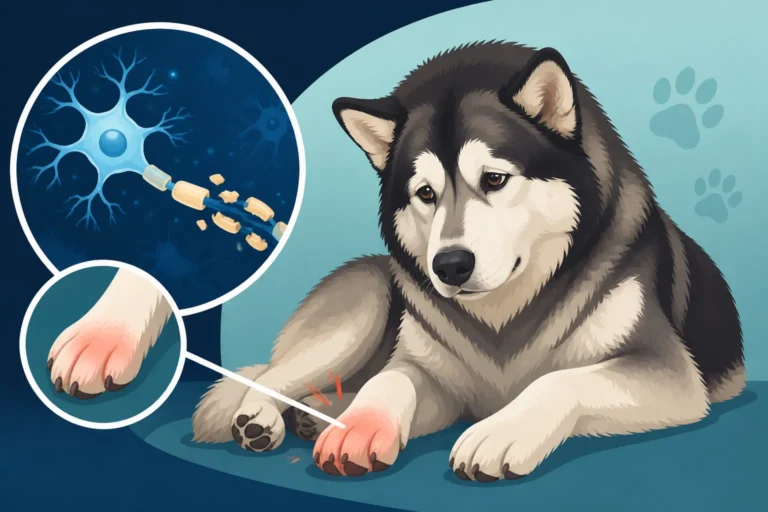
Regardless of what a breeder's primary focus might be, the Alaskan Malamute breed, like many purebreds, is predisposed to certain inherited health conditions. These aren't just minor inconveniences; they can lead to significant pain, expense, and a diminished quality of life for your beloved companion. Some of the most critical conditions include hip and elbow dysplasia, which can cause crippling arthritis; inherited polyneuropathy, a neurological disorder affecting nerve function; chondrodysplasia, also known as dwarfism, which affects bone development; and day blindness, a condition that severely impairs vision in bright light.
Knowing these specific concerns is your first line of defense. When you speak to a breeder, you want to hear that they are actively working to minimize the risk of these issues in their lines. It's not enough for them to say "my dogs are healthy"; you need to see proof that they've taken steps to test for these genetic predispositions. A truly responsible breeder, whether show-focused or otherwise, understands that their ethical obligation extends to doing everything possible to ensure the long-term health and well-being of the puppies they bring into the world.
The Show Breeder's Extensive Health Protocol
There's a widely held belief, often quite accurate, that show-bred Malamutes undergo more rigorous health testing. This perception isn't without foundation, as the culture and requirements within the conformation world often necessitate a deep commitment to health screening.
The Role of Breed Standards and Clubs
For breeders involved in conformation showing, adherence to the breed standard is paramount, and increasingly, that standard includes a strong emphasis on health. National breed clubs, such as the Alaskan Malamute Club of America (AMCA), play a significant role here. They typically publish health recommendations or codes of ethics for their members, strongly advising or even requiring specific health screenings for breeding animals. These recommendations aren't just suggestions; they are often tied to prestigious "breeder of merit" programs, or simply to a breeder's reputation within the community. A breeder known for producing unhealthy dogs will quickly find themselves ostracized in the show world.
Therefore, show breeders are often at the forefront of genetic health testing. They have a vested interest in proving the soundness of their lines, not just for the individual dog, but for the entire lineage they are trying to establish and improve. This commitment is a significant part of what makes puppies from reputable show breeders so sought after. They recognize that healthy genetics contribute to the overall vitality and longevity of the breed, which directly aligns with the goals of responsible showing and breeding. You might find it helpful to research The Health Tests Both Alaskan Malamute Parents Should Have before speaking with any breeder.
Common Tests in Show Lines
When you inquire about health testing with a reputable show breeder, you should expect to hear about a comprehensive suite of screenings. These typically include orthopedic evaluations through the Orthopedic Foundation for Animals (OFA) for hip and elbow dysplasia. These involve X-rays taken after the dog is two years old and then submitted to a panel of veterinary radiologists for expert grading. Clear results (Excellent, Good, Fair for hips; Normal for elbows) are considered essential for breeding.
Beyond orthopedics, show breeders routinely conduct eye examinations by a board-certified veterinary ophthalmologist, often certified by the Canine Eye Registration Foundation (CERF) or through the OFA's companion eye registry (CAER). This checks for various inherited eye conditions, including day blindness. Furthermore, DNA tests have become indispensable. Show breeders regularly screen for inherited polyneuropathy (AM-PN) and day blindness (CNGB3), both of which are specific to Alaskan Malamutes. These DNA tests are typically done via a cheek swab and can identify whether a dog is clear, a carrier, or affected by a genetic condition. Many will also test for chondrodysplasia, or dwarfism, to avoid passing on this recessive trait. The results of these DNA tests are critical, as carriers can still be bred responsibly if paired with a clear mate, preventing the production of affected puppies. For specific costs, you might look into What the Malamute Polyneuropathy Test Costs or What the Malamute Day Blindness Test Costs. Understanding Whether Malamute Dwarfism Has a DNA Test is also key for informed decisions.
Health Testing Practices Beyond the Show Ring
While show breeders often lead the charge in comprehensive health screening, it's not exclusively their domain. Many breeders who focus on working abilities also understand the critical role health plays in their dogs' performance, though practices can vary.
Working Lines and Performance Testing
For working line breeders, producing dogs capable of pulling heavy loads, traversing long distances, or excelling in other physically demanding activities, health is undeniably a cornerstone. A Malamute that develops hip or elbow dysplasia cannot perform its job effectively, making these specific orthopedic screenings (OFA Hips and Elbows) incredibly important to serious working kennels. They want robust, durable dogs built for a lifetime of activity. A working Malamute with poor structure is simply not fit for purpose. Thus, many dedicated working breeders will conduct these orthopedic tests with the same diligence as their show-ring counterparts. You can learn more about Hip Dysplasia in a Freighting Alaskan Malamute if you're interested in working lines.
However, where working lines might diverge slightly is in the breadth of DNA testing. While the most critical DNA tests (like polyneuropathy and day blindness) are increasingly becoming standard practice across responsible breeding, some working breeders might not undertake every single available test if the condition isn't perceived to directly impact the dog's ability to work. This isn't to say they are irresponsible, but rather their focus might be more narrowly defined by performance parameters. It's a question worth asking when you're looking at a working breeder: Whether a Freight Bred Malamute Is Tested as Often. They should still be transparent about what they test for and why.
Pet and "Backyard" Breeders
This is where the waters can get murky, and frankly, where prospective owners need to exercise the most caution. Pet-focused breeders, and especially those often referred to as "backyard breeders," represent a vast spectrum of practices. On one end, you have conscientious individuals who, while not involved in showing or working events, are still dedicated to ethical breeding, learning about breed health, and conducting recommended tests. They understand that their puppies will be cherished family members, and their health is paramount.
On the other end of the spectrum, you find breeders who do minimal to no health testing. Their rationale might range from ignorance ("my dogs seem healthy, so why test?"), to cost-saving measures, or simply a lack of understanding about recessive genes and inherited diseases. They might believe that because their male and female are outwardly healthy, their puppies will be too, completely missing the concept of carrier status for genetic conditions. This lack of testing is a huge red flag for any potential puppy buyer. Puppies from these breeders might initially cost less, but they can come with a lifetime of heartache and expensive veterinary bills down the line due to preventable inherited conditions. It's why many experts advise strongly against purchasing Whether an Untested Alaskan Malamute Litter Is Worth Buying. It is always prudent to insist on seeing proof of The Health Tests Both Alaskan Malamute Parents Should Have.
The Role of Buyer Awareness
Ultimately, the responsibility for finding a healthy puppy rests heavily on the buyer's shoulders. You cannot assume that a breeder has done their due diligence, no matter how friendly or well-intentioned they appear. You must ask direct questions about health testing and, more importantly, ask to see the documentation. A responsible breeder, whether they are a show breeder, working breeder, or dedicated pet breeder, will be transparent and eager to share their health clearances. They will have no problem showing you OFA certificates, CERF/CAER results, and DNA test panels for both parents.
Furthermore, many of these results are publicly verifiable through the OFA website. You can look up a dog by its registered name or number and see its hip, elbow, and even some DNA results. This allows you to independently confirm what the breeder tells you. If a breeder is evasive, makes excuses, or refuses to provide proof of testing, that's your cue to walk away, no matter how cute the puppies are. Your proactive approach in checking and verifying is the strongest shield against potential heartbreak and financial strain.
The Reality of "More Testing" and Financial Considerations
While it's generally true that show-bred Malamutes often undergo more extensive health testing, it’s important to understand what that actually means for you as a future owner and the financial implications involved.
Nuances of "More Testing"
"More testing" doesn't equate to a 100% guarantee of a perfectly healthy dog, free from all ailments forever. What it does mean is that a breeder has proactively screened for known, prevalent genetic and hereditary conditions in the breed, significantly reducing the risk of your puppy inheriting those specific issues. It’s about calculated risk reduction, not complete elimination. Dogs can still develop non-genetic health problems, suffer injuries, or fall victim to cancers or other diseases for which there are no current genetic tests. Even with the best breeding practices, genetics can sometimes be unpredictable, and a new mutation or an undetected carrier in a distant ancestor might surface.
However, opting for a puppy from extensively health-tested parents means you've mitigated the risks for the most debilitating and expensive inherited conditions. This peace of mind is invaluable. It shows the breeder's commitment to the long-term well-being of their puppies and the breed as a whole. Remember, responsible breeding is about stacking the deck in favor of health, not about guaranteeing perfection. For example, while breeders test for conditions like chondrodysplasia, there are other complex genetic predispositions such as How Poor Zinc Absorption Links a Malamute's Three Disorders that might require ongoing management, even in well-bred lines. Always be mindful of The Age a Malamute Is Certified by OFA for hip and elbow clearances, as screenings done too early are often not conclusive.
The Cost of Comprehensive Testing
Let's be realistic: comprehensive health testing is not cheap. Each OFA submission for hips and elbows, eye exams, and multiple DNA tests adds up. Breeders who invest in these screenings are incurring significant costs, and it's only fair that these costs are reflected in the purchase price of their puppies. This is why a puppy from a reputable, health-tested show line (or any well-vetted line) will almost invariably cost more upfront than one from a breeder who has cut corners on testing. When a breeder quotes you a price, they're not just charging for the puppy itself; they're charging for all the time, effort, and expense they've invested in ensuring that puppy has the best possible start to a healthy life.
It's a common temptation to go for the cheaper puppy, but that "bargain" often comes with a hidden price tag in potential future veterinary bills. Think about it: a diagnosis of severe hip dysplasia or inherited polyneuropathy can lead to thousands of dollars in medical treatments, surgeries, or lifelong management. This is where the financial safety net of pet insurance, from providers like Healthy Paws, can be incredibly helpful for any dog owner, regardless of how well-bred their dog is. While insurance helps with unexpected illnesses or accidents, it's always best to start with a puppy whose genetic risks for known breed issues have been minimized. Always ask a breeder whether they publish DNA results (Whether a Malamute Breeder Should Publish DNA Results) and understand What an Alaskan Malamute Puppy Costs From a Tested Litter. The overall What Twelve Years With an Alaskan Malamute Comes To includes many variables, but starting with a healthy foundation is crucial.
Disclaimer
This article is for general informational purposes only and does not constitute professional advice. Laws, prices and regulations vary by location and change over time. Consult a qualified professional for guidance on your specific situation.