What Chondrodysplasia Does to an Alaskan Malamute
Discovering that your beloved Alaskan Malamute puppy isn't growing quite right, or noticing subtle differences in their gait and conformation, can be incredibly worrying for any owner. Genetic conditions are a tough reality in purebred dogs, and one that often catches new owners off guard, leading to confusion and heartache. This comprehensive guide will delve deep into what chondrodysplasia means for an Alaskan Malamute, breaking down its effects on their body and how you can best support a dog living with this condition.
Understanding Chondrodysplasia in Alaskan Malamutes
When we talk about chondrodysplasia in Alaskan Malamutes, we're discussing a specific type of dwarfism that affects the development of cartilage and bone. It's not just about a dog being smaller than average; it's a condition rooted deep in their genetic makeup, impacting their skeletal structure in distinct ways. For owners, understanding the science behind it is the first step in providing the best care.
The Genetic Roots of Dwarfism in Malamutes
Chondrodysplasia in Alaskan Malamutes is an inherited, autosomal recessive disorder. This means that a puppy must inherit two copies of the defective gene – one from each parent – to be affected by the condition. If a dog inherits only one copy, they are considered a carrier and won't show symptoms, but they can pass the gene on to their offspring. This often makes it a hidden problem in breeding lines until an affected puppy appears, which can be a real shock to unsuspecting breeders and owners alike. The specific gene mutation responsible has been identified, allowing for genetic testing to identify both affected dogs and carriers, a significant step forward in responsible breeding. Without this understanding, it’s easy for the gene to persist undetected for generations.
It's a common misconception that dwarfism in dogs is always a simple matter of being short. However, the mechanism of chondrodysplasia is quite complex. It disrupts the normal process of endochondral ossification, which is how most bones, especially long bones, develop from cartilage templates. In affected Malamutes, this process is faulty, leading to bones that are shorter and often misshapen. Imagine the construction of a building where the blueprints for the foundational beams are flawed – the entire structure will be compromised, even if subtly at first. This genetic glitch means the cartilage doesn't mature properly into bone, leading to disproportionate dwarfism.
How Chondrodysplasia Differs from Other Dwarfism Types
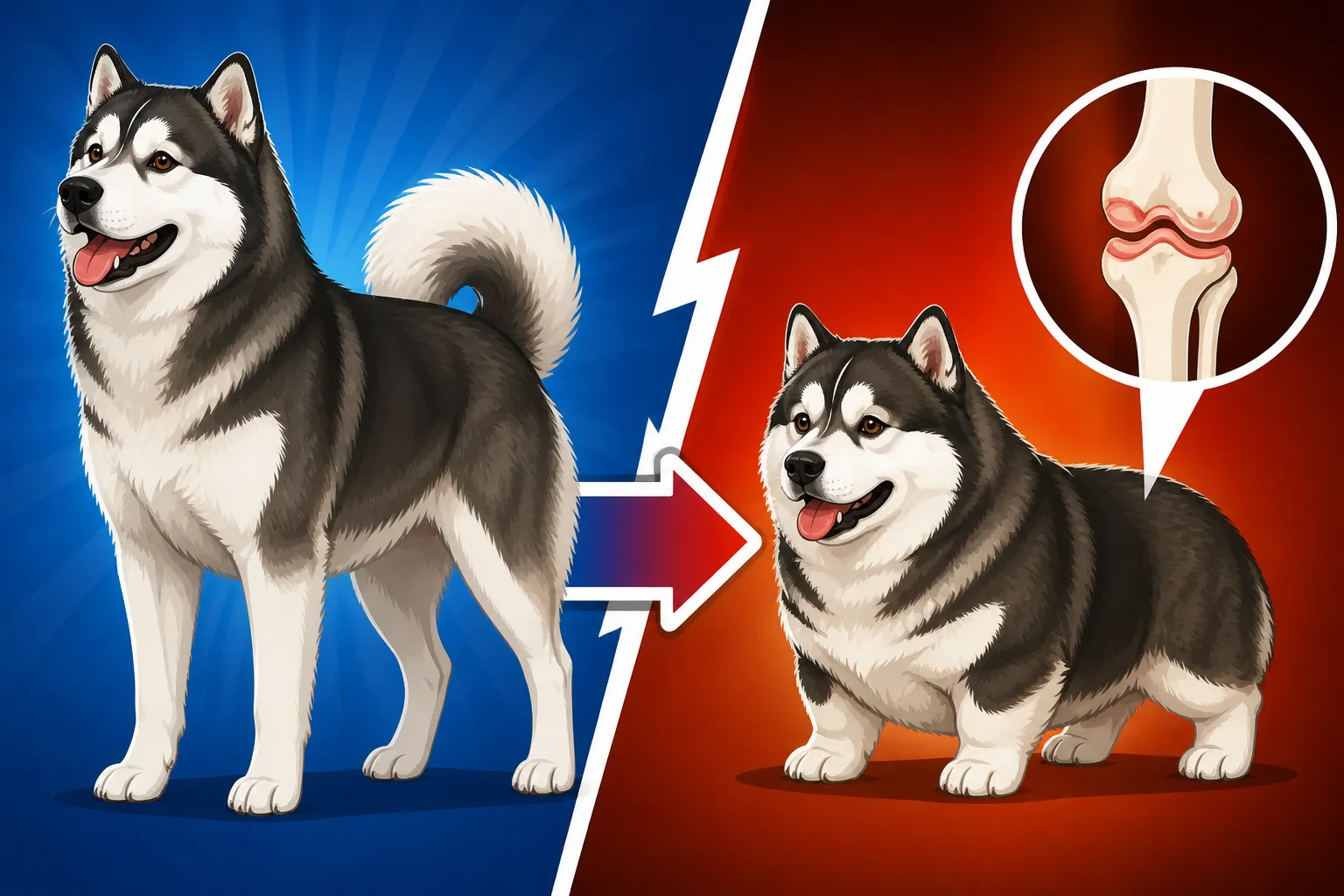
It's important to distinguish chondrodysplasia from other forms of dwarfism or simply having a smaller stature. Some breeds are naturally bred to be smaller, or runts of a litter might just be genetically predisposed to a smaller size without any underlying health issues. Chondrodysplasia, however, is a disproportionate dwarfism. This means that while an affected Malamute's body might be close to a normal size, their limbs, particularly the long bones in their legs, are significantly shorter and thicker than they should be. Their heads might appear proportionally larger in contrast to their short legs, giving them a distinct appearance often described as "dwarfed."
Another key difference is the health implications. Simple dwarfism, or being a naturally smaller dog, typically doesn't come with the same array of skeletal and systemic health challenges that chondrodysplasia does. For instance, a dog with chondrodysplasia might experience early-onset arthritis, joint pain, or spinal issues due to the abnormal bone development, which wouldn't typically be a concern for a naturally small but otherwise healthy dog. Understanding these distinctions is vital for both diagnosis and for managing expectations about the dog's long-term health. Knowing the exact genetic cause, as discussed in How Common Chondrodysplasia Is in Alaskan Malamutes, helps clarify the specific challenges unique to this breed.
The Visible Impact of Chondrodysplasia
For any Alaskan Malamute owner, the physical changes brought on by chondrodysplasia are often the first, most striking indicators that something isn't quite right. These aren't just cosmetic differences; they profoundly affect how a dog moves, interacts with its environment, and experiences its daily life.
Characteristic Physical Deformities
The most hallmark signs of chondrodysplasia in Alaskan Malamutes are observed in their limbs. Affected dogs will have noticeably short and thick long bones in their legs. You'll often see bowed front legs, where the lower part of the leg curves outwards, and their feet might appear splayed or flattened. This is a direct result of the irregular bone growth and the stress placed on improperly formed joints. Their gait might also look stiff or stilted as they compensate for these structural limitations. Sometimes, their rib cages might appear flatter, and their spines can develop curvatures.
Think of it like this: a typical Malamute is built for strength and endurance, with powerful, well-angulated legs designed for pulling heavy loads over long distances. A chondrodysplastic Malamute, however, has legs that simply weren't built with the same robust architecture. This means their ability to perform natural movements is hindered. Their growth plates, the areas of growing tissue at the ends of the long bones, close prematurely or develop abnormally, leading to these distinct deformities. Owners often notice this as early as a few weeks old, raising the question, Whether a Dwarf Malamute Puppy Looks Normal at Birth.
Impact on Mobility and Gait
The physical deformities directly translate into compromised mobility. A chondrodysplastic Malamute will often exhibit an unusual gait, sometimes described as a "rolling" or "waddling" walk. This is because their shortened, bowed legs make it difficult to move smoothly and efficiently. They might struggle with tasks that come easily to a healthy Malamute, such as jumping into a car, climbing stairs, or even getting comfortable on certain types of flooring. Their range of motion in their joints can be significantly limited, leading to stiffness, especially after rest.
This reduced mobility isn't just an inconvenience; it can be a source of chronic pain and discomfort. The abnormal joint angles and increased stress on their cartilage and ligaments can lead to early-onset arthritis (osteoarthritis) and degenerative joint disease. Imagine trying to walk all day with perpetually bent knees – that's a bit what it's like for these dogs. This makes regular, low-impact exercise crucial, but owners must be incredibly mindful not to overdo it. Observing The Week a Dwarf Malamute's Legs Fall Behind can be an early indicator for concerned puppy owners.
Growth Plate Anomalies
The root cause of many of the visible symptoms of chondrodysplasia lies in abnormal growth plate development. Growth plates, or physes, are areas of cartilage at the ends of long bones in young, growing animals. They are responsible for the longitudinal growth of bones. In Malamutes with chondrodysplasia, these growth plates do not function correctly. They can close prematurely, or the cartilage within them can develop abnormally, leading to the characteristic shortening and bowing of the limbs.
This irregular development isn't uniform, often affecting the ulna and radius (bones in the foreleg) more significantly than other bones. This can lead to a condition called asynchronous growth, where one bone grows faster than another in the same limb, causing bowing and twisting of the limb as the faster-growing bone literally pulls on the slower one. This is why you often see the distinctive bowed front legs, as discussed in Whether a Dwarf Malamute Has Bowed Front Legs. The skeletal structure is fundamentally compromised, creating a foundation for future orthopedic problems and persistent discomfort throughout the dog's life.
Beyond the Bones: Other Health Concerns
While chondrodysplasia is primarily a skeletal disorder, its effects can ripple through an Alaskan Malamute's entire system, leading to a host of other health challenges that extend beyond just bones and joints. This is where holistic care becomes incredibly important for owners.
Associated Health Challenges Beyond Skeletal Issues
Living with a compromised skeletal structure places unique demands on a Malamute's body, which can manifest in various ways. One significant concern is the potential for spinal problems. The unusual posture and gait can put undue stress on their vertebral column, increasing the risk of intervertebral disc disease (IVDD) or other spinal pathologies. Imagine the constant strain on your back if your legs weren't the right length for your torso; it's a similar principle.
Beyond the spine, affected Malamutes may experience issues with muscle development. Because their movement is restricted or awkward, they might not develop muscle mass as evenly or strongly as a healthy Malamute. This can exacerbate joint instability and pain. Owners also need to be vigilant about secondary skin issues, especially in areas where joints might rub or pressure points develop due to abnormal conformation. Some studies have suggested a link between certain forms of dwarfism and metabolic issues, though research specific to Malamute chondrodysplasia is ongoing. Furthermore, owners often wonder, How Much Zinc a Chondrodysplastic Malamute Absorbs, as zinc absorption issues can sometimes be related to genetic conditions in the breed, tying into broader health concerns like Zinc Is the Thread Running Through Three Malamute Diseases. This connection suggests a need for careful nutritional management.
Quality of Life and Lifespan Considerations
The cumulative effect of these skeletal and secondary health issues inevitably raises questions about the quality of life and potential lifespan for a Malamute with chondrodysplasia. While many affected dogs can live fulfilling lives with proper management, it's unrealistic to expect them to have the same physical capabilities or be entirely free from discomfort as a healthy Malamute. Chronic pain, even if mild, can impact their mood, willingness to play, and overall happiness. Owners must be prepared for potential veterinary expenses associated with pain management, physical therapy, and addressing secondary complications. Pet insurance providers like Healthy Paws can be invaluable in helping to manage these costs, offering some peace of mind for unexpected or ongoing treatments.
The average lifespan for an Alaskan Malamute is typically 10-14 years, and while chondrodysplasia itself isn't usually fatal, the associated complications, particularly severe arthritis or spinal issues, can significantly impact a dog's longevity and comfort in their senior years. Proactive pain management, weight control, and mobility support can make a huge difference. The goal is always to maximize their comfort and enjoyment of life, even if it means acknowledging certain limitations. It leads to the frequent question, Whether a Dwarf Malamute Lives a Normal Span, which depends heavily on the care and interventions provided.
Diagnosis and Early Detection of Chondrodysplasia
Early intervention is key when dealing with conditions like chondrodysplasia. Knowing what to look for and when to seek veterinary advice can significantly impact a Malamute's long-term well-being and management.
Recognizing Signs in Puppies
The signs of chondrodysplasia can often become noticeable relatively early in an Alaskan Malamute puppy's life. While a newborn puppy with the condition might not immediately stand out, by the time they are a few weeks old, typically around 4 to 8 weeks, differences in limb length and conformation often become apparent. This is precisely the period when The Age Malamute Dwarfism Becomes Visible. Owners might observe that the puppy's legs appear shorter and stockier compared to its littermates. Their gait might seem awkward or clumsy, and they may struggle to keep up during play or appear less coordinated. The bowing of the front legs may also begin to develop during this time, creating a distinctive profile.
Beyond physical appearance, pay attention to their behavior. A chondrodysplastic puppy might show reluctance to run or jump, or exhibit signs of discomfort after prolonged activity. They might prefer to lie down more often or cry when handled in certain ways. While puppies are naturally playful, persistent clumsiness or a notable difference in activity levels compared to their siblings should raise a red flag. Early observation and communication with your veterinarian are crucial.
Diagnostic Testing and Confirmation
If you suspect your Malamute puppy has chondrodysplasia, a thorough veterinary examination is the first step. The vet will perform a physical assessment, looking for the characteristic short, bowed limbs, and assessing their gait and range of motion. Radiographs (X-rays) are the primary diagnostic tool to confirm skeletal abnormalities. These images will clearly show the shortened and thickened long bones, the abnormal growth plates, and any associated joint deformities. A veterinarian can often make a presumptive diagnosis based on these findings.
However, the definitive diagnosis often comes from genetic testing. Since chondrodysplasia in Alaskan Malamutes is caused by a specific gene mutation, a DNA test can accurately identify affected individuals, carriers, and clear dogs. This test is typically performed using a cheek swab or blood sample and can be done at any age. Genetic testing is invaluable not only for confirming the diagnosis in an affected puppy but also for screening potential breeding dogs to prevent further transmission of the condition, a vital step that can be confirmed by asking Whether Malamute Dwarfism Has a DNA Test. This empowers breeders to make informed decisions and helps owners understand the precise nature of their dog's condition, allowing for targeted care.
Living with Chondrodysplasia: Care and Management
While a diagnosis of chondrodysplasia can feel daunting, it doesn't mean a life devoid of joy for your Alaskan Malamute. With thoughtful and proactive care, many affected dogs can lead comfortable and happy lives. The key is understanding their limitations and providing tailored support.
Supportive Care and Management Strategies
Managing chondrodysplasia is largely about supportive care aimed at minimizing pain, preserving mobility, and maintaining a good quality of life. This often involves a multi-faceted approach. Pain management is paramount and can include prescription anti-inflammatory medications (NSAIDs), joint supplements like glucosamine and chondroitin, and even alternative therapies such as acupuncture or cold laser therapy. Your veterinarian will help devise the best pain management plan tailored to your dog's specific needs.
Weight management is also critical. Every extra pound places additional stress on compromised joints, so keeping your Malamute at a lean, healthy weight is essential. This might mean careful dietary control and consistent, low-impact exercise. Furthermore, creating a dog-friendly home environment can make a huge difference. Ramps can help them access furniture or vehicles, non-slip rugs can prevent falls on slick floors, and raised food and water bowls can reduce neck strain. These small adjustments can significantly improve their daily comfort and independence, helping to support their overall health, a critical factor often covered by pet insurance like Healthy Paws.
Exercise and Activity Modifications
Exercise is vital for any Malamute, but for one with chondrodysplasia, it needs to be carefully managed. The goal is to maintain muscle mass and joint flexibility without causing undue stress or exacerbating pain. High-impact activities like vigorous running, jumping, or intense fetching games should be avoided. Instead, focus on controlled, low-impact exercises.
Daily leash walks on soft surfaces, such as grass or dirt trails, are ideal. Swimming can be an excellent non-weight-bearing exercise that helps build muscle and improve range of motion without straining joints. Physical therapy and hydrotherapy (under the guidance of a certified canine rehabilitation therapist) can also be incredibly beneficial. These professionals can teach you specific exercises and stretches to help your Malamute maintain strength and flexibility. Remember, consistency is more important than intensity. It’s about gentle movement every day, not pushing them to their limits, ensuring their activity aligns with How Short a Dwarf Malamute's Legs Stay.
Nutritional Support
Nutrition plays a crucial role in managing the health of any Malamute, and it's particularly important for those with chondrodysplasia. As mentioned earlier, maintaining an ideal body weight is paramount to reduce stress on their joints. Your veterinarian can help you determine the appropriate caloric intake and recommend a high-quality dog food formulated for optimal joint health. Many premium foods now include ingredients like glucosamine, chondroitin, and omega-3 fatty acids, which can support cartilage health and reduce inflammation.
Beyond commercial diets, specific supplements can be beneficial. Fish oil (rich in EPA and DHA) is a powerful anti-inflammatory and can aid joint lubrication. Collagen supplements are also gaining recognition for their role in connective tissue health. However, always consult with your veterinarian before adding any supplements to your dog's diet to ensure they are appropriate and correctly dosed. Proper nutrition can help mitigate some of the secondary effects of chondrodysplasia, ensuring your Malamute gets the best possible support from the inside out.
Breeding and Prevention: Looking to the Future
For responsible Alaskan Malamute breeders and prospective owners, understanding the genetic basis of chondrodysplasia is not just about managing an existing condition, but actively working towards its eradication from the breed. Prevention through informed breeding practices is the ultimate goal.
The Role of Genetic Testing in Breeding
Given that chondrodysplasia is an inherited recessive disorder, genetic testing plays an absolutely critical role in preventing its spread. Reputable breeders should routinely test all their breeding stock for the specific gene mutation responsible for the condition. This test allows them to identify three categories of dogs:
- Clear: Dogs that do not carry the gene and cannot pass it on.
- Carrier: Dogs that carry one copy of the gene but do not show symptoms. They can pass the gene to 50% of their offspring.
- Affected: Dogs that have two copies of the gene and will develop chondrodysplasia.
By testing, breeders can make informed decisions. The ideal scenario is to breed only clear dogs. However, to maintain genetic diversity within the breed, it's sometimes necessary to use carriers in a breeding program. When this happens, a carrier dog should only be bred to a clear dog. This ensures that no affected puppies are produced, though approximately 50% of the litter will still be carriers. This systematic approach dramatically reduces the incidence of the disease over time. Without genetic testing, breeders are essentially flying blind, risking the heartbreak of producing affected puppies and perpetuating the gene in the breed. This practice is strongly recommended, and owners should always ask to see proof of testing, especially for conditions like Zinc Responsive Dermatosis in an Alaskan Malamute, which also has a genetic component.
Ethical Breeding Practices
Ethical breeding goes hand-in-hand with genetic testing. For Alaskan Malamute breeders, it means committing to producing healthy, sound puppies with good temperaments. This includes not only testing for chondrodysplasia but also for other known genetic conditions within the breed, such as inherited polyneuropathy and day blindness. Prospective puppy buyers have a responsibility here too: always seek out breeders who are transparent about their health testing protocols and are willing to share genetic test results for both parents. A reputable breeder will also be knowledgeable about the condition, understand Whether Malamute Chondrodysplasia Is Recessive, and openly discuss the health history of their lines.
The ethical choice is to never breed two carriers together, as this carries a 25% chance of producing affected puppies with each litter. While the prospect of a "mini" Malamute might appeal to some, responsible breeders understand that deliberately breeding for or selling chondrodysplastic dogs as miniature versions is unethical due to the associated health problems. The goal should always be to improve the breed's health, not to capitalize on a genetic defect. Organizations like the Alaskan Malamute Club of America often provide resources and guidelines for responsible breeding, helping to guide breeders towards practices that prioritize the welfare of the dogs and the future health of the breed. This is essential for ensuring the long-term vitality of these magnificent animals. For instance, understanding Whether a Carrier Malamute Can Be Bred responsibly is a key aspect of ethical considerations.
Comparison of Normal vs. Chondrodysplastic Malamute Growth
To illustrate the differences clearly, let's look at a comparison of typical growth patterns versus those seen in a chondrodysplastic Alaskan Malamute puppy. This table highlights key areas where deviations often become noticeable.
| Feature / Age | Normal Alaskan Malamute Puppy (Typical) | Chondrodysplastic Alaskan Malamute Puppy (Typical) |
|---|---|---|
| Leg Length | Proportionate to body, steadily elongating with age. | Noticeably shorter, stockier, and often bowed; appears disproportionate to body. |
| Gait | Smooth, coordinated, powerful, increasing agility. | Awkward, stilted, waddling, clumsy; struggles with fluid movement. |
| Bone Density/Thickness | Strong, well-defined long bones, appropriate thickness. | Bones appear thicker and denser but are shorter due to abnormal growth. |
| Growth Rate | Consistent growth in height and length, reaching standard size by 18-24 months. | Slower longitudinal growth, especially in limbs; puppy appears "short-legged" early on. |
| Joint Appearance | Joints appear well-formed, stable. | Joints may appear enlarged or irregular due to abnormal cartilage and bone. |
| Overall Energy | High energy, eager for play and exploration. | May show reduced stamina, preference for resting, reluctance for strenuous play. |
This table provides a snapshot of the visible differences that can help owners, and even breeders, identify potential issues early on. The goal is not to alarm, but to empower with knowledge.
Disclaimer
The information provided in this guide is for educational purposes only and should not be considered a substitute for professional veterinary advice. Always consult with a qualified veterinarian for any health concerns or before making any decisions about your Alaskan Malamute's care, diet, or treatment.