Whether a Malamute Gains Weight Easily
It's a common trap many new Alaskan Malamute owners fall into: assuming that because these magnificent dogs are large and powerful, they must need mountains of food to maintain their impressive physique. But here's the truth that often catches people off guard: Alaskan Malamutes can, and often do, gain weight far too easily. This guide is going to dive deep into why your Malamute seems to pack on the pounds at the slightest provocation and, more importantly, how you can keep them at a healthy weight to ensure a long, active life.
The Malamute's Efficient, Ancient Metabolism
When you look at an Alaskan Malamute, you see strength, endurance, and a dog built for arduous work in harsh environments. What you might not immediately realize is that this incredible capability comes bundled with a metabolism honed over centuries to be exceptionally efficient. This efficiency, while a blessing in the wild, can become a significant challenge in a modern home environment.
Built for Scarcity, Not Abundance
Imagine their ancestors, the dogs of the Mahlemut people in the Arctic. These dogs weren't living in a world of endless kibble bowls and treat jars. Their lives involved immense physical exertion – pulling heavy sleds, traversing vast distances, and surviving through lean periods when food was scarce. Their bodies adapted to make the absolute most of every calorie consumed. Every scrap of protein, every bit of fat, was meticulously utilized and stored, ready for the next demanding journey or famine. This meant that a Malamute could perform incredible feats on what might seem to us today as a surprisingly modest amount of food.
This deep-seated genetic programming hasn't disappeared just because your Malamute now lives on your sofa rather than pulling a sled across the tundra. Their metabolism still operates on that "scarcity mindset." They are incredibly good at converting calories into energy and, when there's an excess, into stored fat. It’s an evolutionary marvel that becomes a weight-management puzzle for us, their human companions. This is a critical point that many owners don't grasp until they see the numbers on the scale creeping up.
The Double-Edged Sword of Calorie Efficiency
Their calorie-efficient metabolism is truly a double-edged sword. On one hand, it means your Malamute doesn't necessarily need the vast quantities of food you might expect for a dog of their size. This can actually make feeding them more economical than some other giant breeds. On the other hand, it means that even a small amount of extra food, a few too many treats, or a slight reduction in exercise can quickly tip the scales towards weight gain.
Think of it like this: if a different large breed might burn off an extra cookie without much effort, your Malamute's body is likely to hold onto those calories with a tenacious grip, tucking them away as fat reserves. This makes precise portion control and careful monitoring of their intake absolutely paramount. It's why a casual "extra scoop" of kibble or a daily habit of sharing human food can have such a profound and rapid impact on their waistline. You might find yourself scratching your head wondering Why an Alaskan Malamute Eats Less Than Expected yet still manages to gain weight.
Recognizing the Subtle Signs of Weight Gain
One of the biggest hurdles in managing an Alaskan Malamute's weight is their magnificent double coat. That thick, luxurious fur that makes them so stunning and keeps them warm in the harshest winters also acts as a very effective camouflage for creeping weight gain. You might look at your Malamute and think they look perfectly healthy, only to be shocked when your vet points out they're actually carrying several extra pounds.
Beyond the Visual: Hands-On Assessment
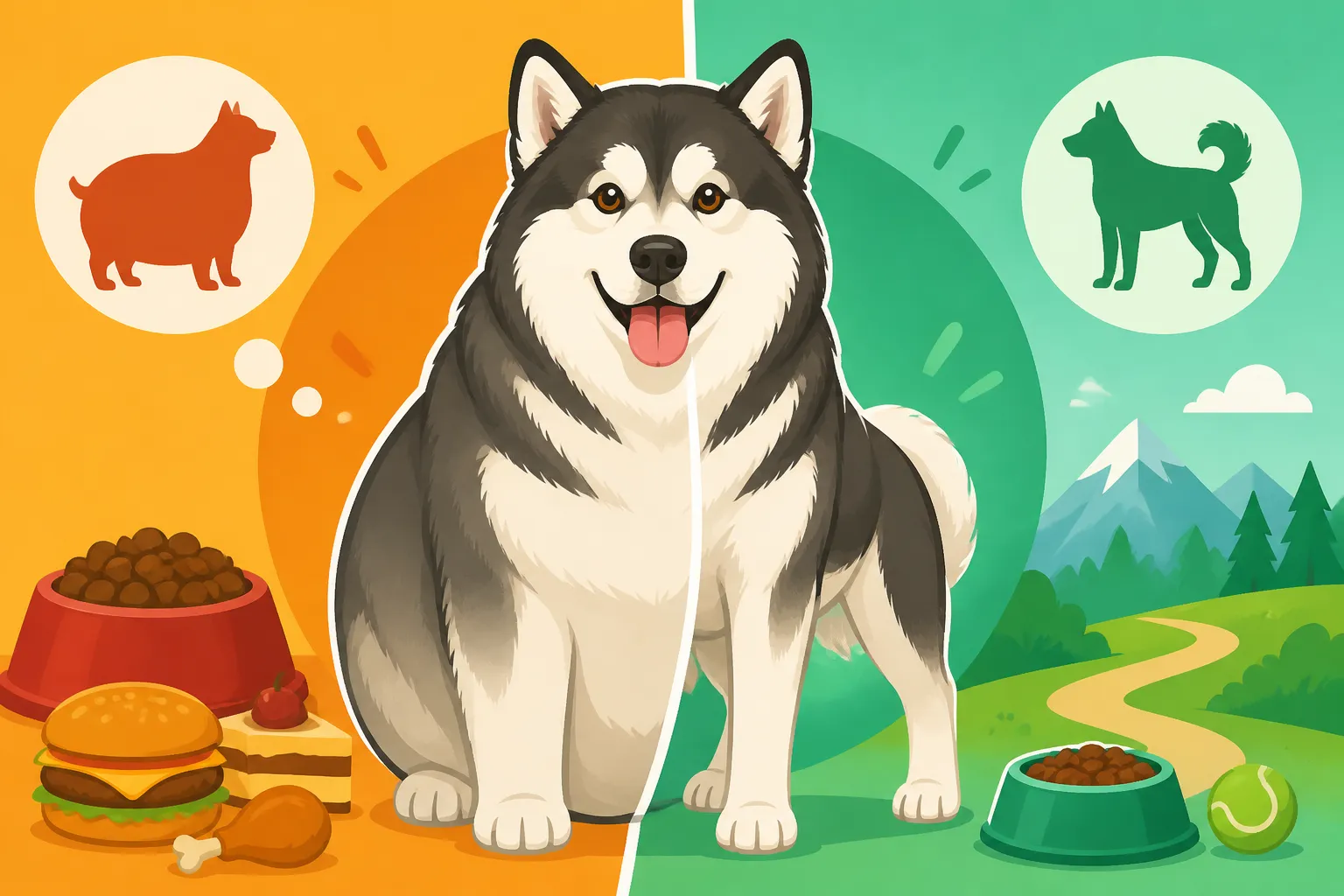
Because their coat hides so much, relying solely on visual cues can be misleading. You absolutely have to get hands-on with your Malamute to assess their body condition accurately. The key is to feel for their ribs. You should be able to easily feel your Malamute's ribs with slight pressure, almost like feeling the back of your hand, without seeing them prominently. If you have to press hard to feel them, or you can't feel them at all, your Malamute is likely overweight. Conversely, if you can see their ribs easily, they might be too thin.
Another crucial area to check is their waistline. Stand above your Malamute and look down. You should see a distinct "tuck" or narrowing behind their ribs, before their hips. If their body forms a straight line from ribs to hips, or bulges out, they're likely overweight. Similarly, look at them from the side; their abdomen should tuck up slightly, not hang low. Many owners find it helpful to compare their Malamute against a body condition score chart, which vets often use, to get a more objective assessment. This tactile examination is far more reliable than just looking at their fluffy exterior. Understanding How to Spot a Heavy Malamute Under Its Coat is a fundamental skill for any Malamute owner.
Behavioral Clues and Activity Changes
Beyond the physical examination, subtle shifts in your Malamute's behavior can also signal weight gain. Are they less enthusiastic about their daily walks? Do they tire more quickly than they used to? Perhaps they're struggling to jump into the car or onto the sofa with the same ease. These small changes can be early indicators that those extra pounds are starting to impact their mobility and energy levels.
An overweight Malamute might also seem generally less playful, spending more time lounging around. They might pant more heavily after minimal exertion, or seek cooler spots more frequently, as carrying extra insulation (fat) makes them overheat faster, especially with their already dense coat. If you notice these changes, coupled with difficulty feeling their ribs or seeing their waistline, it's definitely time to reassess their diet and exercise routine. Early intervention is key to preventing more serious health issues down the line.
Strategies for Healthy Weight Management
Keeping an Alaskan Malamute at a healthy weight requires a thoughtful, consistent approach. It’s not about crash diets or extreme measures, but rather a sustainable lifestyle that respects their unique physiology and inherent needs.
Portion Control and Food Choices
This is perhaps the single most impactful area for managing your Malamute's weight. Given their efficient metabolism, even small excesses can accumulate. You need to be incredibly precise. Don't just eyeball it; use a measuring cup for every single meal. Start with the feeding guidelines on your dog food bag, but remember these are often generic and may need adjustment for a Malamute's specific needs and activity level. Many Malamutes thrive on less than the recommended amount for their size. If your vet advises it, you might even consider a "light" or "weight management" formula.
When it comes to food choices, focus on high-quality kibble that provides balanced nutrition without excessive fillers. Brands available through retailers like Chewy or Amazon often carry a wide range of options, making it easier to compare ingredients and choose a formula that's right for your dog. Some owners even explore fresh food options, like those offered by Ollie, consulting with the providers to ensure it's specifically balanced for a large breed with potential zinc absorption considerations. Be mindful of calorie density; some "performance" foods, while great for working dogs, can be too rich for a pet Malamute. Don't forget treats! They are calorie bombs. Opt for low-calorie training treats or even small pieces of plain cooked chicken or carrots. Remember to factor any treats into their daily caloric intake. Getting How Much an Adult Alaskan Malamute Should Eat exactly right is a process of observation and adjustment.
The Importance of Consistent, Appropriate Exercise
While diet is paramount, exercise is the other half of the weight management equation. Alaskan Malamutes were bred for endurance and need consistent physical activity to stay healthy and happy. This doesn't necessarily mean they need to run marathons daily, but they do require regular, sustained exercise that works their large muscles and burns calories. A simple walk around the block once a day is rarely enough for a Malamute.
Aim for at least one to two hours of moderate to vigorous activity daily. This could include long, brisk walks, hiking, swimming (if your Malamute enjoys it), or engaging in dog sports like Weight Pull and Sledding Cost a Malamute Owner. Even if your Malamute isn't a competitive working dog, regular pulling activities, like carting or even just pulling you on a scooter (canicross), can provide excellent mental and physical stimulation. Just be mindful of the weather; Malamutes are prone to overheating in warm climates, so early morning or late evening exercise is often necessary during hotter months. Consistent activity not only helps burn calories but also builds muscle, which further aids in metabolism. Learn more about How Much Exercise an Alaskan Malamute Needs to tailor a plan that works.
Monitoring and Adjusting
Weight management for a Malamute is rarely a one-and-done solution. It's an ongoing process of monitoring and adjustment. Regularly weigh your Malamute if possible, or at least perform the hands-on rib and waistline check weekly. Keep a journal of their food intake, treats, and activity levels. This helps you identify patterns and make informed decisions.
Your veterinarian is your best partner in this journey. During routine check-ups, discuss your Malamute's weight and body condition with them. They can offer objective assessments, recommend specific dietary adjustments, and rule out any underlying medical conditions that might contribute to weight gain, such as hypothyroidism. They can also provide guidance on safe exercise levels, especially as your Malamute ages. Don't hesitate to seek professional advice; it’s an investment in your dog's long-term health and can save you money on potential health issues later. The proactive approach pays dividends over The Ten to Fourteen Years an Alaskan Malamute Lives.
Common Pitfalls and How to Avoid Them
Even with the best intentions, owners can inadvertently contribute to their Malamute's weight gain. Understanding these common traps is the first step to avoiding them.
Treats, Table Scraps, and Sneaky Calories
This is perhaps the biggest culprit in Malamute weight gain. We love our dogs, and showing affection through food is deeply ingrained in human nature. However, those seemingly small treats, often given without thought, add up dramatically. A single dog biscuit can have as many calories as a small meal for a human. Table scraps are even worse, often being high in fat, sugar, and ingredients that aren't good for dogs. Just a few bites of your dinner, consistently given, can easily push your Malamute over their daily caloric needs.
To combat this, develop a strict "no table scraps" rule for everyone in the household. When it comes to treats, choose low-calorie options specifically designed for dogs, or use healthy alternatives like carrot sticks, apple slices (without seeds), or green beans. Factor every single treat into your Malamute's daily calorie budget, perhaps by slightly reducing their main meal portion. If you're using treats for training, break them into tiny pieces – your Malamute often cares more about the frequency of the reward than its size. Consistency across all household members is vital, or your Malamute will quickly learn who the "easy touch" is for extra snacks.
Misconceptions About "Working Dog" Needs
Many new Malamute owners are rightfully impressed by the breed's history as powerful working dogs, pulling heavy freight across vast distances. This often leads to the assumption that their pet Malamute must need a diet fit for a sled dog. The reality is that most pet Malamutes, even those who get good exercise, are not performing the sustained, extreme physical work of their ancestors or contemporary working teams.
Feeding a pet Malamute a high-calorie "performance" dog food, or giving them significantly larger portions than needed, based on a romanticized idea of their working heritage, is a fast track to obesity. While some Malamutes do participate in weight pull, sledding, or other demanding activities, the vast majority live a much more sedentary life by comparison. It's crucial to Keeping an Alaskan Malamute at a Working Weight that is appropriate for their actual activity level, not a hypothetical one. Consult with your veterinarian to determine the appropriate caloric intake for your Malamute based on their age, activity level, and current body condition. Don't fall into the trap of overfeeding out of respect for their heritage; true respect means keeping them lean and healthy.
| Body Condition Score | Appearance (Visual) | Palpation (Feel) | Recommendation |
|---|---|---|---|
| 1: Emaciated | Ribs, lumbar vertebrae, pelvic bones easily visible. | No discernible fat. Obvious muscle loss. | Urgent Vet Visit & Nutrition Plan |
| 2: Thin | Ribs easily visible. Lumbar vertebrae evident. | No palpable fat. Minimal muscle mass. | Increase Food Slightly, Monitor |
| 3: Ideal | Ribs palpable without excess fat. Defined waist. | Ribs easily felt. Abdominal tuck apparent. | Maintain Current Diet/Exercise |
| 4: Overweight | Ribs palpable with difficulty. Waist indiscernible. | Slight fat cover over ribs. Abdomen less tucked. | Reduce Food 10-15%, Increase Exercise |
| 5: Obese | Ribs not palpable. Obvious fat deposits. | Heavy fat cover. No waist or abdominal tuck. | Significant Diet & Exercise Changes, Vet Review |
Disclaimer
This article is for general informational purposes only and does not constitute professional advice. Laws, prices and regulations vary by location and change over time. Consult a qualified professional for guidance on your specific situation.