How to Spot a Heavy Malamute Under Its Coat
One of the trickiest parts of being an Alaskan Malamute parent is figuring out if your big, fluffy companion is carrying a few too many pounds. Their magnificent, dense double coats are designed to withstand Arctic blizzards, but they also do an incredible job of camouflaging any creeping weight gain, leaving many of us scratching our heads and wondering if that extra roundness is just fluff or something more. This guide is all about cutting through the fluff, quite literally, to give you practical, hands-on ways to assess your Malamute's body condition and ensure they stay healthy and happy for years to come.
The Deceptive Fluff: Why Malamute Weight is a Hidden Challenge
It’s a common frustration, isn't it? You look at your Malamute, all majestic and woolly, and you just can't tell if they’re getting a bit chunky or if they just had a good brushing. This isn't just you being overly critical; it’s a genuine challenge unique to breeds with such impressive coats.
The Double Coat's Camouflage Effect
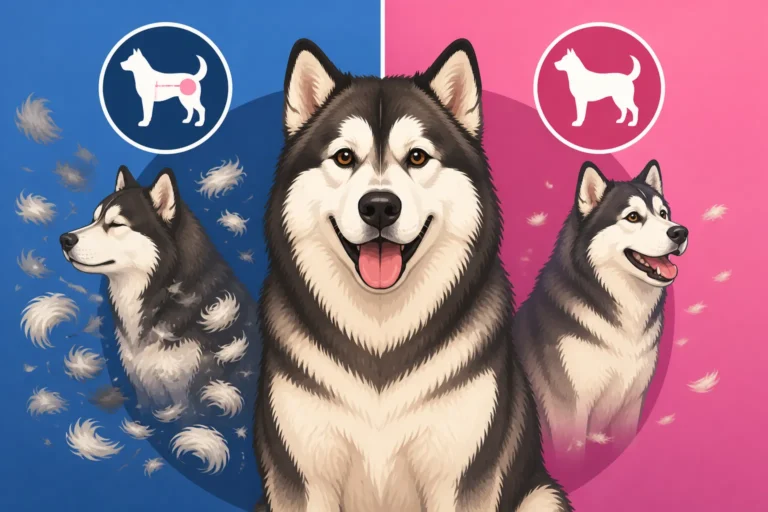
Malamutes are blessed with one of the most incredible coats in the canine kingdom. They have a coarse, protective outer coat of guard hairs that sheds snow and ice, and underneath that, a super thick, soft, woolly undercoat that provides insulation like no other. It’s this dense undercoat, especially when they’re in full winter splendor or going through a The Malamute Coat Blow That Fills a Vacuum in an Afternoon, that acts as the ultimate optical illusion. It rounds out their physique, making it nearly impossible to see the contours of their body underneath. You might think they look perfectly robust and healthy, when in reality, they could be carrying a significant amount of excess weight hidden beneath layers of fur. This inherent characteristic, while vital for their original purpose, creates a real dilemma for modern pet owners trying to manage their health.
This visual challenge often leads to owners underestimating their dog's weight. We rely so much on what we see with our eyes, and when those visual cues are obscured, it's easy to dismiss a slightly wider profile as simply "more fur." This is particularly true when a Malamute isn't overtly obese but has just added a few pounds over time. Those subtle changes are swallowed up by the coat, and before you know it, a little extra fluff has become a health concern without you even realizing it. It’s a classic case of what you don't see can hurt them.
Why Visual Cues Aren't Enough
For most dog breeds, a quick visual check can tell you a lot. You might look for a tucked-up waist, visible ribs, or a defined hourglass shape from above. With a Malamute, these traditional visual markers are largely useless. Try to look for a tucked abdomen on a Malamute in full coat, and you’re likely to just see an unbroken line of fluff from chest to tail. Their natural body shape is already powerful and broad, designed for strength and endurance, not sleekness. This means that if you can see your Malamute’s ribs through their coat without touching them, they're probably underweight, which is another concern entirely.
The very structure of a Malamute, built for heavy freighting, means they have a deep chest and a robust frame. This can be deceptive. A healthy Malamute will still have a somewhat blocky appearance due to their bone structure and muscle, even at a perfect weight. An owner accustomed to leaner breeds might misinterpret this natural robustness as being slightly overweight, while a new Malamute owner might assume any amount of bulk is normal. It's a fine line to walk, and relying solely on what your eyes tell you will almost certainly lead to misjudgment. That's why we need to go beyond just looking.
The Dangers of Undetected Weight Gain
Allowing a Malamute to carry extra weight, even if it's just a few pounds, isn't benign. Just like in humans, obesity in dogs can lead to a cascade of health issues. These aren't just cosmetic problems; they significantly impact your Malamute's quality of life and longevity. Increased strain on their joints, especially predisposed breeds like Malamutes, can exacerbate conditions such as Hip Dysplasia in an Alaskan Malamute or arthritis as they age. Every extra pound means more stress on their hips and elbows, accelerating wear and tear.
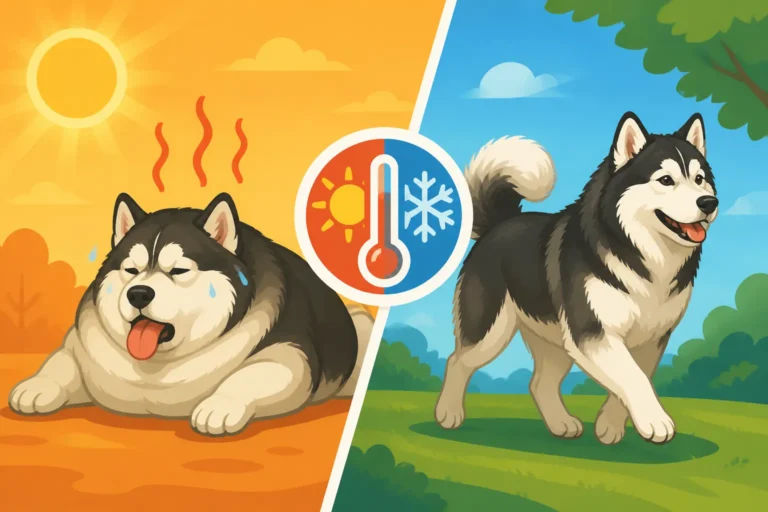
Beyond joint issues, an overweight Malamute is at a higher risk for a whole host of other problems. They are more prone to developing diabetes, heart disease, and respiratory issues. Their famous thick coat, combined with excess body fat, can also make them incredibly susceptible to overheating, which is a serious and potentially fatal concern for this cold-weather breed. Whether an Overweight Malamute Overheats Faster is a question with a clear answer: absolutely. Even their immune system can be compromised, and their overall energy levels will drop, making them less enthusiastic about the activities they were bred to do. It’s a vicious cycle where less activity leads to more weight gain, which then further reduces activity.
Hands-On Assessment: Feeling for Ribs Under an Alaskan Malamute's Coat
Since our eyes can deceive us, the most reliable method for assessing your Malamute’s body condition is by using your hands. This physical examination allows you to feel past the fluff and determine what’s truly going on underneath. It’s a technique that takes a little practice, but once you get the hang of it, it becomes an invaluable part of your routine care.
The "Rib Check" Method for Malamutes
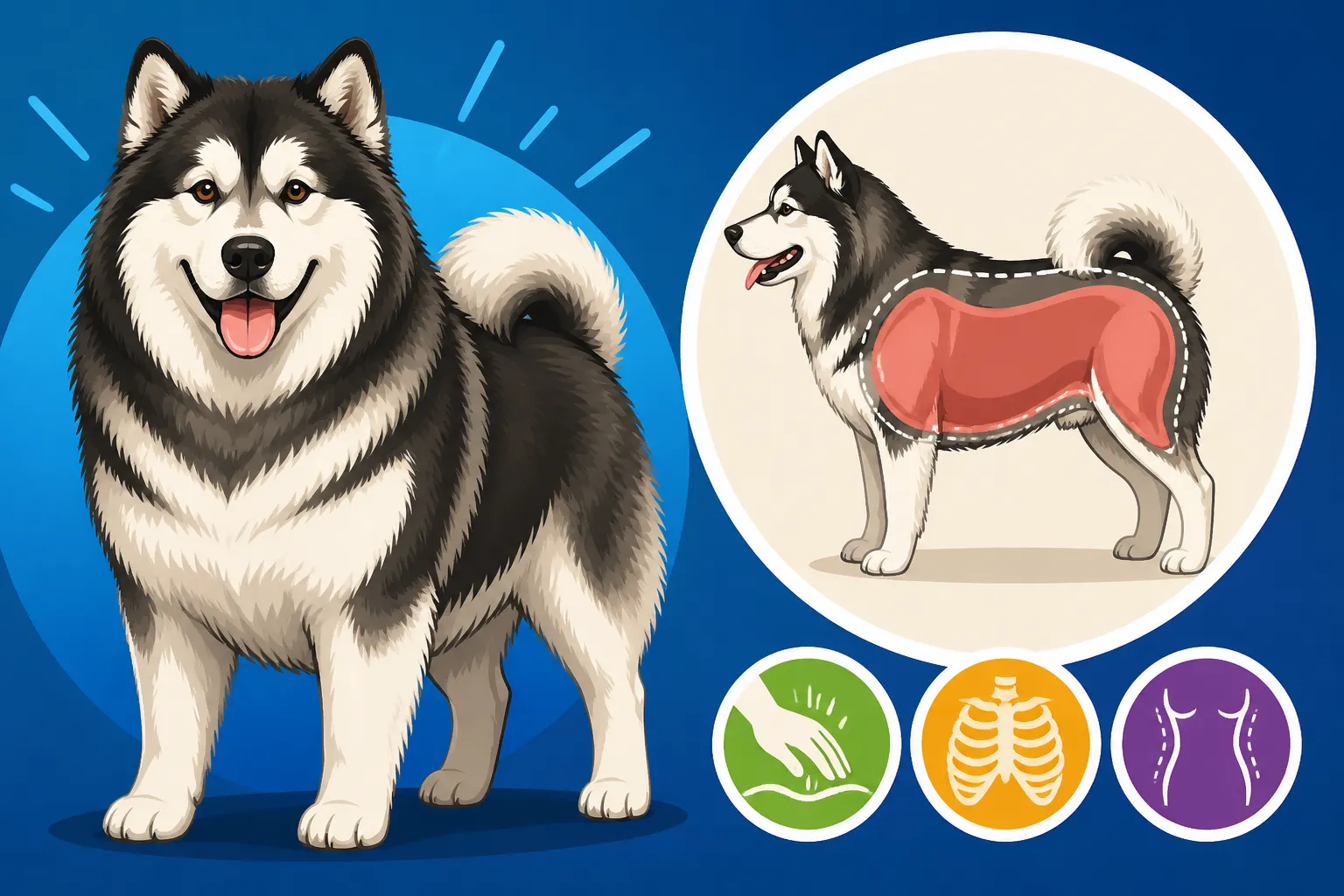
To properly perform a rib check, you need to get your hands right in there, beneath that luxurious fur. Start by placing both hands flat on your Malamute's side, directly behind their front legs. Your fingers should be pointing towards their spine. Gently but firmly run your hands along their rib cage, moving from front to back. Don't be shy; you need to apply enough pressure to feel through the layers of coat and muscle. You're looking to distinguish individual ribs, not just feel a solid, padded mass.
As you move your hands, try to count the ribs as they pass under your fingertips. For a Malamute, you should be able to feel each rib distinctly, almost like feeling the slats of a Venetian blind. They shouldn't be sharply protruding, which would indicate being too thin, but they also shouldn't be so deeply buried that you have to press hard to feel them. It's a tactile sensation that you'll learn over time. This technique is often referred to as Feeling for Ribs Under an Alaskan Malamute's Coat, and it's the gold standard for good reason. Once you're done with the ribs, move to the top of their spine, running your fingers along it. You should feel the individual bony protrusions of the vertebrae, again, not too prominent, not too hidden. Finally, slide your hands down to their waist area, just in front of their hips. While you might not see an obvious tuck, you should be able to feel a slight narrowing or indentation.
What You Should and Shouldn't Feel
In an ideal world, for a Malamute at a healthy weight, when you run your hands along their ribs, you should be able to feel them easily, much like feeling the knuckles on the back of your hand. There should be a thin layer of muscle and fat over them, but no thick padding. If you can feel the ribs but they feel sharp and distinct with no covering, your Malamute is likely too thin. If you have to press firmly to feel the ribs, or if you can't feel them at all, then your Malamute is carrying too much fat. The feeling should be subtle, not bony, but undeniably there.
When checking the spine, you should be able to feel the tops of the individual vertebrae, but they shouldn't feel like sharp points digging into your fingers. A healthy Malamute will have a good amount of muscle along their back, giving a smooth but defined contour. If the spine feels prominent and bumpy, they might be underweight. If it's completely obscured by fat and feels like a flat, padded surface, they are overweight. The waist, though not visibly tucked, should feel somewhat hourglass-shaped. You should feel a slight narrowing between the end of the rib cage and the hips. If this area feels wide and cylindrical, with no discernible tuck, that's another indicator of excess weight.
Practice Makes Perfect
This isn't a one-and-done kind of assessment. Just like any skill, it gets easier and more accurate with practice. Make it a regular part of your grooming or petting routine. The more often you feel your Malamute's ribs, spine, and waist, the more attuned you’ll become to what "normal" feels like for your specific dog. Every Malamute is an individual, and while the general guidelines apply, understanding your dog's unique musculature and frame will help you better interpret the results.
Over time, you’ll also notice subtle changes more quickly. Catching a slight weight gain early on is much easier to address than trying to shed many pounds later. If you’re ever unsure, don't hesitate to ask your veterinarian to demonstrate the proper technique during your Malamute’s regular check-ups. They can give you immediate feedback and confirm your assessment, which is especially helpful when you’re first learning. Regular monitoring helps in Keeping an Alaskan Malamute at a Working Weight throughout their lives.
Beyond the Touch Test: Other Indicators of a Heavy Malamute
While the hands-on rib check is paramount, your Malamute will also give you other clues if they're struggling with extra weight. These behavioral and physical changes might be subtle at first, but when combined with your tactile assessment, they paint a clearer picture of your dog's overall health.
Behavioral Changes
One of the first things you might notice in an overweight Malamute is a change in their energy levels and enthusiasm for activities they once loved. Are they less eager for their daily walks or less inclined to play? Do they seem to tire more quickly than they used to? A healthy Malamute, even an older one, typically has a good zest for life and enjoys being active. If your usually boisterous companion is now more of a couch potato, it's a red flag. This isn't just about laziness; it's often a sign that physical exertion is becoming more difficult or even uncomfortable for them.
You might also observe changes in their breathing. An overweight Malamute might pant excessively, even after minimal exercise, or seem winded more easily. This is particularly noticeable in warmer weather, as carrying extra insulation and fat makes it harder for them to regulate their body temperature. They might also sleep more soundly or be slower to respond to calls, indicating a general reduction in their overall vigor. Observing these subtle shifts in their daily routine can provide valuable insight, especially if you have a Caring for an Old Alaskan Malamute who might already be slowing down naturally.
Activity Levels and Endurance
Malamutes were bred for endurance, to pull freight over long distances. A healthy Malamute should be capable of sustained activity, enjoying long hikes, pulls, or extended play sessions. If your Malamute, who once loved to go for miles, now lags behind after a shorter distance, that’s a strong indicator. They might show reluctance to jump into the car, climb stairs, or even get up from a lying position, not because they’re being stubborn, but because their joints are under increased strain from the extra weight.
Consider their willingness to engage in typical Malamute activities. Do they still get excited for a brisk walk, or are they more content to just wander around the yard and then plop down? If they're showing less interest in activities like hiking, The Alaskan Malamute in Skijoring, or even just a vigorous game of fetch, it's worth investigating. Their natural instincts to move and work can be dampened by discomfort caused by excess weight. Monitoring their activity levels can be a good barometer of their physical well-being.
Harness Fit and Collar Snugness
This is a very practical, often overlooked sign. Pay attention to how your Malamute’s harness or collar fits. If a harness that once fit perfectly now seems tight around their chest or rubs uncomfortably, or if you find yourself needing to loosen their collar by an extra notch or two, these are clear physical cues that they’ve gained weight. For a harness, specifically look at the straps around the ribs and chest. If they're digging in or if you can no longer comfortably slide two fingers underneath, it's time to assess.
This is especially true for working harnesses or those designed for a specific fit. A well-fitted harness should allow for free movement and distribute pressure evenly. If it's suddenly too snug, it can cause chafing, discomfort, and even restrict their breathing or movement, making exercise even less appealing. Regularly checking harness fit is a simple, visual, and tactile way to keep tabs on their body condition, especially since What an Adult Male Alaskan Malamute Weighs can vary, but their core body shape should remain consistent.
Breathing and Movement
Beyond just panting, listen to your Malamute’s breathing, especially after activity or when they’re resting. Are there any new wheezing sounds, or does their breathing seem more labored? Excess weight around the chest and abdomen can restrict lung capacity, making every breath harder. This can be particularly concerning for Malamutes, who already have a thick coat that can contribute to overheating.
Observe their gait and movement patterns. Do they seem stiffer, or are they moving with less fluidity? You might notice a subtle change in how they carry themselves, perhaps a slight waddle or a hesitancy to extend their limbs fully. When they lie down or get up, do they do so slowly and carefully, almost as if it's painful? These are all signs that their body is working harder than it should, and often, excess weight is a primary culprit. Addressing these issues early can prevent more serious mobility problems down the road and may involve discussing Joint Supplements for an Alaskan Malamute with your vet.
Maintaining a Healthy Weight for Your Alaskan Malamute
Keeping your Malamute at a healthy weight is one of the most important things you can do for their long-term health and happiness. It’s a commitment that involves a thoughtful approach to their diet, consistent exercise, and regular veterinary oversight.
Tailoring Diet to Activity
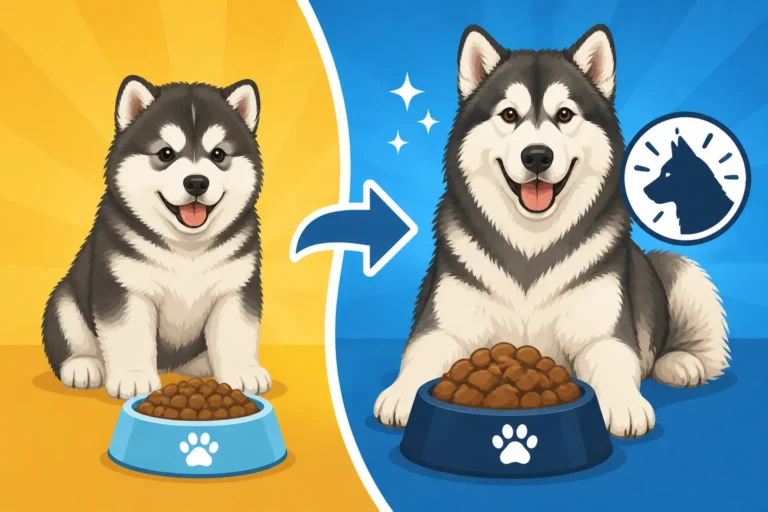
Malamutes are famously efficient eaters due to their heritage as working dogs in harsh environments. The Efficient Metabolism That Surprises Every New Malamute Owner is a common revelation. This means they often require fewer calories than you might expect for their size, especially if they are not actively working. The key is to tailor their diet precisely to their activity level. A Malamute who is pulling a sled daily in winter will have vastly different caloric needs than a Malamute who enjoys leisurely walks in the park.
It's crucial to select a high-quality kibble that meets their nutritional requirements without excessive fillers. Pay attention to the protein and fat content, as working dogs often benefit from higher levels, but pet Malamutes might need a more moderate approach. You'll want to avoid overfeeding and be meticulous with portion control. Consult the feeding guidelines on your dog food bag, but remember these are often just a starting point. Your vet can help you calculate a more precise daily caloric intake based on your Malamute's age, activity, and current body condition. Feeding a Working Malamute Against a Pet One highlights this critical distinction. For example, a pet Malamute might do well on a consistent diet available from places like Chewy, offering a wide range of standard, quality foods.
The Role of Regular Exercise
Consistent, appropriate exercise is non-negotiable for a Malamute. These dogs were bred to move, to cover ground, and to pull. Even a pet Malamute needs a significant amount of physical activity to stay mentally stimulated and physically fit. Daily walks, hikes, or even supervised off-leash time in a secure area are essential. Remember, their minds are as active as their bodies, so incorporating activities that challenge them, like carrying a How Much a Malamute Should Carry on a Hike backpack or engaging in scent work, can be incredibly beneficial.
The type and intensity of exercise should also be adjusted based on their age and health. Puppies need play and structured training to build strong bones and muscles without overstressing their developing joints. Older Malamutes might need shorter, more frequent walks to accommodate any stiffness or arthritis. If your Malamute is currently overweight, gradually increase their exercise duration and intensity to avoid injury. Consult your vet before starting any new vigorous exercise regimen, especially for an older or significantly overweight dog.
Regular Vet Check-ups
Your veterinarian is your most valuable partner in managing your Malamute’s weight. Regular check-ups, ideally once a year for adult dogs and more frequently for puppies or seniors, provide an opportunity for a professional assessment of their body condition. Vets are trained to feel past the fluff and can give you an objective evaluation. They can also track trends over time, noticing subtle weight gains that you might miss.
During these visits, your vet can also discuss appropriate feeding strategies, recommend specific dog foods, and address any underlying health issues that might be contributing to weight gain. For instance, sometimes a slower metabolism due to conditions like hypothyroidism can lead to weight gain. Your vet can rule out or address such medical causes. They can also guide you on How Many Cups a Day an Adult Alaskan Malamute Eats and help you understand how to adjust their diet as they grow and mature towards The Age an Alaskan Malamute Reaches Full Weight.
Nutrition Considerations and Brands
When it comes to nutrition, there's no one-size-fits-all answer, but some general principles apply. Look for dog foods with real meat as the first ingredient, and ensure the protein content is appropriate for your Malamute’s activity level. Be wary of excessive fillers or artificial ingredients. If your Malamute has specific dietary sensitivities or needs, your vet might recommend a limited ingredient diet or a prescription formula.
Many owners find success with commercially available dog foods from reputable brands. You can explore a wide range of options on platforms like Amazon or Chewy, which often provide detailed ingredient lists and customer reviews. Some owners also opt for fresh food delivery services like Ollie, which can offer highly customizable meal plans. If you're considering a significant dietary change, such as switching to a raw diet or a fresh food plan, it's always best to discuss it with your veterinarian first to ensure it's balanced and meets all your Malamute's nutritional needs, especially for a breed with particular sensitivities like zinc absorption. Remember, even good food needs to be portion-controlled; a little extra here and there can quickly add up for a Malamute.
Here's a quick comparison to help you distinguish between a healthy and an overweight Malamute:
| Feature | Healthy Weight Malamute | Overweight Malamute |
|---|---|---|
| Ribs (Touch) | Easily felt with light pressure, distinct but not sharp. | Hard to feel, requires firm pressure, or not felt at all. |
| Spine (Touch) | Individual vertebrae felt under muscle, not protruding. | Obscured by fat, feels flat or heavily padded. |
| Waist (Touch) | Slight narrowing felt behind ribs, before hips. | Wide and cylindrical, no discernible tuck felt. |
| Energy Levels | Eager for walks/play, good endurance, active. | Lethargic, tires quickly, less enthusiastic for activity. |
| Breathing | Even, unlabored, minimal panting after moderate exercise. | Labored breathing, excessive panting, especially in heat. |
| Harness/Collar | Fits comfortably, two fingers fit under straps. | Feels tight, rubs, needs loosening, causes chafing. |
| Movement | Fluid, agile, jumps easily, gets up/down without struggle. | Stiff, wobbly, reluctant to jump/climb, slow to rise. |
Keeping your Alaskan Malamute at their ideal weight is a continuous journey, but it's one of the greatest gifts you can give them. By understanding their unique physiology and making regular, hands-on body condition checks a part of your routine, you can ensure your furry friend lives a long, active, and joyful life. Don’t let the fluff fool you – be proactive, be diligent, and enjoy every healthy moment with your magnificent companion!
Disclaimer
This article is for general informational purposes only and does not constitute professional advice. Laws, prices and regulations vary by location and change over time. Consult a qualified professional for guidance on your specific situation.