Whether a Spayed Malamute Blows Coat Differently
It's a common and very valid concern for Alaskan Malamute owners: you've already experienced the sheer, unbelievable volume of hair that comes with a full coat blow, and now you're wondering what spaying might do to that already monumental event. Many people worry that altering their female Malamute will somehow disrupt her natural shedding cycle, either making it worse or changing the coat in ways that are difficult to manage. This guide is here to walk you through how spaying can impact an Alaskan Malamute's coat blow and, more importantly, how you can navigate those changes to keep your magnificent companion comfortable and looking her best.
Understanding the Natural Alaskan Malamute Coat Blow
Before we dive into what happens after spaying, let's remember what a typical, intact female Alaskan Malamute's coat blow looks like. It's truly a spectacle of nature, a blizzard of fur that can, quite frankly, feel overwhelming. This isn't just a bit of shedding; it's a complete overhaul of their undercoat, and often a significant portion of their guard hairs too.
The Double Coat and Its Purpose
An Alaskan Malamute possesses a dense, double coat perfectly engineered for extreme cold. You've got those long, coarse guard hairs on the outside that repel water and dirt, and underneath, a thick, woolly undercoat that acts as insulation. This undercoat is what truly keeps them warm in frigid temperatures, and it’s also the primary player in a coat blow. When it's healthy, it's a marvel of natural engineering, but when it's shedding, it can feel like a never-ending cloud of fluff.
This double layer helps them regulate their body temperature in all conditions, though as owners, we often just see the fur flying. The guard hairs typically shed less dramatically, but the undercoat comes out in clumps, sometimes looking like you could knit a whole new dog from what's left on your floor.
Seasonal and Hormonal Influences on Shedding
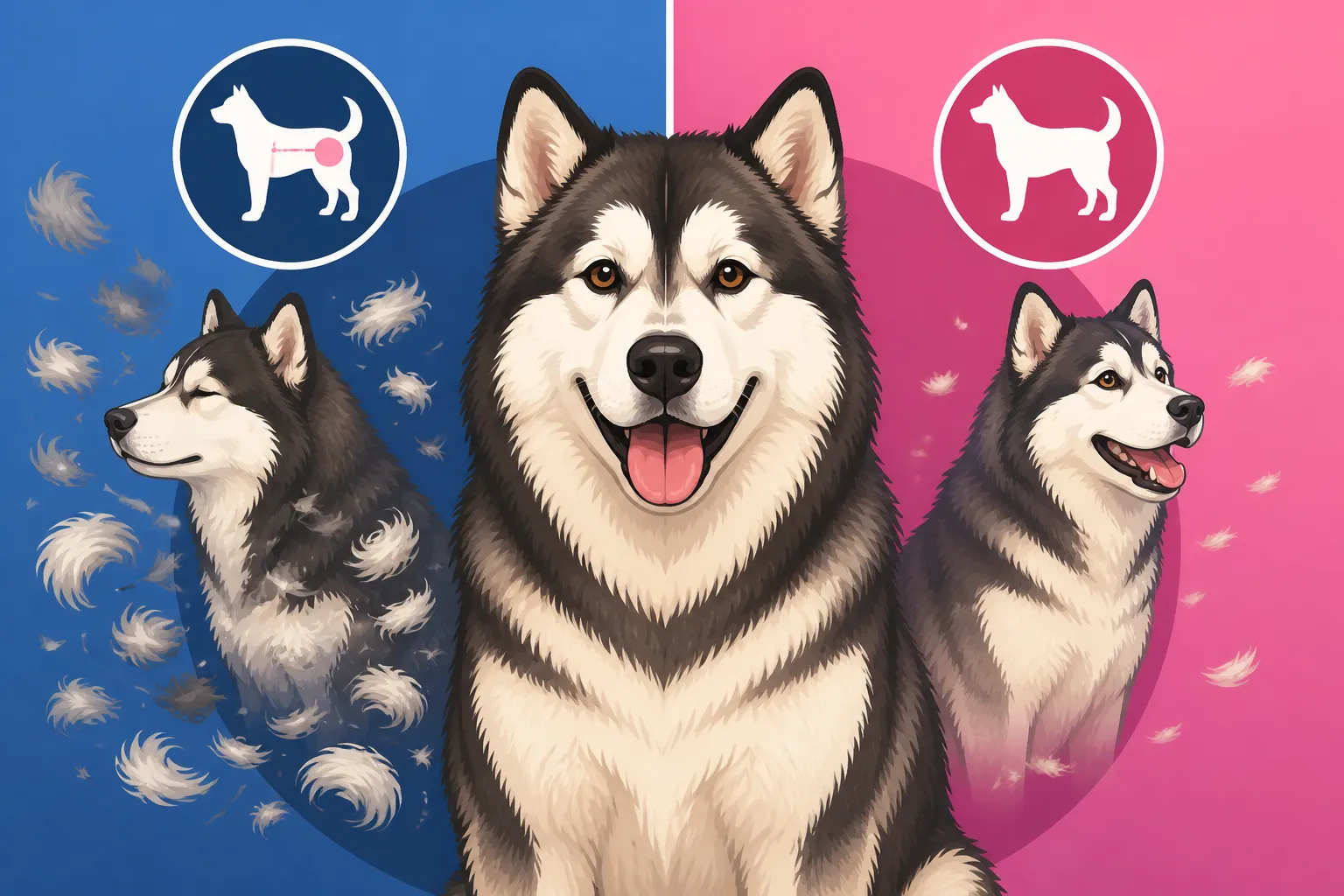
For an intact female Malamute, shedding is influenced by two main factors: seasons and hormones. Most Malamutes will have at least two major coat blows a year – often in spring as they shed their heavy winter coat to prepare for warmer weather, and then again in the fall to make way for a new, denser winter coat. However, females also experience hormonal shedding. An intact female will typically "blow her coat" roughly two to three months after each heat cycle, regardless of the season. This is a physiological response to the change in hormones, specifically the drop in progesterone after a heat.
This means that an intact female can have a coat blow outside of the typical seasonal shedding, sometimes making it seem like the shedding is constant. It's a natural process, tied intrinsically to her reproductive cycle, and it's a huge task for her body. When she's blowing her coat, you'll find fur absolutely everywhere – on your clothes, furniture, and seemingly defying gravity to stick to the ceiling. It can easily feel like The Malamute Coat Blow That Fills a Vacuum in an Afternoon.
How Hormonal Changes Post-Spay Impact the Coat
Now, let's get to the heart of the matter: what happens when those female hormones are no longer cycling due to spaying? The removal of the ovaries means an end to the regular ebb and flow of estrogen and progesterone. These hormones play a significant role in hair follicle health and growth cycles. Without them, you can see some noticeable shifts in the coat.
The Phenomenon of "Spay Coat"
One of the most commonly discussed changes after spaying, particularly in double-coated breeds like Alaskan Malamutes, is the development of what's often called "spay coat" or "post-neutering alopecia." This isn't a guarantee for every spayed Malamute, but it's a recognized phenomenon that can catch owners by surprise. Essentially, the coat can become incredibly dense, soft, and woolly, often with a proliferation of undercoat hairs that seem to grow endlessly without properly shedding out.
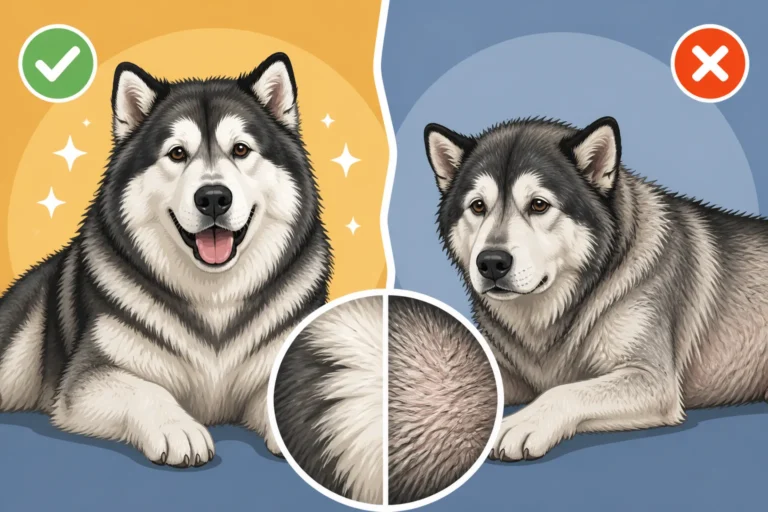
Instead of those distinct, powerful seasonal coat blows where the undercoat "lets go" in sheets, a spayed Malamute might have a more continuous, lighter shed throughout the year, but with a thicker, more difficult-to-manage coat. The texture might change too, becoming softer, less coarse in the guard hairs, and even more plush in the undercoat. This sounds lovely, right? More fur, softer fur! But in reality, it often means the coat holds onto dead hair more tenaciously, making it incredibly prone to matting and difficult to brush through. It can also make them feel warmer than before because the dense undercoat isn't releasing properly, potentially increasing their risk of overheating, especially in warmer climates.
Altered Shedding Cycles
The most immediate change you'll likely notice is the cessation of the post-heat shedding cycle. Since there are no more heat cycles, that specific hormonal shedding pattern disappears. However, the seasonal shedding remains. What often happens, though, is that the intensity of the shed might change. Instead of two massive, well-defined blows a year, you might get a more consistent, low-level shedding, punctuated by perhaps one or two slightly heavier, but still less dramatic, releases of undercoat.
For some Malamutes, this means the coat never truly 'blows' in the dramatic sense. The dead undercoat just sits there, trapped within the new growth, creating a dense, felt-like layer close to the skin. This isn't just an aesthetic problem; it can lead to skin irritation, hot spots, and make it harder for air to circulate, negating the natural cooling function of their coat. It can be incredibly frustrating to try and brush through a coat that just won't release its dead hair, even with the best grooming tools.
Managing the Post-Spay Coat Changes
While a "spay coat" can present new challenges, it's absolutely manageable with the right approach and consistent effort. Your goal is to help your Malamute's coat do what it naturally struggles to do after spaying: release that dead undercoat.
Grooming Strategies for a Denser Coat
Regular, thorough grooming becomes even more critical for a spayed Malamute. You can't just wait for the big blows anymore; you need to be proactive.
- Daily Brushing: Investing in a good quality undercoat rake and a slicker brush is paramount. Daily brushing, or at least several times a week, will help pull out the dead undercoat before it can compact and mat. Focus on areas prone to matting like behind the ears, under the legs, and around the tail. You'll find a wide array of effective grooming tools on sites like Chewy or Amazon, from specialized deshedding rakes to powerful force dryers.
- Force Dryer Power: If you don't already own one, a high-velocity force dryer is perhaps the single best tool for managing a Malamute's coat, especially a denser spay coat. After a bath, the powerful stream of air can push out an incredible amount of loose undercoat that brushing alone would miss. This not only speeds up drying but actively helps to "blow out" the coat. A professional groomer will almost certainly use one, and you can even purchase good quality home versions. Think of it as a hurricane for loose hair, rather than just hot air. It's truly transformative for managing shed. What a Force Dryer Does for a Malamute's Coat Blow explains this in more detail.
- Professional Grooming: Consider regular visits to a professional groomer, especially during peak shedding times, or if you notice the coat becoming unmanageable. They have the equipment and expertise to handle a dense double coat, including specialized bathing techniques and powerful dryers that can de-shed effectively. It's a fantastic investment in your Malamute's comfort and coat health.
Dietary Considerations for Coat Health
Diet plays a crucial role in skin and coat health, and it's particularly important for breeds prone to certain deficiencies or skin issues.
- Omega Fatty Acids: Ensure your Malamute's diet is rich in omega-3 and omega-6 fatty acids. These are vital for healthy skin and a shiny coat. Many high-quality dog foods include these, but you might also consider supplements like fish oil. They help support the skin barrier and can make the coat healthier, potentially reducing excessive dryness or dullness.
- Zinc Supplementation: Alaskan Malamutes, as a breed, are known to have issues with zinc absorption, sometimes leading to Zinc Responsive Dermatosis in an Alaskan Malamute. While not directly caused by spaying, a healthy coat relies on proper nutrient absorption, and if your Malamute struggles with zinc, it can exacerbate general coat health issues. If you notice dry, flaky skin, or thinning patches, talk to your vet about testing for zinc deficiency and potential supplementation. Feeding an Alaskan Malamute for Zinc It Cannot Absorb provides more information on this. Even fresh food diets, like those offered by services such as Ollie, need to be carefully formulated to ensure all nutrient needs are met, especially for a breed with specific requirements.
Long-Term Coat Health for Spayed Malamutes
Managing a spayed Malamute's coat is usually a marathon, not a sprint. It's about developing consistent habits and understanding that their coat needs active maintenance to thrive.
Consistency is Key
The biggest takeaway for managing a spayed Malamute's coat is consistency. Regular brushing, routine baths (when needed, not too frequently to strip natural oils), and potentially professional grooming appointments are not luxuries; they're necessities. Skipping grooming sessions for weeks can quickly lead to a dense, matted undercoat that is painful for your dog and much harder to resolve.
Establish a grooming routine early and stick to it. Even if your Malamute isn't in a full coat blow, a quick brush several times a week keeps the undercoat free and prevents build-up. Remember that How Often an Alaskan Malamute Needs Brushing really depends on the individual dog and their coat, but for a dense spay coat, more is often better.
Monitoring for Skin Issues
A dense, poorly shedding coat can sometimes hide underlying skin problems. Trapped moisture, lack of air circulation, and accumulated dead hair can create a breeding ground for bacteria or yeast, leading to skin infections, hot spots, or dermatitis. Regularly part your Malamute's coat and inspect their skin for redness, irritation, flaky patches, or any unusual odors. Pay close attention to areas that stay damp or are difficult to brush, such as armpits, groin, and under the tail. Reading a Malamute's Skin Before the Crusts Appear is a crucial skill for any Malamute owner.
If you notice any persistent skin issues, an immediate vet visit is in order. They can identify the problem and recommend appropriate treatment, which might include medicated shampoos or other therapies.
Adapting to Environmental Needs
With a potentially denser coat that doesn't shed as efficiently, spayed Malamutes can be more prone to overheating in warm weather. You might need to adjust their exercise schedule to cooler parts of the day, provide plenty of shade and fresh water, and avoid strenuous activities when temperatures climb. Their magnificent double coat is a blessing in winter but can become a liability in summer if not managed properly. Even with a good groom, that thick undercoat needs careful attention to ensure proper thermoregulation.
Remember, a Malamute should never be shaved to "cool them down." This actually disrupts the natural insulation and sun protection provided by their coat, often leading to worse overheating and improper regrowth. Why an Alaskan Malamute Must Never Be Shaved explains the damage this can cause.
Grooming Comparison: Intact vs. Spayed Female Malamute
Here's a quick comparison of what you might expect regarding coat care for intact versus spayed female Malamutes:
| Feature | Intact Female Malamute | Spayed Female Malamute |
|---|---|---|
| Shedding Frequency | Two major seasonal blows + post-heat cycle blows. | Seasonal blows may be less distinct, more continuous shedding. |
| Coat Texture | Typically coarse guard hairs, dense undercoat. | Can develop a "spay coat": denser, softer, woollier undercoat. |
| Shedding Intensity | Very heavy, distinct "blows" of undercoat. | Can be more continuous, sometimes less dramatic but harder to manage. |
| Matting Risk | Moderate, primarily during heavy blows. | Higher, due to denser, unshed undercoat. |
| Brushing Needs | Intensive during blows, regular maintenance otherwise. | Consistent, frequent, thorough brushing is essential year-round. |
| Overheating Risk | Moderate, managed by natural shedding. | Potentially higher due to trapped undercoat if not groomed. |
While spaying does bring about changes in your Malamute's coat, it's not a reason for alarm. It simply means adapting your grooming routine to support her new hormonal reality. With consistent effort and the right tools, you can ensure your spayed Malamute remains comfortable, healthy, and beautiful.
Disclaimer
This article is for general informational purposes only and does not constitute professional advice. Laws, prices and regulations vary by location and change over time. Consult a qualified professional for guidance on your specific situation.