Feeding an Alaskan Malamute for Zinc It Cannot Absorb
It’s incredibly disheartening when you’re doing everything right for your beloved Alaskan Malamute – providing a high-quality diet, ample exercise, and endless love – only to see them develop mysterious skin issues. Flaky patches, thinning fur, and crusts around their eyes or muzzle can be a real head-scratcher, leaving you feeling frustrated and searching for answers. This comprehensive guide will delve deep into one of the most common, yet often misunderstood, health challenges unique to Malamutes: their struggle with zinc absorption, and how you can feed them specifically to manage this often lifelong condition.
Understanding the Alaskan Malamute's Unique Zinc Challenge
Alaskan Malamutes are magnificent dogs, bred for tough conditions and incredible endurance. However, nestled within their impressive genetics is a specific predisposition that can make them prone to a condition known as Zinc Responsive Dermatosis (ZRD). This isn't just about feeding them enough zinc; it's about their body's inherent difficulty in actually utilizing the zinc they consume.
What is Zinc Responsive Dermatosis (ZRD)?
Zinc Responsive Dermatosis isn't merely a dietary deficiency in the way one might lack Vitamin C. Instead, it's a complex condition where the Malamute’s body struggles to absorb or metabolize zinc from their digestive system effectively, even when ample amounts are present in their food. Think of it like a faulty gate that won't let enough essential nutrients pass through, regardless of how much is knocking at the door. This malabsorption leads to a cellular deficiency, which then manifests most visibly on the skin, but can impact other systems too.
The symptoms can range from subtle to severe, often starting with a dull coat, flaky skin, and then progressing to crusty lesions, particularly around the eyes, muzzle, ears, and pressure points like elbows and hocks. These areas become inflamed, sometimes itchy, and secondary bacterial or yeast infections are unfortunately common, adding another layer of discomfort for your dog. It’s a frustrating cycle for owners because it looks like a skin problem, but the root cause is deeply internal. In some cases, zinc malabsorption can even be linked to other health concerns in Malamutes, making it part of a bigger picture. For a broader understanding of how this vital mineral plays a role in their health, you might want to read Zinc Is the Thread Running Through Three Malamute Diseases.
The Genetic Predisposition to Zinc Malabsorption
The core of the problem lies in the Malamute’s genetics. While all dogs need zinc for countless bodily functions, some breeds, including Alaskan Malamutes, are genetically predisposed to ZRD. This means that unlike other breeds where a simple dietary adjustment might fix a zinc deficiency, a Malamute often has an inherited inefficiency in how their gut cells transport zinc from food into their bloodstream. It's not a choice they're making, but a biological hurdle they face.
This genetic factor is why merely feeding a "zinc-rich" kibble often isn't enough to prevent or resolve ZRD in these dogs. Their system simply isn't extracting and using the zinc as efficiently as a non-predisposed dog would. This can be incredibly frustrating for owners who spend a lot on premium dog foods, believing they're providing everything their dog needs. It highlights the crucial distinction that this isn't necessarily about insufficient intake of zinc, but rather a problem with its uptake and utilization. Understanding this genetic component is key to effective management, as it sets the stage for why supplementation, often lifelong, becomes a necessary part of their care plan. It’s definitely worth exploring Whether a Malamute's Zinc Problem Is Diet or Genetics to grasp the full scope of this breed-specific challenge.
Recognizing the Subtle Signs of Zinc Deficiency
The visible symptoms of zinc deficiency, or ZRD, in an Alaskan Malamute can be quite varied and might easily be mistaken for other common skin conditions, like allergies or bacterial infections. Catching these signs early is crucial to prevent discomfort and more severe issues.
Early Indicators on the Skin and Coat
One of the first places you might notice issues is in your Malamute's magnificent coat and skin. Before the obvious crusts and lesions appear, there can be more subtle changes. You might observe that their typically thick, luxurious fur seems a bit duller than usual, lacking its characteristic shine. The coat might also appear thinner in certain areas, particularly around the eyes, the bridge of the nose, and the muzzle. This isn't just cosmetic; it's a sign that their skin health is compromised.
Another early indicator is flaky skin or what looks like persistent dandruff, especially if you part their fur and look closely. This isn't always accompanied by itching, so it might not seem like a big deal at first glance. However, these fine flakes are often a precursor to more serious skin changes. Pay close attention to the skin around their ears, elbows, and hocks – these are common friction points where the skin can start to show early signs of thickening or slight hair loss. If you're seeing these early changes, it's a prompt to investigate further before the condition progresses to the more overt signs of ZRD. For a more detailed look at the progression, see What Zinc Responsive Dermatosis Looks Like on a Malamute.
Beyond Skin: Other Symptoms to Watch For
While skin issues are the most prominent and recognizable signs of ZRD, a Malamute's zinc malabsorption can affect other parts of their body and overall demeanor. These can be even harder to pinpoint as zinc-related because they mimic symptoms of various other ailments. For instance, you might notice your usually boisterous Malamute seems a bit more lethargic, less enthusiastic about their daily walks or play sessions. Their appetite might fluctuate, becoming pickier or less eager to eat, which can be perplexing when you know they generally love food.
One often overlooked area is the paw pads. In some Malamutes with zinc deficiency, their paw pads can become noticeably thickened, hardened, or even cracked, making walking uncomfortable. This can sometimes lead to a reluctance to move or lameness that isn't due to an orthopedic issue. In more severe, prolonged cases, dogs might experience weight loss or even immune system suppression, leading to more frequent infections. Because these non-dermatological signs are so non-specific, they underscore the importance of a comprehensive veterinary examination if your Malamute is displaying any unusual symptoms. Keeping a keen eye on where these skin issues often first manifest can also be a helpful clue; check out Where a Malamute's Zinc Lesions Appear First for more specific areas to monitor.
Navigating Dietary Choices for Optimal Zinc Uptake
When it comes to feeding an Alaskan Malamute with a predisposition to zinc malabsorption, it's not simply about throwing a generic "high zinc" food in their bowl. It’s about careful selection of ingredients that not only provide zinc but also enhance its bioavailability and avoid inhibitors.
High-Quality Proteins and Digestible Carbs
The foundation of any good diet for an Alaskan Malamute, especially one with special nutritional needs, begins with high-quality protein sources. Proteins from animal sources are not just crucial for muscle maintenance and overall health, but they often come hand-in-hand with naturally occurring zinc that is generally more bioavailable than zinc from plant sources. Look for diets where the first few ingredients are named meat sources – think chicken, beef, lamb, or fish meal, not just generic "meat by-products." These provide the amino acids necessary for proper bodily function and a solid base for zinc absorption.
Beyond protein, the type and quality of carbohydrates also play a role. While the common wisdom for ZRD often focuses on protein, easily digestible carbohydrates contribute to a healthy gut environment, which in turn can aid in overall nutrient absorption. Ingredients like sweet potatoes, white rice, or oats are generally well-tolerated and provide energy without adding excessive fiber or phytates that can inhibit zinc uptake. Some owners explore fresh food diets, like those offered by Ollie, which emphasize human-grade, whole ingredients that are often more digestible for some dogs. The goal is to minimize anything that might burden the digestive system, allowing it to focus its energy on extracting and utilizing essential minerals like zinc.
Foods to Include: Natural Zinc Sources
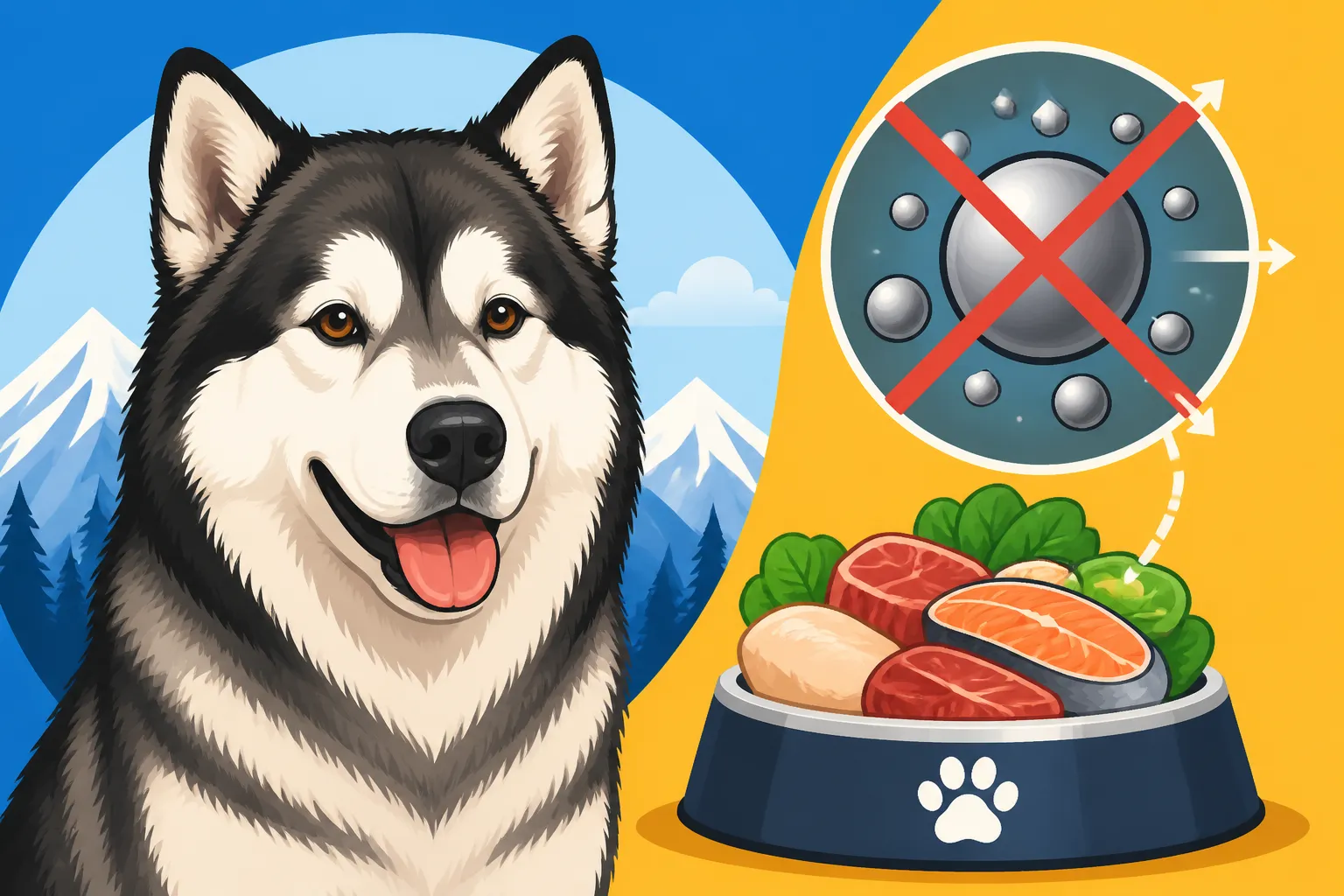
To support your Malamute's unique needs, consciously choosing foods that are naturally rich in bioavailable zinc can make a difference, even if supplementation will still be required. Red meats, like beef and lamb, are excellent sources of zinc, as are organ meats such as liver, which are also packed with other vital nutrients. Certain fish, particularly salmon and sardines, also provide a good amount of zinc along with beneficial omega-3 fatty acids that support skin and coat health.
Eggs, especially the yolks, contribute a fair amount of zinc and are generally highly digestible. While plant sources of zinc exist, such as legumes and seeds, the zinc in these is often less bioavailable to dogs and can be accompanied by absorption inhibitors, so animal-based sources are typically preferred. Integrating these natural powerhouses into their diet, whether through their kibble or as healthy additions (always ensuring balance and vet approval), creates the best possible foundation. However, it's crucial to remember that even a diet bursting with natural zinc sources may still fall short for a Malamute with a genetic malabsorption issue, underscoring the need for a multi-pronged approach.
Foods to Limit or Avoid: Zinc Absorption Inhibitors
Just as important as knowing what to include in your Malamute's diet is knowing what to limit or, in some cases, avoid altogether, as certain ingredients can actively hinder zinc absorption. One of the biggest culprits is excessive calcium. While calcium is vital for bone health, too much of it can directly compete with zinc for absorption in the gut. This is particularly relevant if you're adding calcium-rich supplements or feeding a diet with a disproportionately high calcium content, which can be found in some large breed puppy foods or certain raw feeding ratios. You might find it illuminating to delve into Whether Calcium Blocks a Malamute's Zinc Absorption.
Another significant inhibitor comes from phytates, which are compounds found in high concentrations in many grains, legumes, and certain plant proteins. Phytates bind to minerals like zinc, forming complexes that the dog's digestive system cannot break down, effectively preventing the zinc from being absorbed. This is why some owners of Malamutes with ZRD explore grain-free diets, though the effectiveness can vary, and it's essential to ensure the grain-free option is nutritionally sound. Foods high in fiber can also sometimes reduce mineral absorption if consumed in very large quantities. The key isn't to eliminate these items entirely if they're part of a balanced diet, but to be mindful of their potential impact and ensure they don't dominate the food profile, especially when managing a known zinc malabsorption issue. Understanding how these components interact is vital, so consider reading Whether Phytates in Grain Block a Malamute's Zinc.
Here’s a helpful table summarizing key dietary considerations for your Malamute’s zinc absorption:
| Category | Foods to Include (High Zinc) | Foods to Limit/Avoid (Zinc Inhibitors) | Notes |
|---|---|---|---|
| Protein Sources | Beef, Lamb, Pork, Poultry (dark meat), Salmon | High amounts of soy protein or plant-based proteins | Animal proteins offer more bioavailable zinc. |
| Organ Meats | Liver, Kidney | Excellent, concentrated sources of zinc. | |
| Grains/Carbs | White Rice, Oats, Sweet Potatoes, Barley (moderation) | High-phytate grains (corn, wheat in excess), legumes (beans, lentils in excess) | Phytates bind zinc; choose lower-phytate options. |
| Dairy & Calcium | Minimal high-calcium dairy (e.g., plain yogurt) | High calcium supplements, excessive bone content in raw diets | Too much calcium directly competes with zinc absorption. |
| Fats | Fish Oil, Flaxseed Oil | Healthy fats support skin/coat and overall health. | |
| Other | Eggs | Yeast (some forms can bind zinc) | Eggs are a good, digestible source of zinc. |
Strategic Zinc Supplementation: A Malamute Necessity
For many Alaskan Malamutes with ZRD, even the most carefully crafted diet simply isn't enough due to their genetic predisposition to malabsorption. This is where strategic zinc supplementation, guided by your veterinarian, becomes not just helpful, but often essential for their well-being.
When and Why Supplements Become Essential
The realization that diet alone might not be sufficient can be a moment of frustration for many Malamute owners. You’ve researched foods, perhaps tried several premium brands, and yet those tell-tale skin issues persist or stubbornly return. This is the clearest indication that your Malamute’s unique physiology requires direct intervention beyond what their daily kibble or fresh food provides. Because their gut struggles to extract and transport zinc, adding a concentrated, easily absorbable form of zinc directly can bypass some of these inefficiencies.
Supplements act as a crucial bridge, ensuring that enough zinc actually makes it into their system to support healthy skin, immune function, and overall metabolism. It's not a sign of poor ownership or an inadequate diet; it's simply acknowledging and addressing a breed-specific biological reality. The decision to start supplementation and the appropriate dosage should always come from your veterinarian, who can assess your dog's specific needs, severity of symptoms, and monitor their response. For many Malamutes, this isn't a temporary course of action, but a lifelong commitment to manage their condition effectively. To understand the typical approach, you should familiarize yourself with How a Malamute's Zinc Deficiency Is Treated.
Types of Zinc Supplements and Their Efficacy
Once you and your vet decide that supplementation is necessary, you’ll discover there are several forms of zinc available, each with varying degrees of bioavailability and effectiveness for dogs. The most common forms you'll encounter include zinc sulfate, zinc picolinate, and zinc methionine.
- Zinc Sulfate: This is one of the most widely available and often the first type veterinarians will recommend due to its relatively low cost and effectiveness. However, it can sometimes cause gastrointestinal upset in some dogs, especially if given on an empty stomach.
- Zinc Picolinate: Often considered more easily absorbed than zinc sulfate, zinc picolinate is another good option. It may be less likely to cause stomach upset.
- Zinc Methionine (often branded as Zinpro): This form is frequently recommended for dogs with ZRD because it's a chelated form, meaning the zinc is bound to an amino acid (methionine). This chelation significantly enhances its bioavailability and absorption, often making it the most effective option for Malamutes with severe malabsorption issues. It tends to be gentler on the stomach as well.
Your vet will help you determine which form is best for your Malamute based on their response and any potential sensitivities. It’s always best to purchase supplements from reputable sources like Chewy or Amazon, ensuring quality and proper labeling. Getting the right type and dosage is critical, and you can learn more about specific choices in Which Zinc Supplement Suits a Malamute.
The Lifelong Commitment to Zinc Management
For many Alaskan Malamutes diagnosed with ZRD, zinc supplementation is not a temporary fix but a lifelong commitment. This can be a challenging reality for owners, as it means consistent administration and ongoing monitoring. Once symptoms resolve, it can be tempting to reduce or stop the supplements, but for most Malamutes with a genetic malabsorption issue, this often leads to a quick recurrence of symptoms. The underlying genetic problem doesn't disappear, so the need for external zinc support remains.
Your veterinarian will work with you to establish an initial loading dose, usually higher to bring the zinc levels back up, and then transition to a maintenance dose. This maintenance dose typically needs to be continued indefinitely. Over time, adjustments might be necessary based on your Malamute's age, overall health, and any changes in their symptoms. Regular check-ups are essential to monitor their progress, assess their skin and coat health, and ensure the dosage is still appropriate. While it requires dedication, consistent management means your Malamute can live a comfortable, symptom-free life, enjoying all the activities they love without the irritation and discomfort of ZRD. To gain further insight into the long-term perspective, consider Whether a Malamute Needs Zinc for Life.
Working with Your Veterinarian for a Customized Plan
Effectively managing Zinc Responsive Dermatosis in your Alaskan Malamute is a collaborative effort between you and your veterinarian. They are your most valuable resource in accurately diagnosing the condition and creating a personalized treatment plan that truly makes a difference.
Diagnostic Testing for Zinc Levels
Pinpointing zinc deficiency isn't always as straightforward as a simple blood test. While blood plasma zinc levels can provide some indication, they don't always accurately reflect the zinc levels available in the tissues where it's needed most for skin health. A Malamute might have "normal" blood zinc but still suffer from ZRD because their cells aren't absorbing it properly. This can be a source of confusion and frustration when initial tests come back inconclusive.
For a more definitive diagnosis of ZRD, veterinarians often rely on a skin biopsy. This involves taking a small tissue sample from an affected area of the skin under local anesthetic, which is then sent to a pathology lab. The pathologist can examine the cellular structure for changes characteristic of ZRD, such as parakeratosis (abnormal keratinization) and specific inflammatory patterns. This provides a much clearer picture and helps rule out other dermatological conditions that might present with similar symptoms, ensuring that the correct treatment path is taken. It’s important to understand the investment involved in diagnostics; you can learn more at What Zinc Testing Costs a Malamute Owner.
Tailoring Diet and Supplementation
Once ZRD is diagnosed, your vet becomes central to tailoring a plan that considers your Malamute's individual needs. There's no one-size-fits-all approach, as factors like their current diet, activity level, age, and the severity of their symptoms all come into play. Your vet will review their existing food, helping you identify any ingredients that might be hindering zinc absorption and suggesting appropriate dietary adjustments. This might involve recommending specific commercial diets known to be beneficial or discussing the merits of fresh food options.
Crucially, your vet will prescribe the type and dosage of zinc supplement. They’ll start with an initial course, often a higher "loading dose," to quickly replenish cellular zinc stores, and then establish a long-term maintenance dose. This precise guidance is vital to ensure efficacy and prevent potential side effects. Remember, while you can purchase many supplements yourself, your vet has access to veterinary-specific formulations, and their expertise ensures the right match for your dog. For instance, sometimes a prescription-strength zinc is necessary to make a real impact, underscoring Whether a Malamute's Zinc Supplement Needs a Prescription. This individualized approach is what sets successful management apart from frustrating trial-and-error.
Monitoring and Adjusting the Regimen
Managing ZRD is an ongoing process that requires consistent monitoring and a willingness to adjust the regimen as needed. It's not a "set it and forget it" situation. After starting treatment, you'll need to closely observe your Malamute for signs of improvement. This can take time – typically several weeks or even a couple of months – for skin and coat health to noticeably improve. You’ll be looking for less flakiness, hair regrowth in thinned areas, reduced redness or crusting, and overall comfort.
Regular follow-up appointments with your veterinarian are critical. During these visits, your vet will assess your Malamute’s progress, re-examine their skin, and discuss any changes you’ve observed. Based on their assessment, they may recommend adjusting the zinc dosage – either increasing it if symptoms persist, or, in some cases, slightly reducing it once stable improvement is achieved. They'll also monitor for any potential side effects from the supplements, such as gastrointestinal upset. This iterative process, where you and your vet work together to fine-tune the diet and supplementation, ensures your Malamute receives the optimal long-term care for their unique zinc absorption challenge.
Common Pitfalls and Misconceptions in Malamute Zinc Care
Navigating Zinc Responsive Dermatosis can be tricky, and it's easy to fall into common traps or hold onto misconceptions that can hinder your Malamute's progress. Understanding these pitfalls can save you time, money, and most importantly, prevent unnecessary discomfort for your dog.
Believing Diet Alone Will Fix the Problem
One of the most pervasive and frustrating misconceptions for new Malamute owners, or even experienced ones encountering ZRD for the first time, is the belief that simply switching to a "better" or "zinc-rich" dog food will completely resolve the issue. It's a natural inclination – if the problem is zinc deficiency, then more zinc in the food should fix it, right? Unfortunately, for Malamutes with ZRD, this is rarely the case. The core issue, as we've discussed, is a genetic malabsorption, meaning their bodies struggle to process the zinc from any food, regardless of its concentration.
Owners often go through countless bags of kibble, spending a significant amount of money and precious time, only to see minimal or temporary improvement. This can lead to deep frustration and a feeling of helplessness. While a high-quality, balanced diet is undeniably important for overall health, it's generally insufficient on its own for a genetically predisposed Malamute. It's crucial to accept that supplementation is almost always a necessary component of their treatment plan, working in tandem with dietary choices, rather than diet being the sole solution. To truly understand this distinction and avoid endless food trials, it's worth exploring Whether Changing Food Fixes a Malamute's Zinc Deficiency.
Over-supplementation and Zinc Toxicity
While it's clear that Malamutes with ZRD need zinc, there's a critical balance to strike: too much zinc can be just as problematic as too little. In an effort to quickly resolve symptoms, some owners might be tempted to administer higher doses of zinc supplements than recommended, or add multiple zinc-containing products to their dog's diet without veterinary guidance. This is a dangerous approach. Zinc, in excessive amounts, can be toxic.
Signs of zinc toxicity can include vomiting, diarrhea, lethargy, loss of appetite, and in severe cases, damage to red blood cells (hemolytic anemia), kidneys, or liver. It can also interfere with the absorption of other essential minerals, particularly copper, leading to a secondary copper deficiency. This is precisely why veterinary oversight is paramount when administering zinc supplements. Your vet will calculate a safe and effective dose based on your Malamute's weight and the severity of their condition. Never assume more is better, and always stick to the prescribed dosage. The risks associated with excessive zinc are serious, so it’s important to understand Whether Too Much Zinc Harms a Malamute.
Misdiagnosing Zinc Deficiency
The symptoms of Zinc Responsive Dermatosis can be quite similar to those of other common skin conditions, making accurate diagnosis tricky without professional veterinary input. It's not uncommon for ZRD to be initially mistaken for food allergies, environmental allergies, bacterial skin infections (pyoderma), yeast infections, demodectic mange, or even hypothyroidism. All of these conditions can cause flaky skin, hair loss, redness, and itching, leading to incorrect diagnoses and ineffective treatments.
For example, a Malamute with crusty lesions might be put on antibiotics for a suspected bacterial infection, or steroids for allergies. While these might offer temporary relief for secondary issues, they won't address the underlying zinc malabsorption, and the problem will inevitably recur. This can lead to prolonged discomfort for the dog and a prolonged diagnostic journey for the owner, often involving multiple vet visits and treatments that don't quite hit the mark. This is why a thorough diagnostic process, including ruling out other conditions and potentially performing a skin biopsy, is so vital. A precise diagnosis of ZRD ensures that your Malamute receives the specific, effective treatment they truly need, rather than chasing symptoms that are merely manifestations of a deeper metabolic issue.
Long-Term Outlook and Quality of Life
Living with an Alaskan Malamute that has Zinc Responsive Dermatosis might sound daunting, but with proper, consistent care, these dogs can lead full, happy, and symptom-free lives. The key is understanding that it's a marathon, not a sprint, and dedication to their specific needs pays off immensely.
Sustaining Health and Comfort for Your Malamute
The good news is that ZRD, once correctly diagnosed and managed, is highly treatable. When your Malamute receives the right balance of dietary support and zinc supplementation, you'll witness a remarkable transformation. Those crusty lesions will heal, the flaky skin will resolve, and their magnificent double coat will regain its luster and thickness. Beyond the visible improvements, your dog will feel better internally. They'll have more energy, their immune system will be stronger, and they’ll be free from the constant irritation and discomfort that skin conditions can cause.
Consistency is the absolute cornerstone of success. This means faithfully administering supplements as prescribed, sticking to the vet-recommended diet, and maintaining regular check-ups. It’s a commitment, but the reward is seeing your Malamute thrive. Their renewed vigor, healthy skin, and beautiful coat are testaments to the care you provide, allowing them to enjoy their adventurous lives as they were meant to. It empowers them to be the active, joyful companions they are, without being held back by a preventable, manageable condition.
Cost Considerations for Lifelong Management
Being realistic about the financial commitment associated with managing ZRD is an important part of responsible Malamute ownership. While the initial diagnostic tests, like blood work and potentially a skin biopsy, can represent an upfront cost, the primary ongoing expense will be the daily zinc supplementation and potentially a specialized diet. High-quality zinc supplements, especially the more bioavailable chelated forms, can add a regular line item to your pet care budget.
The exact cost will vary depending on the specific supplement, dosage, your Malamute's size, and where you purchase them (e.g., from your vet, Chewy, or Amazon). It's wise to factor this into your long-term financial planning for your Malamute, just as you would for their food or routine vet visits. While these costs are ongoing, consider them an investment in your dog's daily comfort and long-term health. Preventing the recurrence of severe ZRD symptoms, which might otherwise lead to costly secondary infections, dermatology referrals, or emergency vet visits, often makes the consistent expense of supplementation a very worthwhile trade-off. To help you budget, it's worth reviewing What Zinc Supplementation Costs Over a Malamute's Life. Knowing these financial aspects upfront allows you to confidently provide the best care without unexpected surprises.
Disclaimer
This article is for general informational purposes only and does not constitute professional advice. Laws, prices and regulations vary by location and change over time. Consult a qualified professional for guidance on your specific situation.