Whether a Rescue Malamute Can Be Trusted With Dogs
Bringing a rescue Alaskan Malamute into a home where other dogs already reside is often filled with a mixture of excitement and understandable anxiety. Many hopeful adopters dream of a harmonious multi-dog household, but the reality is that Malamutes, with their distinct breed traits, can present unique challenges in dog-dog relationships. This guide will help you understand the specific nuances of Malamute social dynamics and provide realistic expectations and actionable strategies for integrating a rescue Malamute with canine companions.
Understanding the Malamute's Natural Dog-Dog Dynamics
It’s crucial to approach the question of whether a rescue Malamute can be trusted with other dogs by first understanding the very essence of the breed. These magnificent dogs were not bred to be casual companions in a dog park; they were bred for work, often in small, stable packs, under harsh conditions where resources might be scarce. This background has shaped their inherent tendencies and social structures.
The Legacy of Pack Dynamics
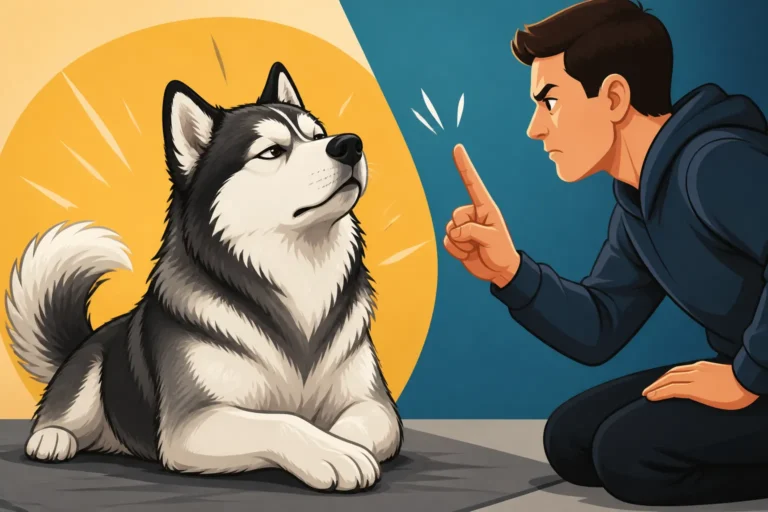
Alaskan Malamutes descend from dogs that worked closely with the Mahlemut people of Alaska. Their survival depended on cooperative efforts within a human-managed pack, typically pulling heavy sleds and sometimes assisting in hunting. This isn't the same as a loose, free-ranging pack of wild canids, but a structured working unit. Within these working packs, a clear hierarchy often existed, and while they could work together, there could also be strong competitive instincts, especially over food, mates, or prime resting spots. This historical context explains why they often form strong bonds with their human "pack" but can be more discerning or even competitive with other dogs. They tend to be strong-willed and often seek to establish their place within a group, which can manifest as dominance displays or attempts to control resources.
Same-Sex Aggression: A Hard Truth
One of the most significant and often heartbreaking realities for Malamute owners is the breed's predisposition to same-sex aggression. This isn't just about a personality clash; it’s deeply ingrained in their genetic makeup, a trait that likely served a purpose in their ancestral working environment, where maintaining a clear social structure among dogs of the same sex was essential. It's a truth that many find difficult to accept, particularly when they hope for two male or two female Malamutes to be best friends. While not every Malamute will display it, it's common enough that potential adopters must be prepared for it. A rescue Malamute, especially one whose history is unknown, might have learned to cope with or actively engage in conflict with same-sex dogs. This aggression can appear suddenly, even after a period of seeming peace, and can range from subtle bullying to severe, injury-causing fights. You might find it helpful to read Same Sex Aggression in a Pack Bred Alaskan Malamute for a deeper dive into this specific behavioral challenge.
Prey Drive vs. Dog Aggression
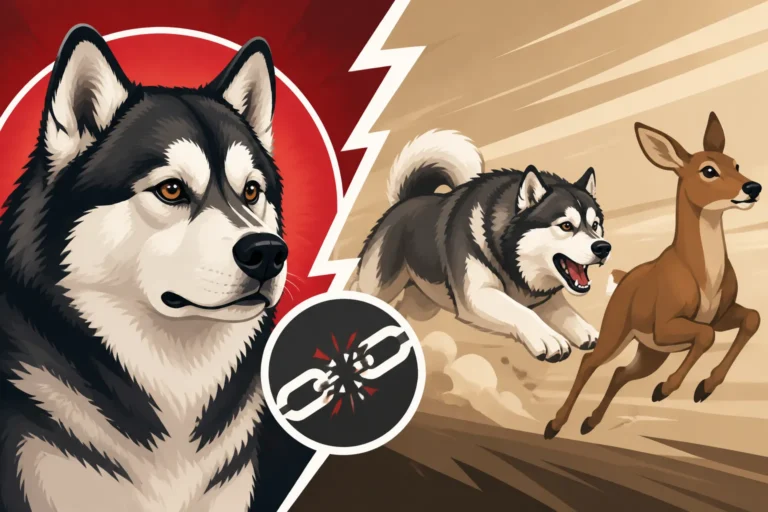
It’s important to distinguish between dog-dog aggression and a Malamute’s strong prey drive. While both can lead to dangerous situations, they stem from different motivations. Prey drive is the instinct to hunt and chase smaller, faster-moving animals, like squirrels, rabbits, cats, or even small dog breeds that might trigger this instinct. This is why it’s so critical to understand An Alaskan Malamute in a Home With Cats or Small Dogs. Dog aggression, on the other hand, is directed specifically at other canines, driven by social or territorial factors, resource guarding, or an inherent intolerance. A Malamute might get along splendidly with other dogs but still be an absolute menace to the neighborhood cat, or vice versa. Sometimes, though, a strong prey drive can look like aggression towards smaller dogs if the Malamute views them as prey. Therefore, assessing a rescue Malamute requires careful observation to understand the underlying drivers of any problematic behavior.
Assessing a Rescue Malamute's History and Temperament
Bringing a rescue Malamute into your life is a beautiful act of compassion, but it also requires a detective's eye. Their past, often unknown, can hold clues to their potential for coexisting with other dogs. A responsible rescue organization will be your most valuable partner in this assessment.
The Value of a Thorough Rescue Screening
A good rescue isn't just a place to pick up a dog; it's a vital screening hub. Reputable Alaskan Malamute rescues understand these dogs inside and out, including their specific breed traits like potential same-sex aggression. They will typically have detailed foster reports about how the Malamute interacts with other dogs in a home environment. They will also screen potential adopters rigorously, asking probing questions about your existing pets, lifestyle, and experience with strong-willed breeds. They want to set you and the dog up for success, which means being honest about the dog's known history with other canines. Don't be shy about asking specific questions, such as "Has this dog lived with other dogs before?", "How does it react to different sizes or breeds?", and "Have there been any incidents of resource guarding or same-sex aggression?" They might even have insights on The Age Same Sex Aggression Appears in a Malamute for that particular dog or line.
Observing Body Language and Social Cues
Even with a detailed history, you need to observe the rescue Malamute yourself. Spend time with the dog at the shelter or foster home, ideally with your resident dog present, but initially in a neutral, controlled environment. Look for subtle cues in body language:
- Relaxed vs. Stiff Posture: A relaxed dog has a loose body, soft eyes, and a wagging tail that might be low or even. A stiff, rigid body, direct stare, or high, stiff tail are red flags.
- Play Bows vs. Dominant Stance: Is the Malamute inviting play with a classic play bow, or is it standing over another dog, blocking access to resources, or trying to mount?
- Avoidance vs. Confrontation: Does the Malamute try to avoid interaction or actively seek it out in a challenging way?
- Resource Guarding: Pay close attention to how the Malamute reacts when food, toys, or even favorite sleeping spots are near other dogs. This is a common trigger for conflict.
Multiple, short, supervised interactions are far more informative than one long, stressful meeting. A dog trainer or behaviorist can be invaluable during these observations, helping you interpret subtle signs you might miss.
Trial Periods and Foster Reports
Many rescues offer trial periods or have extensive foster programs precisely because a shelter environment isn't a true reflection of a dog's behavior in a home. A foster parent can provide invaluable insights into a Malamute's daily interactions with other dogs, how they handle routines, sharing space, and conflict resolution. This "real-world" data is gold. If a trial period is offered, seize it! It gives you a chance to see the Malamute in your home, with your dogs, under your supervision. This is where you'll really learn whether the initial introductions blossom into true coexistence or reveal deeper issues that require more intensive management. During a trial, implement a "crate and rotate" system from day one, keeping the dogs separate until you are absolutely certain of their compatibility.
Strategies for Successful Multi-Dog Households
Even with a well-screened rescue Malamute and careful observation, successful integration into a multi-dog home is rarely a "set it and forget it" situation. It requires ongoing effort, vigilant management, and realistic expectations.
Careful Introductions: Slow and Controlled
This cannot be stressed enough: slow and controlled introductions are paramount. Rushing this stage is a recipe for disaster.
- Neutral Territory First: The first meeting between your rescue Malamute and resident dog(s) should always be on neutral ground, outside your home, where neither dog feels territorial. Keep both dogs on leash, with plenty of distance between them. A long walk, side-by-side but not interacting, is a great starting point.
- Parallel Walking: Gradually, if they show calm, allow them to walk closer, still on leash. Avoid nose-to-nose greetings initially, as these can be too intense. Focus on parallel walking, where they are moving in the same direction, experiencing the same smells, but not forced into direct interaction. Reward calm behavior with treats.
- Supervised Home Entry (Separate): Once home, keep them physically separate. Use crates, baby gates, or closed doors. They can smell and hear each other, beginning the process of acclimatization without direct confrontation. A good sturdy crate is a non-negotiable item for any Malamute owner, especially in a multi-dog home. You can find durable options on Amazon.
- Gradual, Short Interactions: Only when both dogs are consistently calm in each other's presence (even if separated by a gate) should you allow very short, supervised, on-leash interactions in a common area. End these sessions before any tension arises.
- Resource Management: Never leave food, high-value toys, or even chew bones lying around when both dogs are together, especially in the early stages. Feed dogs separately, ideally in their crates or different rooms. Whether an Alaskan Malamute Should Be an Only Dog might become relevant if consistent management proves too difficult.
Management, Not Cure
For many Malamutes, particularly those with a history of same-sex aggression or resource guarding, the goal isn't always a "cure" but effective, lifelong management. This means acknowledging their inherent tendencies and structuring their environment to prevent conflict.
- Crate and Rotate: This is the golden rule for multi-Malamute households or homes with potential dog-dog issues. When you can't actively supervise, dogs are separated. This might mean one dog is crated while the other is free, then they switch. It takes commitment but prevents dangerous situations.
- Physical Barriers: Sturdy baby gates, secure kennels, and solid doors are your best friends. These aren't punitive; they're safety measures that allow dogs to have their own space and decompress.
- Constant Supervision: When dogs are together, you must be actively present, observing, and ready to intervene at the first sign of tension. This means no leaving them alone together, even for a quick trip to the mailbox, until you have months of proven, consistent, calm interactions under your belt.
- Muzzle Training: Muzzle training is a responsible tool for any large, powerful breed, especially one with potential dog-dog issues. A comfortable, well-fitting basket muzzle allows a dog to pant and drink but prevents bites. It's not a punishment; it's a safety device. It allows for safer introductions or vet visits. Learning When a Malamute Should Wear a Muzzle can save lives.
Ongoing Training and Socialization
Consistent, positive reinforcement training is vital. It establishes clear communication, builds your bond with your Malamute, and reinforces polite behavior.
- Individual Training Sessions: Work with each dog individually to reinforce basic obedience cues like "sit," "stay," "come," and "leave it." This helps build confidence and responsiveness.
- Parallel Play: Engage both dogs in separate, parallel play sessions. For example, you might throw a ball for one dog while another chews a favorite toy nearby, allowing them to be in the same space but focused on individual activities.
- Appropriate Socialization: While Malamutes need socialization, it must be appropriate. A free-for-all at the dog park with unknown dogs is often a recipe for disaster, given their potential for same-sex aggression and strong personalities. Instead, seek out structured, supervised "play dates" with known, calm, and well-socialized dogs who are tolerant of Malamute play styles. Puppy classes, like those offered by BAXTER & Bella (which often have online resources or community forums), can be beneficial for young Malamutes, focusing on controlled interactions and good manners. For older Malamutes, consider professional guidance for selective socialization. Don't force interactions if your Malamute is showing discomfort or aggression.
When Coexistence Isn't Possible: Realistic Expectations
Sometimes, despite all best efforts, a rescue Malamute simply cannot be trusted with other dogs. This is a difficult reality to face, but it's important to be honest with yourself and prioritize safety.
Recognizing When to Be an Only Dog
Some Malamutes are happiest as only dogs. Their temperament, past experiences, or inherent breed traits mean they thrive when they don't have to share their humans or resources with other canines. This isn't a failure on your part or a flaw in the dog; it's just who they are. If your rescue Malamute consistently shows high levels of stress, anxiety, or aggression towards other dogs, even with diligent management, it might be unfair to both the Malamute and your other pets to force the issue. Signs that a Malamute might be better as an only dog include:
- Frequent, unprovoked aggression.
- Inability to relax when other dogs are present.
- Constant resource guarding, even after management attempts.
- High stress levels for all dogs in the household.
- Injuries occurring despite your best efforts at supervision.
It’s an incredibly tough decision, but understanding Whether an Alaskan Malamute Should Be an Only Dog is vital for their long-term well-being.
Safety First: Preventing Conflict
Ultimately, your primary responsibility is the safety and well-being of all living beings in your home – human and animal alike. If trusting your rescue Malamute with other dogs becomes a constant source of anxiety, and management measures are simply not enough, then preventing conflict must take precedence. This might involve:
- Permanent separation: Maintaining a "crate and rotate" system indefinitely, ensuring dogs are never together unsupervised.
- Rehoming (as a last resort): If the stress and safety concerns are too great for both you and the dogs, and if the rescue Malamute truly cannot thrive in a multi-dog setting, working with the rescue to find a single-dog home for them might be the most humane option. This is a heartbreaking choice, but sometimes it's the best one for the dog.
Remember, a dog that lives a calm, happy life as an only dog is better off than one living in constant stress or conflict, even if it's in your home.
Professional Help and Support
You don't have to navigate these challenges alone. A certified professional dog trainer or a veterinary behaviorist can provide invaluable support. They can assess your specific situation, help you interpret your Malamute's behavior, and develop a tailored management or modification plan. They can teach you how to effectively introduce and manage dogs, provide strategies for reducing stress, and guide you through specific training protocols. When dealing with ingrained breed traits like same-sex aggression, professional input is not just helpful, it's often essential. Many experts recommend consulting with a professional even before you bring a second dog home, to ensure you are setting everyone up for success. Resources like the Certification Council for Professional Dog Trainers (CCPDT) or the American College of Veterinary Behaviorists (ACVB) can help you find qualified professionals in your area.
Here's a quick overview of potential scenarios:
| Scenario | Likelihood in Malamutes | Management & Trust Levels | Key Considerations |
|---|---|---|---|
| Living Peacefully | Moderate | High trust, some management | Careful introductions, ongoing supervision. |
| Tolerating, but not interacting | High | Medium trust, active management | Crate & rotate, separate resources. |
| Same-Sex Aggression | High (especially males) | Low trust, strict management | Permanent separation (crate & rotate), no unsupervised time. |
| Resource Guarding | Moderate | Low trust, strict management | Feed separately, pick up all toys/bones. |
| Prey Drive towards small dogs | Moderate | Low trust, strict management | Permanent separation, muzzle, no small dogs in home. |
| Only Dog Preferred | Moderate | N/A | Rehoming to a single-dog home might be best. |
This table is a simplification; every dog is an individual, and rescue Malamutes come with unique histories that complicate generalizations. However, it illustrates the range of possibilities and the need for vigilance.
Disclaimer
This article is for general informational purposes only and does not constitute professional advice. Laws, prices and regulations vary by location and change over time. Consult a qualified professional for guidance on your specific situation.