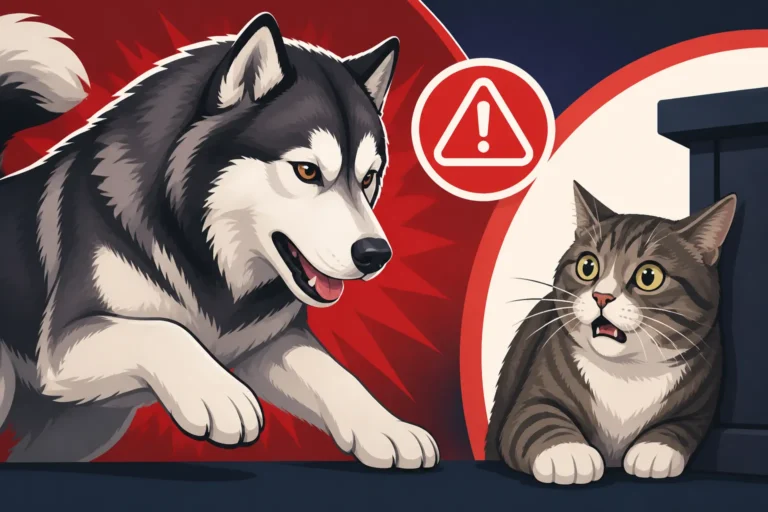
Whether an Alaskan Malamute Should Be an Only Dog
The question of whether an Alaskan Malamute should be an only dog is one that weighs heavily on many prospective and current owners. It’s a completely valid concern because bringing a Malamute into your home, especially if you already have other pets or are considering adding another later, can introduce unique challenges that aren't always present with other breeds. This guide will delve deep into the Malamute's distinct social nature, explore the potential dynamics of multi-dog households, and help you navigate the complexities of making the best decision for your furry family, ensuring peace and harmony for everyone involved.
Understanding the Alaskan Malamute's Social Blueprint
Alaskan Malamutes are magnificent, powerful dogs, but their history as working dogs in harsh environments means they come hardwired with certain instincts that differ significantly from many other breeds. They were bred to work in teams, often large packs, for freighing and survival, but this doesn't automatically translate to easy cohabitation with every dog they meet. In fact, their strong pack drive can be a double-edged sword when it comes to living with other canines.
The Pack Mentality and Its Nuances
While Malamutes thrive on companionship and are generally affectionate with their human families, their pack mentality often involves a complex social hierarchy that they will naturally try to establish within their home. This isn't necessarily about aggression, but about an innate need to understand and define relationships within their group. This drive for social order can sometimes lead to friction, particularly with dogs who have a similar temperament or assertiveness. You might find that your Malamute constantly tests boundaries, not out of malice, but because it's simply trying to figure out where everyone stands. This can be exhausting for owners who aren't prepared for constant mediation and leadership.
Consider their original environment: in a working pack, every dog had a role, and disputes over resources, mates, or status were often settled definitively. When you bring that into a domestic setting, especially with limited space or resources (like toys, food, or prime sleeping spots), those natural instincts can surface. It’s not uncommon for these dogs to decide that certain items or even people belong exclusively to them, leading to resource guarding issues.
The Reality of Same-Sex Aggression
One of the most widely acknowledged traits of the Alaskan Malamute is their propensity for same-sex aggression, particularly among females, but it can certainly occur in males too. It's a challenging reality that many Malamute owners face, and it's essential to be aware of it before you introduce a second dog of the same gender. What might start as playful roughhousing can quickly escalate into serious fights, seemingly out of nowhere, over minor transgressions in the dog's eyes. You can learn more about this by reading Same Sex Aggression in a Pack Bred Alaskan Malamute.
Imagine having two female Malamutes who have lived together for years, seemingly getting along. Then, one day, a small disagreement over a chew toy or a prime spot on the couch turns into a full-blown brawl requiring stitches. These incidents are not rare; they are a recognized part of the breed's temperament. This isn't to say every pair of same-sex Malamutes will fight, but the risk is significantly higher than in many other breeds. Understanding How Two Female Malamutes Get Along or How Two Male Malamutes Work Out Rank can offer more insight into these dynamics.
Prey Drive and Its Impact on Multi-Dog Homes
Another critical aspect of the Malamute's nature is its strong prey drive. These dogs were historically bred to hunt and find food in unforgiving environments, and that instinct is deeply ingrained. While their prey drive is often directed at small, fast-moving animals like squirrels, rabbits, or even cats, it can sometimes extend to smaller dogs. This means that a Malamute, especially one not raised with small dogs, might view them as prey rather than fellow canines.
Introducing a Malamute into a home with a tiny Chihuahua or a delicate toy breed is a scenario fraught with risk, regardless of how well-socialized the Malamute seems to be. Even a playful chase can turn deadly in an instant due to the Malamute's sheer size and power. It's a heartbreaking situation many owners have found themselves in, and it's vital to consider The Risk a Malamute Poses to a Small Dog before making any decisions. The safety of all animals in your home should be paramount, and sometimes, this means acknowledging that certain combinations are simply too dangerous.
Considerations for Multi-Dog Alaskan Malamute Households
If you're still contemplating a multi-dog household with an Alaskan Malamute, or already have one and are thinking of adding another, there are several crucial factors that must be carefully considered and managed. This isn't a decision to be taken lightly, and it requires a deep commitment to ongoing training, management, and vigilance.
The Best Pairings: Male and Female Dynamics
Generally, the most successful multi-Malamute households consist of a male and a female. This pairing tends to work better because it aligns more naturally with typical canine social structures, reducing the intense same-sex rivalry that often plagues two males or, more commonly, two females. The hierarchy is often clearer, and the intensity of competition for resources or status is usually mitigated. If you're considering this option, you might find it helpful to research Why a Male and Female Malamute Pair Better.
Even with a male and female pairing, the dogs will still establish a hierarchy, and you'll need to observe their interactions closely. This isn't a guarantee of perfect harmony, but it does significantly lower the statistical risk of severe aggression compared to same-sex pairings. Be prepared for occasional squabbles and the need to intervene with positive reinforcement and management techniques to ensure no dog feels unfairly treated or threatened.
Managing Introductions and Ongoing Training
The introduction process for any new dog into a Malamute household is paramount. It should be slow, controlled, and take place on neutral territory. This isn't a "throw them together and see what happens" kind of breed. Professional guidance from a behaviorist or an experienced Malamute trainer can be invaluable here. Once introduced, management becomes a lifelong commitment. This means separating dogs during feeding times, ensuring high-value treats and toys are given only when separated or closely supervised, and creating individual spaces where each dog can retreat and feel safe.
Consistent, positive reinforcement training is not just for the new dog; it's for both (or all) dogs in the household. Using resources like online courses, such as those offered by BAXTER & Bella, can provide structure and guidance, helping you establish clear rules and expectations without resorting to harsh methods that can backfire with a Malamute. Every interaction, every walk, every playtime needs to reinforce your role as the consistent leader who provides security and structure for all. This helps prevent minor disagreements from escalating, as the dogs learn to defer to your guidance rather than trying to settle things themselves.
Space, Resources, and Individual Needs
Alaskan Malamutes are large, active dogs, and a multi-Malamute household demands considerable space – both indoors and out. Each dog needs its own sleeping area, its own bowls, and its own designated chew toys. The idea of them sharing a bed might seem cute, but it can easily become a point of contention. Furthermore, their exercise needs are substantial. If you have two Malamutes, you essentially have double the need for long walks, engaging playtime, and mental stimulation. An under-exercised or bored Malamute is a destructive one, and two bored Malamutes can cause exponential chaos.
Consider the cost implications as well. Double the food, double the vet bills, double the grooming supplies (especially during The Malamute Coat Blow That Fills a Vacuum in an Afternoon). Even durable toys from platforms like Amazon will eventually be destroyed by these powerful chewers, meaning a constant refresh of enrichment items. Ensuring each dog feels it has ample resources and attention is crucial to preventing jealousy and conflict. If one dog consistently feels deprived, tension will inevitably build.
Making the "Only Dog" Decision for Your Malamute
Ultimately, deciding whether your Alaskan Malamute should be an only dog comes down to a thorough, honest assessment of your lifestyle, resources, and the individual temperament of your Malamute. There are distinct benefits to having an "only dog" Malamute, as well as arguments for why some thrive with canine companionship.
The Advantages of an Only Malamute
For many Malamute owners, having a single dog in the household simplifies life considerably. When your Malamute is the sole canine, you can dedicate all your attention, training efforts, and resources to that one dog. This undivided focus can foster an incredibly strong bond, as your Malamute sees you as their primary companion and source of enrichment. There's no need to manage complex pack dynamics, mediate squabbles, or worry about same-sex aggression.
An only Malamute often receives more individual mental and physical stimulation, which is vital for this intelligent and energetic breed. You can tailor their walks, training sessions, and playtime specifically to their preferences without compromising for another dog's needs. This focused attention can lead to a more well-behaved, balanced, and deeply bonded Malamute. It also reduces the potential for What a Malamute Destroys Before It Turns Two as boredom can be more easily mitigated with direct interaction. For many, the peace of mind that comes from knowing there are no inter-dog conflicts in their home is a huge relief.
When a Malamute Might Benefit from Canine Company
While same-sex aggression is a significant concern, some Malamutes genuinely thrive with a suitable canine companion. These are typically individuals who are well-socialized from a young age, possess a more laid-back temperament, and are paired with a dog of the opposite sex and a complementary personality. A well-matched companion can provide endless entertainment, exercise, and social interaction that even the most dedicated human owner cannot fully replicate. This is especially true if you are away from home for several hours a day, as a second dog can help alleviate loneliness and potentially reduce the risk of Whether an Alaskan Malamute Gets Separation Anxiety.
However, this decision requires extraordinary foresight and commitment. It's not about getting "any" second dog; it's about finding the right companion. This often means a careful selection of breed, sex, age, and temperament, often under the guidance of experienced breeders or rescue organizations who understand Malamute social dynamics. A younger, more submissive dog of the opposite sex can sometimes integrate well, but even then, consistent supervision and management are non-negotiable.
Factors to Consider Before Adding a Second Dog
If you're still on the fence about adding a second dog to your Malamute's life, here's a table of factors to weigh carefully:
| Factor | Only Dog Malamute | Multi-Dog Malamute Household |
|---|---|---|
| Space Requirements | Ample room for one large, active dog | Significantly more space, both indoor and outdoor |
| Financial Cost | One set of food, vet bills, supplies | Double (or more) for all expenses |
| Time Commitment | Dedicated time for one dog's exercise & training | Requires managing needs of multiple dogs, more complex |
| Social Dynamics | Simpler, focus on human-dog bond | Complex, requires constant observation & management |
| Aggression Risk | Minimal inter-dog aggression concern | Higher risk, especially same-sex; requires vigilance |
| Training Needs | Focused, individual training | Training for all dogs, often simultaneously |
| Temperament Match | N/A, focus on human-dog compatibility | Crucial for harmony, opposite sex generally preferred |
| Separation Anxiety | Can occur, requires specific training | Companion can help, but not a cure; still possible |
| Enrichment | Primarily human-provided playtime & walks | Dogs can entertain each other, but still need human interaction |
The journey with an Alaskan Malamute is incredibly rewarding, but it's one that demands realism and preparation. Whether your Malamute is the sole king or queen of your castle, or shares it with a carefully selected companion, your dedication to understanding their unique needs and instincts will be the true foundation of a happy and harmonious home. What an Alaskan Malamute Needs Every Day remains a constant, regardless of how many furry friends they have.
Disclaimer
This article is for general informational purposes only and does not constitute professional advice. Laws, prices and regulations vary by location and change over time. Consult a qualified professional for guidance on your specific situation.