What Sounds an Alaskan Malamute Makes
If you're a new Alaskan Malamute owner, or just thinking about bringing one of these magnificent dogs into your life, you might be under the impression that they're either silent giants or just howl like wolves. But the truth is, the vocal repertoire of a Malamute is far more diverse and, frankly, quite entertaining than most people realize. This guide will dive deep into the unique sounds your Malamute will make, helping you understand what they mean and how to live harmoniously with your chatty companion.
The Iconic Alaskan Malamute "Woo" and Howl
Let's be honest, when most people think of an Alaskan Malamute's voice, they picture that distinct, soulful howl. It's truly one of their most defining characteristics, a sound that harks back to their ancient lineage and their close cousins in the wild. But it's not just one sound; it's a spectrum of vocal expression.
The Soulful Howl
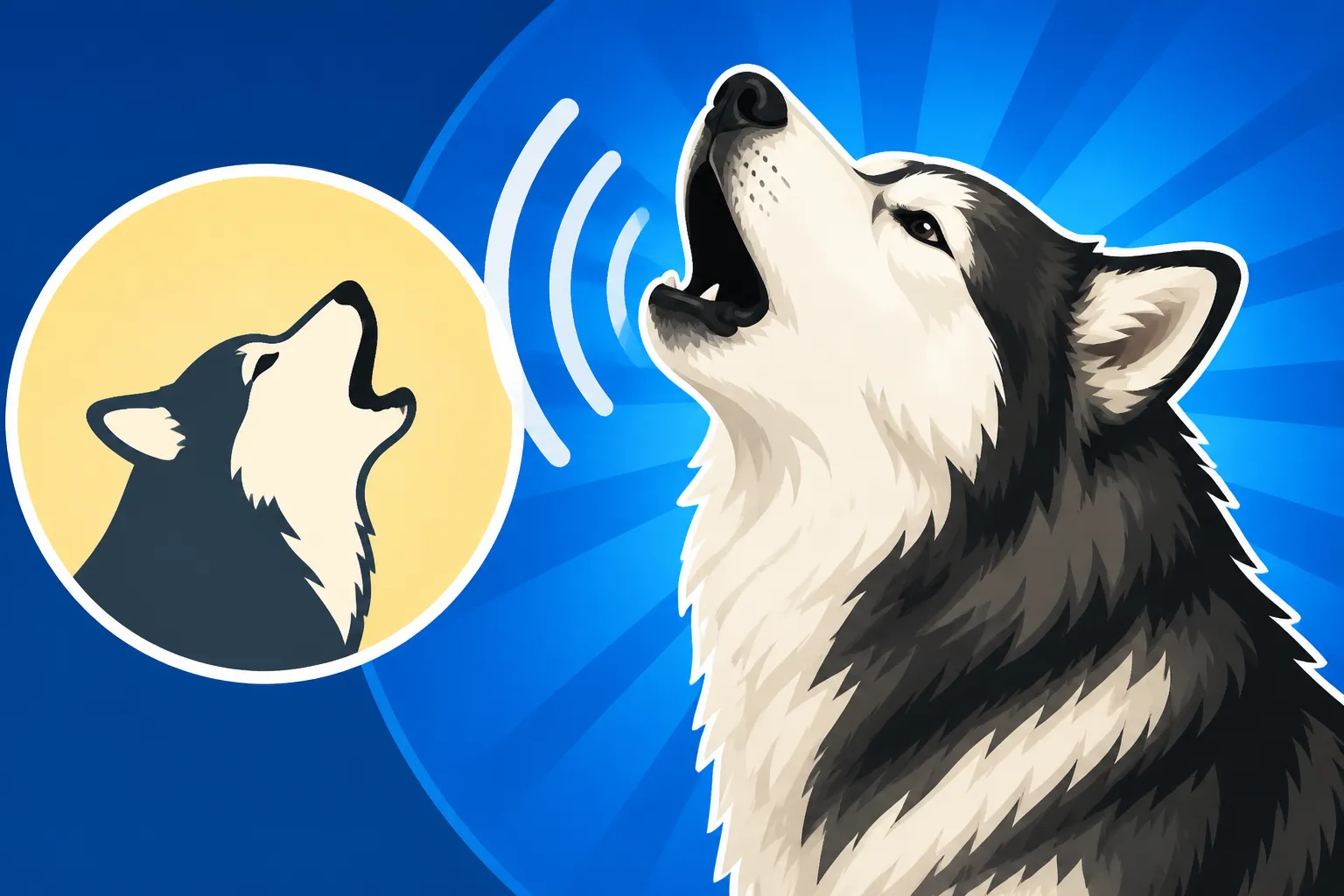
The Malamute howl is probably the most recognized sound they make, and for good reason. It's often a long, sustained note, sometimes rising and falling, sometimes breaking into a series of short, choppy howls. Unlike a bark, which is typically a warning or an alert, a howl is often a form of communication over distance, a way of announcing their presence or reaching out to their pack. It can be triggered by a variety of stimuli: a siren passing by, another dog howling in the distance, certain music, or even just the pure joy of being alive.
I remember my first Malamute, Kodi. He used to sit by the window and howl along with the ambulance sirens that occasionally passed our street. It wasn't a distressed sound; it was more like he was joining a choir, a deep, resonant contribution to the urban symphony. This isn't just a quirky habit; it's an instinct deeply ingrained in the breed. They're trying to communicate, to locate their pack, or to express an emotion that a simple bark can't convey. Understanding Why an Alaskan Malamute Howls can really help you appreciate this ancient form of communication rather than seeing it as merely noisy.
The Distinctive "Woo-Woo" or "A-woo"
The "woo-woo" sound is often a variation of a howl, but it's usually softer, more conversational, and typically directed at specific individuals or situations. It's often accompanied by a happy, wagging tail and a playful posture. This is your Malamute's way of saying "hello," "I'm happy to see you," or "pay attention to me!" It's less about long-distance communication and more about close-range interaction.
My friend's Malamute, Luna, is a master of the "woo." When her husband comes home from work, Luna will meet him at the door, her tail thumping, her whole body wiggling, and she'll let out a series of joyful "woo-woos." It's incredibly endearing and unmistakably Malamute. This specific sound is so characteristic of the breed that many owners refer to it as their dog's "talking." It’s often used instead of barking to express excitement or greeting, a fascinating insight into Why a Malamute Wooes Instead of Barking. Sometimes, it almost sounds like they're trying to mimic human speech, which is why they earn the nickname "chatty."
Beyond the Howl: Other Malamute Vocalizations
While howling and "wooing" are quintessential Malamute sounds, their vocal range extends much further. They have a whole dictionary of grumbles, groans, chirps, and even a unique "talking" that can surprise unsuspecting owners.
Grumbles, Groans, and Mumbles
Alaskan Malamutes are masters of the low-frequency vocalization. They will often grumble, groan, or mumble, especially when they are comfortable, content, or slightly inconvenienced. These sounds are usually quiet and meant for their immediate circle. A deep groan might mean they are settling down for a nap, or a soft grumble could indicate mild displeasure at being moved from a cozy spot.
Imagine your Malamute stretched out on their favorite dog bed, deep in thought (or perhaps just dreaming of chasing squirrels). You might hear a soft, rumbling groan as they shift positions, or a little mumble if you nudge them awake. These are often signs of contentment or a mild protest, not aggression. It's their way of softly expressing themselves without the need for louder, more urgent sounds. It’s part of their charm, a background soundtrack to their calm, majestic presence in your home.
Whines and Chirps: Expressing Needs and Desires
While not as common as the howl, Malamutes do whine, typically when they want something specific or are feeling a bit anxious. A sharp whine might indicate they need to go outside, while a softer, more persistent one could be a plea for attention, a treat, or a favorite toy. Chirps are less common but are sometimes heard as a playful, light vocalization during excitement or interaction with another dog.
I've learned to distinguish my Malamute's different whines. The "I need to potty now" whine is short and insistent. The "I'm bored, let's play!" whine is longer, with an upward inflection, often accompanied by nudging you with their nose. These are deliberate attempts to communicate their immediate needs. For a new owner, learning to decipher these subtle vocal cues is key to understanding your dog. If you notice an increase in whining, especially if it's accompanied by destructive behavior, it might be a sign they need more mental or physical stimulation, a topic explored in Whether a Bored Malamute Destroys the House. Investing in interactive toys available on platforms like Amazon can sometimes help channel that excess energy.
"Talking": A Unique Blend of Sounds
Many Malamute owners will tell you their dogs "talk." This isn't actual words, of course, but a fascinating medley of woos, groans, mumbles, and short bursts of sound that, strung together, often sound like a canine monologue. They use their vocal cords to create an array of inflections and tones that can genuinely sound like they are trying to hold a conversation.
My Malamute, Nanuk, has an entire "talking" routine when I come home from errands. He'll sit in front of me, head cocked, and deliver a long, rambling series of woos and grumbles, almost as if recounting his day. It’s highly expressive and utterly charming. This "talking" is often a sign of high intelligence and a strong bond with their human family. They're engaging with you, trying to share their thoughts and feelings in the only way they know how. It's a reminder of how deeply connected these dogs can be to their people.
Why Malamutes Don't Bark Much (and When They Do)
One of the most striking differences between Alaskan Malamutes and many other dog breeds is their relatively low propensity for barking. If you're used to a yappy terrier or a vigilant German Shepherd, a Malamute's quiet nature might come as a surprise. However, they do bark, and understanding when they bark is crucial.
A Natural Rarity: Why Barking Isn't Their First Language
Historically, Alaskan Malamutes were bred for freighting, hunting, and companionship in Arctic communities. Barking would have been counterproductive for many of these tasks. A loud, repetitive bark could scare away game during a hunt or attract unwanted attention in a silent, vast landscape. Instead, they relied on howling for long-distance communication within their pack and subtle body language for close-range interactions. This historical context provides a strong explanation for Why a Malamute Wooes Instead of Barking. Their energy was channeled into physical endurance and intelligence, not incessant vocal alerts.
Therefore, a Malamute that barks frequently might be indicating an underlying issue. It's often not their natural inclination. This quiet demeanor makes them wonderful companions for those who prefer a less vocal dog, but it also means that when they do bark, you should pay attention.
When a Malamute Barks: Alerting and Frustration
While not their primary mode of communication, Malamutes will bark in specific situations. The most common reasons for a Malamute bark include:
- Alerting you to a perceived threat: This could be a stranger at the door, an unusual noise outside, or something that genuinely startles them. Their bark in this scenario is usually sharp, deep, and authoritative, a clear "something is here!" message. However, don't expect them to be guard dogs; once they've alerted you, they're more likely to greet a friendly stranger with a wagging tail rather than continuing to bark aggressively. This unique trait is why Why a Malamute Deters Nobody is often a reality for owners.
- Frustration or boredom: A Malamute that is under-exercised, under-stimulated, or left alone for too long might resort to barking out of frustration. This bark can often sound repetitive and desperate. If your Malamute is barking excessively, it's often a cry for help – they need more physical activity, more mental challenges, or more companionship.
- Play and excitement: During vigorous play, especially with other dogs, a Malamute might let out excited barks. These are usually short, sharp, and mixed with other playful vocalizations like growls or woofs. They are part of the joy of the moment, not a sign of distress.
- Demand barking: Sometimes, a clever Malamute learns that barking gets them what they want – attention, food, or access to a particular area. This is a learned behavior and can be reduced through consistent training using positive reinforcement. If your Malamute starts barking every time you pick up the leash, they're likely trying to tell you, "It's walkie time, let's go!"
It's important to remember that if your Malamute barks, it's generally for a reason. Rarely is it just "because." Decoding the context of the bark is crucial to addressing it appropriately.
Understanding Malamute Body Language with Sounds
Malamutes, like all dogs, communicate through a rich tapestry of sounds and body language. Understanding how these two elements intertwine can give you profound insight into your dog's emotional state and intentions. It's like having a bilingual dictionary for your furry friend.
Sound as an Amplifier of Physical Cues
A Malamute's vocalizations rarely occur in isolation. They are almost always accompanied by distinct physical cues. For example:
- Play Bow + Play Growl/Woo: When a Malamute drops into a play bow (front legs down, rear end up, tail wagging), and lets out a low, rumbling play growl or a happy woo, it's an unmistakable invitation to play. The sound amplifies the playful intent of the body language.
- Alert Stance + Deep Bark: If your Malamute stands tall, ears forward, tail stiff or slightly raised, and lets out a deep, resonant bark, they are clearly alerting you to something they perceive as significant. This combination means "pay attention, something is happening!"
- Relaxed Posture + Groan/Sigh: A Malamute curled up, perhaps with eyes closed or half-closed, letting out a soft groan or a contented sigh, is communicating ultimate relaxation and comfort. The sound confirms the peacefulness of their posture.
Paying attention to these combinations is vital. A growl from a Malamute with a loose, relaxed body and a wagging tail is likely a play growl. The exact same growl from a dog with a stiff body, lowered head, and direct eye contact could be a warning. Context is everything. Understanding What an Alaskan Malamute Was Bred to Hunt can help you interpret their alert behaviors, knowing their instincts are strong even in a domestic setting.
The Role of Ears, Tail, and Eyes
Observe your Malamute's ears, tail, and eyes when they make a sound. These are powerful indicators of their emotional state:
- Ears: Erect, forward-facing ears often accompany alert barks or curious woos. Flattened or pinned-back ears might indicate fear or submission, often paired with a whimper or a low whine. Relaxed ears that move freely usually go with contented grumbles or happy woos.
- Tail: A high, rapidly wagging tail combined with enthusiastic woos or excited barks signifies joy and eagerness. A low, slow wag often accompanies submissive whines. A tail tucked firmly between the legs, coupled with whimpers, signals fear or extreme anxiety.
- Eyes: Wide, bright eyes with a soft gaze usually accompany friendly vocalizations. Dilated pupils and a hard stare can accompany an alert bark or a warning growl. Squinted eyes might suggest discomfort or intense focus on something that triggers a vocalization.
By integrating the sound with what your Malamute's body is telling you, you'll develop a much deeper and more accurate understanding of their communication. It allows you to respond appropriately, whether it's joining in on a play session or investigating what might be causing them distress. Training resources like those offered by BAXTER & Bella often emphasize reading your dog's complete communication signals, not just their voice.
Managing Malamute Vocalizations in a Neighborhood Setting
While your Malamute's unique sounds are charming, living in a suburban or urban environment means being mindful of how their vocalizations impact your neighbors. Managing their noise levels responsibly is a key part of responsible Malamute ownership.
Understanding the Neighborhood Impact
An Alaskan Malamute's howl, while beautiful to you, can carry quite far and be disruptive to others. Their low-frequency sounds can penetrate walls and resonate through quiet neighborhoods, especially early in the morning or late at night. How a Malamute's Noise Carries in a Neighborhood is a common concern for owners. It's crucial to be proactive in managing these sounds, not just for your neighbors' peace but also for your Malamute's well-being. Excessive vocalization often points to unmet needs.
Before addressing vocalizations, first, ensure your Malamute's fundamental needs are met: plenty of exercise, mental stimulation, and companionship. A bored or lonely Malamute is a noisy Malamute. A long walk, a stimulating puzzle toy (many options available on Amazon), or dedicated playtime can often reduce unnecessary vocalizations significantly.
Strategies for Reducing Unwanted Vocalizations
Here are some practical strategies to help manage your Malamute's vocalizations:
- Identify the Triggers: Pay close attention to when your Malamute is vocalizing. Is it when the mail carrier comes? When they see another dog outside? When they hear a specific sound? Knowing the trigger is the first step to addressing the behavior.
- Environmental Management:
- Visibility Control: If your Malamute barks or howls at things they see outside, limit their visual access. Close curtains, use privacy film on windows, or set up a barrier that prevents them from seeing outside from their favorite perch.
- Sound Masking: Play music or a white noise machine to mask external sounds that might trigger vocalizations.
- Enrichment: Provide plenty of interactive toys, chew toys, and puzzle feeders. A mentally engaged Malamute is less likely to resort to boredom-induced vocalizations.
- Positive Reinforcement Training:
- "Quiet" Cue: Teach your Malamute a "quiet" command. When they start to vocalize, say "Quiet," and when they stop for even a second, reward them immediately with a high-value treat. Gradually increase the duration they need to be quiet before getting the reward. Consistency is key here. Learning Teaching an Alaskan Malamute a Quiet Cue is invaluable.
- Desensitization and Counter-Conditioning: If your Malamute reacts to a specific trigger (e.g., the doorbell), work on desensitizing them. Start by playing a recording of the doorbell at a very low volume, rewarding your Malamute for remaining calm. Gradually increase the volume over many sessions.
- Reward Calmness: Actively reward your Malamute when they are quiet and relaxed, especially when potential triggers are present. This teaches them that calm behavior is more rewarding than vocalizing.
- Professional Help: If you're struggling to manage your Malamute's vocalizations on your own, don't hesitate to seek help from a certified professional dog trainer or a veterinary behaviorist. They can provide tailored advice and help you implement a training plan. Programs like BAXTER & Bella offer excellent online resources and one-on-one coaching that can be particularly helpful for managing specific behavioral challenges. Sometimes, barking or howling can be a symptom of underlying anxiety or stress, and a professional can help diagnose and address these deeper issues.
Remember, a Malamute's voice is part of their identity. The goal isn't to silence them completely, but to manage excessive or inappropriate vocalizations, ensuring a harmonious home life for everyone.
The Difference: Malamute vs. Husky Vocalizations
It's common for people to confuse Alaskan Malamutes with Siberian Huskies, and this confusion often extends to their vocalizations. While both breeds are known for their "wolf-like" howls, there are distinct differences in their overall vocal profiles.
Volume and Frequency: Husky vs. Malamute
Generally, Siberian Huskies are perceived as being more vocal than Alaskan Malamutes, often displaying a wider range of high-pitched yaps, barks, and excited "singsong" howls. Huskies can be incredibly talkative, sometimes almost to the point of being demanding with their chatter. Their vocalizations often have a higher pitch and a more varied, complex melody.
Alaskan Malamutes, while capable of powerful howls, tend to be less prone to constant chatter. Their howls are typically deeper, more resonant, and often used with specific intent rather than as a continuous monologue. While they have their "talking" moments, it's often more measured than the sometimes incessant commentary of a Husky. The Malamute's vocalizations, while varied, lean towards the more profound and less frenetic. This is a subtle difference, but it's one that many owners of both breeds will readily identify. How a Malamute's Voice Differs From a Husky's provides more detailed comparison.
Intent Behind the Sound
Both breeds retain ancestral vocalizations, but the specific contexts and intensities often differ:
- Husky: Often uses a wide range of vocalizations for general excitement, expressing opinions, demanding attention, or reacting playfully to everyday stimuli. Their "singing" is legendary, a joyful, sometimes theatrical performance.
- Malamute: Tends to reserve its full-throated howl for more significant communications – sirens, other distant dogs, or a deep expression of contentment or loneliness. Their "woo" is more directed, often a personal greeting or a request. While they can be playful, their general vocal tenor is less "bubbly" than a Husky's.
It’s worth noting that individual personality plays a huge role. You might find a quiet Husky or a particularly chatty Malamute! However, understanding the general breed tendencies can help set realistic expectations for potential owners. Neither breed is typically suited for apartment living without significant effort to manage their vocalizations, due to the carrying nature of their sounds.
Learning to Appreciate Your Malamute's Voice
Living with an Alaskan Malamute means embracing their unique vocalizations as part of their charm and communication style. While managing excessive noise is important, learning to understand and even appreciate their sounds can deepen your bond.
A Rich Form of Communication
Your Malamute's woos, howls, grumbles, and mumbles are not just random noises. They are a rich, complex language, offering insights into their emotions, needs, and desires. By paying attention to the context, body language, and specific sounds, you can learn to "speak" Malamute. This understanding fosters a stronger relationship, built on mutual respect and clear communication.
Embrace the uniqueness! The classic Malamute "a-woo" is a source of joy for many owners, a special greeting that only they receive. The contented groan of a sleeping Malamute is a sign of trust and comfort. These sounds are what make owning an Alaskan Malamute such a distinctive and often hilarious experience.
Fostering Positive Vocal Habits
Encourage positive vocal habits by rewarding desired sounds and managing unwanted ones. If your Malamute "woos" to greet you gently, acknowledge it positively. If they bark excessively at the doorbell, work on the "quiet" command and desensitization. Consistent training, adequate exercise, and mental stimulation are your best tools.
Ultimately, the goal is not to have a silent Malamute, but a well-adjusted one whose vocalizations are appropriate and understood. They are a breed full of personality, and their voices are a huge part of that. So, lean in, listen closely, and enjoy the symphony that is your Alaskan Malamute!
| Sound Type | Typical Context/Meaning | Associated Body Language | Management Tip |
|---|---|---|---|
| Howl | Long-distance communication, siren response, excitement, separation anxiety | Head tilted, mouth open, sometimes pacing | Identify triggers (sirens, other dogs), increase exercise/mental stimulation, 'quiet' command |
| Woo-Woo / A-Woo | Greetings, play invitation, seeking attention, happiness | Wagging tail, playful bow, nudging, relaxed posture | Acknowledge positive greetings, redirect excessive attention-seeking to a toy |
| Grumble / Groan | Contentment, mild protest at being moved, settling down, dreaming | Relaxed body, eyes closed or half-closed, slow shifts in position | Usually harmless, a sign of comfort; ensure comfort is not disturbed harshly |
| Whine | Seeking attention, need to go out, mild frustration, anxiety | Pacing, nudging, looking at door, tail low or tucked | Address immediate needs (potty, play), train 'wait' for attention |
| Bark | Alerting to perceived threat, frustration, excitement in play | Alert stance, ears forward, sometimes tail raised; or restless/destructive | Identify trigger, manage environment, 'quiet' command, increase exercise |
| "Talking" | Conversational, expressing opinions, engagement with owner | Varied, often includes head tilts, eye contact, body wiggles | Engage back! This is a positive bond-building behavior. |
Disclaimer
This article is for general informational purposes only and does not constitute professional advice. Laws, prices and regulations vary by location and change over time. Consult a qualified professional for guidance on your specific situation.