Why a Malamute Wooes Instead of Barking
It’s a common scenario for new Alaskan Malamute owners: you bring home this majestic, wolf-like dog, expecting perhaps a deep, resonant bark, only to be met with a symphony of "woo woos," howls, and grumbles that sound more like a talking dog than a traditional canine alarm system. This unique vocal repertoire can be both charming and utterly baffling, leaving many wondering why their Malamute communicates so differently. This guide will dive deep into the fascinating world of Malamute vocalizations, explaining the ancestral roots behind their distinctive sounds and how to understand this rich, expressive language.
Understanding the Malamute's Ancestral Voice
When you live with an Alaskan Malamute, you're not just sharing your home with a dog; you're living with a direct descendent of ancient Arctic canids, whose communication methods are deeply rooted in their historical purpose and environment. Their vocalizations, especially the iconic "woo woo," are a direct link to their past, offering a glimpse into how their ancestors communicated in a very different world than our modern homes.
The Echoes of the Arctic Wolf
It’s no secret that Alaskan Malamutes share a strong genetic lineage with their wild wolf cousins. This connection isn't just about their impressive size or their thick, double coat; it extends profoundly into their behavioral patterns, including how they choose to vocalize. Wolves, as highly social and intelligent animals, employ a vast array of sounds to communicate within their pack and territory. They howl to gather the group, warn off rivals, or simply express loneliness. They use whines to show submission or desire, growls to assert dominance or warn, and yips or barks in short bursts for alarm or excitement.
For a Malamute, these ancestral patterns aren't just residual; they are foundational. While millennia of domestication have certainly shaped their expression, the raw materials of their vocal toolbox remain strikingly similar to those of wolves. You'll hear a Malamute use a wide range of tones, pitches, and durations in their sounds, each carrying a specific message, much like a wolf's intricate communication system. It’s far more nuanced than the simple barks most people associate with typical domestic dogs, reflecting a complex internal world.
Communication in the Wild Pack
Imagine a Malamute's ancestors, working together in a vast, silent, snowy landscape. Efficient communication was paramount for survival, but constant, loud barking would have been counterproductive. Loud, sustained barking would alert prey to their presence, give away their position to potential dangers, and be difficult to sustain over long distances or extended periods of work. Instead, dogs like the Malamute developed a more sophisticated, often quieter, and more varied form of communication that was perfect for their lifestyle.
Pack animals rely heavily on non-verbal cues – body language, scent marking, and subtle shifts in posture. But when vocalizations were needed, they had to be effective without being overly revealing or exhausting. Howls, for instance, travel far through open landscapes, enabling contact with distant pack members without revealing exact locations or intentions to immediate threats. The "woo woo" sound, a softer, modulated howl or whine, could signal excitement or greeting without the sharp, attention-grabbing nature of a bark. It's a method of communication designed for nuance and purpose, not just raw noise.
Mahlemut Needs and Silent Hunters
The Mahlemut people, who originally bred these magnificent dogs in the Kotzebue Sound region of Alaska, needed dogs that were powerful, enduring, and intelligent, but also sensible in their vocalizations. They were primarily used for freighting, hauling heavy loads over long distances, and assisting in hunting large game. A dog that barked incessantly would be a liability in these roles. The Mahlemut of Kotzebue Sound Bred the Alaskan Malamute not for guarding property with loud warnings, but for silent, focused work.
When hunting seals or other animals, stealth was crucial. A barking dog would simply scare the prey away. Therefore, the dogs that were most effective in their work – the ones that helped their human companions thrive – were those that communicated efficiently and quietly. This selective breeding over generations, even if not explicitly for "non-barking," inadvertently favored dogs with a predisposition for sounds other than barking. They learned to rely on their richer vocal repertoire, and we, as modern owners, are still seeing the results of those ancient practices today.
Deconstructing the "Woo Woo" Sound
The "woo woo" is perhaps the most endearing and iconic sound an Alaskan Malamute makes. It’s a signature vocalization that sets them apart from many other breeds, and it's often the first thing people notice when interacting with one of these big, fluffy conversationalists. But what exactly is it, and what does it mean?
What Exactly is a Malamute Woo?
If you've never heard a Malamute woo, imagine a sound somewhere between a mournful howl, a happy sigh, and a low, guttural grumble, all blended together with rising and falling inflections. It’s rarely a sharp, sudden noise. Instead, it often starts with a low rumble in the chest, builds into an ascending "ooooo-wooo-wooo-oooo" sound, and then often fades into a series of contented huffs or grumbles. It's a truly unique vocalization, unlike the rapid, sharp, repetitive bark of a Labrador or a terrier. What a Malamute's Woo Actually Means can vary greatly depending on the context, but it's almost always an invitation to engage or an expression of strong emotion.
It’s important to understand that the "woo woo" isn't just one sound; it's a spectrum. The pitch, duration, and volume can all change, subtly altering the message. A high-pitched, excited "WOO WOO WOO" is usually a joyous greeting, accompanied by a wagging tail and a full-body wiggle. A lower, more drawn-out "woo-ooo-ooo" might be an expression of desire, like when they want a treat or attention, or perhaps even a mild complaint about being ignored. It’s truly a conversational sound, meant to elicit a response and share their feelings with you.
The Range of Malamute Vocalizations
While the "woo woo" gets all the press, it's just one note in the Malamute's extensive and sophisticated vocal symphony. These dogs possess an incredible range of sounds, far beyond the typical barks, yelps, and growls common in many other breeds. To truly understand your Malamute, you need to listen for the full orchestra. What Sounds an Alaskan Malamute Makes can be astonishingly diverse.
You'll hear deep, rumbling grumbles when they're settling down for a nap, almost like they're talking to themselves. There are soft chuffs of contentment, little "huffs" that sound like they're clearing their throat. And then, of course, there are the full-blown howls. A Malamute's howl is a magnificent, haunting sound, often triggered by sirens, other dogs howling, or a strong feeling of isolation. Why an Alaskan Malamute Howls is a deeply ingrained instinct, a way to connect with their pack over distance, whether that pack is other dogs or their human family. They might even combine these sounds, starting with a woo, transitioning to a grumble, and ending with a huff – a true Malamute conversation!
The Emotional Triggers for Wooing
Malamutes are highly emotional and expressive creatures, and their "woo woo" is often their chosen method for conveying these feelings. It's rarely a neutral sound; it's almost always tied to a strong emotional state. One of the most common triggers is excitement, especially during greetings. When you come home from work, or even just walk into the room after a short absence, prepare for a joyous "woo woo" serenade. It’s their way of saying, "You're back! I missed you! I'm so happy!"
Another frequent trigger is the desire for attention or interaction. If your Malamute wants to play, wants a walk, or simply feels like you haven't given them enough pets lately, they might start wooing at you. It's not usually demanding or aggressive; it's more of a persistent, charming plea. They're trying to engage you, to start a conversation, and they're usually quite effective at it! Sometimes, they'll even woo when they're a bit frustrated, like when they see a squirrel they can't chase, or when you tell them "no" to something they really want. It's their polite way of complaining, "Oh, come on, Mom/Dad! A little woo wouldn't hurt!"
Why Barking Isn't a Malamute's First Choice
For many dog breeds, barking is the primary mode of vocal communication. It's how they alert, demand attention, express excitement, or even just complain. But for the Alaskan Malamute, barking is often a secondary, or even tertiary, choice in their expansive vocal vocabulary. This isn't because they can't bark, but because their historical development and innate instincts lead them to prefer other methods.
The Purpose of a Bark in Domestic Dogs
Think about the typical functions of barking in breeds like terriers, shepherds, or even many retrievers. A terrier barks to alert its owner to a rodent in the yard or a stranger approaching. A German Shepherd barks to guard its territory and family. Many small breeds bark excessively to compensate for their size, demanding attention or warning off perceived threats. These barks are often sharp, repetitive, and designed to grab immediate attention or deter. They serve as a quick, efficient, and often loud way to signal something important to their human companions.
In contrast, the Malamute, as we've discussed, has a different lineage and purpose. Their ancestors were less concerned with warning off every passing squirrel or person, and more focused on efficient, sustained work and cohesive pack dynamics. While they possess the physical ability to bark, the instinct to rely on it as a primary form of communication is simply not as strong in their genetic makeup. How Little an Alaskan Malamute Barks often surprises new owners who are used to more vociferous breeds. They're not being stubborn or broken; they're just being Malamutes.
Energy Conservation and Selective Communication
Imagine pulling a heavy sled across miles of frozen tundra. Every ounce of energy counts. Sustained, high-volume barking would be an incredible drain on a working dog's energy reserves, energy that would be far better spent on the task at hand. The Malamute's preference for sounds like woos and howls, which can be modulated in volume and often carry more emotional depth, reflects an energy-efficient approach to communication. They use their voice purposefully, not casually.
Furthermore, Malamutes are highly intelligent and often quite independent thinkers. They seem to understand that not every minor event warrants a full-blown alarm. Their communication is often selective. They'll "talk" when they have something important to convey to you or another dog, or when they're expressing strong emotions. They don't typically engage in "nuisance barking" just because a leaf blew by, or because they're bored and want to hear themselves speak. This selective approach is part of their inherent wisdom and efficiency as a working breed.
When a Malamute Does Bark
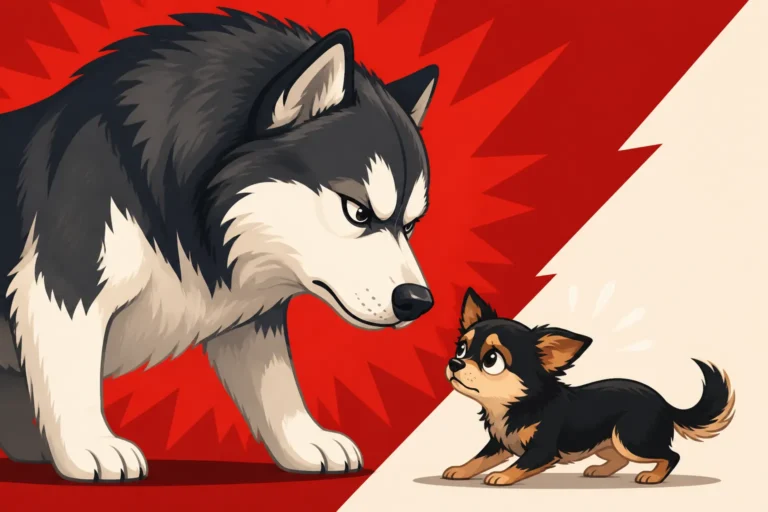
While it's true that Malamutes are not prolific barkers, it's a myth to say they never bark. They absolutely can, and do, bark under specific circumstances. Understanding these triggers is key to interpreting their communication. A Malamute might bark if they perceive a sudden, unexpected threat. Think of a stranger suddenly appearing at the fence or a loud, unfamiliar noise that genuinely startles them. This bark is usually sharp, urgent, and often accompanied by alert body language – ears forward, tail stiff.
They might also bark during intense play or frustration. If a play session gets particularly rambunctious, or if they're trying to get a toy from another dog and can't, a quick bark or two might slip out. This is usually more of an exclamation than a sustained vocalization. Sometimes, a Malamute will also mimic other dogs. If they live with a dog that barks a lot, your Malamute might occasionally try to join in, though they'll often fall back to their more natural woos and howls after a few attempts. It's as if they're trying to fit in, but their true voice always shines through.
Interpreting Your Malamute's Unique Language
Living with an Alaskan Malamute is like having a constant, low-level conversation happening in your home. Their various vocalizations are not random noises; they are expressions, questions, demands, and declarations. Learning to interpret this rich language is one of the most rewarding aspects of Malamute ownership, deepening the bond you share with your intelligent companion.
Decoding the Nuances of the Woo
Just as a human voice can convey myriad emotions through subtle shifts in tone and pitch, a Malamute's "woo" is incredibly versatile. It's not a one-size-fits-all sound. A short, sharp, excited "woo!" is almost always a happy greeting or an enthusiastic response to something they anticipate, like you picking up their leash for a walk. This is often accompanied by a rapidly wagging tail and a happy dance.
A longer, more drawn-out, almost conversational "woo-oooo-ooooo" might be a request for attention or a mild protest. If they’re looking at you, then at their food bowl, then back at you with this sound, they’re asking, "Is it dinner time yet?" If they’re lying on the couch and you stop petting them, a soft, low woo might be their way of saying, "Hey, I wasn't done yet!" Pay attention to the accompanying body language – tail position, ear set, and eye contact – as these will provide critical context. A high-pitched, almost singing woo can sometimes indicate extreme excitement or joy, while a softer, more breathy woo might be a sign of comfort and affection.
Grumbles, Groans, and Conversational Chuffing
Beyond the famous "woo," Malamutes excel in a range of guttural and breathy sounds that are equally expressive. The grumble is a staple of their communication. It's a low, rumbling sound that originates deep in their chest, and it can mean many things. A soft grumble when they’re being petted is usually a sign of deep contentment and relaxation, like a cat purring. It's their happy sound. However, a harder, lower grumble, especially if accompanied by a stiff body and direct stare, can be a warning. This is where context and knowing your dog are crucial.
Groans are often associated with settling down or getting up. They might groan dramatically as they flop onto their bed, or let out a long, drawn-out groan as they stretch after a nap. These are usually expressions of comfort or mild inconvenience. Chuffing, a short, breathy exhalation, is often a sign of mild inquiry or attention-seeking. It's almost like a soft clearing of the throat, designed to make you look their way. These sounds, along with little huffs and puffs, create a constant, engaging backdrop to life with a Malamute. A Malamute's Wooes Instead of Barking provides a truly unique auditory experience.
Reading Body Language with Vocalizations
No vocalization exists in a vacuum. To truly understand what your Malamute is telling you, you must pair their sounds with their body language. A "woo woo" can mean different things depending on whether their tail is wagging furiously or held stiffly, whether their ears are perked forward or flattened back, and whether their posture is loose and inviting or tense and wary.
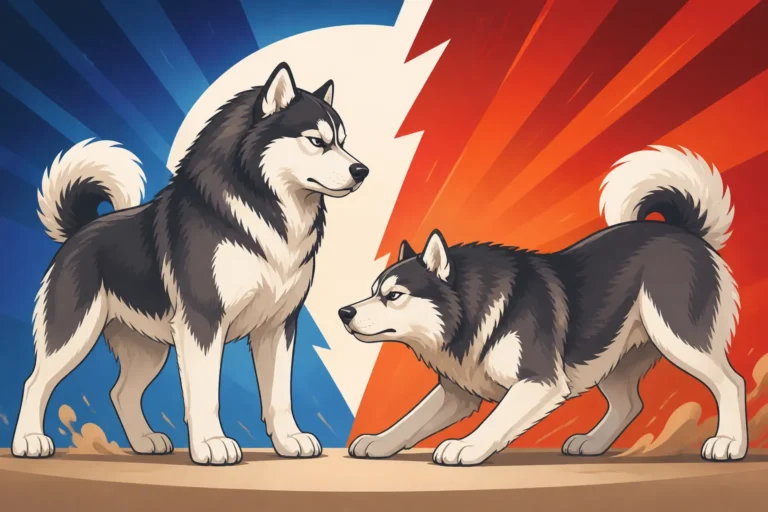
For instance, an excited "woo woo" combined with a loose, wiggly body, open mouth, and rapidly wagging tail is clearly a happy greeting. But a low grumble combined with a hard stare, tense body, and perhaps a lip curl or raised hackles is a definite warning sign. Learning to read these combined signals takes time and observation, but it’s the key to becoming fluent in Malamute-speak. Pay attention to the whole picture – the sound, the eyes, the ears, the tail, the posture – and you’ll unlock a much deeper understanding of your dog’s emotional state and intentions.
Managing and Encouraging Malamute Vocalizations
Living with a Malamute means accepting and often celebrating their unique vocal habits. While you wouldn't want to silence their charming woos, there might be times you need to manage excessive noise or teach them more appropriate ways to communicate. The goal is always to work with their natural instincts, not against them.
Embracing the Woo and Channeling the Howl
The first step in managing Malamute vocalizations is to appreciate them for what they are. Your Malamute isn't "broken" because they don't bark like other dogs; they're simply being true to their heritage. Embrace the "woo woo" as a special part of their personality. Many owners find these sounds incredibly endearing and a source of constant amusement. It's like having a dog who genuinely tries to talk to you.
When it comes to howling, understand that it's a powerful, primal instinct. Instead of trying to suppress it entirely, consider channeling it. If your Malamute howls at sirens, and it doesn't bother the neighbors, you might just let them express themselves. If it's problematic, try to redirect their attention before the howl fully develops. Engage them with a favorite toy or a quick training session. Providing outlets for their natural behaviors, like allowing them to "sing" occasionally, can prevent frustration from building up. Remember, Why an Alaskan Malamute Howls is part of their identity.
When to Be Concerned About Excessive Noise
While Malamute vocalizations are generally charming, there are instances where they might signal a problem. Persistent, distressed whining or howling when left alone could indicate separation anxiety. If your Malamute is normally quiet but suddenly starts howling or vocalizing mournfully for extended periods, it could be a sign of pain, illness, or significant stress. A sudden increase in vocalizations, especially growls or barks, accompanied by fearful or aggressive body language, might point to an underlying fear issue or a need for behavioral intervention.
It's crucial to differentiate between normal, expressive communication and cries of distress or problematic behaviors. If you notice a significant change in your Malamute's vocal habits, or if their vocalizations seem consistently negative, a visit to your veterinarian is always the first step to rule out any medical issues. After that, consulting with a certified professional dog trainer or behaviorist can help address behavioral concerns.
Training for Appropriate Communication
While you can't, and shouldn't, try to turn a Malamute into a silent dog, you can absolutely train them for appropriate communication. This often involves teaching a "quiet" cue. When your Malamute is vocalizing appropriately (e.g., a happy woo), praise them. When they are being overly vocal or making noise in an inappropriate situation, you can use the "quiet" cue. The trick is to teach them what "quiet" means.
Start by holding a treat to their nose, then slowly move it away, saying "quiet." The moment they stop vocalizing to sniff the treat, even for a second, praise and reward. Over time, you can extend the duration of the quiet. Teaching an Alaskan Malamute a Quiet Cue takes patience and consistency, but it’s a valuable skill for any vocal dog. You can also use enrichment toys from Amazon to keep them mentally stimulated, reducing boredom-induced vocalizations. Puzzle toys or long-lasting chews can divert their attention and give them something constructive to "talk" to. For structured training, programs like those offered by BAXTER & Bella can provide guidance on positive reinforcement methods to shape desired behaviors. Remember, Positive Training Alone Works on a Malamute best, as force or punishment will likely backfire on these sensitive, independent dogs.
The Impact of Malamute Vocalizations on Your Household
Living with an Alaskan Malamute means living with a truly unique conversationalist. Their vocalizations become part of the fabric of your home, and understanding how to integrate them into your daily life is key to a harmonious relationship, both within your family and with your neighbors.
Living with a Talkative Malamute
Embrace the fact that your Malamute is going to "talk." They will woo at you, grumble when they're comfortable, and likely howl at the occasional siren. This constant, often charming, vocal presence is a hallmark of the breed. Instead of finding it annoying, try to appreciate it as a form of interaction. Many Malamute owners report feeling like their dogs are truly communicating with them, responding to questions with woos and expressing opinions with huffs and sighs.
You'll quickly learn your individual Malamute's repertoire and what each sound generally means. This creates a special bond, a shared language that only you and your dog truly understand. Prepare for a lot of laughter and heartwarming moments as your Malamute expresses themselves throughout the day. Their vocalizations add character and joy to the home, making every day an adventure in deciphering their latest "conversation."
Neighborhood Relations and Sound Management
While you might adore your Malamute's vocalizations, your neighbors might not always share the same enthusiasm. A powerful Malamute howl can carry a surprising distance, and if your dog is frequently howling or vocalizing loudly when left alone, it could become a point of contention. How a Malamute's Noise Carries in a Neighborhood is something to be mindful of, especially in urban or suburban settings.
To maintain good neighborly relations, be proactive. If your Malamute tends to howl when you leave, consider crate training, providing engaging toys, or even doggy daycare for prolonged absences. Soundproofing measures for kennels or living spaces can also help. Regularly check in with your neighbors to ensure your Malamute's sounds aren't causing undue disturbance. A polite conversation, explaining the breed's unique vocal nature and demonstrating your efforts to manage it, can go a long way in fostering understanding. Desensitizing your Malamute to common outdoor sounds, like children playing or other dogs barking, can also help reduce reactive vocalizations.
The Joy of the Malamute's "Conversation"
Ultimately, the unique vocalizations of the Alaskan Malamute are a gift. They are a window into the rich history and complex personality of these magnificent dogs. Their "woo woos," grumbles, and howls are not just sounds; they are expressions of love, contentment, excitement, and occasionally, polite exasperation. They are an invitation to connect on a deeper, more personal level.
Owners who learn to appreciate and interpret this unique language often find their bond with their Malamute grows exponentially. It feels like having a partner in conversation, a dog who genuinely engages with the world around them through their voice. So, next time your Malamute offers you a heartfelt "woo," take a moment to listen, respond, and cherish the one-of-a-kind connection you share with these incredible Arctic dogs. It’s part of what makes living with an Alaskan Malamute such a truly special and memorable experience.
Disclaimer
This article is for general informational purposes only and does not constitute professional advice. Laws, prices and regulations vary by location and change over time. Consult a qualified professional for guidance on your specific situation.