Whether a Malamute Takes to Scent Work
One of the most common questions new Malamute owners grapple with is how to keep these intelligent, independent dogs mentally stimulated and truly engaged. Many folks wonder if activities like scent work, often associated with high-drive sporting breeds, are even worth attempting with a breed known more for stubbornness than finesse. This guide is here to unravel the truth about Alaskan Malamutes and scent work, helping you understand their natural abilities, the unique challenges, and how to successfully introduce this enriching activity to your furry companion.
Understanding the Malamute's Natural Aptitudes for Scent Work
When you think of an Alaskan Malamute, images of sledding through snowy landscapes, powerful freighting, and maybe a little mischievous digging probably come to mind. What might not immediately leap out is their incredible nose, yet it’s a tool they’ve relied on for millennia.
The Malamute's Ancestral Nose
Our beloved Malamutes hail from a lineage of dogs bred by the Mahlemut people of Alaska, where their survival and utility depended heavily on their keen senses. While they weren't typically bred for finding hidden objects in a competitive ring, their ancestors used their noses extensively for vital tasks. Imagine navigating vast, often featureless, snowy expanses; a strong sense of smell was crucial for finding game, tracking trails, and even locating their way back to camp during whiteouts. These dogs worked in concert with humans to hunt large game like bears and find seals, tasks that absolutely required acute scent detection over long distances. So, while modern scent work might look different from ancestral duties, the genetic predisposition for a powerful nose is undeniably there. It’s less about a rapid, precise search and more about a sustained, methodical investigation of their environment. A Malamute Was Bred to Hunt Bears and It Has Not Forgotten
Independence vs. Compliance in Scent Work
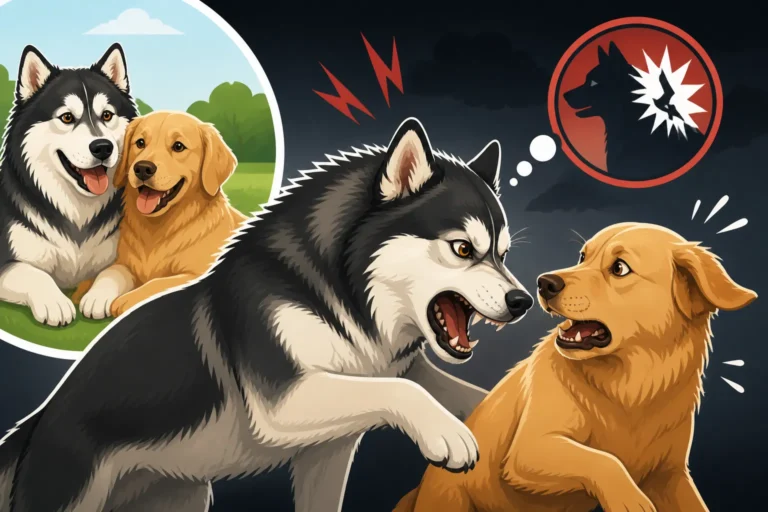
Here's where the Malamute's famous personality really shines through, or, depending on your perspective, presents a charming challenge. Malamutes are not Golden Retrievers or Labradors, breeds often lauded for their biddability and eagerness to please their handler above all else. A Malamute operates on a more collaborative, "what's in it for me?" basis. They are intelligent and capable, but they are also independent thinkers. This means that in scent work, they might not instantly grasp or comply with the rigid structure of a competition-style search.
Instead, they approach it with a magnificent blend of curiosity and self-direction. They might get distracted by an interesting outdoor scent, or they might decide that sniffing a particular patch of grass is more rewarding than finding your carefully hidden target odor. This isn't defiance; it's simply their nature. Successful scent work with a Malamute leans heavily on making the activity intrinsically rewarding for them and understanding that they are partners, not robots. Expecting immediate, unwavering compliance, especially in a new activity, is a recipe for frustration for both of you. Why an Alaskan Malamute Will Never Have a Reliable Recall
The Benefits and Challenges of Introducing Scent Work to Your Malamute
Bringing any new activity into your Malamute's routine comes with its own set of considerations. Scent work, while incredibly beneficial, also has nuances that are particularly relevant for this magnificent breed.
Why Scent Work is a Great Mental Outlet
Let's be real, a Malamute isn't just a pretty face or a powerful pulling machine. They are incredibly smart dogs with active minds that need stimulation just as much as their bodies need exercise. Scent work is an absolute powerhouse for mental enrichment. It taps into their natural instincts and provides a "job" that is both engaging and tiring.
- Combats Boredom and Destructive Behaviors: A bored Malamute is often a destructive Malamute. If their minds aren't challenged, they'll find their own "work," which might involve redecorating your couch or excavating your backyard. Scent work gives them a constructive outlet for their energy and intelligence. It can dramatically reduce common nuisance behaviors like excessive digging or chewing (see Whether a Bored Malamute Destroys the House).
- Builds Confidence: For shy or anxious Malamutes, scent work can be a game-changer. It's an activity they can succeed at largely on their own, boosting their self-assurance without constant handler direction. They learn to trust their own nose and make decisions, which translates into a more confident dog overall.
- Channels Natural Instincts: As we discussed, their ancestors relied on scent. Giving your Malamute a chance to use their incredible olfactory abilities fulfills a deep, primal need. It’s like allowing a bird to fly or a fish to swim – it's what they're built for. This deep satisfaction contributes immensely to their overall well-being.
- Low Impact Physical Exercise: For older Malamutes, or those with joint issues like hip dysplasia, scent work offers excellent mental stimulation without the physical strain of long runs or heavy pulling. They can engage their minds fully while moving at their own pace. Caring for an Alaskan Malamute Past Eight
Common Hurdles for Malamute Owners
While the benefits are huge, it's also important to go into scent work with your eyes wide open about the potential challenges. Malamutes, bless their independent hearts, aren't always the easiest students.
- The "What's In It For Me?" Factor: Malamutes are incredibly pragmatic. If the reward isn't compelling enough, or the game isn't fun, they'll simply disengage. You might find them giving you a look that says, "You hid it, you go find it." High-value treats are often key here, along with making the entire process enjoyable and low-pressure. Think of it as a collaborative puzzle, not a command performance. What an Alaskan Malamute Will Work For
- Distraction and Environmental Factors: Their strong prey drive and natural curiosity can be a double-edged sword. Outdoors, every squirrel, rabbit, or interesting patch of discarded food becomes a potential "target odor." This requires extra patience and starting in controlled environments. Inside, household sounds or smells might pull their attention away from the task at hand.
- Patience and Consistency: Training a Malamute requires an abundance of both. They won't learn a new concept in one session, and they may decide to "forget" it the next. Short, frequent, positive sessions are far more effective than long, frustrating ones. Avoid force or harsh corrections, as these will quickly backfire and damage their willingness to participate. Why Force Fails on an Alaskan Malamute
Practical Steps to Get Started with Malamute Scent Work
Ready to embark on this sniffing adventure with your Malamute? Here's how to lay a solid foundation and keep things fun and engaging.
Building Foundational Skills
The key to success with a Malamute in scent work is to make it a game they want to play, not a chore they have to do.
- Start with Fun Find-It Games: Begin with something simple and highly rewarding. Take a handful of their favorite high-value treats (think cheese, cooked chicken, or hot dogs) and let them watch you hide them in plain sight. Use a cue like "find it!" and let them gobble up their reward. Gradually increase the difficulty by hiding treats under a towel, behind a chair leg, or in an empty cardboard box. The goal is to build their enthusiasm for searching with their nose.
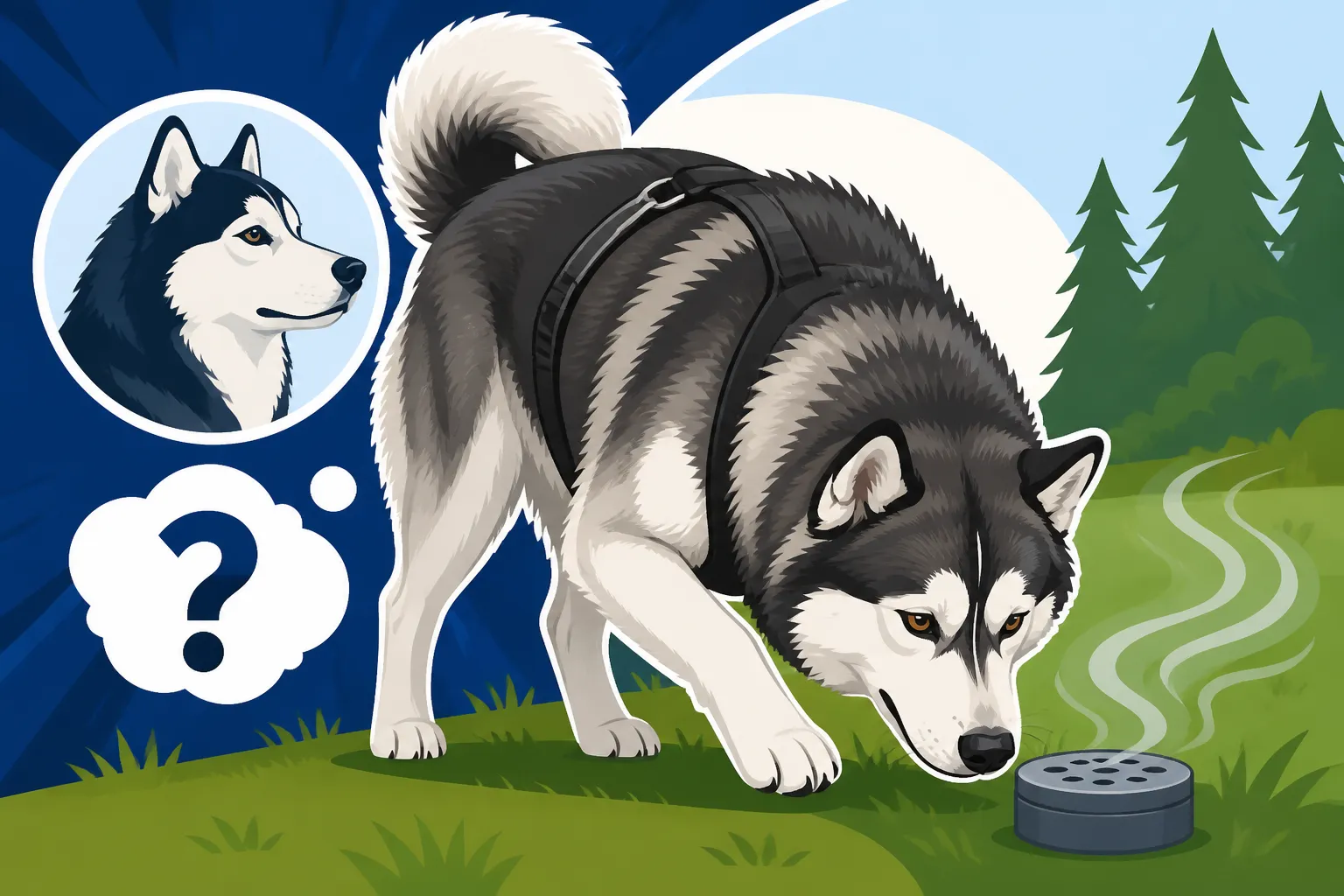
- Introduce a Target Odor: Once they're enthusiastic about finding treats, you can introduce a specific scent. Many beginner scent work kits come with essential oils like Birch, Anise, or Clove, along with cotton swabs or Q-tips to hold the scent. Start by placing a scented Q-tip right next to a treat, so they associate the new smell with something incredibly good. Slowly, you can separate the two, rewarding them for indicating the scent even before they find the treat. Remember, the game is the reward, and the treat reinforces that.
- Short, Sweet, and Positive Sessions: Malamutes thrive on variety and get bored easily. Keep your training sessions brief – 5 to 10 minutes, maybe even less if they're new to it. End on a high note, even if it means making the last hide super easy. The goal is for them to always look forward to the next session. Always use positive reinforcement; celebrate their successes with verbal praise, excited petting, and, of course, those fantastic treats.
Essential Gear and Training Resources
You don't need a lot of fancy equipment to get started, but a few key items can make a big difference.
- Scent Work Kits: These typically include the target odors, Q-tips or cotton balls, and often some small tins or containers for hides. Many reputable dog supply companies offer beginner kits.
- Hides and Containers: Empty cardboard boxes, plastic containers with holes, or even just household objects like books and cushions can serve as excellent "hides" for your scent articles. You can find a vast array of affordable and innovative options on platforms like Amazon.
- Leash and Collar/Harness: For outdoor scent work, a well-fitting harness and a sturdy leash are crucial, especially if your Malamute still has a strong prey drive. Remember, even in a contained area, their instincts can kick in.
- Online Courses and Books: Many organizations offer online scent work courses that you can do at your own pace. These often provide step-by-step instructions and video demonstrations, which can be invaluable for visual learners. Programs like BAXTER & Bella, while often focused on puppy obedience, can teach you foundational positive reinforcement principles that are directly transferable to scent work. A good book on K9 Nose Work or scent detection can also be a fantastic resource for deepening your understanding of the sport.
Progression and Advanced Scent Games
Once your Malamute is consistently finding scent in simple setups, you can start to gradually increase the challenge.
- Container Searches: This involves hiding the target odor in one of several identical containers (like cardboard boxes) and letting your Malamute identify the correct one.
- Interior Searches: Move beyond containers to hiding scent in a room. Start with easy hides, like on a chair leg or under a rug, then progress to more challenging spots like inside a cabinet (left ajar, of course!) or under a pillow.
- Exterior Searches: This is where things get really interesting, but also more challenging due to environmental distractions. Start in a very quiet, fenced yard. Hide scent on a tree trunk, under a rock, or near a planter. Always be mindful of your Malamute's prey drive in open areas.
- Vehicle Searches: If you want to get really advanced, you can hide scent on the exterior or interior of a car. This is a common element in competitive scent work.
Remember to keep it fun and adjust the difficulty to your Malamute's current skill level and motivation. If they're struggling, make it easier. If they're flying through it, add a little more challenge. The First Year With an Alaskan Malamute Puppy
Setting Realistic Expectations and Celebrating Success
It's easy to get caught up in the idea of competitive success, but for most Malamute owners, scent work is about so much more.
It's About the Journey, Not the Competition
Let's be honest, your Malamute might not become a national scent work champion, and that's perfectly okay! For Malamutes, scent work is primarily about mental enrichment, strengthening your bond, and giving them a fulfilling outlet for their natural abilities. The joy comes from watching them engage their incredible nose, seeing their focused determination, and celebrating every successful "find."
Don't compare your Malamute's progress to that of other breeds or even other Malamutes. Every dog is an individual. If your Malamute enthusiastically sniffs out a treat under a laundry basket, that's a win! If they spend a solid 15 minutes intently exploring an outdoor area for a hidden scent, even if they don't find it every time, that's still fantastic mental exercise. The value isn't in a ribbon, but in the engagement and the quality time spent together. This activity provides a valuable "job" for a working breed that thrives on purpose. Whether a Malamute Needs a Job Every Day
Tailoring Scent Work to Your Malamute's Personality
One of the beautiful things about Malamutes is their strong personalities, and scent work allows you to truly embrace and adapt to them.
- The Go-Getter: If your Malamute is highly motivated and loves to work, you can gradually increase the difficulty and complexity of your searches. They might enjoy longer sessions and more challenging hides.
- The Laid-Back Sniffer: For a more relaxed Malamute, keep sessions shorter and the hides a bit easier. Focus on making it a relaxing, enjoyable activity rather than a high-energy challenge. Their methodical approach can be incredibly satisfying to watch.
- The Easily Distracted: If your Malamute's prey drive is strong or they're easily pulled off task by other environmental stimuli, start in highly controlled, low-distraction environments (like inside your home) and gradually introduce outdoor elements. You might also want to use a long line or a secure, fenced area when working outside.
The key is flexibility. Watch your Malamute, listen to what they're telling you through their body language, and adjust the game accordingly. Scent work is a wonderful way to connect with your Alaskan Malamute on a deeper level, tapping into their ancient instincts and giving them a truly enriching experience that they’ll love. It's a fantastic addition to their daily routine and can fulfill a significant part of their need for mental and physical engagement. What an Alaskan Malamute Needs Every Day
| Scent Work Type | Description | Malamute Suitability |
|---|---|---|
| Container Searches | Dog identifies target odor hidden in one of several identical containers. | Excellent. Controlled, low-distraction, builds focus and problem-solving. Great starting point. |
| Interior Searches | Dog finds scent hidden within a room, using furniture/objects as hides. | Good. Allows for varied challenges, good for mental stimulation, minimizes outdoor distractions. |
| Exterior Searches | Dog locates scent hidden in an outdoor area (yard, park). | Moderate to Good. Taps into natural outdoor instincts but requires management of prey drive and environmental distractions. |
| Vehicle Searches | Dog searches the exterior or interior of a vehicle for hidden scent. | Moderate. Can be engaging but might require more advanced focus to ignore non-target car smells. |
| Tracking/Trailing | Dog follows a human scent trail over varying terrain. | Excellent, ancestrally. Highly aligns with their natural abilities, but requires dedicated training and an experienced handler. |
Disclaimer
This article is for general informational purposes only and does not constitute professional advice. Laws, prices and regulations vary by location and change over time. Consult a qualified professional for guidance on your specific situation.