Whether an Alaskan Malamute Can Do Agility
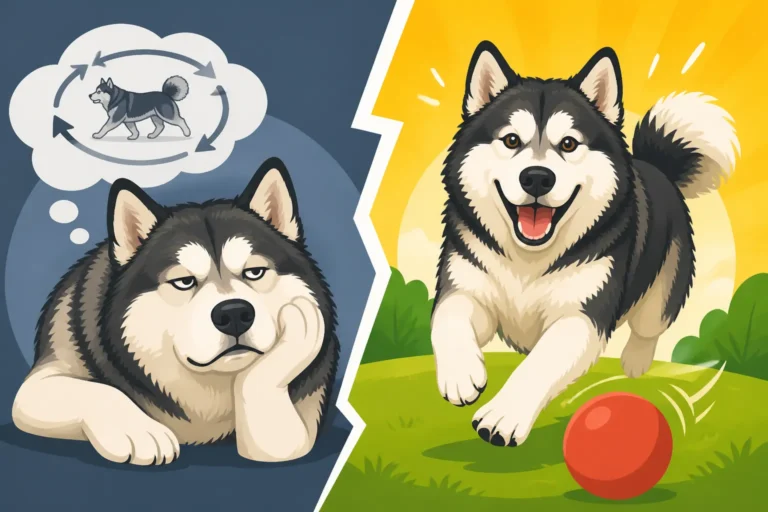
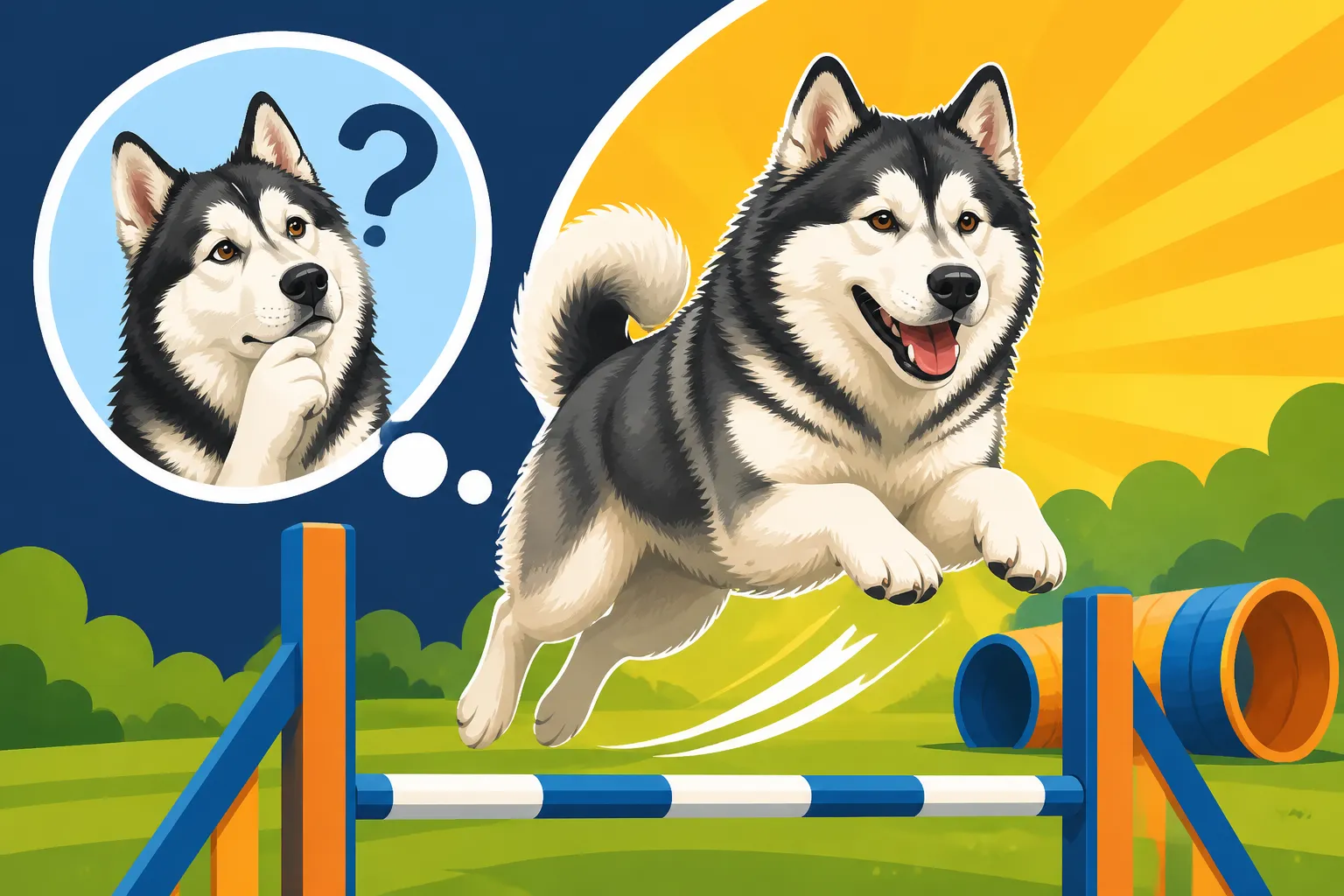
It’s a common fantasy for many Alaskan Malamute owners: watching their magnificent, powerful dog gracefully weave through poles, fly over jumps, and tunnel with lightning speed on an agility course, just like the Border Collies and Shelties they see on TV. The reality, however, often feels like a stark contrast to this vision. While it’s certainly possible for a Malamute to do agility, it’s crucial to understand that their unique breed characteristics present a set of distinct challenges and require a different approach. This guide will delve into what makes agility a unique endeavor for a Malamute and how you can still enjoy this enriching activity together, even if you’re not aiming for championship titles.
Understanding the Malamute's Core Nature and Agility Challenges
When we talk about agility, we're often picturing a dog bred for speed, intense focus, and a strong desire to please by working closely with a handler. Malamutes, while incredibly intelligent and willing to work, were bred for entirely different purposes. This fundamental difference is where many of the challenges, and indeed, the joys, of Malamute agility lie.
The Malamute's Independent Spirit vs. Agility Demands
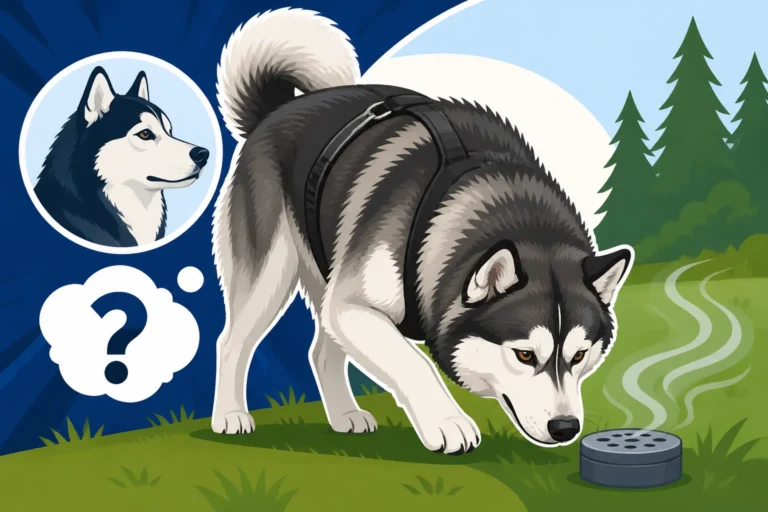
Alaskan Malamutes are problem-solvers, bred to make decisions in harsh environments, often far from their human companions, guiding sleds and making choices about the safest path. This has imbued them with a fierce independence and an intelligence that isn't about rote obedience but about figuring out what benefits them. An agility course demands precision, speed, and continuous focus on the handler's cues, often in a high-distraction environment.
Imagine your Malamute, mid-weave pole sequence, suddenly catching the scent of a particularly interesting squirrel or a discarded snack. Their instinct might tell them, "Hey, that's more rewarding right now!" and off they go, leaving you standing by the weave poles. This isn't stubbornness in the malicious sense; it's simply their ancient programming kicking in. They're not unintelligent; quite the opposite. They're just very good at prioritizing their own perceived rewards and motivations. Trying to force a Malamute to conform to rigid agility expectations through harsh methods is usually a recipe for disaster and will likely result in them shutting down or becoming resistant. Remember, Why Force Fails on an Alaskan Malamute. They respond best to positive, engaging methods.
Physical Build and Agility Suitability
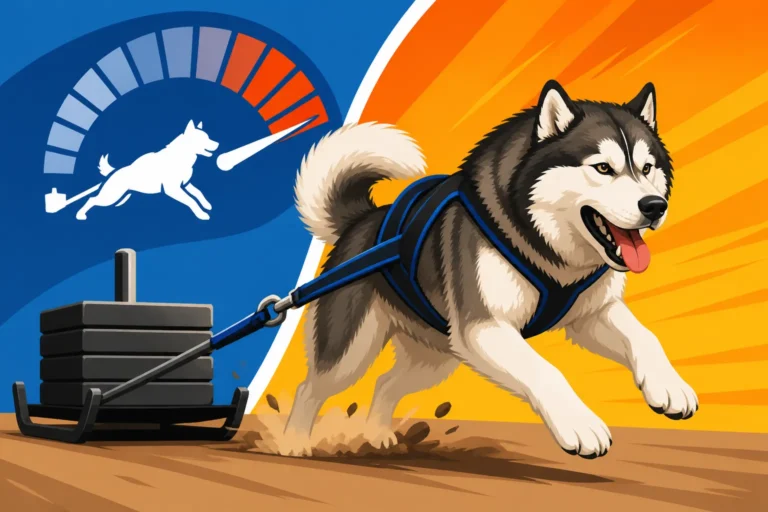
Take a good look at your Malamute: they are a powerhouse of a dog. Broad chests, substantial bone, powerful legs built for endurance and hauling heavy loads over long distances, not for lightning-fast turns or delicate jumps. Breeds typically excelling in agility, like Border Collies or Papillons, are often lighter, more compact, and possess an inherent springiness that makes soaring over hurdles effortless.
For a Malamute, jumping can put significant strain on their joints, especially their hips and elbows, which are already prone to issues like hip dysplasia. Weave poles, designed for dogs to navigate quickly and fluidly, can be physically awkward for a large, deep-chested Malamute. They might approach them with powerful, lumbering strides rather than nimble, quick steps. While they possess incredible strength, that strength is geared towards sustained, powerful pulling, not the explosive, agile movements required for many agility obstacles. This isn't to say they can't do it, but their physical structure means they'll likely do it differently, and with more potential for strain if not properly conditioned and modified.
The "Zoomies" vs. Controlled Speed
Malamutes definitely have bursts of energy, often manifesting in hilarious "zoomies" where they tear around the yard at impressive speeds. This raw power and speed might make you think, "Ah, perfect for agility!" But there's a crucial difference between uncontrolled, exuberant running and the highly precise, controlled speed required to navigate an agility course.
Agility isn't just about moving fast; it's about moving fast where and when the handler directs. A Malamute's zoomies are often self-directed, a pure release of energy. Translating that into taking a specific jump, then immediately turning to enter a tunnel, then slowing for a contact obstacle, requires an immense amount of training, focus, and impulse control that doesn't come naturally to a breed whose history is rooted in independent, often open-range work. The challenge lies in channeling that incredible power into a collaborative, directed effort, maintaining focus amidst distractions, and responding promptly to cues, rather than simply letting loose.
Adapting Agility Training for the Alaskan Malamute
So, you understand the challenges, but you're still excited about trying agility with your Malamute? Fantastic! The key is to adapt the training to suit your dog's breed characteristics, rather than trying to force your Malamute into a mold designed for other breeds. It’s about meeting them where they are and celebrating their unique strengths.
Positive Reinforcement and High-Value Rewards
This is absolutely non-negotiable for a Malamute. Forget about harsh corrections or trying to physically manipulate them into positions. They will simply shut down, become resistant, or worse, develop a negative association with training. Malamutes thrive on positive reinforcement and high-value rewards. What constitutes a "high-value" reward will vary from dog to dog, but for most Malamutes, it usually means something meaty and delicious, or a highly coveted toy.
Think about tiny pieces of cooked chicken, cheese, or even liver treats. You might find great training treats and treat pouches on Amazon that can hold these high-value items securely. Keep training sessions short, fun, and engaging. Malamutes can get bored quickly with repetition, so five to ten minutes of enthusiastic work, followed by a break, is far more effective than a long, drawn-out session. Make it a game, not a chore. If you’re looking for structured, positive reinforcement methods you can adapt, online platforms like BAXTER & Bella offer courses that emphasize building a strong foundation of positive communication, which is exactly what a Malamute needs. These types of programs often focus on making training enjoyable and building a relationship based on trust and mutual respect, which is paramount for this breed.
Patience, Consistency, and Lowering Expectations
If your goal is to win titles and compete at a high level, you might be setting yourself up for disappointment with a Malamute. If your goal is to have fun, build a stronger bond, and provide excellent mental and physical exercise, then you’re on the right track! Patience is your best friend. Your Malamute might take longer to grasp concepts, or they might perform perfectly one day and pretend they've never seen a tunnel the next. This is typical Malamute behavior. Whether an Alaskan Malamute Ignores a Cue It Knows is a common frustration for owners.
Consistency is also vital. Short, regular sessions throughout the week are much more beneficial than one long, infrequent session. Break down each obstacle into tiny, achievable steps. Celebrate every small success, even if it's just them looking at a jump correctly or taking one step into a tunnel. Remember that progress might be a zigzag, not a straight line. Focus on the joy of the journey and the shared experience, rather than comparing your Malamute to other breeds or feeling frustrated by perceived slowness.
Modifying Obstacles and Courses
Given their size and physical capabilities, you'll want to think about how you approach different obstacles. Standard agility equipment is often designed for medium-sized, highly agile dogs.
- Jumps: Consider starting with very low jumps, or even just ground poles, to build confidence and technique before gradually raising them. Ensure jumps are wide enough for their powerful bodies.
- Weave Poles: This is often the most challenging obstacle for large, deep-chested dogs. You might need to use wider spacing for the poles initially, or use a channel method (where the poles are set wide apart, then gradually narrowed) to help them understand the motion without feeling constricted. Focus on accuracy over speed.
- Tunnels: Malamutes usually love tunnels! Their love for digging and denning makes tunnels a natural fit. Ensure the tunnel is large enough in diameter for them to comfortably pass through without scraping their backs.
- Contact Obstacles (A-frame, Dog Walk, Teeter-Totter): These require confidence and careful footing. Focus on slow, deliberate movements, especially on the teeter-totter, which can be unsettling. Ensure contact zones are clearly marked and your Malamute understands they must touch them.
The idea isn't to make them perform like a Border Collie; it's to help them enjoy the activity safely and successfully within their own physical parameters. Adapt the course to them, not the other way around.
| Agility Obstacle | Malamute's Typical Approach | Adaptations for Malamutes |
|---|---|---|
| Jumps | Powerful, sometimes less graceful jumps | Start low, focus on form; ensure adequate height/width |
| Weave Poles | Can be awkward due to broad chest | Use channel method, wider spacing initially; emphasize precision |
| Tunnels | Generally enjoy, natural "den" instinct | Ensure large diameter, clear path; encourage enthusiasm |
| A-frame/Dog Walk | Confident, but requires careful foot placement | Focus on slow, deliberate movements; emphasize contact zones |
| Teeter-Totter | Can be intimidating due to size/sound | Introduce slowly with handler support; desensitize to movement |
| Overall Speed | Bursts of power, but not sustained precision | Focus on accuracy and enjoyment over pure speed; short bursts of work |
Benefits Beyond the Ribbons: Why Try Agility with Your Malamute
Even if your Malamute never earns a single agility title, engaging in the sport can offer a wealth of benefits that are invaluable for both you and your majestic companion. It's about the experience, the bond, and the sheer joy of doing something active together.
Mental and Physical Stimulation
Alaskan Malamutes are intelligent dogs with a heritage of hard work. They thrive on having a job, and without appropriate outlets for their energy and minds, they can easily become bored and destructive. Whether a Bored Malamute Destroys the House is a real concern for owners. Agility provides an incredible combination of physical exertion and mental challenge. Your Malamute has to think about where their feet are going, remember sequences, listen to your cues, and navigate various obstacles.
This kind of engagement taps into their natural problem-solving abilities. It's not just running; it's purposeful running with specific tasks. Even if your Malamute isn't fast, the process of learning and performing the obstacles provides significant enrichment. It helps burn off some of that boundless Malamute energy in a constructive way, making them happier and more content at home. Think of it as a dynamic puzzle that changes with every course. How Much Exercise an Alaskan Malamute Needs is often more than just a walk around the block, and agility can be a great addition.
Strengthening the Bond
Training for agility, even informally in your backyard, is a fantastic way to deepen the connection and communication between you and your Malamute. It requires you to work together, to understand each other's signals, and to trust one another. Your Malamute learns to look to you for direction, and you learn to read their body language and understand their motivations.
The shared experience of overcoming challenges, celebrating small victories, and laughing off silly mistakes creates a stronger, more resilient partnership. It's an opportunity to spend quality time together, focused solely on each other, away from the distractions of daily life. This focused interaction is invaluable for a breed that thrives on being part of a team and can genuinely enjoy working alongside their human. The Adolescent Malamute That Rewrites the Rules at Fourteen Months might be a challenge, but activities like agility can help maintain a strong connection.
Socialization and Confidence
Agility classes or informal practice sessions often take place in new environments, with new people and other dogs (though this requires careful management for a Malamute, especially if they have Same Sex Aggression in a Pack Bred Alaskan Malamute). This exposure can be incredibly beneficial for socialization, helping your Malamute learn to navigate different situations calmly and confidently. It helps them build resilience and adaptability.
Successfully navigating an obstacle or completing a short sequence, no matter how slow or "imperfect," gives your Malamute a sense of accomplishment. This builds confidence, which can translate into other areas of their life. A confident Malamute is generally a happier, more well-adjusted dog. Furthermore, learning something new helps to keep their minds sharp. Caring for an Alaskan Malamute Past Eight means finding ways to keep them engaged, and modified agility can be a great option for older dogs too.
In conclusion, while an Alaskan Malamute may never be the fastest or most decorated agility competitor, they absolutely can do agility. The experience is more about the journey, the bond, and the mutual enjoyment than it is about trophies. With patience, positive reinforcement, and a willingness to adapt the sport to their unique physical and mental makeup, you and your Malamute can have a fantastic time exploring the world of agility together.
Disclaimer
This article is for general informational purposes only and does not constitute professional advice. Laws, prices and regulations vary by location and change over time. Consult a qualified professional for guidance on your specific situation.