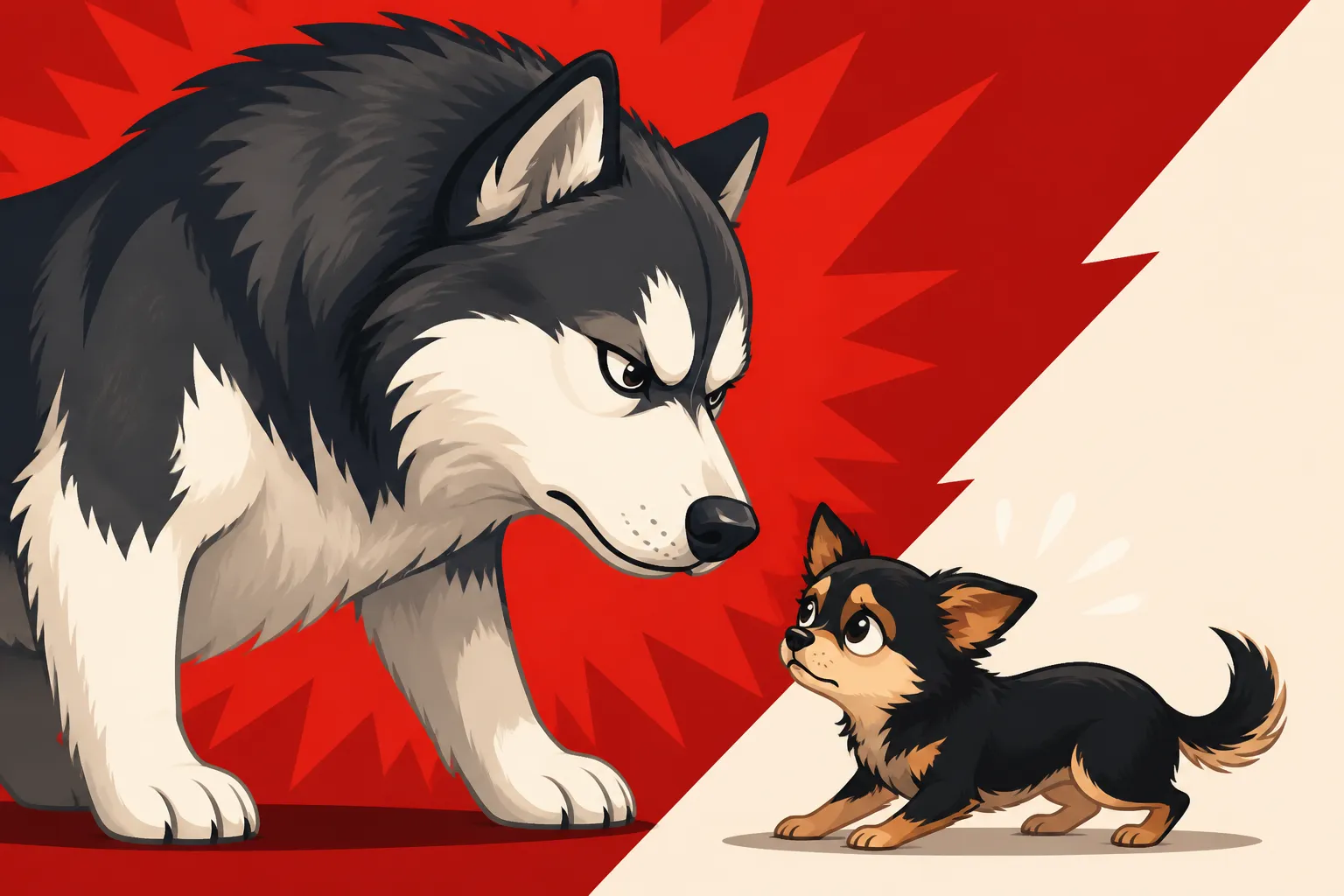
The Risk a Malamute Poses to a Small Dog
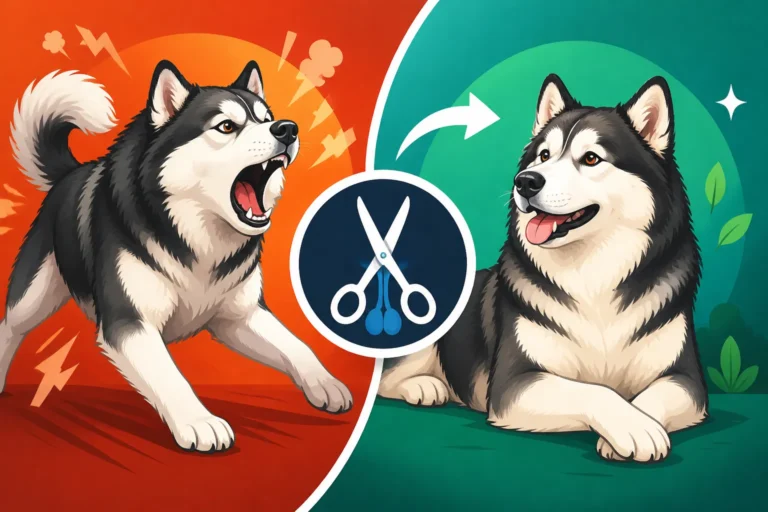
It's a heart-wrenching thought for any dog owner: you adore your majestic Alaskan Malamute, a magnificent breed full of personality and charm, but you also have a beloved tiny companion, perhaps a spirited Chihuahua or a sweet Pomeranian. The question inevitably arises – can these two vastly different worlds coexist safely? The reality is, while every dog is an individual, the Alaskan Malamute carries a deeply ingrained set of instincts and physical attributes that pose a very real and sometimes dangerous risk to smaller dogs. This guide delves into those risks, helping you understand the challenges and explore responsible management strategies to keep everyone in your multi-dog household safe.
Understanding the Malamute's Inherent Prey Drive and Instincts
The Alaskan Malamute is a dog of ancient lineage, bred for specific tasks in harsh environments. To truly appreciate the risks they can pose to smaller animals, we must first understand the very core of their being. Their history is not just a quaint anecdote; it's a blueprint for their behavior.
The Ancestral Roots of a Hunter
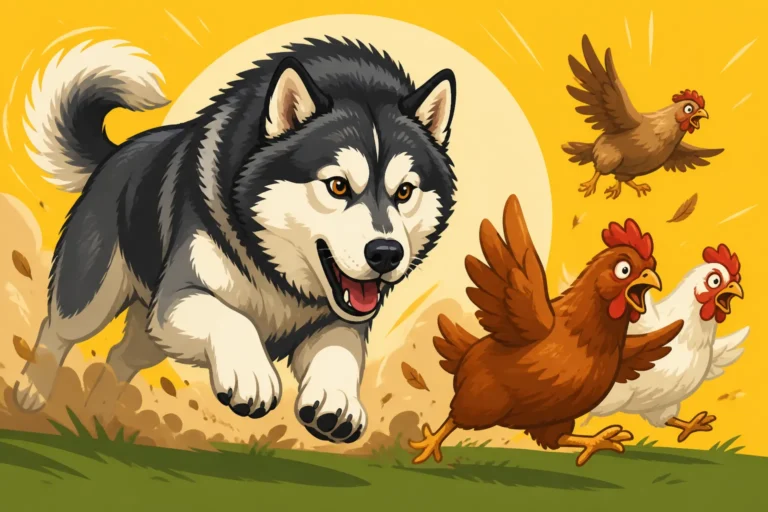
Imagine the desolate, unforgiving landscapes of the Arctic where the Mahlemut people developed this incredible breed. These dogs weren't just sled pullers; they were critical survival partners, used for hunting large game like seals and bears, as well as smaller animals for sustenance. This predatory drive wasn't just encouraged; it was essential for survival, both for the dog and the human. It’s ingrained in their very DNA, an instinct that helped their ancestors thrive. When a modern Malamute sees something small, fast, and furry, that ancient switch can flip, triggering a response that is powerful and often uncontrollable. It's not about malice; it's about millions of years of evolutionary programming. Even in a comfortable home, surrounded by modern conveniences, that primitive urge remains a powerful undercurrent. A Malamute Was Bred to Hunt Bears and It Has Not Forgotten delves deeper into these ancestral roles.
This isn't a trait that can be "trained out" in the traditional sense, like teaching a sit-stay. It's a fundamental part of their genetic makeup. While we can manage it and teach impulse control, the instinct itself will always be there, dormant perhaps, but never truly gone. It’s like asking a bird not to fly; it's against its very nature. Understanding this profound aspect of their being is the first step in creating a safe environment for all your pets. You're working with a deeply rooted instinct, not just a bad habit.
Identifying Prey Drive Triggers
For an Alaskan Malamute, almost anything that moves quickly, makes a high-pitched sound, or is simply smaller than them can be a potential trigger. A small dog darting across the room, an excited yip during play, or even the scent of a frightened animal can be enough to ignite that powerful prey drive. These triggers can be subtle and happen in an instant, often surprising owners who haven't witnessed it before. It’s not necessarily aggression; it’s a predatory sequence. The chase, the grab, the shake – it's all part of a hunting behavior.
Consider a scenario: your small terrier mix, unaware of the potential danger, playfully barks and nips at your Malamute's heels during a burst of zoomies. To the Malamute, this quick movement and high-pitched vocalization might not register as an invitation to play, but as a small animal attempting to escape. Or perhaps your Malamute is just chilling, and your little one decides to steal a toy, scampering away. That sudden movement could be all it takes. What an Alaskan Malamute Was Bred to Hunt expands on the specific prey animals their ancestors pursued. Recognizing these triggers is paramount to managing the risk.
The Difference Between Play and Predation
It can be incredibly difficult for owners to distinguish between rough play and the initial stages of a predatory sequence, especially when the Malamute is still young or if the owner is inexperienced with the breed's intense play style. Malamutes, with their sheer size and power, can play very roughly amongst themselves. A "play bow" from a Malamute to a tiny dog might look innocent, but the ensuing pounce could be devastating. What feels like a fun romp to a Malamute could be terrifying, or even deadly, for a small dog.
Malamutes often use their mouths in play, mouthing and wrestling. For a small dog, this can easily escalate beyond what their delicate bodies can withstand. A Malamute might pin a smaller dog to the ground, not with aggressive intent, but simply to dominate during play. The smaller dog's frantic attempts to escape could then further trigger the Malamute's predatory response, turning what started as play into something far more dangerous. It's a fine, often invisible, line that can be crossed in a split second, and understanding this distinction is crucial for safe inter-species dynamics.
Size and Strength Disparity: A Dangerous Combination
Beyond instinct, the physical differences between an Alaskan Malamute and a small dog create an immediate and undeniable danger. It’s not just about intent; it’s about capability.
The Sheer Power of an Alaskan Malamute
Alaskan Malamutes are robust, powerful dogs built for endurance and strength. An adult male can easily weigh 80-100 pounds, sometimes more, with incredible jaw strength designed to hold and tear. What an Alaskan Malamute Actually Weighs provides a clear picture of their physical stature. Their massive bodies, strong necks, and powerful legs mean that even an accidental bump or a playful paw can send a smaller dog flying, leading to severe internal injuries or broken bones. Imagine a playful charge from a Malamute that simply underestimates its own momentum – it could be like being hit by a small, furry truck for a tiny dog.
Consider their bite force. While not typically considered a "biter" in terms of aggression towards humans, their jaws are formidable. If a predatory instinct takes over, a Malamute can inflict catastrophic damage in a single bite. Their size and strength are not just theoretical; they are physical tools that, when paired with instinct, make them exceptionally capable hunters, even if they're only "playing." This physical reality means that even if your Malamute has the sweetest disposition, a momentary lapse in judgment or control can have irreversible consequences.
Unintentional Harm and Accidental Injury
Many Malamute owners will attest that their big lugs are "gentle giants" with people. And it’s often true! They can be incredibly affectionate and careful with human family members. However, this carefulness might not extend to other animals, especially those that trigger their prey drive or are simply perceived as less significant playmates. An Alaskan Malamute doesn't need to be aggressive to cause harm. A playful pounce, a boisterous run, or a shake of the head with a smaller dog caught in the mouth during a game of tug can quickly turn tragic.
Think about common dog behaviors. When Malamutes play together, they often chase, pin, and mouth each other. For two equally sized Malamutes, this is normal, healthy interaction. But if a 90-pound Malamute pins a 10-pound Pomeranian, the smaller dog could easily suffer crushed ribs, internal bleeding, or spinal injuries, simply from the weight and force of the Malamute. The Malamute might not understand the fragility of its smaller companion, viewing it as another robust playmate. This is why vigilance is key; even the best intentions from your Malamute might not be enough to prevent harm. How Much an Adult Male Alaskan Malamute Weighs illustrates the sheer difference in mass that translates to potential force.
The Vulnerability of Small Breeds
Small dog breeds, by their very nature, are physically vulnerable. Their bones are delicate, their skulls are thin, and their internal organs are relatively exposed. A single, well-placed bite or even a vigorous shake can cause fatal damage. Unlike large dogs that can often sustain a bite from another large dog and recover, a small dog has very little defense or resilience against the power of a Malamute.
Moreover, small dogs often have higher-pitched vocalizations and quick, erratic movements, which, as we've discussed, are prime triggers for a Malamute's prey drive. Their attempts to escape or defend themselves might paradoxically intensify the Malamute's predatory response. This stark contrast in physical capabilities means that managing the interaction between these two types of dogs requires an unwavering commitment to safety and prevention. It's not a matter of if your Malamute "means" to hurt them; it's a matter of the immense capacity they possess to do so, intentionally or otherwise.
Assessing Your Malamute's Temperament and History
While breed characteristics provide a general framework, every dog is an individual. Understanding your specific Malamute’s history and behavior patterns is critical in managing the risk to smaller companions.
Early Socialization and Exposure
Proper socialization during puppyhood is undeniably important for any dog, and Malamutes are no exception. Exposing a Malamute puppy to a wide variety of dogs, including small breeds, under carefully controlled and positive conditions, can help them learn appropriate interactions. However, it’s crucial to understand that even the most well-socialized Malamute may still possess a strong prey drive. Socialization can teach a Malamute how to interact, but it cannot always erase deep-seated instincts. A Malamute who grew up with a small dog might have learned to differentiate that specific individual from other small, fast-moving animals, but this doesn’t guarantee safety with all small dogs, or even the same small dog in a high-arousal situation.
Think of it this way: socialization might teach a child how to interact politely with others, but it doesn't change their inherent fear of heights if they have one. Similarly, early positive experiences can build a foundation, but they are not a guaranteed shield against instinctual responses. The key is controlled exposure, ensuring that every interaction is positive and never pushes the Malamute into a predatory state. Where to Socialize a Malamute Puppy Before Full Vaccination offers great tips for safe early experiences.
Past Experiences and Learned Behaviors
Your Malamute's past experiences significantly shape their current behavior. If your Malamute has a history of chasing squirrels, rabbits, or even cats, this is a strong indicator of a high prey drive that could extend to small dogs. Conversely, if your Malamute has successfully and safely lived with small dogs their entire life, that's a positive sign, but not a reason to drop your guard completely. A single negative or traumatic incident, whether your Malamute was the aggressor or the victim, can also create lasting behavioral patterns.
For rescue Malamutes, gathering as much information as possible about their previous living situations is vital. Did they live with cats? Small children? Other dogs? Were there any reported incidents? A responsible rescue organization should be transparent about a dog's history. Even if the information is scarce, assume the worst and implement strict safety protocols until you can confidently assess your Malamute’s specific tendencies. Always remember that a dog's behavior can change, particularly when introduced to new environments or stressors.
Reading Your Malamute's Body Language
Becoming an expert in your Malamute's body language is arguably the most critical tool in preventing incidents. Malamutes, like all dogs, communicate their intentions and emotional states through subtle cues long before an overt action occurs. Learning to recognize these warning signs can give you precious seconds to intervene. Look for:
- Stiffening body: A sudden rigidity in their posture, often accompanied by a lowered head or a slight crouch.
- Hard stare: Intense, unwavering eye contact with the small dog, often with dilated pupils. This is different from a soft, relaxed gaze.
- Lip licking/yawning: These can be signs of stress, indicating the Malamute is uncomfortable or conflicted.
- Tail wagging: Don't be fooled! A high, stiff, rapid tail wag can indicate excitement or arousal, not necessarily friendly intent. A loose, relaxed wag is what you want to see.
- Raised hackles: The hair standing up on their neck and back, a clear sign of arousal or threat perception.
- Fixation: An inability to break their gaze or attention from the small dog, even when called.
By recognizing these signs, you can proactively redirect your Malamute, create distance, or otherwise de-escalate the situation before it becomes dangerous. It’s about being observant and trusting your gut. A moment of inattention could be all it takes for instinct to prevail.
Strategies for Safe Introduction and Management
If you're determined to have both a Malamute and a small dog in your life, stringent safety protocols and unwavering vigilance are not just recommended, they are absolutely mandatory.
The Controlled First Meeting
The first impression can set the tone, so meticulous planning is essential. Never, ever just throw them together and hope for the best.
- Neutral Territory: The initial introduction should take place in a neutral area, not your home. A quiet park or a friend's fenced yard can work. This reduces territorial instincts.
- On-Leash and Muzzled: Both dogs should be on leashes, handled by experienced adults. Your Malamute should wear a comfortable, well-fitting muzzle for safety. Muzzle training beforehand is crucial so it's not a stressful new experience. When a Malamute Should Wear a Muzzle offers more advice.
- Short and Sweet: Keep the first meeting very brief, just a few minutes. The goal is positive association, not extended play.
- Positive Reinforcement: Lavishly reward both dogs for calm, appropriate behavior. High-value treats and praise help create positive associations.
- Parallel Walk: Start by walking them parallel to each other at a distance, gradually decreasing the space as they show calm curiosity. Avoid direct nose-to-nose greetings initially.
- No Pressure: If either dog shows signs of stress or aggression, immediately increase distance and try again later. Do not force interaction.
- Professional Guidance: Consider enlisting the help of a certified professional dog trainer for these initial interactions. They can read body language you might miss and guide you through the process. Programs like those offered by BAXTER & Bella can provide structured guidance for introducing new family members.
This isn't a one-time event. You'll need many controlled, positive interactions before even considering off-leash time indoors, and even then, supervision is paramount.
Environmental Management and Separation
Even after successful introductions, environmental management is your best friend in a multi-dog household with significant size and breed differences. You cannot rely solely on training or trust.
- Physical Barriers: Dog gates are non-negotiable. Use them to create separate living areas, allowing your small dog safe zones where they can relax without fear. A sturdy baby gate, or even a double-gate system for extra security, can make all the difference. You can find robust options on Amazon. Crates are also invaluable. Each dog should have their own safe, comfortable crate, and these can be used for supervised "down time" or when you need to leave the house.
- Constant Supervision: This cannot be stressed enough: never leave your Malamute and small dog unsupervised, not even for a minute. This includes quick trips to the bathroom, answering the door, or stepping out to grab the mail. Accidents happen in a blink of an eye. If you cannot actively supervise, separate them.
- Separate Feeding: Always feed dogs in separate rooms or crates to prevent resource guarding, which can easily escalate into conflict.
- Safe Zones: Ensure your small dog has elevated spaces or secluded spots they can easily access, where the Malamute cannot reach them. This gives them a sense of security and control.
Training and Conditioning for Calmness
While you can't erase prey drive, you can manage it through consistent training focused on impulse control and responsiveness.
- Reliable Recall: A rock-solid recall is paramount. If your Malamute starts fixating on your small dog, a strong "come" command can interrupt the predatory sequence. However, understand that Why an Alaskan Malamute Will Never Have a Reliable Recall in all situations, especially once prey drive is fully engaged, means it's a tool, not a guarantee. Practice recall extensively in low-distraction environments first, then gradually increase the difficulty.
- "Leave It" and "Drop It": These commands teach your Malamute to disengage from something enticing. Practice with toys, food, and then gradually introduce a small, moving object (like a remote control car) to simulate a small animal.
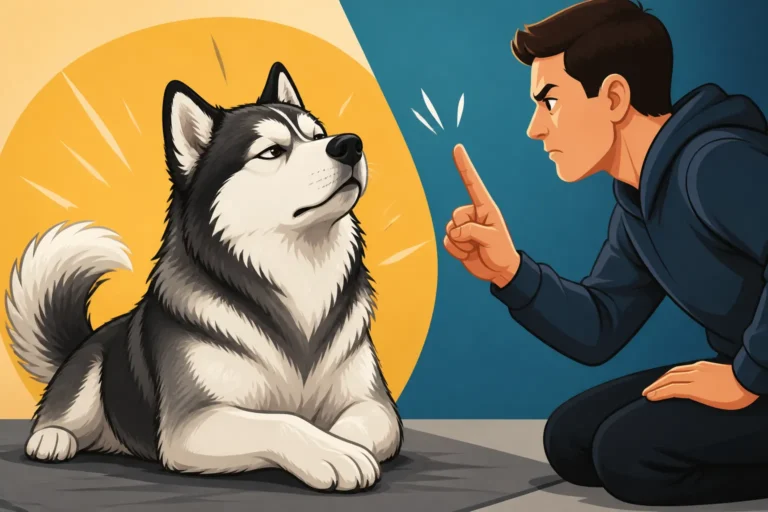
- Stay/Place Command: Teaching your Malamute to go to a designated "place" (like their bed) and stay there until released can be incredibly useful for managing interactions and creating calm. Reward heavily for success.
- Leash Manners: Even inside the home, keeping your Malamute on a leash initially can help you maintain control and intervene instantly if needed. A long line can give them more freedom while still allowing you to grab them quickly.
- Professional Help: If you’re struggling, don’t hesitate to contact a certified professional dog trainer or behaviorist. They can observe your specific dogs and provide tailored strategies and hands-on guidance. Some online training platforms, like BAXTER & Bella, offer resources that can help owners develop these crucial impulse control commands.
Living with a Malamute and Small Dog: Long-Term Considerations
Successfully integrating a Malamute and a small dog is an ongoing commitment. It's a lifestyle, not a phase, and demands consistent effort and an acute awareness of potential issues.
Never Leaving Them Unsupervised
This bears repeating because it is the single most critical rule for households with a Malamute and a small dog. Even after years of seemingly peaceful coexistence, you can never assume they are "safe" together unsupervised. The smallest trigger, a sudden noise, a new scent, an unexpected toy, or even a change in health or mood, could shift the dynamic. Many heartbreaking stories begin with "they were fine for years, and then…"
When you leave the house, separate them entirely. Use crates, separate rooms, or even different levels of your home if appropriate, always ensuring secure barriers. When you're home, actively supervise them. That means you are in the same room, actively observing their interactions. This level of vigilance is demanding, but it is the only way to minimize the risk to your smaller companion. It’s a responsibility you take on the moment you decide to bring both into your life.
Exercising Both Dogs Safely
Both your Malamute and your small dog need adequate exercise, but their needs are vastly different, and joint exercise can be risky. A Malamute's exuberance during play or a walk could easily overwhelm or accidentally injure a small dog.
- Separate Exercise: Ideally, exercise them separately. Your Malamute needs long, vigorous walks, runs, or opportunities to pull. How Much Exercise an Alaskan Malamute Needs is a great resource for this. Your small dog might be satisfied with shorter, calmer strolls.
- Controlled Group Walks: If you walk them together, the Malamute must be on a secure leash and harness, and you must maintain strict control. The smaller dog should also be on a leash. Any sign of your Malamute fixating on the smaller dog, or even becoming too excited, means you need to separate them or end the joint walk.
- Dedicated Playtime: Provide your Malamute with plenty of appropriate outlets for their energy and instincts, such as flirt poles, tug toys (with you, not the small dog!), or puzzle toys bought from retailers like Amazon. This can help burn off energy that might otherwise be directed at the smaller dog.
Recognizing Changes and Seeking Professional Help
Dog dynamics are not static. Over time, changes can occur due to age, health issues, changes in household routine, or new stressors. An older Malamute might become less tolerant, or a young, boisterous Malamute might mature and become more settled. Be observant of any shifts in their interactions.
If you notice increased tension, more frequent stiffening from the Malamute, or fear signals from the small dog, it's time to re-evaluate your management plan. Don't wait for an incident to occur. Consult with a qualified professional: a certified dog behaviorist or trainer experienced with large, strong breeds and predatory drive. They can help you interpret subtle cues, adjust your strategies, and provide additional tools or training techniques to maintain safety. Being proactive and seeking help is a sign of responsible ownership, not failure.
| Malamute Body Language Cue | Possible Interpretation (Context Dependent) | Risk Level to Small Dog | What to Do |
|---|---|---|---|
| Hard Stare, Fixation | Intense interest, possible predatory focus | High | Immediately redirect, create distance, separate |
| Stiff Body, Low Head | Arousal, preparing for action, hunting posture | High | Separate dogs, interrupt behavior forcefully |
| Lip Licking, Yawning | Stress, discomfort, internal conflict | Moderate to High | Observe closely, reduce stimuli, provide space |
| High, Rapid Tail Wag | High arousal, excitement, not always friendly | Moderate | Interrupt interaction, bring energy levels down |
| Raised Hackles | Threat perception, fear, or strong arousal | High | Separate immediately, calmly remove from situation |
| Mounting/Pinning | Dominance display, intense play, could escalate | Moderate to High | Interrupt and separate. Not appropriate for size disparity |
| Ignoring Cues/Calls | Overwhelmed by instinct or focus | High | Physical intervention (leash grab, barrier) needed |
| Loose, Relaxed Body | Comfortable, no immediate threat | Low to Moderate | Continue close supervision, reward calm behavior |
Disclaimer
This article is for general informational purposes only and does not constitute professional advice. Laws, prices and regulations vary by location and change over time. Consult a qualified professional for guidance on your specific situation.