Whether an Alaskan Malamute Suits Canicross
So, you're looking at your magnificent Alaskan Malamute, their eyes gleaming with untapped energy, and you've probably thought, "Wouldn't it be amazing to run together, really run, with purpose?" Canicross, this fantastic sport where you run cross-country with your dog harnessed to you, sounds like a match made in heaven for a powerful, pulling breed. But before you strap on your belt and leash, it's really important to understand whether this particular activity truly aligns with your Malamute's unique physiology and ingrained instincts. This guide will walk you through the realities, the joys, and the potential pitfalls of introducing your Malamute to the exhilarating world of Canicross.
What Canicross Is (And Why It's So Appealing for Malamute Owners)
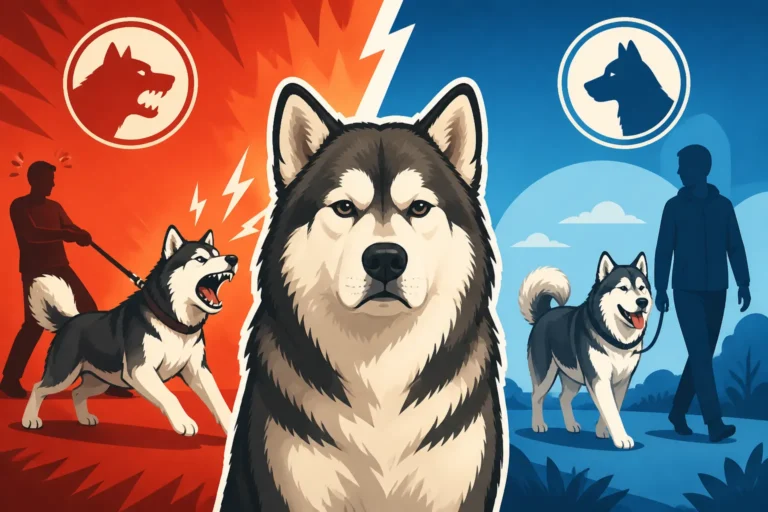
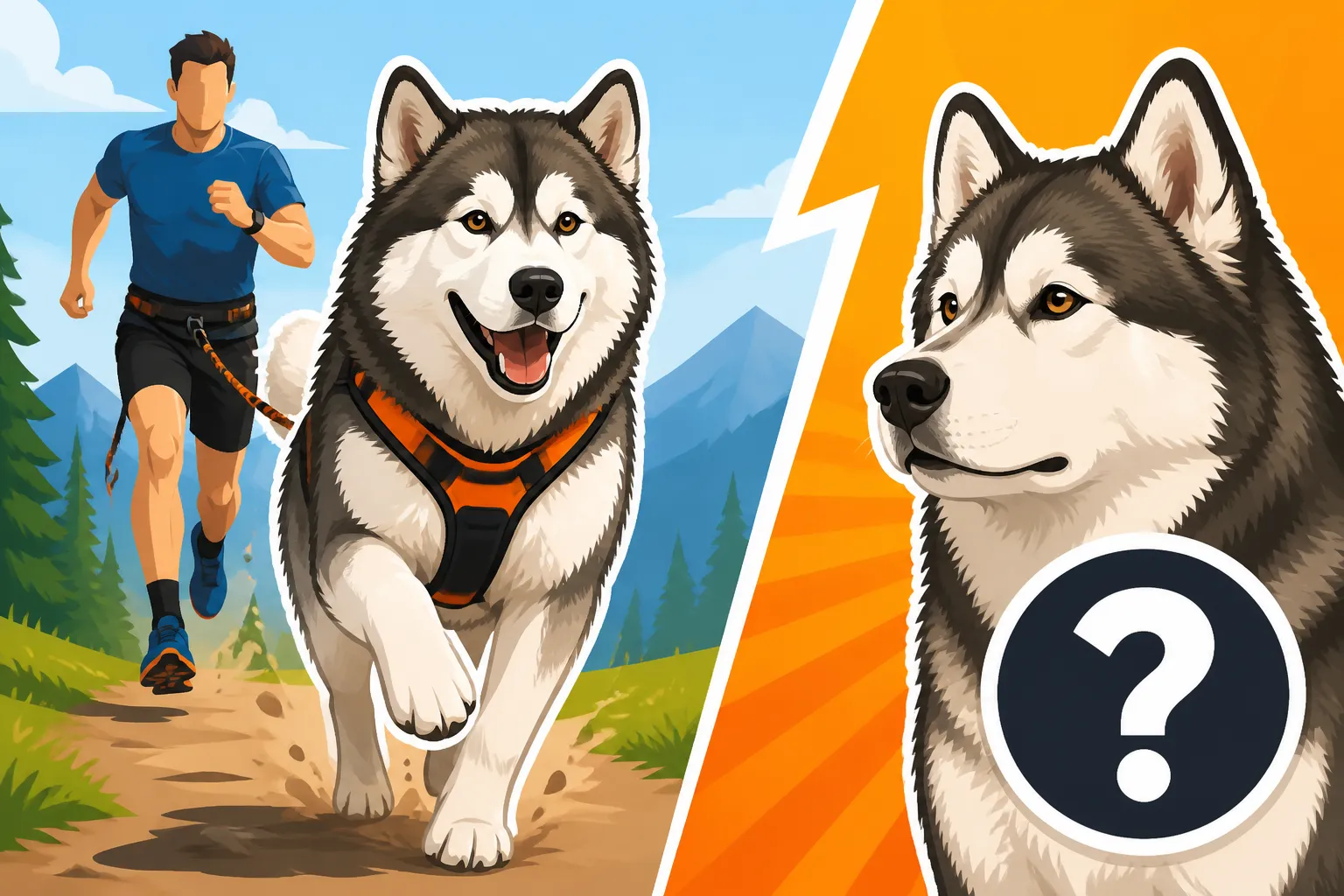
Canicross is essentially cross-country running with your dog, but with a crucial difference: your dog is actively pulling you. Imagine yourself on a trail, hands-free, with your Malamute securely attached to you via a specialized harness and a bungee line that absorbs shock. It's a fantastic way to bond, get fit, and give your dog a job, tapping into those primal instincts that make breeds like the Alaskan Malamute so special. Many Malamute owners are drawn to Canicross because it offers a way to channel their dog's immense strength and desire to pull, which can otherwise manifest as challenging leash-pulling on regular walks or even destructive behaviors if not properly addressed.
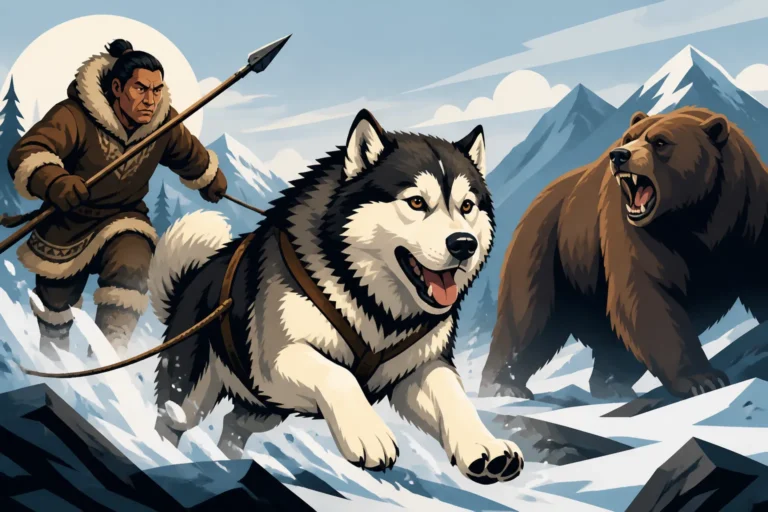
The appeal isn't just about managing energy; it's about honoring their heritage. Malamutes were literally bred for freighting, for pulling heavy loads over long distances, often through snow and harsh terrains. This isn't just a physical capability; it's deeply ingrained in their psyche. The rhythm of running, the feeling of the harness, the forward momentum – for many Malamutes, this feels inherently right. It's a natural extension of Pulling Is the Only Job an Alaskan Malamute Really Wants. Owners often find that a dog engaged in a structured pulling activity like Canicross is a much happier, calmer, and more fulfilled companion at home. It's an opportunity to move beyond just walks and truly tap into their potential, providing both physical exertion and mental stimulation.
But it’s not just about the dog. For the human runner, Canicross can be incredibly motivating. Having a powerful dog like a Malamute pulling you along can boost your speed and endurance, making runs feel easier and more enjoyable. It transforms a solo activity into a team sport, fostering a deeper connection between you and your canine partner. The trails become shared adventures, and the shared effort builds trust and understanding. Plus, it's a great excuse to get out into nature, away from paved roads, and explore new paths.
Malamute Strengths That Shine in Canicross
When you look at an Alaskan Malamute, their robust build, powerful hindquarters, and deep chest immediately scream "athlete." These aren't just pretty features; they are functional traits that make them naturally inclined towards pulling activities. Understanding these strengths is key to appreciating why Canicross can be such a rewarding pursuit for both you and your Malamute.
The Instinct to Pull and Their Powerhouse Build
Let's be honest, your Malamute probably already pulls on the leash. While this is frustrating on a casual walk, it's a huge asset in Canicross. These dogs were quite literally designed for it. Their strong musculature, broad chest, and powerful legs are all geared towards sustained, powerful pulling. Unlike many other breeds, pulling isn't a behavior to be suppressed; it's a natural instinct that, when properly channeled, becomes a magnificent display of their heritage and purpose. When they feel the harness engage and sense your forward momentum, their instinct to lean into the pull is almost automatic. This innate drive means less "teaching" them to pull and more "directing" their existing desire.
Think about the way they move, even on a casual stroll. There's a certain power and deliberateness to each stride. In a Canicross setting, this translates into consistent, strong forward momentum. They're not sprinters, but they are built for the long haul, much like the original Mahlemut dogs they descend from who hauled freight across vast, icy landscapes. Their heavy bone structure and deep lung capacity allow them to sustain effort over considerable distances, making them ideal partners for longer trail runs. This inherent physical prowess and mental predisposition to work are undeniable advantages in any pulling sport. How Much a Malamute Can Pull provides more context on their incredible strength.
Remarkable Endurance and Stamina
While not known for blistering speed like some racing sled dogs, Alaskan Malamutes possess incredible endurance. They are marathoners, not sprinters. This means they can maintain a steady, powerful pace for extended periods, which is exactly what Canicross demands. You're not looking for bursts of speed; you're looking for consistent, sustained effort. Their efficient metabolism, a trait developed over centuries in harsh arctic environments, allows them to conserve energy and keep going when other dogs might start to flag. This is why many owners are surprised by Why an Alaskan Malamute Eats Less Than Expected compared to their size.
Their dense double coat, while a challenge in heat, also protects them from cold and allows them to perform admirably in cooler weather, which is often ideal for Canicross. A Malamute running in its preferred cool conditions can be an absolute powerhouse, covering miles with an almost tireless gait. This stamina means you can enjoy longer runs together, exploring more extensive trail systems without worrying about your dog quickly burning out. For an active owner, this shared passion for long, purposeful movement can be incredibly fulfilling, allowing both partners to achieve their fitness goals together.
Stable Temperament and Willingness to Work
Beyond their physical attributes, Malamutes generally possess a stable and independent temperament, making them focused partners once they understand the job. They are intelligent and, when properly motivated, very willing to engage in tasks alongside their human. While they can be notoriously stubborn, when it comes to pulling, many find a deep satisfaction in the work. This isn't just about obedience; it's about fulfilling their breed purpose. They thrive on having a "job" to do, and Canicross provides that outlet.
Their inherent independence also means they can often be reliable partners on the trail without needing constant micromanagement, especially once they've learned the cues and routine. They are usually even-tempered with people, which is important for interactions you might have with other trail users. While socialization is always key, a well-adjusted Malamute typically approaches new situations with a calm curiosity rather than excessive anxiety or aggression. This calm, focused demeanor, combined with their strong work ethic, makes them fantastic Canicross companions, transforming stubbornness into steadfast determination.
Challenges and Considerations for Canicross with a Malamute
Despite their natural aptitude for pulling, bringing an Alaskan Malamute into the world of Canicross isn't without its challenges. It's crucial to approach this sport with a realistic understanding of their unique needs and potential limitations to ensure both your safety and your dog's well-being.
Heat Intolerance: The Number One Concern
This is arguably the single biggest challenge when considering Canicross for an Alaskan Malamute. Their magnificent double coat and arctic heritage make them incredibly efficient at retaining heat, not dissipating it. This means they are highly susceptible to overheating, even in temperatures that might feel mild to a human. Running strenuous activities in anything above cool conditions (think below 50-60°F or 10-15°C) can quickly become dangerous. Summer Is the Season That Kills Alaskan Malamutes is not an exaggeration.
You absolutely must prioritize your Malamute's temperature regulation. This means Canicross becomes a strictly seasonal or time-of-day activity. Early morning or late evening runs are essential, and often only feasible during cooler months. Even then, monitoring for signs of overheating – excessive panting, bright red gums, slowing down, seeking shade – is paramount. Ignoring these signs can lead to heatstroke, which is a medical emergency. You might need to invest in cooling vests or even consider skipping runs entirely on warmer days. This strict limitation on when and where you can run might be a dealbreaker for some, especially those in warmer climates or who prefer to run midday. The Temperature at Which a Malamute Should Stay Indoors highlights just how sensitive they are to heat.
Speed vs. Freighting: Managing Expectations
While Malamutes are strong pullers, they are not built for speed. If your goal is to set personal bests on your runs or compete against fast, lean Canicross breeds like Eurohounds or GSPs, a Malamute might leave you feeling frustrated. They are freight dogs, designed for power and endurance over speed. Their gait is powerful and purposeful, but not typically swift. Expect a steady, consistent pace rather than lightning-fast sprints.
This difference in natural speed can affect your own running experience. You might find yourself wanting to go faster than your Malamute is comfortable with, or conversely, you might be pulled at a slower pace than you'd prefer. It's about finding a rhythm that works for both of you, and often, that means adjusting your expectations to align with your dog's natural capabilities. The joy of Canicross with a Malamute comes from the shared journey, the consistent effort, and the powerful bond, not necessarily from breaking speed records. If you approach it with the mindset of enjoying the process and honoring their natural gait, you'll be much happier.
Prey Drive and Environmental Distractions
Alaskan Malamutes possess a strong prey drive, a remnant of their hunting heritage. This means squirrels, rabbits, deer, or even domestic cats encountered on the trail can become irresistible distractions. A Malamute suddenly lunging after prey while you're attached can lead to falls, injuries, or even your dog escaping if the equipment fails. How Strong a Malamute's Prey Drive Is is something to take very seriously.
Managing this requires extensive training, focusing on "leave it" cues, and rock-solid recall, even though Why an Alaskan Malamute Will Never Have a Reliable Recall is a common understanding among owners. While they are attached, their immediate instinct might still be to chase. It's also vital to be aware of your surroundings and anticipate potential triggers. Running in areas with high wildlife populations might be challenging, and you may need to stick to more controlled environments or heavily trafficked trails where wildlife is less prevalent. This isn't just about training; it's about constant vigilance and understanding that their instincts are incredibly powerful.
Stubbornness and Independence
Malamutes are known for their independent nature and can be quite stubborn. While this can be charming in a pet, it can be frustrating when you're trying to direct them on a run. They might decide to stop and sniff a particularly interesting bush, ignore your directional cues, or simply choose to take a break when you'd prefer to keep moving. Telling a Stubborn Malamute From an Independent One is crucial for effective training.
This isn't malicious disobedience; it's simply how they're wired. Forceful methods tend to backfire with Malamutes, as Why Force Fails on an Alaskan Malamute explains. Instead, positive reinforcement, patience, and consistent training are key. You'll need to develop clear verbal cues for "go," "left," "right," "stop," and "leave it." Treats and praise will be your best friends. It also means you need to be an assertive yet fair leader, earning their respect and cooperation. If you're easily frustrated by a dog that thinks for itself, Canicross with a Malamute might test your patience.
Making Canicross Work: Gear, Training, and Safe Practices
If, after considering the challenges, you're still enthusiastic about Canicross with your Malamute, congratulations! It truly can be an incredibly rewarding experience. The key to success lies in proper preparation, appropriate gear, and consistent, positive training.
Essential Gear for Malamute Canicross
Getting the right equipment is non-negotiable for both your safety and your Malamute's comfort.
- Canicross Belt: This is what you wear around your waist or hips. It needs to be comfortable, distribute pull evenly across your core, and have a quick-release mechanism in case of an emergency. Look for belts with leg straps to keep them from riding up.
- Running Line (Bungee Line): This is the elasticized leash that connects your belt to your dog's harness. The bungee absorbs shock, making the pulling smoother for both of you and preventing jarring impacts on your dog's spine and your back. Standard length is often 6-8 feet when extended.
- Pulling Harness: This is the most critical piece for your dog. A regular walking harness will not do. You need a specialized pulling harness (like an X-back, H-back, or Freemotion harness) designed to distribute pressure evenly across their chest and shoulders, allowing for full range of motion without restricting their airways or hindering their stride. It must fit perfectly – neither too tight nor too loose, and definitely not rubbing anywhere. You can find a wide array of specialized canicross gear, including harnesses and lines, on platforms like Amazon. Ensure the harness is designed for pulling sports to prevent injury and maximize comfort for your Malamute.
- Booties: Especially important for protecting your Malamute's paw pads on rough trails or during colder weather when ice and road salt can be an issue. Even in mild conditions, extended running can cause wear and tear.
- Water and Collapsible Bowl: Always carry plenty of water for both of you, even on short runs. Dehydration is a serious risk, particularly for a Malamute.
- First-Aid Kit: For minor scrapes or cuts you or your dog might incur on the trail.
- GPS Collar/Tracker: Given their propensity to escape and their prey drive, a GPS collar is an excellent safety measure, especially when exploring new trails.
Training Your Malamute for Canicross Success
Training should be a gradual, positive process, building confidence and understanding in your Malamute.
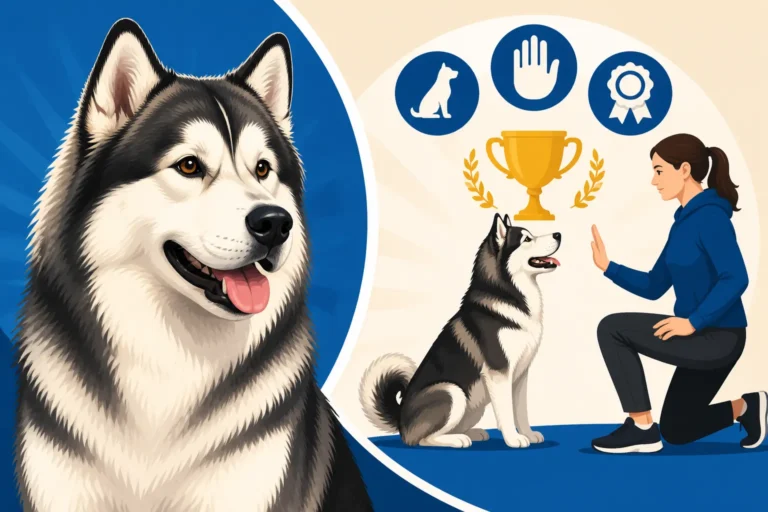
- Obedience Foundation: Before you even think about hooking up, your Malamute needs a solid foundation in basic obedience. "Sit," "stay," "come" (even if it's just in a controlled environment), and especially "leave it" are critical. Training programs like those offered by BAXTER & Bella can be incredibly helpful for building a strong obedience foundation before you even think about hooking up for Canicross. These programs often emphasize positive reinforcement, which is ideal for independent breeds.
- Harness and Line Familiarization: Get your Malamute comfortable with wearing the pulling harness and having the bungee line attached. Let them wear it around the house or on short, slow walks before asking them to pull.
- Verbal Cues: Teach clear, consistent verbal cues for direction and speed. Common cues include:
- "Gee" (right)
- "Haw" (left)
- "Hike" or "Let's Go" (forward)
- "Whoa" (stop)
- "On By" or "Leave It" (ignore distractions)
- Practice these on regular walks before integrating them into a pulling context.
- Start Slow and Short: Begin with very short runs on easy, flat trails. Focus on positive experiences. Keep the first few sessions short and fun, gradually increasing distance and intensity as your Malamute builds stamina and understanding. Remember, The Age a Malamute Can Start Pulling is important – puppies need to mature physically before engaging in strenuous activity.
- Positive Reinforcement: Lavish praise, high-value treats, and enthusiastic encouragement. Make Canicross the most fun thing your Malamute does. Never use punishment or harsh corrections.
- Practice Distraction Proofing: Gradually introduce controlled distractions during training sessions. This is vital for managing their prey drive on the trail.
- Know When to Stop: Always err on the side of caution, especially regarding heat. If your Malamute seems tired, hot, or uninterested, cut the session short. Their well-being is paramount.
Environmental and Seasonal Considerations
Given the Malamute's heat intolerance, selecting the right time and place for Canicross is critical.
- Cool Weather is King: Plan your Canicross activities for cooler seasons (fall, winter, early spring) or during the coolest parts of the day (pre-dawn or late evening). Avoid midday sun and hot pavements entirely.
- Trail Selection: Opt for shaded, natural trails with soft surfaces (dirt, grass, pine needles) over asphalt or concrete. These surfaces are cooler and easier on their joints. Consider trails near water sources for quick cool-downs if necessary.
- Monitor Conditions Relentlessly: Always check the weather forecast, but also be aware of the real feel temperature on the ground. Humidity also plays a significant role in how quickly dogs overheat. If you have any doubt, skip the run or opt for a simple, leisurely walk instead.
- Hydration Stations: Map out routes that have natural water sources (clean streams, not stagnant ponds) or plan to carry ample water and take frequent breaks. A Malamute will drink a surprising amount, especially when working.
- Respect Their Limits: Just like humans, dogs have good days and bad days. Don't push your Malamute beyond what they're comfortable with. Some days they might have endless energy; other days, they might prefer a slower pace. How Much Exercise an Alaskan Malamute Needs is significant, but it must be appropriate for the conditions and their individual energy levels.
By carefully considering all these aspects, you can enjoy a fantastic and safe Canicross journey with your Alaskan Malamute, honoring their powerful heritage and building an incredible partnership.
Canicross Suitability for Alaskan Malamutes: A Summary
To help you visualize the pros and cons more clearly, here's a quick overview of why an Alaskan Malamute might or might not be the ideal Canicross partner.
| Aspect | Pros for Alaskan Malamutes in Canicross | Cons for Alaskan Malamutes in Canicross |
|---|---|---|
| Pulling Instinct | Innate desire to pull, making training for the act of pulling easier. | Can be overly enthusiastic, requiring strong directional control. |
| Physical Build | Powerful, muscular build for sustained effort; strong joints for impact. | Not built for speed; may not satisfy owners seeking fast-paced runs. |
| Endurance | Excellent stamina for long distances; efficient metabolism. | Lower heat tolerance means limited running windows; risk of overheating. |
| Temperament | Work ethic, enjoy having a job; stable, often focused when working. | Can be stubborn and independent, requiring patience and positive reinforcement. |
| Prey Drive | N/A (generally a con, rarely a pro) | Strong prey drive leads to distractions and potential safety hazards on trails. |
| Seasonality | Thrive in cool and cold weather, ideal for winter Canicross. | Severely limited in warm weather, making Canicross a seasonal activity. |
| Training | Respond well to positive reinforcement and clear routines. | Requires consistent, patient training to overcome stubbornness and distractions. |
| Gear | Benefit immensely from specialized pulling harnesses. | May require additional cooling gear (vests, booties) in transitional weather. |
Ultimately, an Alaskan Malamute can absolutely be a fantastic Canicross partner, provided their owner is fully aware of their unique needs and is committed to managing the challenges. It's about working with their strengths and mitigating their weaknesses, primarily their heat intolerance and strong prey drive. If you're willing to adjust your schedule, invest in the right gear, and train with patience and understanding, you'll find that few breeds offer the same powerful, dedicated companionship on the trails. It's not just about running; it's about embracing their heritage and sharing a purposeful adventure. It allows them to truly be the magnificent working dogs they were bred to be, fulfilling their need for a job and making them a much more contented member of your family. What an Alaskan Malamute Needs Every Day includes significant exercise and mental stimulation, and Canicross is an excellent way to provide both.
Disclaimer
This article is for general informational purposes only and does not constitute professional advice. Laws, prices and regulations vary by location and change over time. Consult a qualified professional for guidance on your specific situation.