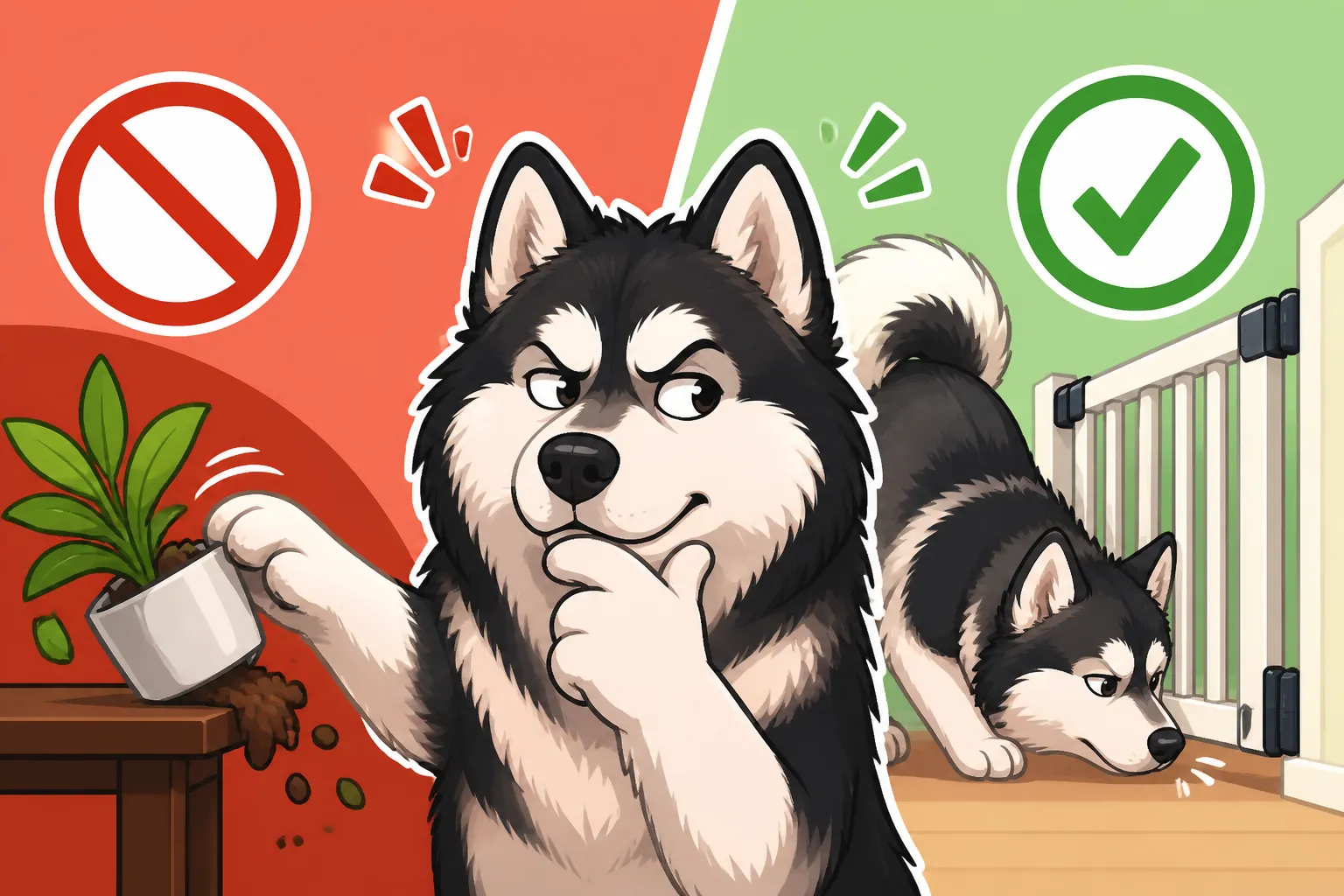
Whether a Malamute Tests Every New Rule
Ah, the Alaskan Malamute. Majestic, loyal… and sometimes, a little too clever for their own good, right? If you've ever felt like your furry companion is constantly pushing the boundaries, trying to figure out just how serious you are about that "no jumping" rule, you're certainly not alone. It's a common frustration that can leave even the most experienced Malamute owner scratching their head. This guide is all about diving deep into the Malamute's natural inclination to test every new rule you set, and more importantly, how you can build a consistent, respectful relationship that encourages cooperation.
The Malamute Mindset: Why "Every New Rule" Gets Scrutiny
It's easy to take it personally when your Malamute seems to challenge every little thing you ask of them. You teach them a new cue, they nail it in class, and then at home, it's like they've never heard it before. Or you set a new boundary – no more jumping on the couch – and the next day, there they are, one paw tentatively placed, watching your reaction. This isn't usually an act of defiance, not in the human sense anyway. It stems from their ancient heritage and unique intelligence.
Born Problem Solvers, Not Blind Followers
Think about what Malamutes were originally bred for: surviving in harsh Arctic conditions, making decisions on their own while pulling heavy loads, and even helping their human companions with hunting. They weren't bred to be automatons who simply followed orders without question. Instead, they developed an incredible capacity for independent thought and problem-solving. When you introduce a new rule, they're not necessarily trying to be naughty; they're analyzing it. They're asking, "Is this truly a hard-and-fast rule, or is there an exception? What happens if I try this?" They're assessing the situation, much like their ancestors assessed a tricky patch of ice or a change in weather.
This independent nature is a huge part of their charm, but it also means training them requires a different approach than with some other breeds. You can't just bark orders and expect instant, unquestioning compliance. They need to understand the why behind the rule, or at least believe it's consistently enforced. It's less about dominance and more about demonstrating reliable leadership and clear communication.
The "What's in It For Me?" Factor
Alaskan Malamutes are incredibly smart, and that intelligence often comes with a strong sense of self-interest. If a rule doesn't seem to benefit them, or if the consequences for breaking it aren't immediately clear and consistent, they're likely to test it. This isn't a malicious trait; it's just efficient. Why expend energy on something that yields no reward or has no real consequence? If they can get away with something, even once, they'll catalog that information.
For example, if you tell your Malamute "off" the counter, and they sometimes get a tasty crumb when they jump down, and other times nothing, they're going to keep trying. They're looking for that payout, that accidental reward that confirms their hypothesis. This is why positive reinforcement is so critical for this breed. They respond incredibly well to rewards that make complying with a rule more appealing than testing it. Think high-value treats, favorite toys, or even just enthusiastic praise. Why Force Fails on an Alaskan Malamute is a great read on why this approach is more effective for them.
Consistency is Key, But They'll Still Poke the Edges
Even with the most consistent owner, a Malamute will likely test boundaries throughout their life, particularly during adolescence. The Adolescent Malamute That Rewrites the Rules at Fourteen Months is a phase where this behavior is really pronounced. It’s part of their natural development, much like a human teenager pushing limits. They want to know where the line really is. If you give an inch, they'll often take a mile, not out of spite, but because they're simply exploring the elasticity of the rules.
This means that every single person in the household needs to be on the same page regarding rules and consequences. If one family member allows a behavior, even occasionally, that another member prohibits, the Malamute will quickly learn who to test and when. They'll also test different situations. "Does 'no jumping on the couch' apply when guests are over? What about when I'm tired? Or if I just came in from a walk?" Their testing isn't just about challenging your authority; it's about fully understanding the parameters of their world.
Common Scenarios Where Malamutes Test Boundaries
You'll encounter your Malamute's rule-testing tendencies in various aspects of daily life. Understanding these common scenarios can help you prepare and respond effectively.
Leash Manners and the Art of the "Malamute Walk"
Ah, the Malamute walk. For many owners, it's a constant negotiation. You've trained them to walk nicely on a loose leash, and for a while, they might even do it beautifully. Then, one day, they spot a squirrel, or another dog, or just decide they want to smell that particular patch of grass right now, and suddenly you're being towed like a sled. This isn't them forgetting their training; it's them testing. They're checking: "Is the leash always a boundary, or only when my human is paying close attention? Can I get away with pulling if I'm determined enough?"
They might try subtle shifts in pace, a sudden lurch, or even digging their heels in to see if you'll relent and let them dictate the direction. They are, after all, powerful dogs built for pulling, and they inherently understand their strength. If a slight tug gets them to their desired sniff spot, they learn that pulling can work. This constant re-evaluation of leash rules requires unwavering attention and consistency from the owner. Why an Alaskan Malamute Will Never Have a Reliable Recall also speaks to their independent nature when off-leash, further emphasizing the need for solid on-leash manners. Using a well-fitted, sturdy harness found on a platform like Amazon can help distribute pressure and give you better control without causing discomfort, but it won't replace consistent training.
Doorways, Gates, and the "Open Sesame" Game
Malamutes are escape artists par excellence. A new gate, a slightly ajar door, or even a child leaving a door open for a second too long becomes an immediate test. They don't just see a barrier; they see a challenge. They'll try nudging, pawing, even using their clever muzzles to open latches they've observed you using. If they succeed even once, that data point is logged. They've learned that this specific door, under these specific circumstances, can be breached. This isn't naughtiness; it's an intelligent dog using its keen observation skills to figure out how its environment works.
This can be incredibly frustrating and even dangerous. A Malamute out on the loose is often a Malamute in pursuit of adventure (and small prey!), and their recall is rarely reliable. You'll constantly be reinforcing rules about waiting at thresholds, not barging through doors, and respecting boundaries. Every time you leave the house, they’ll be watching for an opportunity. This is why secure fencing, ideally with concrete footings to prevent digging, is paramount. Fencing a Yard Against a Malamute That Was Bred to Dig goes into detail about securing your perimeter.
Personal Space and the "I'm the Boss" Mentality
While Malamutes are generally affectionate with their families, they can also test boundaries around personal space, especially as they mature. This might manifest as leaning on you incessantly, nudging your hand for pets when you're busy, or even trying to claim your favorite spot on the couch. They're not trying to be aggressive, but they are often testing who controls the resources – your attention, the comfy spot, the prime real estate in the home.
They might "woo" loudly to get your attention, or try to insert themselves between you and another family member or pet. While charming, these are subtle tests of where they stand in the social structure. How you respond to these small nudges reinforces or weakens the rules you've set about respectful interaction. If you always give in to the nudging, they learn that persistent testing yields results. It's about maintaining a balanced relationship where everyone understands their role, and you maintain benevolent leadership.
Effective Strategies for Navigating Malamute Rule Testing
Dealing with a Malamute's constant rule-testing can feel like a full-time job, but there are proven strategies that can help you build a more harmonious relationship.
Establishing Clear, Unwavering Expectations
The absolute cornerstone of successful Malamute ownership is consistency. You cannot waver. If a rule is in place, it must be enforced every single time by every single person in the household. If "no jumping on the counter" means 90% of the time they're redirected, but 10% of the time they get a quick pat and a "get down," they'll focus on that 10% and keep testing. They thrive on predictability, even if they sometimes push against it.
This means:
- Family Meeting: Get everyone on the same page. Discuss specific rules (e.g., "no dogs on furniture," "must sit before going out the door," "no jumping on guests") and agree on the exact response for each infraction.
- Environment Proofing: Remove temptations where possible. If they steal food from the counter, ensure no food is left within reach. If they dig in a certain spot, block it off or create a designated digging area.
- Short, Clear Cues: Use consistent verbal cues and hand signals. Avoid lengthy explanations or emotional outbursts. A simple, firm "Off" or "No" followed by redirection is much more effective. Professional training platforms, like those offered by BAXTER & Bella, often provide structured lesson plans that help owners establish these clear expectations and consistent responses.
Positive Reinforcement: Making Rules Worth Following
Since Malamutes have that strong "what's in it for me?" attitude, positive reinforcement is your most powerful tool. Instead of focusing solely on punishing unwanted behaviors (which can backfire with this breed), focus on richly rewarding the desired ones. When your Malamute chooses to follow a rule, even after a moment of hesitation, make it incredibly worthwhile for them.
For example, if you're working on not pulling on the leash:
- Reward Loose Leash: Every step they take on a loose leash, even just one or two, gets a high-value treat and verbal praise.
- Stop and Go: If they pull, immediately stop walking. Only resume when the leash is slack. They quickly learn that pulling gets them nowhere, while a loose leash means forward momentum (which they usually love!).
- Vary Rewards: Don't just use treats. Sometimes it's a quick game of tug, sometimes it's enthusiastic petting, sometimes it's access to a favorite sniffing spot. This keeps them engaged and eager to earn their reward. What an Alaskan Malamute Will Work For explains their motivators in more detail.
Proactive Management and Environmental Control
Preventing opportunities for rule-testing is often easier than correcting the behavior after it's started. This is especially true for independent, clever dogs like Malamutes.
Consider these proactive measures:
- Crate Training: A crate can be an invaluable tool for managing a Malamute, especially during their younger, more destructive phases. It provides a safe, contained space where they can't practice unwanted behaviors like chewing furniture or counter-surfing.
- Leash Indoors: For persistent counter-surfers or jumpy greetings, keeping a lightweight leash on your Malamute when you're home allows for quick, gentle redirection without needing to physically grab them.
- Secure Containment: Ensure your yard is truly Malamute-proofed. This might mean higher fences, fence rollers, or even burying chicken wire along the bottom to deter digging. Inside, baby gates can be useful for limiting access to certain areas until a rule is solidly established. For outdoor security, looking for heavy-duty kennels and fencing options on Amazon can be a good starting point.
- Enrichment: A bored Malamute is a destructive Malamute. Provide plenty of mental and physical stimulation to keep their brilliant minds occupied. Puzzle toys, chew items, and regular exercise tailored to their needs (like hiking or Pulling Is the Only Job an Alaskan Malamute Really Wants) can dramatically reduce their inclination to test boundaries out of boredom.
Seeking Professional Guidance
If you find yourself consistently struggling with your Malamute's rule-testing, don't hesitate to seek help from a qualified professional. An experienced dog trainer or behaviorist who understands the unique traits of Arctic breeds can offer invaluable insights and practical strategies. They can help you identify the root cause of the testing, develop a tailored training plan, and teach you how to communicate more effectively with your Malamute. Whether an Alaskan Malamute Needs a Professional Trainer is a good resource for understanding when to seek outside help. Sometimes, an objective eye can spot subtle cues or inconsistencies that you, as the primary caregiver, might overlook.
Common Malamute Rule Testing Scenarios and Solutions
Here's a quick overview of typical Malamute testing behaviors and how to respond:
| Testing Behavior | Malamute's Underlying Motivation / Question | Owner's Ideal Response (Consistent!) |
|---|---|---|
| Pulling on Leash | "Can I get to where I want faster if I pull? Does my human really mean 'loose leash' all the time?" | Immediately stop walking. Only resume when the leash is slack. Reward heavily for loose-leash walking, even for a few steps. |
| Counter Surfing / Table Begging | "Is there food up here? What happens if I try to get it? Is it always off-limits?" | Never leave food unattended. Firm "Off" cue and immediate redirection away from the counter/table. Reward when all four paws are on the floor. |
| Door Dashing / Gate Pushing | "Is this door really closed? Can I sneak through if I'm fast enough?" | Consistent "Wait" cue at all thresholds. Only open the door once they are calmly waiting. Always ensure gates are securely latched. |
| Jumping on People | "Will this get me attention/pets? Does it matter if it's family vs. guests?" | Turn your back, ignore jumping. Only give attention when all four paws are on the floor. Guests must do the same. |
| Ignoring Known Cues | "Do I have to do this now? Is there a consequence if I don't?" | Re-evaluate the reward. Is it high-value enough? Go back to basics in a low-distraction environment. Ensure the cue is clearly given and you wait them out. Whether an Alaskan Malamute Ignores a Cue It Knows delves deeper into this. |
| Digging in Yard | "Is this my yard, or is there a cool spot to dig here? What happens if I make a hole?" | Redirect to a designated digging pit (if you have one). Supervise closely outdoors. Provide alternative enrichment to relieve boredom. Reinforce "leave it" for forbidden spots. |
Disclaimer
This article is for general informational purposes only and does not constitute professional advice. Laws, prices and regulations vary by location and change over time. Consult a qualified professional for guidance on your specific situation.