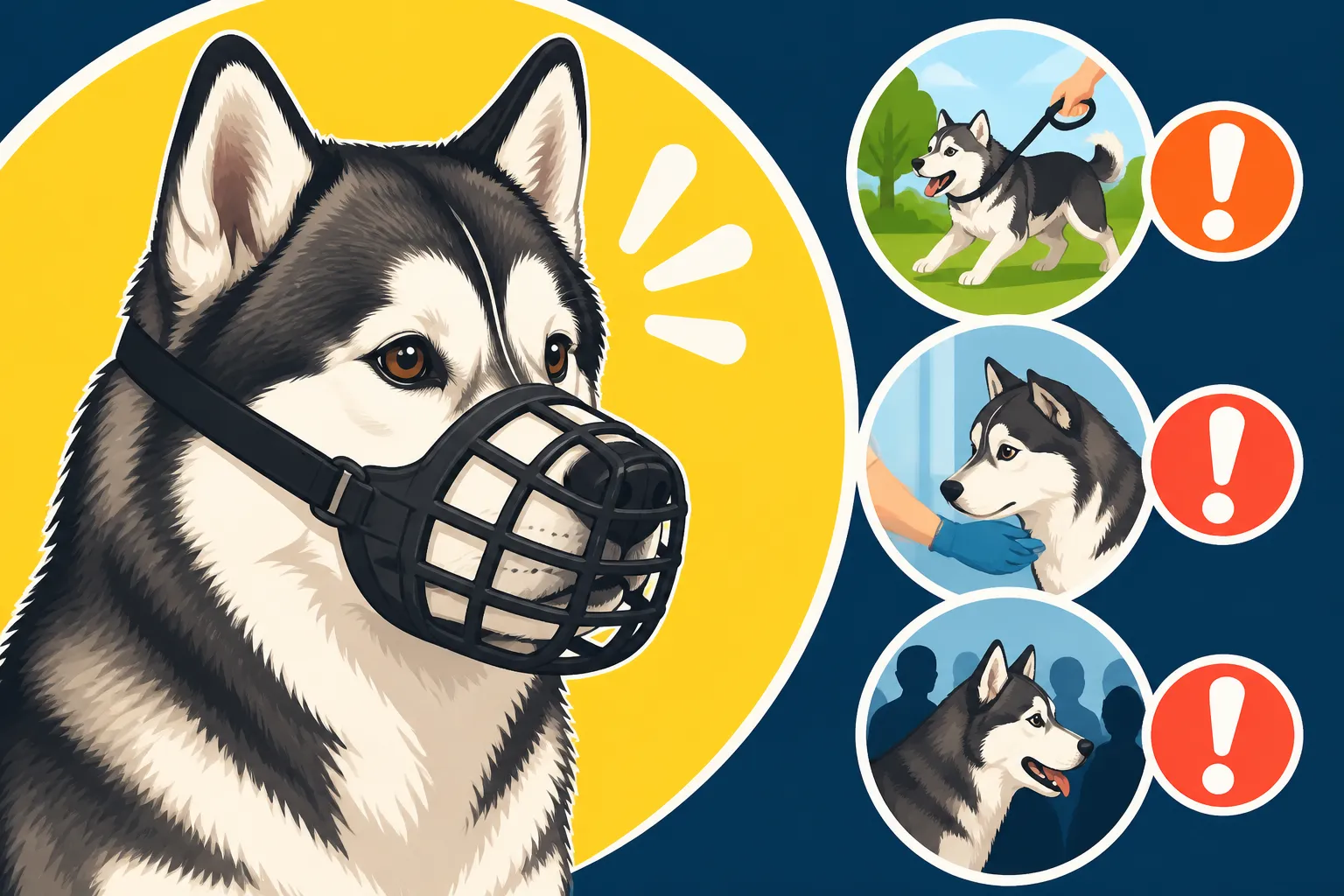
When a Malamute Should Wear a Muzzle
Many Alaskan Malamute owners cringe at the thought of muzzling their beloved companion, fearing it brands their dog as dangerous or aggressive. This stigma can lead to real safety concerns being ignored. However, a muzzle, when introduced correctly, is a vital management tool that can ensure the safety and well-being of your Malamute, other animals, and people in a variety of situations. This comprehensive guide will help you understand when and why a muzzle might be necessary for your Alaskan Malamute, and how to make it a positive experience.
Why the Misconception About Muzzles Exists
Let's be honest, seeing a dog in a muzzle often triggers a negative reaction in people. It's an immediate visual cue that screams "danger" or "aggression," and as Malamute owners, we already face enough misconceptions about our majestic, wolf-like companions. This societal knee-jerk reaction makes it incredibly difficult for responsible owners to consider muzzling, even when it's truly in their dog's best interest. The fear of judgment, of having our dog labeled, can override common sense and practical safety measures. It’s a completely understandable human response, but one we need to challenge for the sake of our dogs and the community.
The "Aggressive Dog" Label
The biggest hurdle for any owner considering a muzzle is undoubtedly the immediate leap people make to "aggressive dog." They see a muzzle and think of bite risks, vicious attacks, or a dog that is simply untrustworthy. This narrow view completely disregards the myriad of reasons a dog might wear a muzzle that have absolutely nothing to do with aggression. We want our Malamutes to be seen as the friendly, albeit independent, giants they are, and a muzzle feels like it undermines that image. It's a heavy burden to bear, constantly feeling the need to justify your dog's presence, let alone explain why they might be wearing a piece of safety equipment.
It's heartbreaking to hear comments or feel the wary stares, knowing full well your Malamute might just be muzzled to prevent them from eating something toxic on a walk, not because they’re about to lunge. This public misunderstanding puts immense pressure on owners, often leading them to avoid muzzling even when it would significantly reduce stress for both dog and handler in certain situations. The stigma is deeply ingrained, and changing it requires education and a shift in perspective, starting with us, the Malamute guardians.
Overcoming Public Perception
Overcoming this pervasive public perception is a challenge, but it starts with us, the owners, changing our own internal narrative about muzzles. Instead of viewing it as a sign of failure or aggression, we need to embrace it as a tool for responsible care and safety. Think of it like a seatbelt or a child's car seat – it's there to protect, not to signify danger. A well-fitted, properly introduced muzzle means you, as an owner, are being proactive and thoughtful about managing your Malamute in various environments. It demonstrates a commitment to preventing incidents, rather than reacting to them.
When your Malamute is muzzled, especially in public, you might still encounter those curious or apprehensive glances. This is an opportunity to calmly educate, if you feel comfortable. A simple, "He's just wearing it to make sure he doesn't eat any discarded food on our walk, he has a sensitive stomach," or "It helps keep him calm and the vet staff safe during his check-up," can sometimes disarm the situation. The truth is, a Malamute that is safely managed, even with a muzzle, is often a better ambassador for the breed than one that is allowed to get into trouble because an owner was too worried about optics. Prioritizing safety and responsible management will always be the correct choice, regardless of what others might mistakenly assume. Why Every Malamute Should Be Muzzle Trained provides more context on general muzzling needs.
Situations Where Muzzling Provides Safety and Peace of Mind
There are numerous practical scenarios where a muzzle isn't about aggression, but about preventing potential problems and ensuring everyone's safety. For an Alaskan Malamute, a breed known for its intelligence, strength, and certain instinctual drives, a muzzle can be an invaluable part of your management toolkit. It’s about proactive care, not reactive containment of a "bad" dog. Thinking about these situations beforehand can save you a lot of stress, potential vet bills, or even heartbreak.
Vet Visits and Grooming
Even the sweetest, most docile Malamute can become anxious, fearful, or even defensively aggressive when faced with the unfamiliar and often uncomfortable procedures at the vet's office or during a grooming session. The stress of being held, poked, prodded, or having nails trimmed can be overwhelming. In these moments, a quick snap or bite, even if not intended maliciously, can injure staff or even your dog if they thrash. A muzzle provides a crucial layer of protection for everyone involved, allowing necessary care to be administered safely.
For instance, imagine your Malamute needs a vaccine or a blood draw. They might be perfectly fine for the first part, then suddenly react to the needle prick. If they're muzzled, the vet tech can still proceed with care, knowing their hands are safe. Similarly, during coat blow season, a groomer working to detangle or de-shed your Malamute might encounter sensitive areas or a limit to their patience. A muzzle ensures the groomer can perform their job without fear of being nipped, making the experience less stressful for them and ultimately, for your Malamute too, as the process can continue without interruption or fear. It’s a tool that fosters cooperation and safety.
Public Places and Unknown Dogs
Alaskan Malamutes possess a strong prey drive and, being a pack-oriented breed, can sometimes exhibit same-sex aggression or simply have a different way of interacting with unfamiliar dogs than a quick, polite sniff. While your Malamute might be perfectly friendly at home, the unpredictability of other dogs, children, or even the general hustle and bustle of a public park or crowded sidewalk can trigger an unwanted reaction. A muzzle acts as an insurance policy, ensuring that even if an unexpected event occurs, no one gets hurt. This is especially true given How Common Dog Aggression Is in Alaskan Malamutes can be.
Consider walking your Malamute on a trail where you might encounter off-leash dogs whose owners are not attentive. Your Malamute might be minding their own business, but if another dog approaches too quickly or aggressively, a defensive reaction could occur. With a muzzle, you prevent a potential bite incident. Furthermore, the Malamute's prey drive, historically used to hunt large game alongside their human companions, means small, fast-moving creatures can be irresistible. A muzzle can mitigate the risk of your Malamute chasing or harming a squirrel, cat, or even a small, yappy dog that wanders too close. It’s a testament to responsible ownership, particularly when considering What an Alaskan Malamute Does to Small Animals. This is why, generally, Why a Dog Park Is Wrong for an Alaskan Malamute is often emphasized; structured, controlled environments are far better.
Preventing Scavenging or Injury
Malamutes, like many dogs, are notorious for putting things in their mouths. Whether it's discarded food, interesting-smelling trash, toxic plants, or even dangerous items like broken glass or chicken bones, their powerful noses and curious nature can lead them to ingest things that cause severe illness or injury. A muzzle, particularly a basket muzzle, can be a temporary but effective solution to prevent scavenging during walks in urban areas, parks, or anywhere you suspect dangerous items might be present. This isn't about aggression; it's purely about health and safety.
I’ve heard countless stories, and experienced some myself, where a Malamute managed to hoover up something utterly disgusting or dangerous in the blink of an eye. The vet bills for foreign body removal or treating poisoning can be astronomical. Equipping your Malamute with a muzzle for specific walks can save you a world of worry and expense. It's a pragmatic approach to safeguarding your dog's health, acknowledging their natural tendencies without resorting to constant, stressful vigilance. Think of it as a walking guard against unexpected hazards, preventing incidents that could send you spiraling into an emergency vet visit, which can be significant, considering What a Malamute Chews Through in a Year beyond food.
During Training or Rehabilitation
For Malamutes who are reactive, fearful, or have a history of aggression towards specific triggers (be it other dogs, strangers, or certain situations), a muzzle can be an indispensable tool during behavior modification and training. It creates a safe buffer that allows the owner and trainer to work on counter-conditioning and desensitization without the constant fear of an accidental bite. This safety net reduces stress for everyone involved, making the training process more effective.
For example, if you're working with a Malamute that is leash-reactive to other dogs, a muzzle allows you to expose them to controlled scenarios at a safe distance. You can then reward calm behavior, gradually decreasing the distance over time, all while knowing that if your dog does have an unexpected reaction, they cannot cause harm. This confidence allows you to focus purely on the training techniques. It's not a quick fix for behavior issues, but a crucial safety measure that facilitates positive reinforcement training. Many professional trainers, especially those certified by organizations like BAXTER & Bella, advocate for muzzles in these situations as a responsible step in rehabilitation. It also makes it easier to consider places like doggy daycare or social walks if your dog has any known issues; checking Whether any Daycare Will Take an Alaskan Malamute usually includes questions about bite history or safety measures. If you're tackling serious behavioral issues, remember Whether a Malamute Owner Needs a Professional Trainer is a key question.
Choosing the Right Muzzle and Introducing It Positively
Once you understand the practical benefits of muzzling, the next step is choosing the right equipment and, crucially, introducing it to your Malamute in a way that creates a positive association, not fear or punishment. A muzzle should never be a source of stress or discomfort for your dog. With their thick double coats and tendency to pant, Malamutes need a muzzle that prioritizes airflow and the ability to hydrate.
Types of Muzzles for Alaskan Malamutes
When it comes to muzzles, not all are created equal, especially for a large, robust breed like the Alaskan Malamute. You'll primarily encounter two main types: soft fabric muzzles and basket muzzles.
-
Soft Fabric Muzzles: These typically wrap around the snout, holding the mouth closed. While they might seem less intimidating, they are generally not recommended for anything more than very brief, supervised use (like a quick nail trim at the vet). The biggest drawback for a Malamute is that they restrict panting and drinking. Malamutes need to pant to regulate their body temperature, especially with their heavy coats. Restricting this can quickly lead to overheating, which is incredibly dangerous for the breed. If your Malamute is stressed or exercising, a fabric muzzle could be life-threatening. They also offer minimal protection against bites if the dog is determined, as they can sometimes still open their mouth slightly or rub the muzzle off.
-
Basket Muzzles: These are the gold standard for Malamutes. They are made of plastic, wire, or rubber and form a cage-like structure around the dog's snout. The key advantage is that they allow your Malamute to pant freely, drink water, and even take treats. This makes them safe for longer periods and for exercise. They also provide excellent bite prevention because the rigid structure physically prevents the mouth from opening far enough to bite. You can find a wide range of well-regarded basket muzzles on platforms like Amazon, often from brands specializing in sturdy, comfortable designs. Look for ones that are specifically designed for larger breeds and offer good ventilation.
Here’s a quick comparison:
| Muzzle Type | Pros | Cons | Best Use Cases |
|---|---|---|---|
| Soft Fabric | Compact, less intimidating look | Restricts panting/drinking, risk of overheating, limited bite prevention | Very brief, supervised procedures (e.g., quick nail trim) |
| Basket Muzzle | Allows panting/drinking, excellent airflow, strong bite prevention | Can appear more intimidating to public, bulkier | Longer wear times, walks, vet visits, grooming, behavior modification, scavenging prevention |
Always prioritize a basket muzzle for your Malamute to ensure their comfort and safety.
Step-by-Step Muzzle Training
Introducing a muzzle should be a gradual, positive experience, never forced or rushed. The goal is for your Malamute to associate the muzzle with good things and view it as a normal part of their routine, much like their harness or leash.
- Introduce the Muzzle: Start by simply showing your Malamute the muzzle. Let them sniff it. Don't try to put it on. When they show interest, give them a high-value treat immediately. Repeat this a few times over several sessions.
- Treat Through the Muzzle: Hold the muzzle up and offer a treat through the front opening, so their nose just touches or goes slightly into the muzzle to get the treat. They're learning that the muzzle predicts delicious rewards. Do this for short bursts, several times a day.
- Nose In, No Straps: Once your Malamute is happily poking their nose into the muzzle to get treats, start holding it there for a second or two before giving the treat. Don't do up the straps yet. Just let them get comfortable with the sensation.
- Practice Strapping (Briefly): Gently bring the straps around their head and fasten them for just a split second, then immediately remove the muzzle and give a jackpot of treats. The key is to be super quick and make it a positive, fleeting experience. Gradually increase the duration the muzzle is on, always following with treats and praise.
- Wear for Short Durations: Once they tolerate the straps being done up for a few seconds, practice wearing it for slightly longer periods while you engage them with treats, a chew toy, or a short walk. Always end the session positively with a reward when you take it off.
- Integrate into Routine: Start incorporating the muzzle into activities that already make your Malamute happy, like going for a walk. Put the muzzle on, give a treat, then immediately go for the walk. They’ll start to associate the muzzle with fun outings.
Remember to keep training sessions short, fun, and always end on a positive note. Never scold or force your Malamute. Patience and consistency are your best friends here.
Making the Muzzle a Positive Tool
The entire training process revolves around positive reinforcement. You want your Malamute to associate the muzzle with rewards, comfort, and positive experiences. This means treats, praise, and favorite activities should be heavily involved. Never, ever, use the muzzle as a punishment or put it on your dog when they are already stressed or fearful. This will only create negative associations and make future muzzling attempts much harder.
Consider resources like BAXTER & Bella online training programs, which often emphasize positive, fear-free training methods that can be easily applied to muzzle training. They can help you structure your approach and ensure you're building a strong, trusting relationship with your Malamute throughout the process. The goal is to get to a point where your Malamute sees the muzzle and thinks, "Yay, good things are happening!" rather than "Oh no, what's going to happen now?" When the muzzle becomes a neutral or even positive cue, you'll find it much easier to use when needed, whether for a vet visit, a challenging walk, or during a How a Malamute Treats a Small Breed Housemate interaction if you have concerns.
Important Considerations and Ongoing Use
A muzzle is a tool, and like any tool, it needs to be used correctly and responsibly. Improper use can be detrimental to your Malamute's physical and psychological well-being. Understanding its limitations and ensuring it's always associated with positive experiences is paramount for a breed as sensitive and intelligent as the Alaskan Malamute.
Never Use a Muzzle as Punishment
This point cannot be stressed enough. Using a muzzle as a punishment for unwanted behavior will utterly destroy any positive associations you've worked hard to build. If your Malamute views the muzzle as a penalty, they will fight it, associate it with fear and discomfort, and the entire purpose of having it as a safety tool will be lost. Instead of helping, it will increase stress and potentially escalate behavioral issues.
For example, if your Malamute barks excessively, putting a muzzle on them as a consequence will only make them more anxious about barking, or more anxious about the muzzle itself. It won't address the root cause of the barking. Behavior issues should be addressed through appropriate training, management strategies, and, if necessary, with the guidance of a professional trainer or behaviorist. The muzzle's role is purely for safety and management during certain situations, not for correcting behavior. Maintaining trust and a positive relationship with your Malamute is always the priority.
Muzzle Comfort and Fit for Long-Term Use
A muzzle that doesn't fit properly can cause chafing, restrict breathing, or even obscure vision, leading to discomfort and distress for your Malamute. For a breed like the Alaskan Malamute, with their deep chest and need to pant effectively, a correctly fitted basket muzzle is non-negotiable, especially if they might wear it for extended periods during walks, vet visits, or rehabilitation.
When fitting a basket muzzle, ensure there's enough room for your Malamute to fully open their mouth to pant, take treats, and drink water. There should also be about a half-inch to an inch of space between the end of their nose and the front of the muzzle. The straps should be snug enough to prevent your Malamute from pawing it off, but not so tight that they pinch or cause irritation. Regularly check for rubbing or sore spots, particularly behind the ears and along the bridge of the nose.
While basket muzzles are designed for longer wear than fabric muzzles, no dog should be left unsupervised for extended periods with a muzzle on. They are still a management tool, not a substitute for supervision. Always ensure your Malamute has access to water, especially when muzzled. And remember, while a muzzle is a valuable safety tool, it’s always secondary to proper training, management, and understanding your Malamute’s individual needs. Knowing when and how to appropriately use this tool ensures that your Malamute can lead a safer, happier, and more integrated life with you and the world around them. For additional general advice on why this is such a critical skill, revisit Why Every Malamute Should Be Muzzle Trained.
Disclaimer
This article is for general informational purposes only and does not constitute professional advice. Laws, prices and regulations vary by location and change over time. Consult a qualified professional for guidance on your specific situation.