What an Alaskan Malamute Does to Small Animals
One of the most profound realities of owning an Alaskan Malamute is grappling with their intense, hardwired prey drive. It's a truth that can be incredibly difficult for many new owners to confront, especially when they have other smaller pets in their home or live in an area with abundant wildlife. This guide is here to shed light on what that instinct truly means for small animals, offering an honest look at the risks and, crucially, providing strategies for responsible management and prevention to help you navigate this challenging aspect of Malamute ownership.
The Malamute's Innate Prey Drive: A Historical Imperative
Let's be real: your Malamute isn't trying to be "bad" when they show an intense interest in a squirrel or a neighbor's cat. They are simply being what they were bred to be, for thousands of years. Their ancestors, the dogs of the Mahlemut people of Alaska, were indispensable for survival, not just for pulling heavy loads, but also for assisting in the hunt. This heritage is deeply ingrained, and it manifests as a powerful prey drive.
Historical Roots of a Hunter
Imagine life in the Arctic, where every calorie counted and survival depended on skill and strength. The Mahlemut people relied on their dogs to help them hunt large game like seals and even bears. How a Malamute Hunted Bears Alongside the Mahlemut isn't just a historical anecdote; it's the foundation of your modern Malamute's genetic makeup. These dogs weren't gentle herders; they were powerful, persistent hunters, capable of tracking, cornering, and dispatching prey. This means that the impulse to chase, capture, and even kill smaller animals isn't a learned behavior or a training flaw; it's an intrinsic part of their being, refined over countless generations for survival in harsh environments.
This ancient drive means that the sight, sound, or even scent of a small, fast-moving creature can trigger an almost uncontrollable response in your Malamute. It's not about malice; it's about instinct. This is why you'll often see them fixated on birds, squirrels, or even a leaf skittering across the yard. Their senses are finely tuned to detect potential prey, and their bodies are built for the chase. Understanding this deep-rooted history is the first step toward managing it effectively, rather than fighting against an insurmountable tide.
Instinct vs. Training: A Constant Battle
Many owners come to Malamutes hoping that diligent training can simply "fix" or extinguish this prey drive. While training is absolutely essential for management, it's crucial to understand that you're not going to train away a fundamental instinct. You can teach your Malamute to manage their impulses, to listen to you even when those impulses are strong, but the drive itself will always be there, simmering just below the surface. How Strong a Malamute's Prey Drive Is isn't something to underestimate.
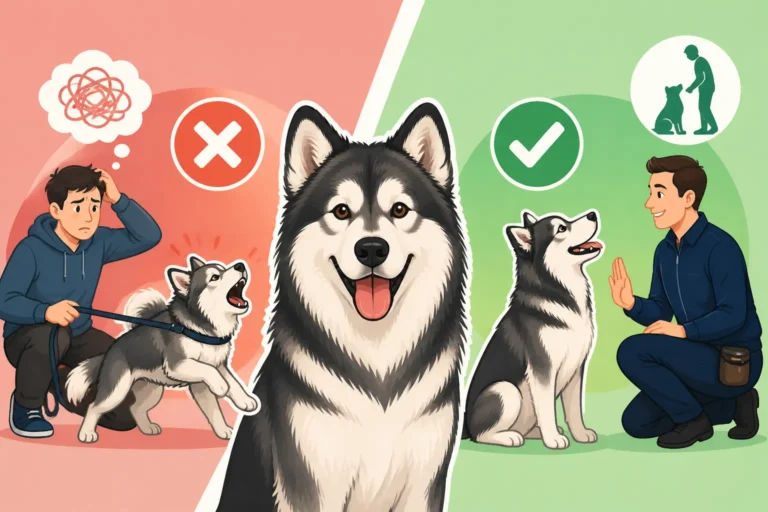
This is why traditional obedience commands often fall apart the moment a rabbit darts across the path. Your Malamute might have a rock-solid "stay" in the living room, but that command is entirely different when a high-value, instinct-triggering stimulus is present. It’s like asking a human to ignore their favorite food placed directly in front of them, but with a primal urgency far beyond mere craving. Training focuses on building such a strong relationship and reliable alternative behaviors that your Malamute chooses to listen to you, even over their own powerful urges. However, this is a lifelong commitment, not a one-time fix, and it requires constant vigilance and reinforcement.
Understanding the Risk to Different Small Animals
The inherent prey drive of an Alaskan Malamute means that any smaller animal moving quickly can be viewed as potential prey. It's not personal; it's biological. This unfortunately extends beyond typical wildlife to include domestic pets as well. The degree of risk and the best management strategies vary depending on the type of small animal in question.
Cats and Kittens
Ah, the age-old question: Can a Malamute live with a cat? The answer is often nuanced, but the underlying truth is that cats, especially unfamiliar ones, present a significant risk. A Malamute's instinct to chase and capture anything that flees is incredibly strong, and a darting cat is a prime target. Even a Malamute that has grown up with a specific cat may still see other cats as prey. The Risk an Alaskan Malamute Poses to Cats is not just a theoretical concern; it's a very real danger that owners must acknowledge.
Many stories exist of Malamutes living peacefully with their resident cat for years, only for a new cat or even a neighborhood stray to trigger that dormant prey drive with tragic results. This is because the bond formed with a specific house cat doesn't necessarily override the deeply ingrained instinct when confronted with an unknown feline. The quick, erratic movements of a cat can easily provoke a chase response, and given the Malamute's size and strength, even a playful "pounce" can become deadly. Therefore, any interaction between a Malamute and a cat, particularly early in their relationship, requires absolute, unwavering supervision and a meticulous approach to introductions, if attempting to integrate them at all.
Small Dogs (Toy Breeds, Puppies)
It might seem counterintuitive for one dog to see another dog as prey, but for a large, powerful breed like the Malamute with a strong prey drive, smaller dogs can absolutely fall into this category. Toy breeds, small puppies, or even older, frail small dogs, especially if they are vocal, yappy, or prone to running away, can trigger that predatory instinct. The Risk a Malamute Poses to a Small Dog is a serious consideration for multi-dog households.
Imagine a Malamute seeing a tiny Chihuahua scurrying across the yard. The Malamute's brain, wired for chasing, may not register "fellow canine" but rather "small, fast-moving object." This is not always aggression in the typical sense; it can be a predatory sequence that, once initiated, is incredibly difficult to interrupt. The risk is heightened when the smaller dog expresses fear by running or yelping, which can intensify the Malamute's drive. This is why dog parks, for example, are often highly inadvisable for Malamutes, particularly if small dogs are present. Owners must be hyper-vigilant in any environment where their Malamute might encounter smaller canines, and separate living arrangements might be necessary if integrating them into the same household.
Pocket Pets (Rabbits, Guinea Pigs, Hamsters)
When it comes to smaller, caged animals like rabbits, guinea pigs, hamsters, or even birds, the risk escalates dramatically. These animals are often seen as direct prey by a Malamute, and there is almost no room for error. Their size, smell, and behavior are textbook triggers for the Malamute's predatory instincts. What an Alaskan Malamute Does to Poultry gives you a stark idea of how quickly and effectively a Malamute can dispatch small creatures.
Even if these pets are kept in cages, the Malamute's persistent nature and powerful jaws mean that a determined Malamute could potentially break into or destroy a cage. It's not just about the immediate danger; the stress alone of being constantly perceived as prey can be detrimental to the health of smaller pets. Therefore, absolute physical separation is paramount. This means keeping pocket pets in a completely separate, Malamute-proof room or area where there is no chance of interaction, even supervised. The risk is simply too high to consider cohabitation without extreme, physical barriers and constant vigilance.
Outdoor Wildlife (Squirrels, Birds, Deer)
This is perhaps the most common manifestation of a Malamute's prey drive and the one most owners experience daily. Squirrels, rabbits, birds, local deer, and even neighborhood cats are all fair game in the Malamute's eyes. Their powerful noses can detect wildlife scent from a considerable distance, and their speed and agility mean that once they initiate a chase, it's often over very quickly for the unfortunate animal. What a Loose Malamute Hunts paints a vivid picture of this reality.
The problem isn't just the direct threat to wildlife; it's the danger it poses to the Malamute itself. A Malamute chasing a squirrel might bolt into traffic, dig under a fence to pursue a rabbit, or become so fixated on a deer that they disappear for hours, ignoring all recalls. This instinct is why a secure yard and a reliable leash are not optional accessories, but fundamental necessities for Malamute ownership. Owners must understand that a Malamute off-leash in an unfenced area, especially if there's wildlife around, is a disaster waiting to happen.
Strategies for Management and Prevention
Living with a Malamute and their strong prey drive requires a proactive, consistent, and realistic approach to management. This isn't about eliminating the drive, but about safely channeling and controlling it to prevent tragic outcomes.
Secure Containment: Fences and Leashes
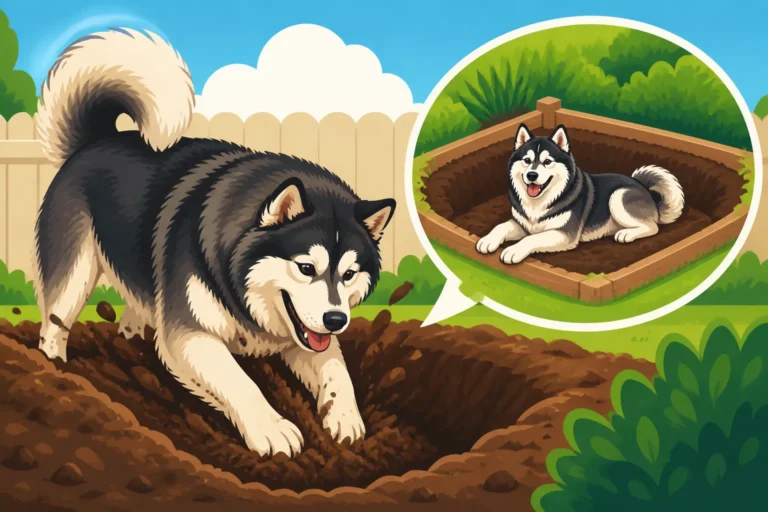
When you own an Alaskan Malamute, "secure" isn't just a suggestion; it's a way of life. This breed is renowned for its Houdini-like abilities, and their desire to pursue perceived prey can fuel incredible feats of escape. A standard four-foot fence often becomes merely a suggestion, not a barrier. They will dig under, jump over, or even find weak spots to squeeze through. Fencing a Yard Against a Malamute That Was Bred to Dig is a topic every Malamute owner needs to study.
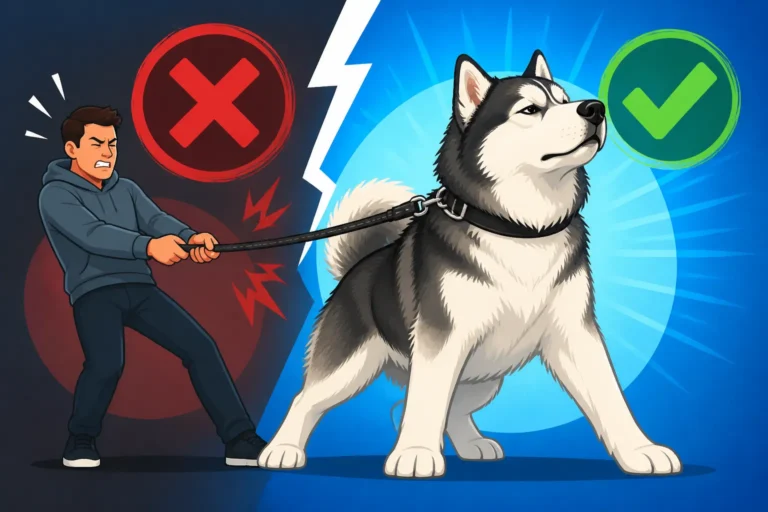
For your yard, this means considering a fence that is at least six feet tall, preferably made of solid material that cannot be easily scaled or seen through. More importantly, the fence needs to extend below ground level with concrete footings or L-footings to prevent digging escapes. Many Malamute owners have added "coyote rollers" or similar deterrents to the top of fences to prevent jumping. Even with the most secure fence, never leave your Malamute unsupervised for extended periods, especially if there's active wildlife nearby. When outside the yard, a sturdy leash and harness are non-negotiable. A simple collar is insufficient; a well-fitting harness (such as those you can find on Amazon, known for their durability) that prevents them from backing out is critical. Why a Malamute's Recall Cannot Be Trusted when prey drive kicks in, so always, always assume the leash is your primary safety mechanism.
Supervision and Controlled Introductions
If you are attempting to integrate a Malamute with small pets, or if you simply have them in the same household, constant, direct, and active supervision is your most powerful tool. This means literally watching their every interaction, not just being in the same room. Any sign of fixation, stiff body language, or even a subtle shift in attention towards the smaller animal must be immediately interrupted and redirected.
Controlled introductions, especially for puppies, are crucial but must be done with extreme caution. How to Introduce a Malamute Puppy to a Cat involves slow, positive encounters, always on leash, always with an escape route for the smaller animal, and often through barriers like baby gates. Never leave a Malamute and a small animal unsupervised, even for "just a minute." Even a seemingly harmless interaction can escalate in a split second. For adult Malamutes, particularly those without a history with small animals, integration might not be possible or safe without professional guidance. The goal isn't necessarily affection, but rather peaceful coexistence born from mutual respect and clear boundaries, rigorously enforced by you.
Muzzle Training as a Safety Net
While often misunderstood, muzzle training is one of the most responsible and humane tools a Malamute owner can employ, especially if there are small animals in the household or if the Malamute frequently encounters wildlife on walks. A properly fitted basket muzzle (many high-quality, comfortable options are available on Amazon) allows your dog to pant, drink, and even take treats, but prevents them from biting. Why Every Malamute Should Be Muzzle Trained isn't about assuming your dog is dangerous; it's about providing an indispensable layer of safety.
Muzzles are not for punishment, and training your Malamute to happily wear one should be a positive, gradual process, often starting in puppyhood. Using high-value treats and praise, you can teach your Malamute to associate the muzzle with good things. This makes it a valuable tool for vet visits, for controlled outdoor excursions where wildlife is abundant, or for initial supervised introductions to small animals where the risk is simply too great to go without. It provides peace of mind and, most importantly, protects vulnerable animals while you continue to work on training and management.
Living with an Alaskan Malamute and Small Pets
Successfully managing a Malamute in a multi-pet household is a significant commitment that demands consistent effort, thoughtful planning, and realistic expectations. It’s not about wishful thinking, but about creating an environment where every creature is safe and respected.
Raising a Malamute Puppy with Small Pets
Starting young offers the best chance for peaceful coexistence, but it’s still no guarantee. If you bring a Malamute puppy into a home with existing small pets, every interaction needs to be carefully orchestrated. The puppy must learn from day one that the small pets are not toys, not chase objects, and not prey. This means active supervision every single moment they are together. How to Introduce a Malamute Puppy to a Cat emphasizes the importance of making positive associations while maintaining strict boundaries.
Use baby gates and crates (sturdy ones that even a growing Malamute won't destroy, check reviews on Amazon for strong options) to create physical barriers. The small pets should always have safe, Malamute-free zones they can retreat to. Reward calm behavior around the small pets and immediately interrupt any unwanted interactions with a firm "leave it" and redirection to an appropriate toy or activity. Early and consistent positive reinforcement training, perhaps using an online resource like BAXTER & Bella that can guide you through challenging puppy behaviors, is invaluable. Remember, a puppy's play can quickly escalate into something dangerous for a small animal, even if the intent isn't malicious, simply due to size and strength.
Introducing an Adult Malamute to a Small Pet
Introducing an adult Malamute, especially one with an unknown history or a known prey drive, to small pets is considerably more challenging and often carries higher risks. For many adult Malamutes, particularly those who haven't grown up with small animals, this might be an impossible feat. The default assumption should be that all small animals are potential prey until proven otherwise under strictly controlled conditions. Teaching an Adult Malamute to Live With Cats delves into the difficult realities of this scenario.
Initial introductions should always occur with the Malamute on a leash, ideally muzzled, and the small pet safely secured or behind a robust barrier. The goal is to allow the Malamute to observe the small pet from a distance, rewarding calm, neutral behavior. Any signs of high arousal or fixation mean the interaction must end immediately. This process can take weeks, months, or may ultimately prove unsuccessful. It requires immense patience and a willingness to accept that, for the safety of the smaller animal, separate living arrangements might be the only viable solution. This is not a failure on your part, but a realistic acknowledgement of the Malamute's fundamental nature.
The Role of Consistent Training and Enrichment
Beyond direct management of interactions, a strong foundation of obedience training and consistent mental and physical enrichment is vital. A bored, under-exercised Malamute is far more likely to engage their prey drive in destructive or dangerous ways. Daily, vigorous exercise is non-negotiable – think long walks, hikes, or even pulling activities like carting or sledding, which are natural outlets for their breed.
Mental stimulation is equally important. Puzzle toys, interactive games, and regular training sessions keep their intelligent minds engaged. Consistent training, focusing on strong impulse control commands like "leave it," "stay," and a rock-solid recall (though remembering Why a Malamute's Recall Cannot Be Trusted in high-prey situations), helps build a foundation of obedience. Utilizing comprehensive training platforms, like BAXTER & Bella, can provide structure and support for these ongoing efforts. While training cannot erase prey drive, it can help your Malamute develop the self-control to choose to listen to you, even when their instincts are screaming otherwise. It’s a marathon, not a sprint, and requires unwavering dedication from you.
Realistic Expectations and When to Seek Help
It's critical to maintain realistic expectations about what you can truly achieve with a Malamute's prey drive. Denying or minimizing this instinct puts all other small animals at risk. Sometimes, despite your best efforts, professional help is necessary, and occasionally, the safest choice is to acknowledge that certain living situations are simply not compatible.
Accepting Limitations
This is perhaps the hardest pill to swallow for many Malamute owners. Despite all training, all management, and all good intentions, there will always be a limit to how much you can modify a deeply ingrained instinct. For some Malamutes, living safely with small animals, especially those not introduced in puppyhood, may simply never be possible. This isn't a reflection of your failure as an owner, nor is it a fault of the dog; it's a fundamental aspect of the breed.
Accepting these limitations means prioritizing safety above all else. This might involve creating permanently separate living spaces for your Malamute and smaller pets, ensuring they never have unsupervised access to each other. It means always being prepared for unexpected encounters outdoors and understanding that even a brief lapse in judgment could have devastating consequences. It also means educating others, like houseguests or dog walkers, about your Malamute's tendencies and the strict protocols you have in place.
| Small Animal Type | Risk Level (to the animal) | Management Complexity | Recommended Approach |
|---|---|---|---|
| Cats | High to Very High | High | Extremely cautious, supervised introductions. Separate living spaces often required. Muzzle training for initial interactions. Never unsupervised. |
| Small Dogs | High | High | Vigilant supervision, especially with new or excitable small dogs. Separate play areas. Avoid dog parks with small breeds. Muzzle training for safety in new environments or initial meetings. |
| Pocket Pets | Very High (Extreme) | Very High (Extreme) | Absolute physical separation in Malamute-proof rooms/cages. No direct interaction, supervised or otherwise, is generally recommended. |
| Outdoor Wildlife | Very High | Moderate to High | Secure fencing (buried, tall, climb-proof). Leash always in unfenced areas. Strong "leave it" command. GPS tracker recommended for escape artists. What a Loose Malamute Hunts makes this clear. |
| Young Children | Moderate (Not Prey) | High (Due to size/strength) | Not prey, but Malamute's size and play style can be dangerous. Constant supervision crucial. Teach child dog manners. Malamute needs escape routes. |
Note: Risk levels are generalized and can vary based on individual Malamute temperament, training, and specific circumstances.
Professional Guidance and Behaviorists
If you're struggling to manage your Malamute's prey drive, especially in a multi-pet household, or if you're witnessing concerning behaviors, please don't hesitate to seek professional help. A certified professional dog trainer or a veterinary behaviorist can provide invaluable insight and tailored strategies. They can assess your specific situation, help you understand your Malamute's individual tendencies, and develop a comprehensive plan for management and training.
A behaviorist can help you decipher whether what you're seeing is purely prey drive, or if there are other underlying behavioral issues at play, such as fear or resource guarding, which might exacerbate the situation. They can guide you through safe introduction protocols, help you refine your management techniques, and provide realistic expectations. Investing in expert advice is not a sign of weakness; it's a testament to your commitment to your Malamute's well-being and the safety of all animals in your care. Remember, you don't have to navigate these complex challenges alone.
Disclaimer
This article is for general informational purposes only and does not constitute professional advice. Laws, prices and regulations vary by location and change over time. Consult a qualified professional for guidance on your specific situation.