How a Malamute Treats a Small Breed Housemate
Bringing a small dog into a home with an Alaskan Malamute can feel like walking a tightrope – you love both breeds dearly, but the natural instincts of a powerful, prey-driven dog like a Malamute against the vulnerability of a tiny companion can create a constant undercurrent of anxiety for owners. This guide is here to honestly address those concerns, exploring the complex dynamics at play and offering realistic strategies for fostering a safe and, hopefully, harmonious multi-dog household.
Understanding the Malamute's Deep-Seated Instincts
Before we even consider introductions, it’s absolutely vital to understand what makes a Malamute tick. These aren't just big, fluffy dogs; they are magnificent, ancient working breeds forged in the harsh Arctic, and their instincts are profoundly different from many other domesticated breeds. Owners often mistakenly believe that simply being "raised together" will erase thousands of years of evolutionary programming, and unfortunately, that's a dangerous misconception.
The Power of Prey Drive
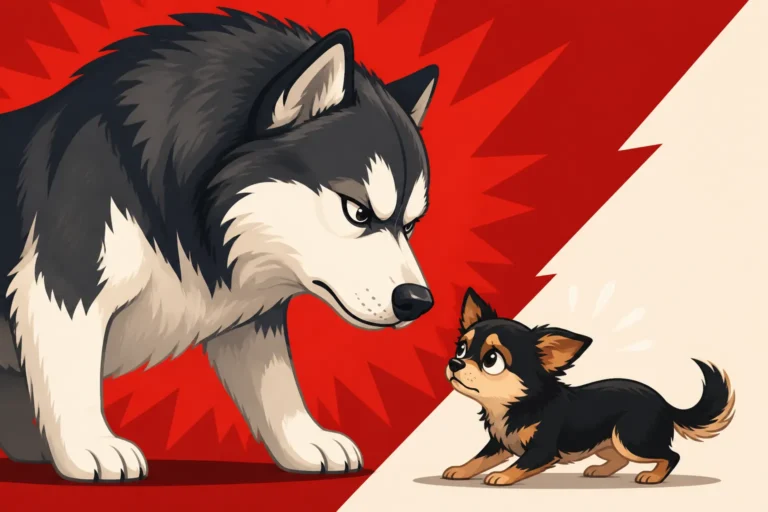
One of the most significant factors to contend with when pairing an Alaskan Malamute with a small dog is their inherent prey drive. These dogs were historically bred to hunt, track, and survive in environments where securing food was paramount. Their ancestors hunted large game, but their instincts can easily be triggered by anything small, fast, or squeaky – essentially, anything that resembles prey. A small dog, with its quick movements and higher-pitched vocalizations, can unfortunately tick many of those boxes.
This isn't a flaw in their character; it's simply who they are. How Strong a Malamute's Prey Drive Is delves deeper into this, but in short, it's a deep-seated behavioral pattern that can surface unexpectedly. Many Malamutes can live peacefully with cats or small dogs for years, only for an incident to occur suddenly, often triggered by a sudden movement, a game of chase, or even a perceived threat to a resource. It's a risk that intelligent, loving owners must always acknowledge and actively manage, not one that can be trained away entirely.
Pack Dynamics and Social Hierarchy
While Malamutes are generally social dogs with their human families, their interactions with other dogs can be nuanced, especially when it comes to pack dynamics and hierarchy. They were bred to work in teams, but also to be strong-willed and independent thinkers. This can sometimes translate into a desire to establish dominance or, at the very least, to not be challenged by other dogs, regardless of size.
When a small dog enters the picture, a Malamute might initially treat it with curiosity or even indifference. However, as the smaller dog grows bolder or attempts to engage in play, the size difference can become a factor. A Malamute might tolerate certain behaviors up to a point, but a perceived disrespect or a challenge to its space or resources (like food, toys, or even prime sleeping spots) could escalate quickly. This isn't necessarily aggression in the malicious sense, but rather a strong, often misunderstood, assertion of canine social order that can have devastating consequences given the size disparity.
Introducing a Malamute to a Small Breed Housemate
The introduction phase is absolutely critical and should never be rushed. Patience, careful planning, and an unwavering commitment to safety protocols are paramount. This isn't a one-time event but a continuous process of management and observation.
Neutral Territory and Controlled Meetings
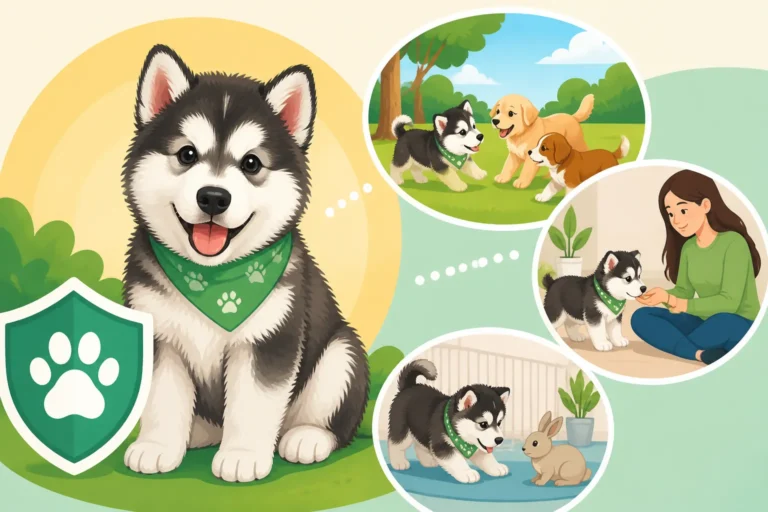
Never, ever introduce a Malamute to a small dog inside your home or yard initially. These are high-value territories, and the Malamute may feel the need to guard them. Instead, choose a neutral, open space where both dogs can be on leashes, preferably long lines, and with two handlers – one for each dog. Think of a quiet park or an empty field. The goal is for them to acknowledge each other's presence without direct interaction.
Start with parallel walks, keeping a safe distance where neither dog is reacting negatively. Allow them to simply be in each other's presence, sniffing the same areas at different times, gradually decreasing the distance over several sessions, not just one. The initial focus is on calm coexistence, not play or close interaction. Pay close attention to body language: lip licking, yawning, looking away, or stiff bodies are all signs of stress or discomfort. Remember, even a curious sniff can turn into something more serious if not managed carefully.
Supervision and Management Tools
Even after successful neutral introductions, direct, unsupervised interaction is a risk that most experienced Malamute owners would strongly advise against with small dogs. It's not about trust; it's about managing instinct. When both dogs are in the same room, they must be supervised by an attentive adult at all times. This means no leaving them alone, even "just for a minute" to grab a coffee.
Tools like crates, baby gates, and secure tethers become your best friends. These aren't punishments; they are safety measures. Each dog should have its own safe space. Perhaps the Malamute is crated in the living room while the small dog roams, or vice-versa. Feeding should always happen in separate, secure areas. Toys should be put away when not directly supervised during play with one dog, to avoid resource guarding issues that can escalate quickly. Many owners find robust, escape-proof crates, often available on platforms like Amazon, to be indispensable for managing multi-dog households.
Living Harmoniously: Ongoing Management and Safety
Successfully integrating a Malamute and a small dog isn't about eliminating the risk entirely (that's impossible); it's about minimizing it through vigilant, consistent management. This will be a lifelong commitment.
Establishing Clear Boundaries and Routines
Dogs thrive on routine and clear boundaries, and this is especially true in a mixed-size household. Both dogs need to understand their place and what is expected of them. This means separate feeding areas, designated resting spots, and consistent training for both. For the Malamute, reinforce strong impulse control commands like "leave it" and "stay." For the smaller dog, teach it to respect the Malamute's space and not to instigate overly boisterous play that could trigger a negative reaction.
Imagine a scenario where your small dog, a spunky Jack Russell, decides to "herd" your Malamute, charging and nipping at its heels. While this might be cute in a smaller breed, it could very easily be perceived as an aggressive challenge by a Malamute, leading to a swift, potentially deadly, retaliation. Training helps both dogs understand appropriate interactions and, crucially, helps you intervene before an incident escalates. Online training platforms like BAXTER & Bella can be incredibly helpful for establishing foundational obedience and impulse control in both dogs, offering flexible schedules to fit busy lives.
Separate Play and Exercise
While it might be tempting to let them romp together, it's often safer and less stressful for everyone if the Malamute and the small dog have separate play and exercise times. A Malamute's play style is rough and tumble; they mouth, body slam, and chase with immense power. Even accidental bumps could injure a smaller dog. Think of it this way: a playful nip from a Malamute could crush a small dog's skull.
Engage your Malamute in activities that satisfy its instinctual drives, such as long walks, hiking, or even weight pull or sledding activities if you're inclined. Give your small dog its own dedicated play time with you or appropriate canine companions of a similar size. When they are together in the house, keep interactions calm and low-key. Consider specific toys for each dog that are size-appropriate and don't create competition. This approach reduces the chance of miscommunication or accidental injury during play.
When a Muzzle is Not a Punishment
For some Malamutes, especially those with a strong prey drive or a history of reactivity, muzzle training can be a life-saving tool, not a punishment. A well-fitting basket muzzle allows the dog to pant, drink, and even take treats, but prevents biting. It can be invaluable during introductions, supervised interactions, or simply for peace of mind when you need to focus on something else but still have both dogs in the same vicinity.
It's a proactive measure that speaks volumes about a responsible owner's commitment to safety. When a Malamute Should Wear a Muzzle provides excellent insight into the importance of muzzle training. Basket muzzles are readily available from retailers like Amazon and should be introduced gradually with positive reinforcement, making it a comfortable experience for your Malamute. Never force a muzzle onto a dog.
Addressing Challenges and When to Seek Help
Despite your best efforts, challenges can arise. It's important to recognize warning signs and know when to escalate your management strategies or seek professional help.
Recognizing Warning Signs
Sometimes, the warning signs are subtle. It's not always a full-blown fight. Keep an eye out for these more nuanced signals:
- Stiff Body Language: The Malamute might become rigid, tail held low or stiffly curled, eyes fixed on the small dog.
- Hard Stares: Prolonged, unblinking eye contact from the Malamute towards the small dog.
- Resource Guarding: Any growling, snapping, or physical blocking of the small dog from food, toys, or even your attention.
- Excessive Herding or Pinning: The Malamute might repeatedly try to 'pin' the smaller dog with its body or herd it into corners.
- Avoidance or Constant Stress: If the small dog is constantly trying to hide, trembling, or showing signs of chronic stress around the Malamute, it's a huge red flag.
- Malamute's Bark Changes With Polyneuropathy is about a specific health issue, but any unusual vocalizations or changes in behavior should be observed carefully.
Even playful nips that seem harmless can be miscalculated. Remember, Malamutes have powerful jaws, and what's a gentle correction for another large dog can be fatal for a small one. It's crucial to intervene at the earliest sign of tension, not wait for an actual incident.
When Professional Intervention is Necessary
If you are consistently seeing warning signs, or if an incident has occurred (even a minor one), it's time to bring in a professional. A certified professional dog trainer or a veterinary behaviorist can assess the specific dynamics of your household, observe the dogs' interactions, and provide tailored advice. They can help you refine your management strategies, teach you advanced handling techniques, and even assist with behavior modification protocols.
Do not try to "work it out" on your own if you're seeing concerning behaviors. The stakes are simply too high. An experienced professional will prioritize safety above all else and can offer an objective perspective. They might even help you realize that, despite your best intentions, a multi-dog household with such a size disparity might not be viable or safe in the long term, and guide you through difficult decisions regarding separate housing or rehoming for one of the dogs. It's a hard truth, but sometimes the most loving thing we can do is admit when a situation isn't working for everyone's safety and well-being.
Key Considerations for a Mixed-Size Household
Bringing a Malamute and a small dog together requires a comprehensive approach, where understanding their individual needs and the breed's historical purpose is paramount.
| Factor | Alaskan Malamute Considerations | Small Breed Housemate Considerations | Management Strategy |
|---|---|---|---|
| Prey Drive | Strong, instinctual, easily triggered by small, fast movements. | Vulnerable to even playful Malamute interactions. | Constant supervision, separate play, "leave it" command, muzzle training. |
| Play Style | Rough, physical, body-slamming, chasing, mouthing. | Fragile bones, can be easily injured accidentally. | Separate exercise/play; strictly supervised calm interactions only. |
| Resource Guarding | Can be possessive over food, toys, space, or even owner attention. | May instigate or be intimidated, leading to conflict. | Separate feeding, put away all toys, manage attention, crate & rotate. |
| Training Needs | Requires consistent, positive reinforcement for impulse control. | Needs confidence building, "respect space" training. | Both dogs need strong obedience, BAXTER & Bella or other structured training. |
| Size & Strength | Powerful, even an accidental bump can cause severe injury. | Easily harmed, cannot defend itself against a Malamute. | Physical separation when unsupervised (crates, gates), no direct wrestling play. |
| Supervision Level | Requires attentive, 100% focused supervision when together. | Needs protection from potential harm. | Never leave alone together, even for a moment; use secure boundaries. |
| Long-Term Outlook | Lifelong commitment to management, never assume "they've adjusted." | Needs a consistently safe and predictable environment. | Maintain strict routines, re-evaluate regularly, be prepared for tough choices. |
This table isn't exhaustive, but it highlights the critical areas where proactive management is key. Thinking through each of these points before, during, and after bringing dogs together can save a lot of heartache. The goal is to set both dogs up for success, acknowledging their inherent traits rather than trying to force them into unnatural roles. Always remember that What an Alaskan Malamute Does to Small Animals and The Risk an Alaskan Malamute Poses to Cats are vital reads to truly grasp the potential dangers.
Final Thoughts on Coexistence
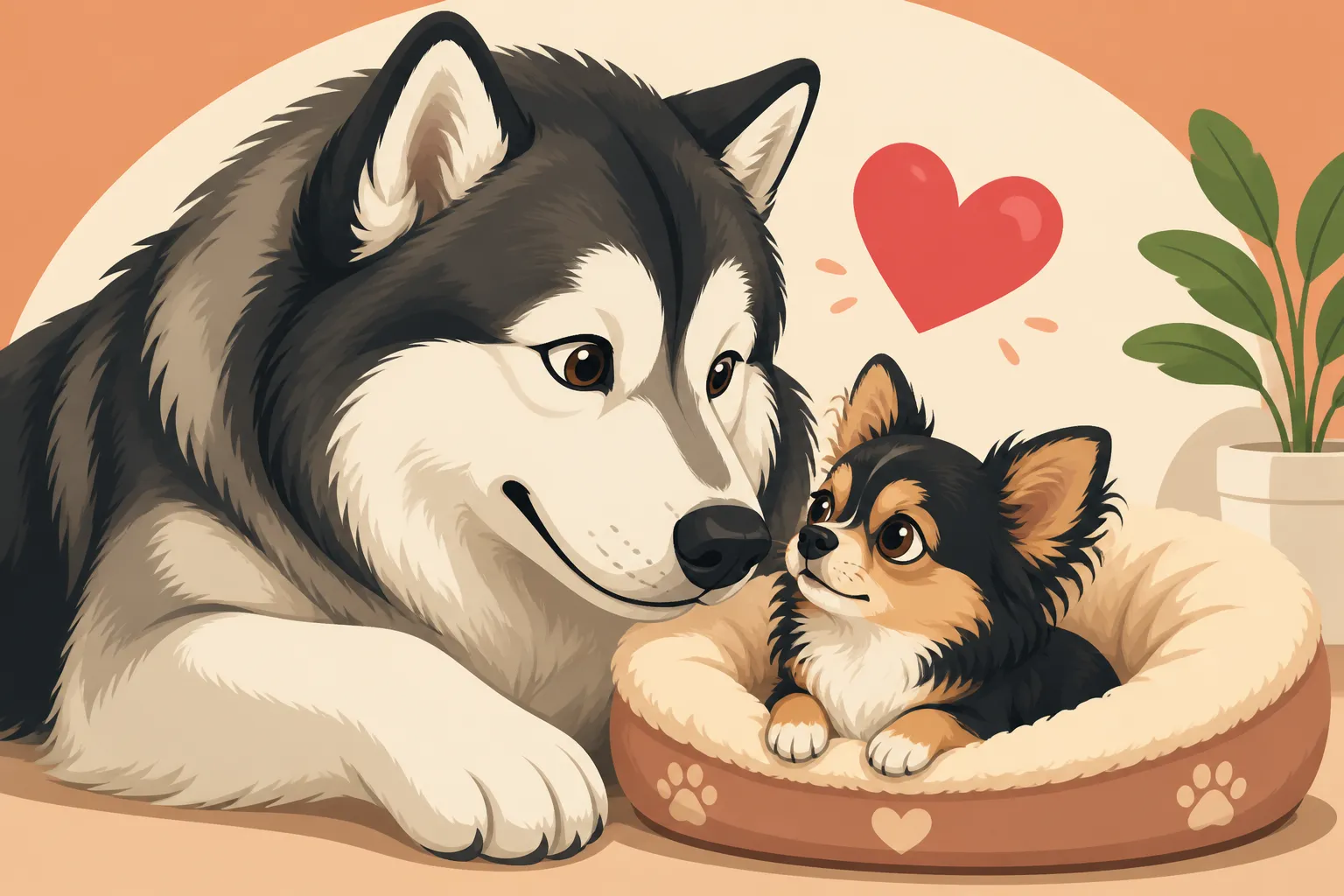
It's a beautiful vision to have multiple dogs of different sizes living harmoniously, and for some fortunate households, it can work. However, with an Alaskan Malamute and a small breed dog, this success is almost entirely due to rigorous, intelligent, and unending management by the human guardians. It's not about them "getting along" in the carefree way two similarly sized, less prey-driven dogs might. It’s about careful structuring of their lives to prevent instincts from turning tragic.
The Malamute's past dictates its present behavior to a significant degree. They were not bred to be gentle nannies to smaller creatures. Their purpose was demanding, requiring immense strength, endurance, and an independent mind. While they are loyal and affectionate companions to their human families, expecting them to override millennia of genetic programming with a tiny, vulnerable housemate is both unfair to the Malamute and incredibly dangerous for the small dog. Always err on the side of caution. Your primary responsibility is the safety and well-being of all your animals.
Disclaimer
This article is for general informational purposes only and does not constitute professional advice. Laws, prices and regulations vary by location and change over time. Consult a qualified professional for guidance on your specific situation.