Whether a Malamute Raids the Trash
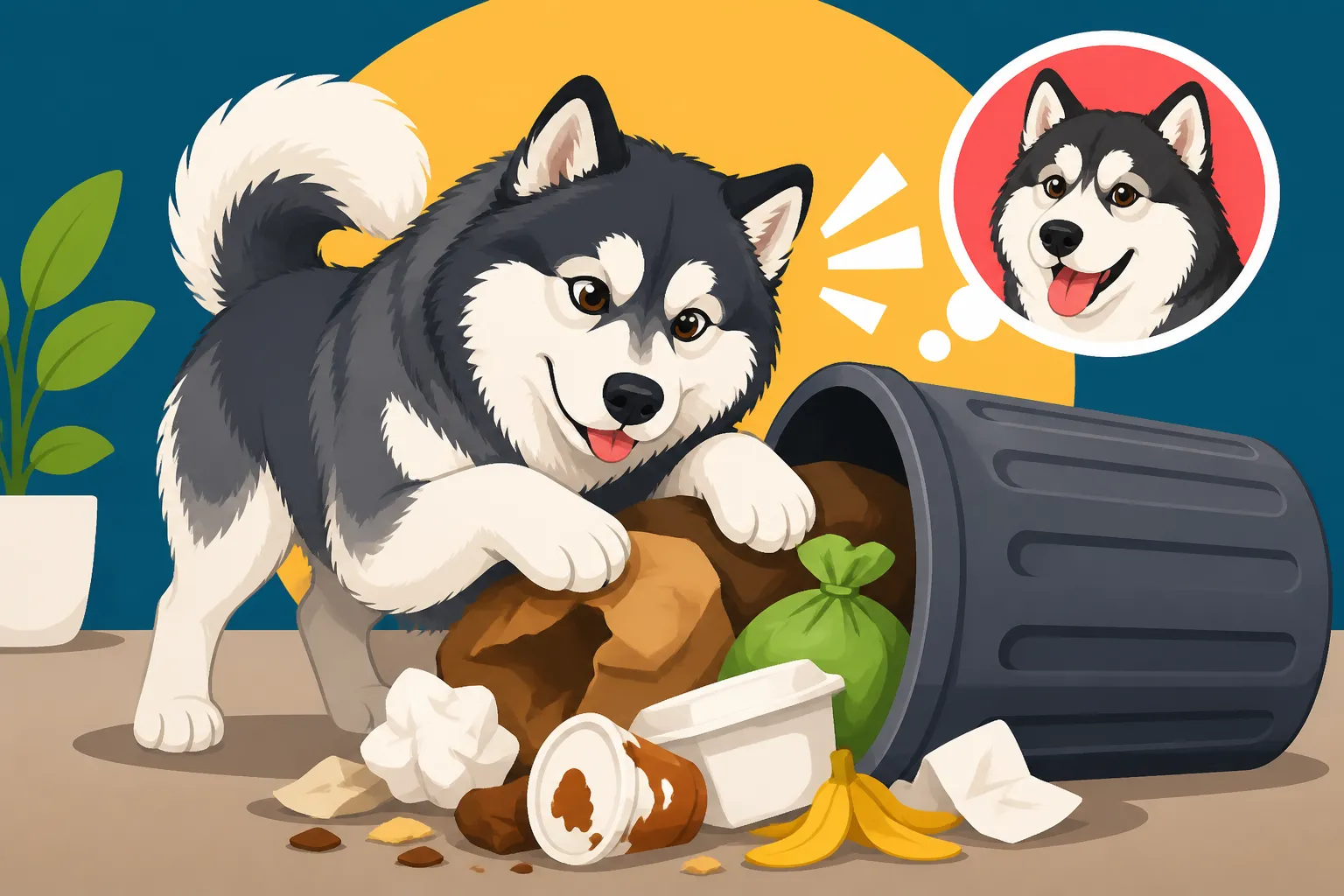
It's incredibly frustrating, isn't it? You spend time and effort cleaning your home, securing your kitchen, only to come back to a scene of utter chaos – trash strewn across the floor, half-eaten leftovers, and that unmistakable guilty-but-not-really look on your Alaskan Malamute's face. This guide is here to help you understand why your Malamute seems to have a personal vendetta against your trash can and, more importantly, what practical steps you can take to put an end to this messy, and sometimes dangerous, habit.
Why Your Malamute Sees the Trash Can as a Treasure Chest
Let's be honest, to us, a trash can is a receptacle for waste. To an Alaskan Malamute, it's a giant, exciting puzzle box filled with potential treats, intriguing smells, and endless entertainment. It's not personal, it's purely instinctual.
The Alluring Scents of a Midnight Snack
Imagine having a nose thousands of times more powerful than your own. That's your Malamute. Even the faintest whiff of last night's dinner scraps, that half-eaten apple core, or the wrapper from a forgotten sandwich is an irresistible siren call. These dogs were bred for survival in harsh conditions, which meant utilizing every available calorie source. To them, those "leftovers" aren't trash; they're perfectly good, discarded food waiting to be claimed. Their incredible sense of smell allows them to pinpoint exactly where those delectable odors are coming from, and their determination drives them to get to it. It's not about being naughty; it's about being a Malamute, hardwired to seek sustenance. This strong drive often surprises new owners, as The Efficient Metabolism That Surprises Every New Malamute Owner explains, these dogs are remarkably efficient eaters, making any found food a bonus.
Boredom and the Hunt for Engagement
Alaskan Malamutes are highly intelligent, problem-solving dogs. They were bred to work, to pull sleds, to hunt alongside their human companions, and to make complex decisions. When they're left alone with insufficient mental and physical stimulation, they get bored. And a bored Malamute is a destructive Malamute. A trash can, with its varying textures, noises when knocked over, and the eventual reward of interesting (to them) items, provides a fantastic outlet for their mental energy. It's a game, a puzzle, and a treasure hunt all rolled into one. They aren't trying to be mischievous; they're simply trying to entertain themselves in the most engaging way they know how, especially if their daily routine lacks the robust activity they instinctively crave.
"Free Food!" – The Malamute Logic
From a Malamute's perspective, if it's accessible and it smells like food, it is food. There's no concept of "belonging" to the bin or "being thrown away." Our human rules about waste simply don't compute. They operate on a primal level: find food, eat food. Every successful raid on the trash reinforces this behavior. They learn quickly that if they manage to tip the bin, open the lid, or pull things out, there's a good chance of a delicious reward. This makes it a self-reinforcing cycle. You might get frustrated, but your Malamute is just celebrating a successful hunt. This inherent drive for calories is why you might notice Why an Alaskan Malamute Eats Less Than Expected in their bowl yet they're constantly on the lookout for other opportunities.
The Escalating Problem: When Trash Raiding Becomes a Habit
What might start as an occasional foray into the bin can quickly become a deeply ingrained habit, bringing with it a host of frustrations and, more importantly, serious risks to your Malamute's health.
Reinforcement and the "Jackpot" Effect
Every single time your Malamute gets into the trash and finds something even remotely interesting – be it a chicken bone, a coffee filter, or just an exciting new smell – that behavior is powerfully reinforced. It's like hitting the jackpot. They learn that perseverance pays off. Even if they only get a tiny morsel, that positive "win" makes them more likely to try again. The more often they succeed, the stronger the habit becomes, making it incredibly difficult to break. They don't associate the subsequent scolding or cleanup with the act of raiding; they only remember the thrill of the hunt and the reward found. This creates a cycle where your frustration grows, but your Malamute sees no reason to stop its "successful" behavior.
The Health Risks of a Dumpster Dive
Beyond the mess, trash raiding poses significant dangers to your Malamute's well-being. Cooked bones, especially chicken or turkey bones, can splinter and cause internal perforations or blockages that require emergency surgery. Foods like grapes, raisins, chocolate, avocado, and onions are highly toxic and can lead to severe illness or even death. Even seemingly innocuous items like corn cobs can cause intestinal obstructions. Furthermore, plastic bags, aluminum foil, and sharp objects like can lids can cause choking, internal cuts, or blockages. The potential vet bills for treating these issues can be staggering, and the worry and stress for you, the owner, are immense. Understanding Foods That Are Dangerous to an Alaskan Malamute is paramount for any Malamute owner.
The Financial Impact on Your Home
It's not just the potential vet bills that can hit your wallet hard. Think about the constant cleanup – specialized enzymatic cleaners for odors, replacement of damaged floor coverings, or even the cost of new trash cans that can withstand a determined Malamute. Imagine coming home to find your beautiful kitchen rug ruined by spilled coffee grounds or grease, or your hardwood floors stained by a rogue tea bag. If the bin is plastic, your Malamute might chew through it, adding another expense to your list. Over time, these small costs add up, making trash raiding not just a nuisance, but a significant financial drain. And let's not even get started on What a Malamute Chews Through in a Year beyond the trash bin!
Malamute-Proofing Your Home: Practical Strategies
Since we know Malamutes are driven by instinct and cleverness, our best approach is to manage their environment and provide appropriate outlets for their energy, rather than relying solely on punishment.
The Unassailable Trash Can
The most immediate and effective solution is to invest in a trash can that your Malamute simply cannot get into. Forget the flimsy pedal bins or open containers. You need something robust, heavy, and with a secure locking mechanism. Think industrial-strength. Many brands, including those found on Amazon, offer pet-proof designs. Look for:
- Locking Lids: These are essential. Some use latches, others a simple push-button lock. Ensure it's something your Malamute's clever paws can't manipulate.
- Heavy Base: A heavy, weighted base prevents the bin from being easily tipped over. Even the strongest Malamute will struggle to upend a can that weighs as much as they do, especially when full.
- Durable Material: Metal bins are often preferred over plastic, as plastic can be chewed through by a determined Malamute.
- Built-in Design: If possible, place your bin inside a pantry with a closed door, under the sink with childproof latches, or in a utility room that your Malamute cannot access when unsupervised.
Here's a quick comparison of common trash can types and their effectiveness against a determined Malamute:
| Trash Can Type | Pros | Cons | Malamute-Proof Rating (1-5, 5 being best) |
|---|---|---|---|
| Open Bin | Easy access for humans | Zero Malamute resistance | 1 |
| Pedal Bin | Hands-free operation | Lid easily opened by paw/nose, often lightweight | 1 |
| Swing Top Bin | Semi-enclosed | Lid can be pushed open, lightweight | 2 |
| Latching Lid Bin | Provides a barrier | Some latches are easy for clever paws, can still tip | 3 |
| Sensor Bin | Hygienic, hands-free | Lid opens for any motion, often lightweight | 2 |
| Heavy-Duty Locking Bin | Secure lid, robust construction | Can be bulky, pricier | 5 |
| Cabinet Enclosed Bin | Hidden, protected | Requires a secure cabinet/pantry door | 4-5 (depending on cabinet security) |
Environmental Enrichment Beyond the Bin
Since boredom is a major driver, providing ample, appropriate outlets for your Malamute's intelligence and energy is crucial. This means more than just a quick walk around the block.
- Puzzle Toys and Food Dispensers: Instead of just a bowl, make mealtime a game. Toys like Kongs stuffed with kibble and peanut butter (or plain yogurt), snuffle mats, or slow-feeder bowls can keep them engaged for significant periods. These satisfy their instinct to "work" for their food.
- Regular, Engaging Exercise: Malamutes need serious exercise. Not just physical, but mental. Long walks, hikes, runs, or structured playtime can help burn off excess energy. Consider activities like The Alaskan Malamute in Skijoring or Whether an Alaskan Malamute Suits Bikejoring if you're adventurous! A tired Malamute is a good Malamute, and one less likely to create its own "fun" by emptying the trash. Refer to How Much Exercise an Alaskan Malamute Needs for more insights.
- Chew Toys: Provide a variety of durable chew toys. Make sure they are appropriate for their size and chewing strength. Rotate them to keep things interesting.
Training and Consistency
While environmental management is key, training plays a vital role in teaching your Malamute what is acceptable.
- "Leave It" Command: This command is invaluable. Teach it consistently, starting with low-value items and gradually increasing the difficulty. This teaches impulse control, which can be generalized to the trash can.
- Designated "Safe" Spaces: When you can't supervise your Malamute, use a secure crate or a Malamute-proofed room. This prevents them from practicing undesirable behaviors. Many owners find a comfortable crate, possibly with some calming supplements, to be indispensable during unsupervised hours.
- Positive Reinforcement: Focus on rewarding good behavior. When your Malamute ignores the trash or engages with an appropriate toy, praise them enthusiastically and offer a high-value treat. Avoid punishment after the fact; they won't connect it to the trash raid. Instead, interrupt the behavior as it happens and redirect them. BAXTER & Bella offers excellent online training resources that focus on positive reinforcement techniques, which are particularly effective for intelligent, independent breeds like Malamutes.
Beyond the Bin: A Holistic Approach to Malamute Management
Stopping the trash raids is often a symptom of a larger need for comprehensive Malamute care and understanding. It's about meeting their breed-specific requirements.
Addressing Underlying Boredom and Lack of Stimulation
Recognize that your Malamute's behavior, including trash raiding, is often a cry for more engagement. These dogs were bred for endurance and purpose. Simply being a family pet is not enough for many Malamutes; they thrive on having a "job." If your Malamute isn't getting enough mental and physical stimulation, they will create their own, often destructive, entertainment. This could include digging up your yard, chewing furniture, or, yes, getting into the trash. Reflect on Whether a Bored Malamute Destroys the House and ensure your daily routine provides sufficient outlets. A daily commitment to exercise and mental challenges is key. What an Alaskan Malamute Needs Every Day delves deeper into these requirements.
The Importance of a Strong "Leave It" Command
Teaching a solid "leave it" or "drop it" command is not just about avoiding the trash; it's a foundational safety skill. It can prevent your Malamute from eating something dangerous on a walk, picking up harmful items in the yard, or even snatching food off the counter. Start by teaching it with items your Malamute isn't highly interested in. Hold a treat in your hand, say "leave it," and cover your hand. When they stop trying to get the treat and look at you, reward them with a different, higher-value treat from your other hand. Gradually increase the difficulty, placing the item on the floor, then further away, always rewarding them for disengaging and looking at you. Consistency is crucial, as Malamutes are smart and will test boundaries.
Professional Help for Persistent Issues
If you've implemented all these strategies and your Malamute is still persistently raiding the trash, it might be time to seek professional help. A certified professional dog trainer or a veterinary behaviorist can assess the situation, identify any underlying issues, and develop a tailored behavior modification plan. They can offer insights into Malamute-specific behaviors and guide you through advanced training techniques. Remember, your Malamute isn't being stubborn or spiteful; they're likely responding to unmet needs or ingrained instincts. A professional can help bridge that communication gap and ensure you're using methods that are effective for your breed. Always remember that Why Force Fails on an Alaskan Malamute is a crucial aspect of their training – positive methods yield the best results. Don't hesitate to consider Whether a Malamute Needs a Professional Trainer if you're feeling overwhelmed or stuck.
Disclaimer
This article is for general informational purposes only and does not constitute professional advice. Laws, prices and regulations vary by location and change over time. Consult a qualified professional for guidance on your specific situation.