Whether a Malamute Owner Needs a Professional Trainer
Let's be real, owning an Alaskan Malamute is a journey filled with incredible joy, but also some very specific, often frustrating, challenges that can leave even the most dedicated owner feeling a bit overwhelmed. Many new Malamute parents wonder if they absolutely need to bring in a professional trainer, especially when their otherwise sweet fluffball seems to have a mind of its own when it comes to basic manners or encounters with other dogs. This guide will help you understand when a professional trainer isn't just a luxury, but a truly indispensable resource for navigating the unique world of Malamute behavior.
The Unique Challenges of Alaskan Malamute Training
Before we even talk about trainers, it's crucial to understand why Malamutes present different hurdles than, say, a Golden Retriever or a Poodle. These aren't your average, eager-to-please companion dogs. They are ancient, primitive breeds with a long history of independent work, and that heritage is deeply ingrained in every aspect of their being. Trying to train a Malamute like you would another breed often leads to frustration for both dog and owner.
Independent Spirit vs. Obedience Expectations
Your Malamute wasn't bred to fetch your slippers or win obedience trials in a crowded ring. They were bred to pull heavy sleds for miles across vast, desolate landscapes, often making decisions independently in harsh conditions. This means they possess a strong will and a highly intelligent, but equally stubborn, mind. When you ask your Malamute to "sit" for the tenth time, they're not being disobedient out of malice; they're weighing the request against their own perceived value of performing the action at that exact moment. It's less "I don't understand" and more "What's in it for me?" or "I have other, more interesting things to do." This independent spirit can make traditional obedience methods feel like hitting a brick wall. They learn quickly, yes, but they also learn quickly how to ignore you if they don't see the point. This isn't a flaw; it's a feature of the breed, but one that absolutely requires a different training approach.
Prey Drive and Recall Woes
One of the most profound challenges for any Malamute owner is their incredibly strong prey drive. These dogs were historically hunters, capable of tracking and bringing down large game, or at the very least, scaring it off. That instinct doesn't just disappear because they're now living in your suburban home. It’s an inherent part of them, and it means that anything small, furry, or fast-moving can trigger that deep-seated drive. Squirrels, rabbits, cats, even small dogs in the distance—all can become irresistible targets. This is why Why an Alaskan Malamute Will Never Have a Reliable Recall is a critical piece of information for all Malamute owners. You might spend months, even years, perfecting a recall in your backyard, only for it to completely fall apart the moment a rabbit darts across the park. A professional trainer understands this deeply ingrained instinct and can offer realistic strategies for management, safety, and alternative outlets, rather than promising a "perfect" recall that, frankly, is often unattainable for these breeds in high-distraction environments.
Destructive Tendencies and Boredom
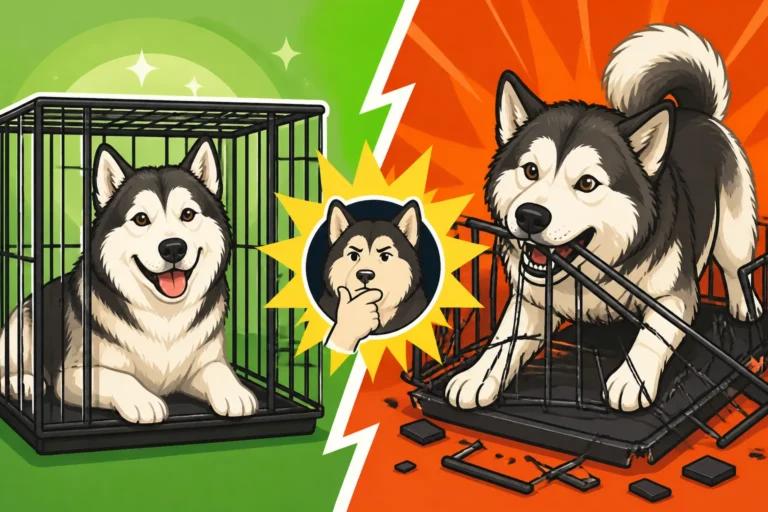
A bored Malamute is a destructive Malamute, full stop. Their intelligence, combined with their incredible strength and endurance, means they need significant mental and physical stimulation. If they don't get it, they will find their own entertainment, and trust me, you won't like it. This can manifest as digging up your yard – A Malamute's Digging Is Not a Problem, It Is the Breed – or chewing through furniture, doorframes, and anything else they can get their powerful jaws on. They need a "job" to do, even if it's not pulling a sled. Without proper exercise and enrichment, which often goes beyond a simple walk around the block, their pent-up energy and clever minds will lead to chaos. A professional trainer can help you identify the root cause of destructive behaviors and implement a consistent routine and enrichment plan that actually works for a Malamute's unique needs, rather than just telling you to buy more chew toys. You might even find that specific durable toys from places like Chewy can help, but they're just one piece of the puzzle.
Same-Sex Aggression and Pack Dynamics
Another often-misunderstood aspect of Malamute behavior is their tendency towards same-sex aggression. These are pack animals, and within a pack, there's a delicate balance of hierarchy. While many Malamutes can live harmoniously with other dogs, particularly if they're spayed/neutered and of opposite sexes, two intact males or two females, especially when maturing, can often lead to serious conflicts. Same Sex Aggression in a Pack Bred Alaskan Malamute is a reality that many owners aren't prepared for. This isn't about dominance in the old "alpha roll" sense, which has been thoroughly debunked by modern animal behavior science. It's about how these dogs naturally navigate their social world. A professional trainer, especially one experienced with primitive breeds, can help you understand subtle canine body language, manage introductions, and implement "crate and rotate" strategies or other methods to maintain peace in a multi-dog household, preventing potentially dangerous situations.
When a Professional Trainer Becomes Indispensable
While a well-socialized Malamute puppy can benefit immensely from early positive reinforcement and group classes, there are definite points in an Alaskan Malamute's life, or specific behavioral issues, where bringing in a professional isn't just helpful, it's absolutely crucial. You shouldn't feel ashamed to seek help; it's a sign of a responsible owner who wants the best for their dog.
Severe Behavioral Issues
If your Malamute is displaying serious behavioral problems, such as aggression towards people or other dogs, severe resource guarding, constant escaping, or destructive behaviors that are literally tearing your house apart, a professional trainer or certified veterinary behaviorist is a non-negotiable step. These aren't issues you can simply "train out" with a few YouTube videos. Aggression, for instance, requires careful assessment to determine its underlying cause (fear, territoriality, pain, etc.) and a tailored modification plan that often involves management, desensitization, and counter-conditioning. Attempting to manage severe issues on your own can often make them worse or put yourself and others at risk. A professional provides an objective perspective and the expertise to safely and effectively address these complex behaviors.
Safety Concerns for Dog and Community
A Malamute that consistently escapes your yard, chases livestock, or poses a threat to small pets or even children in the neighborhood is a huge liability and a genuine safety concern. Their size, strength, and strong prey drive mean that a "mishap" can have severe consequences. If you're constantly worried about your Malamute bolting through an open door, jumping the fence, or acting inappropriately around strangers, then professional intervention is paramount. They can teach you strategies like Teaching an Alaskan Malamute to Wait at a Threshold and help reinforce containment measures. Ignoring these issues isn't an option; it's your responsibility to ensure your dog is safe and doesn't become a danger to others or himself.
First-Time Malamute Owners
Let's face it: owning an Alaskan Malamute is not for the faint of heart, especially if it's your first time with a large, independent, primitive breed. Many people are drawn to their wolf-like beauty but underestimate the immense commitment and specific knowledge required. If you're a first-time Malamute owner, or even a seasoned dog owner new to this type of breed, a professional trainer can be a lifeline. They can help you navigate the unique challenges from puppyhood through adolescence, which is often when The Adolescent Malamute That Rewrites the Rules at Fourteen Months hits hard. They'll teach you effective communication, help you set appropriate boundaries, and guide you in providing the necessary mental and physical outlets to ensure your Malamute thrives, rather than just survives.
Lack of Progress with DIY Methods
You've read all the books, watched countless videos, tried every trick in the book, and your Malamute is still pulling like a freight train, digging craters in your yard, or ignoring you completely. This is a common and incredibly frustrating scenario. Sometimes, what feels like stubbornness is actually a communication breakdown or an owner unknowingly reinforcing the wrong behaviors. A professional trainer can observe your interactions, identify subtle cues you might be missing, and offer tailored solutions that are often breed-specific. They bring a fresh pair of eyes and a wealth of experience, helping you break through plateaus and find methods that truly resonate with your Malamute's intelligent but independent nature. You might be using techniques that work beautifully for other breeds, but Why Force Fails on an Alaskan Malamute is a lesson learned by many.
What a Professional Trainer Can Offer (and What They Can't)
Understanding what a professional trainer can bring to the table – and what their limitations are – is key to setting realistic expectations and maximizing the benefits of their expertise.
Specialized Knowledge of Primitive Breeds
This is perhaps the biggest advantage a good professional trainer offers for a Malamute owner. Many general dog trainers are fantastic with more biddable breeds, but a Malamute requires a trainer who truly gets their unique psychology. They understand that a Malamute isn't trying to be "dominant" in the traditional sense, but is often making intelligent, independent decisions based on their instincts and environment. A trainer experienced with primitive breeds like Malamutes, Huskies, or Akitas will know how to harness their drive, motivate them appropriately, and structure training in a way that appeals to their intelligence without attempting to break their spirit. They'll emphasize realistic goals and management strategies over attempts to completely eradicate deeply ingrained breed traits like prey drive.
Effective, Force-Free Training Techniques
Modern, ethical professional trainers utilize force-free, positive reinforcement methods. This is absolutely critical for an Alaskan Malamute. These dogs are incredibly sensitive to harsh corrections and will often shut down, become resistant, or even aggressive if forced. Positive reinforcement, using high-value rewards (like delicious treats, favorite toys, or engaging play), builds trust and makes training a fun, cooperative experience. A good trainer will help you find what truly motivates your Malamute, which for many is food – especially high-quality options like those offered by Ollie or various treats from Chewy. They'll teach you how to use timing and consistency to shape desired behaviors, making your Malamute want to work with you, rather than feeling compelled to. This approach fosters a stronger bond and more reliable behaviors in the long run.
Structured Programs and Consistency
One of the hardest parts of dog training is maintaining consistency, especially when life gets busy. A professional trainer provides a structured program, breaking down complex behaviors into manageable steps. They'll set clear goals, provide homework, and hold you accountable. This external framework can be incredibly helpful for owners who struggle with follow-through or feel overwhelmed by the process. Regular sessions, whether private or group, create a routine that benefits both you and your Malamute. They can help you implement strategies for things like How Much Exercise an Alaskan Malamute Needs or ensuring your Malamute gets enough mental stimulation, translating into better behavior at home.
Realistic Expectations and Management Strategies
A good trainer won't promise to turn your Malamute into a robot. Instead, they will help you develop realistic expectations for your dog's capabilities and temperament. They'll emphasize that while training is important, effective management is often the cornerstone of living successfully with a Malamute. This means accepting that your Malamute might never have a perfect off-leash recall in an open field, and therefore, using a long line or keeping them securely fenced is the responsible choice. They'll help you implement practical management strategies for common Malamute behaviors, such as providing a designated digging pit or managing multi-dog households. They also educate you on potential health issues that can impact behavior, like thyroid problems or joint pain, making it clear when a vet visit is needed before training can progress.
Choosing the Right Professional Trainer
Okay, so you've decided a trainer is the way to go. Fantastic! But how do you pick the right one? It's not as simple as searching "dog trainer near me." You need a specialist, not a generalist, for a Malamute.
Finding a Malamute-Experienced Professional
This is your absolute top priority. Look for trainers who specifically list experience with "primitive breeds," "northern breeds," "sled dogs," or "independent working breeds." Ask pointed questions about their experience with Alaskan Malamutes or Siberian Huskies. A trainer who understands the unique drive, independence, and sometimes intense prey drive of these dogs will be infinitely more effective than one who treats every dog the same. They should be able to discuss topics like Whether a Malamute Needs a Job Every Day or What an Alaskan Malamute Was Bred to Hunt with understanding and offer breed-appropriate solutions, not just generic obedience commands.
Credentials and Training Philosophies
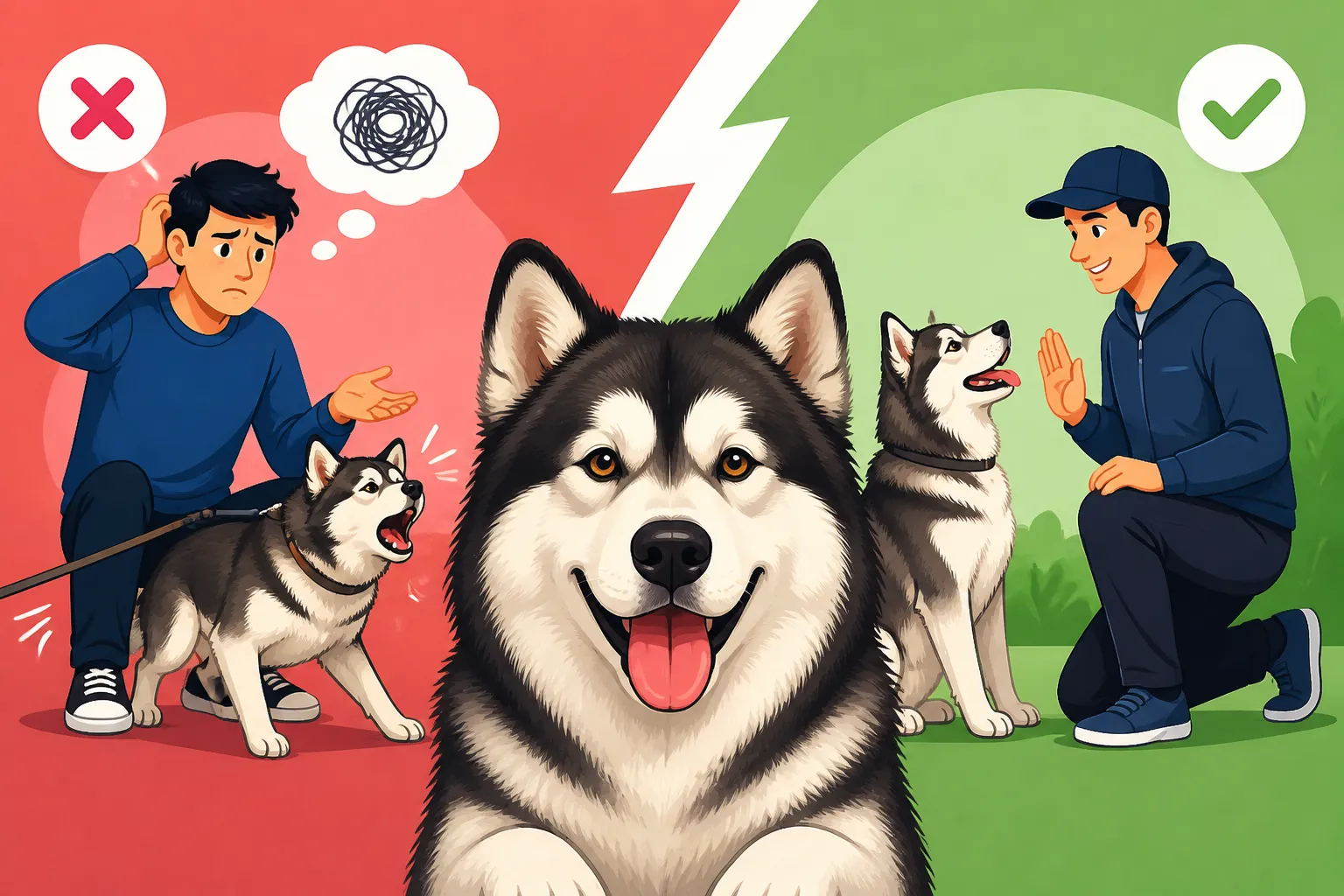
Always look for certified professional dog trainers (CPDT-KA, KPA-CTP, or similar designations). These certifications indicate that the trainer has met specific educational and experience requirements and adheres to ethical, force-free training standards. Avoid any trainer who advocates for outdated, dominance-based methods (like "alpha rolling" or harsh corrections), as these can be detrimental and dangerous for a Malamute. Ask about their training philosophy upfront. They should focus on positive reinforcement, reward-based methods, and building a cooperative relationship with your dog. Be wary of anyone promising instant fixes or guaranteed results, as behavior modification is a process that requires commitment from the owner.
Interviewing and Observing Potential Trainers
Don't just hire the first person you call. Treat it like an interview. Ask about their approach to specific Malamute challenges you're facing. For example, how would they address severe leash pulling or digging? A good trainer will be happy to answer your questions thoroughly and transparently. If possible, ask to observe a session they're conducting with another dog, or inquire about client testimonials specifically from Malamute owners. Pay attention to how they interact with the dog – are they patient, calm, and positive? Do they explain things clearly to the owner? The trainer needs to be able to teach you as much as they teach your dog.
Here's a quick comparison table to help you evaluate potential trainers:
| Feature | Ideal for Alaskan Malamutes | Avoid if… |
|---|---|---|
| Breed Experience | Specializes in Northern breeds, primitive dogs, working lines | Primarily works with biddable companion breeds (e.g., Labs, Goldens) |
| Training Philosophy | Force-free, positive reinforcement, reward-based | Uses dominance theory, physical corrections, "alpha" techniques |
| Credentials | Certified (CPDT-KA, KPA-CTP, IAABC, etc.) | No formal certifications, vague experience claims |
| Focus | Relationship building, management strategies, motivation | Purely obedience commands, "breaking" the dog's will |
| Transparency | Openly answers questions, allows observation, provides references | Evasive, secretive about methods, pressures you to sign up |
| Realistic Expectations | Sets achievable goals, emphasizes ongoing commitment | Promises quick fixes, guarantees "perfect" behavior |
| Problem Solving Approach | Addresses root cause, provides tailored solutions for instincts | Generic solutions, treats symptoms not underlying issues |
Understanding Different Training Formats
Professional training comes in several formats, and the best choice depends on your specific needs, budget, and time commitment.
- Private In-Home Lessons: These are often ideal for Malamutes, especially for addressing specific behavioral issues or for first-time owners. The trainer comes to your home, where most problems occur, and can tailor the training specifically to your dog and family dynamic. It allows for personalized attention and real-world application. For complex issues, like aggression or severe anxiety, this is usually the most effective route.
- Group Classes: Puppy socialization classes or basic obedience courses can be beneficial, particularly for building focus around distractions and working on manners in a controlled environment. However, ensure the class size is small, the trainer understands large, independent breeds, and the environment is safe for your Malamute, especially if they have How Common Dog Aggression Is in Alaskan Malamutes. These are great for foundational skills, but might not be enough for deeply ingrained behavioral issues.
- Board-and-Train Programs: While convenient, these should be approached with extreme caution, especially for Malamutes. While your dog might return with improved behaviors, if you haven't been part of the training process, those behaviors often don't generalize to your home environment, and you haven't learned how to maintain them. Moreover, some board-and-train facilities use outdated or harsh methods that can be very damaging to a Malamute's temperament and trust. If you consider this option, thoroughly vet the facility, ensure they are force-free, and insist on frequent updates and clear plans for owner transfer sessions.
- Online Coaching/Virtual Sessions: For some issues, particularly those related to owner education or foundational skills, virtual coaching can be a cost-effective option, particularly if you live in an area with limited local resources. However, it's not suitable for hands-on work or severe behavioral problems.
Ultimately, deciding whether a Malamute owner needs a professional trainer boils down to the individual dog, the owner's experience level, and the specific challenges they face. For many, especially those new to the breed or struggling with significant behavioral hurdles, a qualified, force-free trainer experienced with primitive breeds is not just a help, but a necessity for building a happy, harmonious life with their magnificent Alaskan Malamute. Don't hesitate to seek that expertise – your Malamute will thank you for it.
Disclaimer
This article is for general informational purposes only and does not constitute professional advice. Laws, prices and regulations vary by location and change over time. Consult a qualified professional for guidance on your specific situation.