What a Freight Rig for a Malamute Costs
So, you're dreaming of hitching your magnificent Alaskan Malamute to a freight rig, picturing them powerfully pulling a sled or cart, just as their ancestors did. It's a truly inspiring vision, deeply rooted in their heritage, but the reality is that outfitting your Malamute for serious freight work involves more than just a sturdy leash. Many new owners are surprised by the specialized equipment needed, and the investment required can feel overwhelming, especially when you're just starting out. This guide will meticulously break down the various components of a freight rig, explore the typical costs involved, and discuss how to approach this rewarding but financially significant endeavor.
Understanding the Essential Components of a Freight Rig
When we talk about a "freight rig" for an Alaskan Malamute, we're not just discussing a simple harness and leash for walks. We're talking about a system of specialized equipment designed to safely and efficiently allow your Malamute to pull significant weight, whether that's a sled over snow, a cart on dry land, or even a pulk for backpacking. Each component plays a crucial role, and understanding their function is the first step toward building an effective and safe setup for your working dog. It’s an investment in your Malamute's well-being and performance, much like an athlete investing in their gear.
The Foundation: A Properly Fitted Freight Harness
This is arguably the most critical piece of equipment you'll purchase. A freight or pulling harness is fundamentally different from a walking harness. It's designed to distribute the pulling load evenly across the dog's chest and shoulders, rather than putting pressure on the throat or back. An ill-fitting harness can cause chafing, restrict movement, or even lead to serious injury over time, especially when your Malamute is truly putting their weight into the pull. Think of it like a poorly designed backpack for a human – it might work for light loads, but for heavy lifting, it becomes a nightmare.
There are different styles of pulling harnesses, but the most common for freighting is the X-back harness, which spreads the load from the shoulders, along the sides, and down to the base of the tail, where the tug line attaches. Other styles, like H-back or even some specialized urban mushing harnesses, might also be suitable depending on the specific activity and your dog's build. The key, regardless of style, is a precise fit. You need enough room around the neck and shoulders for full range of motion, but not so much that it slips or shifts under strain. The body section should sit snugly but not tightly, and the point where the tug line attaches should align with the strongest part of your Malamute's rear end, allowing them to lean into the pull naturally. It's not uncommon for owners to go through a couple of harnesses before finding the perfect fit, especially with a growing youngster.
Connecting the Power: Tug Lines and Ganglines
Once your Malamute is in their pulling harness, they need to be connected to whatever they're pulling. This is where tug lines and, for teams, ganglines come in. A tug line is the single line that extends from the back of the harness to the sled, cart, or pulk. It needs to be strong, durable, and the appropriate length to allow your Malamute to pull comfortably without being too close to the rig or too far away. The material typically consists of braided polyethylene or similar strong, weather-resistant ropes, often with sturdy bronze or brass snaps that can withstand extreme cold without freezing shut.
For those considering a team, ganglines are the system of lines that connect multiple dogs together and then to the rig. A gangline typically consists of a main line (the "backbone"), with individual necklines and tug lines branching off for each dog. These systems are significantly more complex and, consequently, more expensive. They must be constructed with safety quick-release mechanisms, particularly if you're working with multiple powerful animals. Understanding the physics of how dogs pull together, how forces are distributed, and how to prevent tangles and injuries is paramount. This isn't just about connecting dogs; it's about creating a harmonious, safe, and efficient pulling unit. Many experienced mushers will even make their own ganglines, customizing them to their team's specific needs, but for beginners, purchasing a pre-made, high-quality set is usually the safest bet.
Steering and Safety: Necklines and Collars
While the harness takes the brunt of the pulling force, collars and necklines still play a vital role, especially in a team setting. A standard flat-buckle collar, or a limited-slip martingale collar, is typically used. Choke chains or prong collars are absolutely unsuitable for pulling work, as they can cause severe injury when a dog is straining against a load. The collar's primary function during pulling is often to attach a neckline, which keeps dogs aligned in a team, preventing them from veering off course or getting tangled in each other's lines.
In a single-dog setup, the collar still holds the dog's ID tags and is essential for control when you're not actively pulling. During training, a collar can be used with a lead for initial guidance before the dog is fully committed to the harness. It's a tool for communication and safety, not for applying pressure during the pull itself. A well-chosen collar, even when secondary to the harness, should be comfortable, durable, and visible, especially if you're working in low light conditions. The materials for these, while less specialized than the harnesses and lines, should still be robust enough to withstand the elements and the rigors of an active Malamute's life.
Breaking Down the Cost: Harnesses, Lines, and Collars
Now, let's talk about the numbers. The cost of outfitting your Alaskan Malamute for freighting can vary significantly based on quality, brand, materials, and whether you're buying for a single dog or a team. This isn't just about getting the cheapest option; it's about investing in durable, safe equipment that will protect your Malamute and last through seasons of hard work. The initial outlay might seem substantial, but remember, this gear is designed for high performance and longevity.
Harness Types and Their Price Points
A good quality pulling harness for a single Alaskan Malamute can range from a modest amount to something much more substantial. Entry-level, basic X-back harnesses, often made from simple nylon webbing, might be on the lower end of the spectrum. These are great for getting started, especially if you're unsure if freighting is a long-term commitment for you and your dog. They offer functionality and a decent fit but may not have all the bells and whistles or the extreme durability of higher-end options.
Mid-range harnesses will typically feature more robust materials, perhaps padded sections for increased comfort, and more precise sizing options. They might come from specialized mushing gear suppliers who understand the unique needs of working dogs. On the higher end, you'll find custom-fit harnesses, often made with specialized, high-performance webbing, advanced padding, and reinforced stitching designed for competitive weight pull or extreme expedition use. These harnesses are built to withstand immense pressure and provide maximum comfort over long distances. Some brands, available through retailers like Chewy, offer a good balance of quality and accessibility, providing options that are a significant step up from basic walking harnesses but not yet in the realm of custom-made expedition gear. Remember, a cheap harness that causes injury or breaks quickly will end up costing you more in the long run, both in replacement costs and potential veterinary bills.
Gangline Configurations and Material Costs
For single-dog freighting, a tug line is relatively straightforward. These can be purchased individually and are usually quite affordable, often a small fraction of the harness cost. However, if you plan to work a team, even just two dogs, you're looking at a gangline system, which is a much more significant investment. The cost scales with the number of dogs you intend to run. A basic two-dog gangline will require a mainline, two tug lines, and two necklines, all designed to integrate seamlessly.
As you expand to three, four, or even more dogs, the complexity and material requirements grow exponentially. High-quality ganglines use heavy-duty, weather-resistant rope that won't absorb water and freeze in cold conditions, and stainless steel or bronze snaps that are secure but easy to operate, even with gloves on. These materials are chosen for their strength, durability, and performance in harsh environments. Expect the price of a complete gangline system to be in a different league than single tug lines, often starting in the mid-range and climbing significantly for professional-grade, multi-dog setups. If you're building a serious team, researching specialized suppliers for these items is crucial, as they understand the specific needs of working dogs like Alaskan Malamutes.
Specialty Collars and Attachments
Collars for freighting, as mentioned, are primarily for identification and attaching necklines in a team. Their cost is generally lower than harnesses or ganglines. A durable, weather-resistant nylon or biothane collar with a strong buckle is all that's typically required. Expect these to be on the more affordable end of dog accessories. However, there can be additional costs for reflective stripping, custom embroidery for identification, or specialized quick-release buckles for safety.
Some mushers also invest in tracking collars, particularly if their Malamutes are known for being escape artists or if they train in vast, open areas. While not directly part of the freighting pulling rig, they become an essential safety attachment. Why a GPS Collar Is Essential for a Malamute is a good read if you're concerned about a runaway. These GPS-enabled devices represent a separate, often substantial, investment, but the peace of mind they offer is invaluable, especially with a breed renowned for its wanderlust and unreliable recall. They attach to the dog's regular collar and can be a lifesaver in an unexpected situation.
The Sled or Cart: Your Malamute's Mobile Office
After you've got your Malamute harnessed and connected, you need something for them to pull! This is where the sled or cart comes in. This piece of equipment is often the single most expensive part of a freight rig, representing a significant investment for any serious owner. The choice between a sled and a cart depends entirely on your climate, the terrain, and the type of work you envision for your Malamute.
Entry-Level vs. Professional Sleds
If you live in a snowy region and dream of your Malamute hauling supplies or taking you on winter adventures, a sled is your obvious choice. Just like harnesses, sleds come in a wide range of types and price points. Entry-level sleds, often made of plastic or simpler wooden designs, are fantastic for recreational use or getting started with light freighting. They're more affordable and lighter, making them easier to handle for beginners. These might be perfectly adequate for a single Malamute pulling a small amount of gear or a child around a snowy park.
However, for serious freighting, competition, or multi-dog teams, you'll be looking at professional-grade sleds. These are typically handcrafted from select hardwoods like ash, designed for durability, flexibility, and repairability in harsh conditions. They feature strong, specialized runners, advanced braking systems, and a design optimized for stability and weight distribution. Some even come with built-in cargo bags or seats. These are truly an investment, often costing as much as a used ATV. The craftsmanship and materials involved reflect their ability to withstand heavy loads, rough terrain, and repeated stress, season after season. Remember, a freight sled for an Alaskan Malamute is built for heavy, steady work, which is different from a lightweight racing sled designed for speed. What a Freight Sled for a Malamute Costs delves into this in more detail.
Training Carts and Dryland Rigs
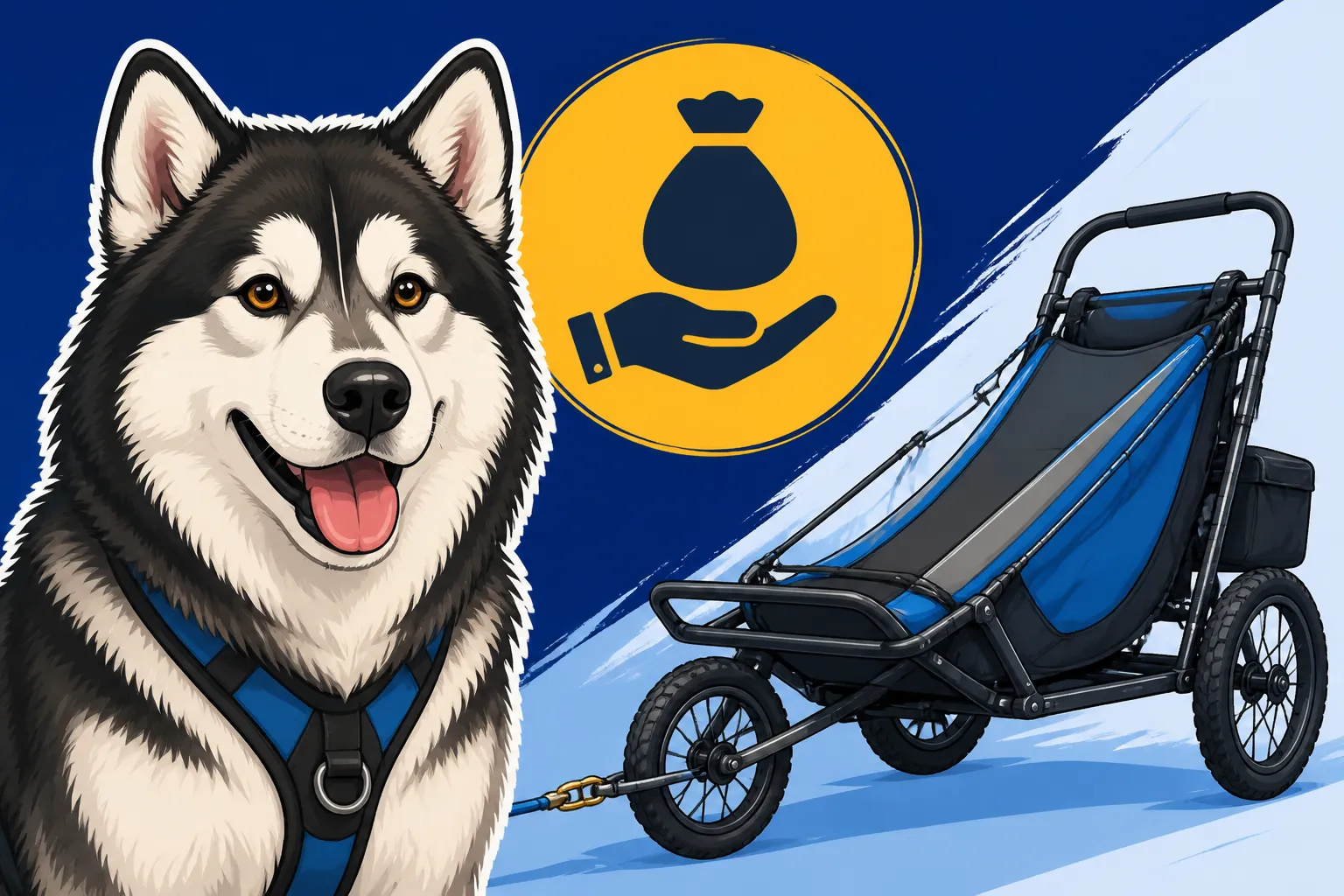
For those who don't have consistent snow, or for year-round training, dryland rigs or carts are indispensable. These wheeled vehicles allow your Malamute to practice pulling on dirt trails, pavement, or even grass. They range from simple, two-wheeled training carts for single dogs to more robust, three or four-wheeled rigs that can accommodate multiple dogs and a driver. The simplest carts are often lightweight metal frames with bicycle wheels, designed for exercise and teaching basic commands like "gee" (right) and "haw" (left).
More advanced dryland rigs resemble miniature ATVs or specialized wagons, often featuring disc brakes, suspension systems, and comfortable seating for the driver. These are crucial for building your Malamute's strength and endurance in warmer months or climates where snow is rare. The cost varies widely based on size, construction materials, and features. A basic training cart might be relatively affordable, but a multi-dog dryland rig with all the bells and whistles can rival the cost of a good quality sled. These rigs are essential for maintaining your Malamute's physical condition and mental engagement, as Pulling Is the Only Job an Alaskan Malamute Really Wants makes clear; they need that job.
Maintenance and Repair for Hauling Equipment
The initial purchase price of your sled or cart isn't the end of the financial commitment. Like any vehicle, these rigs require ongoing maintenance and occasional repairs. Sled runners wear down and need replacement or resurfacing. Brakes on dryland rigs need inspection and pad replacement. Wooden sleds may require periodic sealing or repair of broken spars. Wheels on carts can get flats or need bearings replaced.
The cost of maintenance is often overlooked by newcomers. You'll need to budget for replacement parts, tools, and potentially even professional repair services for complex issues. Learning basic repair skills can save money, but some tasks, like welding a broken cart frame, might require a specialist. Keeping your equipment in top condition isn't just about extending its lifespan; it's about ensuring the safety of your Malamute and anyone riding in or on the rig. Neglecting maintenance can lead to equipment failure, which can be dangerous in an uncontrolled pulling situation.
Accessories and Upgrades: Enhancing the Freighting Experience
Beyond the core components of harness, lines, and rig, there's a whole world of accessories and upgrades that can enhance your Malamute's comfort, performance, and safety during freighting activities. These items might seem secondary, but they often make a significant difference in the overall experience for both dog and owner.
Dog Booties and Paw Protection
One of the most essential accessories for any working dog, especially those pulling on varied terrain, is a good set of dog booties. Whether your Malamute is running on sharp ice, rough gravel, hot pavement, or abrasive snow, their paw pads are vulnerable. Booties protect against cuts, abrasions, frostbite, and excessive wear. They are not optional for serious pulling. Expect to go through booties, as they do wear out, especially in rough conditions. Whether a Malamute Needs Booties for Pulling is a great resource to understand their importance.
The cost of booties varies, but you'll need multiple sets, as they can get lost, tear, or simply get wet and need to be swapped out. Some owners buy them in bulk from places like Chewy or specialized mushing suppliers. You'll also want to invest in paw balm or wax to condition their pads when not wearing booties, helping to prevent cracking and dryness. This small investment in paw protection can prevent debilitating injuries that sideline your Malamute and lead to costly vet visits. Remember, healthy paws are critical for a dog that relies on them for its "job."
Safety Gear for You and Your Malamute
Safety should always be paramount when engaging in freighting activities. For you, this means appropriate clothing for the weather, sturdy footwear, and possibly a helmet if you're on a wheeled rig. For your Malamute, additional safety gear might include reflective vests or collars for visibility in low light, especially if you're training near roads or in areas with other users. A small first-aid kit, specifically designed for dogs, should always be part of your gear, containing items for minor cuts, pad injuries, or sprains.
Emergency blankets, extra water, and high-energy snacks for your dog (and yourself) are also wise additions, especially on longer excursions. A powerful headlamp or flashlight is indispensable if you find yourself out longer than expected. While these items might not be directly "rig" components, they are vital for safe operation. Don't skimp on safety; an unforeseen incident far from home can turn a fun outing into a dangerous ordeal.
Storage and Transportation Solutions
All this specialized equipment needs to be stored and transported. Sleds and dryland rigs can take up significant space in your garage or shed. You might need to invest in wall mounts, shelving units, or even a dedicated storage shed if you accumulate a lot of gear. For transporting your Malamute and their rig to trails or event locations, you'll need a vehicle capable of hauling everything.
Some owners purchase utility trailers for their sleds and carts, especially larger, heavier models. Others modify their pickup trucks or SUVs with special racks or cargo solutions. The cost of these transportation aids can range from simple tie-downs and cargo nets to a dedicated trailer, representing another layer of potential expense. It's often an overlooked logistical challenge until you're trying to cram a full-sized sled into a minivan! Proper storage also protects your investment from the elements, extending the lifespan of your expensive gear.
Long-Term Costs and Considerations for a Dedicated Freighting Malamute
The initial investment in a freight rig is just the beginning. Owning and working an Alaskan Malamute in this capacity also comes with ongoing, long-term costs and considerations that every prospective owner should be aware of. These go beyond just the gear and touch upon the dog's health, training, and participation in the working dog community.
Replacement Cycles for Gear
Unlike a leash that might last for years, working equipment has a lifespan, especially under the strenuous conditions of freighting. Harnesses can fray, lines can snap, booties wear out, and sled runners need replacing. You'll need to factor in a budget for replacing components regularly. A well-used harness might last a few seasons, but booties could need replacing every few months, depending on usage and terrain.
Being proactive about replacing worn gear is crucial for safety and performance. A snapped tug line during a heavy pull can be dangerous for both dog and driver. Keep an eye on the condition of all your equipment, and don't hesitate to replace items that show significant wear and tear. This is an ongoing operational cost, similar to fuel and tire replacement for a car, and it's essential to plan for it to avoid unexpected expenses or safety compromises.
Training and Event Fees
If you're serious about freighting, you'll likely want to engage in more structured training or participate in events. Joining a local mushing club or weight pull organization can provide invaluable mentorship and resources, but these often come with membership fees. Attending workshops or clinics led by experienced mushers will cost money but offer critical knowledge and skill development. What Weight Pull Entries Cost a Malamute Owner can give you an idea of event expenses.
If you progress to competitive weight pulling or other freighting competitions, you'll face entry fees, travel costs to events, and potentially lodging. These expenses can add up, especially if you're traveling significant distances. Even for recreational freighting, investing in professional training advice, perhaps from a specialized trainer, can make a huge difference in your Malamute's efficiency, enthusiasm, and safety. This type of training is highly specialized and often requires a professional familiar with the unique drives and characteristics of a working breed like the Malamute.
Health and Nutrition for a Working Dog
A Malamute engaged in regular, strenuous freighting needs peak physical condition, and that comes with specific dietary and veterinary requirements. Working dogs burn significantly more calories than a typical pet Malamute, especially in cold weather. You'll need to feed a high-quality, high-protein, and high-fat diet, possibly a performance formula, to meet their energy demands and support muscle recovery. Brands like Ollie, known for their fresh, human-grade ingredients, might appeal to owners looking for premium nutrition, though they represent a higher cost. Alternatively, high-quality performance kibble available at retailers like Chewy can also be an excellent option for fueling a working Malamute. Feeding a Working Malamute Against a Pet One offers more insights into these dietary needs.
Beyond diet, regular veterinary check-ups become even more crucial. A working Malamute is more susceptible to joint issues, muscle strains, or paw injuries. Regular screenings, like OFA certifications for hips and elbows (which typically begin around The Age a Malamute Is Certified by OFA), are vital to ensure your dog is structurally sound for the demands of freighting. You might also consider pet insurance from providers like Healthy Paws to help offset the costs of unexpected injuries or illnesses. While no insurance covers everything, having a safety net for a dog that works hard can provide immense peace of mind. Proactive veterinary care and premium nutrition are not "extra" costs for a freighting Malamute; they are essential investments in their long-term health and ability to do the work they love.
Comparative Overview of Freighting Equipment Costs
To help visualize the typical financial outlay for a Malamute freighting setup, here's a general overview. Keep in mind that these are approximate ranges and can vary wildly based on brand, materials, customization, and your specific needs (e.g., single dog vs. team, recreational vs. competitive).
| Equipment Type | Entry-Level (Single Dog) | Mid-Range (Single Dog) | High-End (Team/Pro) | Key Considerations |
|---|---|---|---|---|
| Pulling Harness | Low – Moderate | Moderate – Substantial | Substantial – Premium | Fit is paramount; materials and padding affect comfort and durability. |
| Tug/Ganglines | Low (single tug) | Moderate (2-dog gangline) | Substantial (multi-dog system) | Strength, weather resistance, and quick-release safety features are critical. |
| Sled/Cart | Moderate (basic training cart) | Substantial (recreational sled/rig) | Premium (pro sled/multi-dog rig) | Snow conditions dictate sled vs. cart; material, features, and durability drive cost. |
| Booties (per set) | Low | Moderate | Moderate | Need multiple sets; material and sole thickness vary. |
| Safety Gear (lights, vest) | Low | Low – Moderate | Low – Moderate | Reflectivity, battery life, and durability are important. |
| Storage/Transport | Low (basic tie-downs) | Moderate (roof rack/small trailer) | Substantial (enclosed trailer/truck mods) | Depends on size of rig and frequency of transport. |
| Ongoing Costs | Variable | Variable | Higher | Includes replacements, maintenance, food, vet care, club fees. |
This table illustrates that while you can start with a relatively modest investment for basic, single-dog dryland training, the costs escalate quickly as you pursue more serious freighting, invest in higher-quality gear, or build a multi-dog team. It's a journey, and you can certainly build your rig piece by piece, but having a clear understanding of the full scope of potential expenses is vital for responsible Malamute ownership.
Starting Your Freighting Journey Without Breaking the Bank
The costs can indeed look daunting, and it's easy to feel like you need to buy all the top-tier gear from day one. However, the good news is that you don't have to. Many successful freighting enthusiasts and mushers started small, gradually acquiring equipment as their interest and their Malamute's capabilities grew. The key is to prioritize safety and functionality over high-end features initially, and to be smart about your purchases.
Research and Community Engagement
Before you spend a dime, do your homework. Read articles, watch videos, and most importantly, connect with experienced Malamute owners and mushers in your area. They can offer invaluable advice on local conditions, reputable gear suppliers, and even demonstrate proper fitting techniques for harnesses. Local dog clubs or mushing associations are fantastic resources, often having members willing to lend equipment for trial runs or sell gently used gear at a fraction of the new cost. This "try before you buy" approach can save you a lot of money and prevent purchasing unsuitable items.
Many online communities dedicated to Alaskan Malamutes or dog mushing are also full of knowledgeable individuals. You can often find reviews of different brands, tips for DIY projects (like making simple tug lines), and advice on where to find sales or discounts. This community aspect is incredibly rewarding and often helps navigate the initial learning curve, both in terms of training and equipment selection. Don't be shy about asking questions; everyone was a beginner once.
Prioritizing and Phasing Your Purchases
Instead of trying to buy everything at once, make a list of essential items and purchase them in phases. Start with a well-fitting, basic pulling harness and a tug line. You can even use a repurposed tire or a small log as a training drag initially, rather than immediately buying a full sled or cart. This allows you to assess your Malamute's interest and aptitude for pulling before making a large investment.
As you both gain experience, you can then move on to a basic training cart or a simple recreational sled. Later, if freighting becomes a serious hobby or a competitive pursuit, you can upgrade to more advanced, specialized, and durable equipment. This phased approach allows you to spread out the cost over time, making it much more manageable than a single, large outlay. It also ensures that the equipment you buy is appropriate for your current skill level and your Malamute's development.
Considering Used Equipment and DIY Options
The used market can be a goldmine for freighting equipment. Experienced mushers often upgrade their gear or sell items their dogs have outgrown. Check online marketplaces, local club forums, or even ask directly within your mushing community. You might find high-quality harnesses, training carts, or even sleds in good condition at significantly reduced prices. Always inspect used equipment carefully for wear, damage, or structural integrity before purchasing.
For simpler items like tug lines or necklines, some handy owners choose to make their own. Buying bulk rope and hardware can be more cost-effective than purchasing pre-made lines, especially if you have a knack for knot-tying and basic crafting. Just ensure that any DIY gear meets safety standards for strength and durability. This can be a great way to save money and customize equipment to your specific needs, while also gaining a deeper understanding of how the gear is constructed.
Disclaimer
This article is for general informational purposes only and does not constitute professional advice. Laws, prices and regulations vary by location and change over time. Consult a qualified professional for guidance on your specific situation.