What Weight Pull Entries Cost a Malamute Owner
You’ve got that spark in your eye, don’t you? The one that lights up when you imagine your magnificent Alaskan Malamute digging in, muscles rippling, pulling a heavy sled or cart with purpose. Weight pull isn't just a sport; for a Malamute, it’s a connection to their heritage, a job they were truly born to do. But before you dive headfirst into the exhilarating world of competitive pulling, it’s only natural to wonder about the practicalities. One big question that often comes up, once you've sorted out the initial gear, is: what exactly do those competition entry fees look like? It can feel a bit like navigating a maze of club rules and association fees, so let’s pull back the curtain and get a realistic handle on what weight pull entries cost a Malamute owner.
Understanding Weight Pull Competitions for Alaskan Malamutes
First, let's just revel in how amazing it is to watch a Malamute work. There’s something incredibly primal and satisfying about seeing them engage with a task that so deeply resonates with their historical purpose. It’s not just about brute strength; it’s about focus, technique, and that undeniable drive.
The Thrill of the Pull and Its Demands
Weight pull is a sport where dogs, harnessed to a cart or sled, pull increasingly heavy loads across various surfaces—dirt, snow, carpet. The goal is to pull the maximum weight over a short distance, usually 15 or 16 feet. For an Alaskan Malamute, with their powerful build, low center of gravity, and inherent desire to work, it’s a natural fit. It’s not about speed, like mushing, but about sustained, steady power. When your Malamute leans into that harness, eyes fixed forward, and moves a cart that seems impossibly heavy, it’s an incredible feeling of partnership and pride.
This sport isn't just about showing up on competition day. It demands a significant commitment to conditioning and training. Your Malamute needs to be in peak physical condition to avoid injury and perform well. This means regular exercise, a balanced diet, and constant attention to their well-being. The bond you build through this training, through the shared effort and triumphs, is truly special. It’s a wonderful way to honor their working heritage and channel their immense energy and strength. If you’ve ever wondered Why a Pet Malamute Still Needs to Pull, this is it – this is the ultimate outlet.
Governing Bodies and Their Role in Setting Standards
Weight pull competitions, to ensure fairness, safety, and a standardized experience, are typically overseen by various governing bodies. The most widely recognized in North America is the International Weight Pull Association (IWPA). However, you'll also find events sanctioned by other organizations or hosted by local breed clubs (like regional Alaskan Malamute clubs) that might follow similar, or slightly adapted, rule sets.
These organizations are crucial because they establish the rules for competition, define weight classes for dogs (which often influences the amount of weight they are expected to pull), specify the types of harnesses and equipment allowed, and set the standards for judging and record-keeping. They also set the framework for entry fees. Local clubs often affiliate with these larger bodies to host sanctioned events, meaning they adhere to the national rules. Knowing which organization is sanctioning an event is important because it dictates the specific regulations and, you guessed it, often the cost structure. They ensure that whether you're at a pull in California or New England, the fundamental principles of the sport remain consistent, providing a level playing field for all competitors. The age your Malamute can safely start participating is also often guided by these bodies, giving you a clear pathway to begin training and competing. You'll want to ensure your Malamute is mature enough to avoid injury; typically, adult structure is key, so consider The Age a Malamute Can Start Pulling.
Breaking Down the Typical Weight Pull Entry Fee Structure
Now, let's talk numbers – or at least, the shape of them. It's rare to find a flat, one-size-fits-all entry fee, as several factors come into play.
Individual Event Entry Costs
When you look at a premium list for a weight pull event, you'll see a specific fee for each dog entered into a particular class. These individual entry costs can vary quite a bit, but they generally range from a modest amount for a fun match to a higher sum for a nationally sanctioned event. Factors influencing the price include:
- The Sponsoring Club: Larger, more established clubs might have different pricing structures than smaller, newer ones.
- The Type of Event: A casual "fun match" or a local club's practice pull will almost always be less expensive than a championship-level, IWPA-sanctioned event. Sanctioned events have more administrative overhead, including paying for judges and recording official results.
- Location: Costs can vary geographically due to venue rental fees, insurance, and other local expenses.
- Surface Type: While it's not always reflected directly in the entry fee, events on carpet often require more setup and specific equipment than those on dirt or snow, which can subtly influence overall pricing.
- Pre-Entry vs. Day-Of Entry: Many clubs offer a discount for pre-entering online or by mail before a certain deadline. Waiting until the day of the event to enter your Malamute often incurs a higher fee, a common practice to encourage early registration and help organizers plan.
Imagine you're planning for a regional pull in the spring. You might see an early entry fee that saves you a small percentage, and that adds up if you're attending multiple events throughout the year. It's always worth checking the specific club's premium list well in advance.
Membership Fees and Their Impact
This is a critical component that can significantly impact your overall costs, especially if you plan to be a regular competitor. Most major weight pull associations and many local clubs require a membership to participate in their sanctioned events or to be eligible for titles and awards.
Here's how it usually works:
- National Association Membership (e.g., IWPA): To compete in official IWPA-sanctioned events and have your Malamute's achievements recognized towards titles, you'll likely need to be a member of the association. These memberships are typically annual. The benefit is not just eligibility; it also often comes with a reduced entry fee for sanctioned pulls. So, while it's an upfront cost, if you plan to attend more than a couple of sanctioned events a year, the membership discount on entries can quickly pay for itself.
- Local Club Membership: Even if you're a member of a national organization, many local clubs that host pulls also encourage or require their own membership. These fees are usually more modest. Benefits often include further discounts on their specific events (even non-sanctioned ones), voting rights in club matters, and access to training days or clinics. Sometimes, being a local club member is a prerequisite for entry to their most popular events.
Think of it this way: the membership is an investment. It connects you to a community of like-minded Malamute owners and pullers, gives you access to resources, and provides financial breaks on event entries. It’s part of embracing the sport fully.
Multi-Dog and Multi-Event Discounts
If you're like many dedicated Malamute owners, you might have more than one puller in your pack, or your single Malamute might be eligible for multiple classes (though typically they'd only enter one weight pull class per day). Clubs recognize this and often offer incentives.
- Multiple Dogs: If you're entering two, three, or even more Malamutes from the same household into an event, many clubs will offer a slight discount on the entry fee for the second, third, or subsequent dogs. This is a nice perk that acknowledges the commitment of owners with multiple working dogs. For example, the first dog might be full price, but each additional dog could be a discounted rate.
- Multiple Events/Days: Sometimes, pulls are held over a weekend, with separate competitions on Saturday and Sunday. Or, a club might offer different types of pulling events in conjunction with each other (though less common for true weight pull). If you enter your Malamute in both days of a weekend pull, you might find a discounted rate for the second day's entry.
These discounts, while not massive, add up, especially over a season of competition. Always check the premium list carefully for these types of savings. They are designed to encourage participation and make the sport more accessible for multi-dog households or those who want to maximize their weekend at a competition.
Hidden and Related Costs Beyond the Entry Form
Beyond the direct entry fees, there's a whole world of supporting costs that contribute to your overall investment in weight pulling. Ignoring these would give you a very incomplete picture!
Travel and Accommodation Expenses
Unless you're incredibly lucky and live right next door to every competition venue, you'll be traveling. This is where costs can really start to add up, especially if you get seriously into the sport and want to attend regional or national championships.
- Fuel Costs: Driving a large vehicle, necessary for comfortably transporting a Malamute and their gear, means fuel can be a significant expense. Distances to event sites can range from a quick hop across town to several hours, or even multiple states away.
- Accommodation: Finding dog-friendly lodging can be a challenge, and it often comes at a premium. Hotels that welcome large breeds like Malamutes might be more expensive, or require additional pet fees. Sometimes, competitors opt for camping or RVs to save on lodging, but that comes with its own set of equipment costs. Don't forget, when you're looking for a comfortable stay for yourself and your furry athlete, some chains are far more accommodating than others. Planning ahead and booking early is key to securing good rates and availability.
- Food for You and Your Malamute: While on the road, your own meals and your Malamute's diet need to be maintained. For your Malamute, especially, maintaining their specific, high-quality diet is crucial for performance and recovery. Products from companies like Ollie can be a great option for consistent, nutritious feeding on the go, ensuring they get the energy and nutrients needed without stomach upset from sudden food changes. This steady nutrition is vital for a working dog.
A single weekend trip for a competition might easily exceed the entry fee itself, so budgeting for travel is non-negotiable.
Essential Gear and Equipment Costs
You can't just show up with your Malamute and hope for the best! Weight pull requires specialized equipment designed for safety and efficiency.
- Weight Pull Harness: This is the most crucial piece of gear. A proper weight pull harness is designed differently from a walking harness; it distributes the pulling force across the dog's chest and shoulders, allowing them to pull heavy loads comfortably and safely. These are custom-fitted or sized specifically for your Malamute and are built to withstand immense pressure. They are an investment, but absolutely essential. You'll definitely want to understand What a Weight Pull Harness for a Malamute Costs before you even start training.
- Leads and Collars: Heavy-duty leads and sturdy collars are needed for handling your Malamute in the competition area.
- Booties: Especially if competing on rough surfaces, ice, or hot asphalt, booties are critical for protecting your Malamute’s paw pads. These are often considered consumables, as they can wear out or be lost.
- Crates/Kennels: A sturdy, secure crate is vital for keeping your Malamute safe and comfortable at the event, both for resting between pulls and for containing them when not actively competing.
- Training Equipment: While not strictly part of the competition, a training cart or sled for home use, along with weights, is invaluable for conditioning your Malamute safely and effectively. This initial outlay can be considerable, but it’s a necessary tool for success and injury prevention.
These aren't one-time purchases, either. Harnesses need to be replaced if they show wear, booties get chewed or lost, and training equipment might need maintenance. It's an ongoing commitment to quality gear.
Training and Conditioning Expenses
Getting your Malamute into top pulling shape isn't free. There are various costs associated with their physical preparation.
- Professional Training Sessions/Seminars: While many people learn the ropes from experienced pullers in their local clubs, some opt for specialized training sessions or workshops. These can provide invaluable insights into technique, conditioning, and handling.
- Supplements and Specialized Diets: A working Malamute has different nutritional needs than a sedentary pet. Many owners choose to feed performance-oriented foods, which can be more expensive. Supplements like joint support, fish oil, or probiotics are also common to maintain optimal health and aid recovery. Companies like Chewy offer a wide range of specialized foods and supplements, making it easier to find what your Malamute needs to thrive under the demands of pulling. Feeding a Working Malamute Against a Pet One often means investing in higher quality protein and fat.
- Veterinary Care: Regular vet check-ups are paramount for a working dog. They need to be in excellent health to compete safely. This might include routine physical exams, blood work to check organ function, and sometimes even chiropractic or physiotherapy appointments to address any minor strains from intense activity. Unfortunately, accidents and injuries can happen, even with the best precautions. This is where pet insurance, from providers like Healthy Paws, can be a lifesaver, helping to offset the potentially high costs of unexpected veterinary emergencies or ongoing care for sport-related issues. It gives you peace of mind that you can provide the best care without financial strain. Don't forget that Joint Supplements for an Alaskan Malamute are often a good preventative measure, but nothing beats professional veterinary oversight.
These costs are an investment in your Malamute's well-being and their ability to enjoy and excel in the sport safely.
Maximizing Value and Minimizing Out-of-Pocket Spending
It’s easy to look at all these costs and feel a bit overwhelmed, but there are definitely smart ways to approach weight pulling that can help you manage your budget without sacrificing your Malamute’s experience or success.
Strategic Planning of Competitions
Being smart about which events you attend can make a real difference in your overall expenses. It’s not about skipping opportunities, but about making informed choices.
- Proximity is Key: Prioritize events that are closer to home. Less travel means less fuel, less time on the road, and often, less need for expensive overnight accommodation. A shorter drive can make a huge difference in your monthly budget.
- Bundling Entries: If a club offers discounts for entering multiple dogs or for competing on both days of a weekend pull, take advantage of them. A small percentage saved on each entry can add up, especially if you have a team of Malamutes.
- Focus on Local Club Events: While sanctioned events are great for earning titles, "fun runs" or practice pulls organized by local clubs are often much cheaper to enter. They provide invaluable experience for your Malamute without the pressure (or cost) of official competition. These are perfect for new dogs learning the ropes or for seasoned pullers to stay in shape between major events.
- Early Bird Discounts: Always register before the early bird deadline if one is offered. This is an easy way to save a few dollars per entry, and it helps the host club with their planning, too. It’s a win-win.
By being mindful and strategic, you can still enjoy a full season of weight pulling without constantly breaking the bank. It's all about balancing ambition with practicality.
Leveraging Club Memberships and Volunteer Opportunities
Getting involved with your local weight pull club or the national association offers benefits far beyond just competition entry discounts. It’s about community and opportunity.
- Membership Benefits: As we discussed, joining the IWPA or your local Malamute club usually comes with reduced entry fees for sanctioned events. But it’s more than just a discount. Membership often grants access to member-only training days, clinics, and educational resources that can improve your handling skills and your Malamute’s performance, potentially saving you money on external trainers. You're joining a network of experienced individuals who are often eager to share knowledge and tips.
- Volunteer Your Time: Many clubs rely heavily on volunteers to run their events. From setting up the pulling track, loading weights, steward duties, to registration, there are countless ways to help. Some clubs offer incentives for volunteers, such as reduced entry fees for future events, free lunches, or even priority access to popular pulls. Volunteering is also an incredible way to learn the sport inside out, meet other passionate Malamute owners, and contribute to a community you value. It’s a fantastic way to immerse yourself without incurring all the financial burdens. Plus, seeing how the event runs behind the scenes is fascinating!
By being an active member and volunteering, you're not just saving money; you're becoming an integral part of the weight pull community, which often brings rewards that are far more valuable than any dollar amount.
The Long-Term Investment in Your Malamute's Health
This might not seem like a direct way to cut entry costs, but hear me out: a healthy Malamute is a dog that can train consistently, compete regularly, and avoids costly veterinary emergencies. Investing in their health is perhaps the most critical long-term strategy for any working dog owner.
- Quality Nutrition: Feeding your Malamute a high-quality, balanced diet is fundamental. It provides the energy, muscle support, and overall vitality they need for demanding physical activity. When considering options like Ollie or other premium foods found on Chewy, think of it not as an expense, but as preventative maintenance for their athletic performance. A dog powered by good nutrition is less prone to fatigue, slower recovery, and some health issues.
- Preventative Veterinary Care: Regular check-ups, appropriate vaccinations, parasite control, and screening for breed-specific issues (like The Health Tests Both Alaskan Malamute Parents Should Have) help catch potential problems early, before they become debilitating and expensive. Proactive care is always cheaper and less stressful than reactive emergency treatment.
- Pet Insurance: This is where Healthy Paws (or similar providers) can offer significant peace of mind. While it’s an ongoing monthly cost, it can be an absolute lifesaver if your Malamute faces an unexpected illness or injury – which, for a physically demanding sport like weight pull, is always a possibility. Knowing that a large portion of a sudden vet bill (for diagnostics, surgery, or specialized treatments) could be covered allows you to make decisions based on your Malamute's best interest, not just your wallet. It's a key part of responsible ownership for any active dog, especially when considering Whether an Insurer Excludes Malamute Inherited Disease.
By prioritizing your Malamute's health through excellent nutrition and consistent veterinary care, you're building a foundation that supports their ability to enjoy weight pull for years to come, effectively saving you money in the long run by minimizing unexpected health crises. It's an investment in their longevity and your shared joy in the sport.
Typical Cost Ranges for Weight Pull Entry Fees (and Related Expenses)
Let's try to put some realistic, non-specific numbers to these discussions so you can start to form a picture of what to expect. Remember, these are general ranges, and actual costs will vary greatly by region, club, and the specific event.
A Realistic Budgeting Approach
When budgeting for weight pull, it’s best to consider a few categories.
- Individual Event Entry Fees:
- Fun Match/Local Practice: Typically the lowest cost, often in the range of a token amount per dog. These are fantastic for getting started without a huge financial commitment.
- Sanctioned Single Day Pull: These will be higher, usually a modest sum per dog, per day. This is the sweet spot for most regular competitors.
- Sanctioned Weekend Pull (2 Days, same dog): Often slightly less than double the single day rate if you enter both days, thanks to multi-day discounts, but still a significant sum.
- Annual Memberships:
- National Association (e.g., IWPA): An annual fee that provides eligibility and discounts.
- Local Club: A more modest annual fee, offering local event discounts and community benefits.
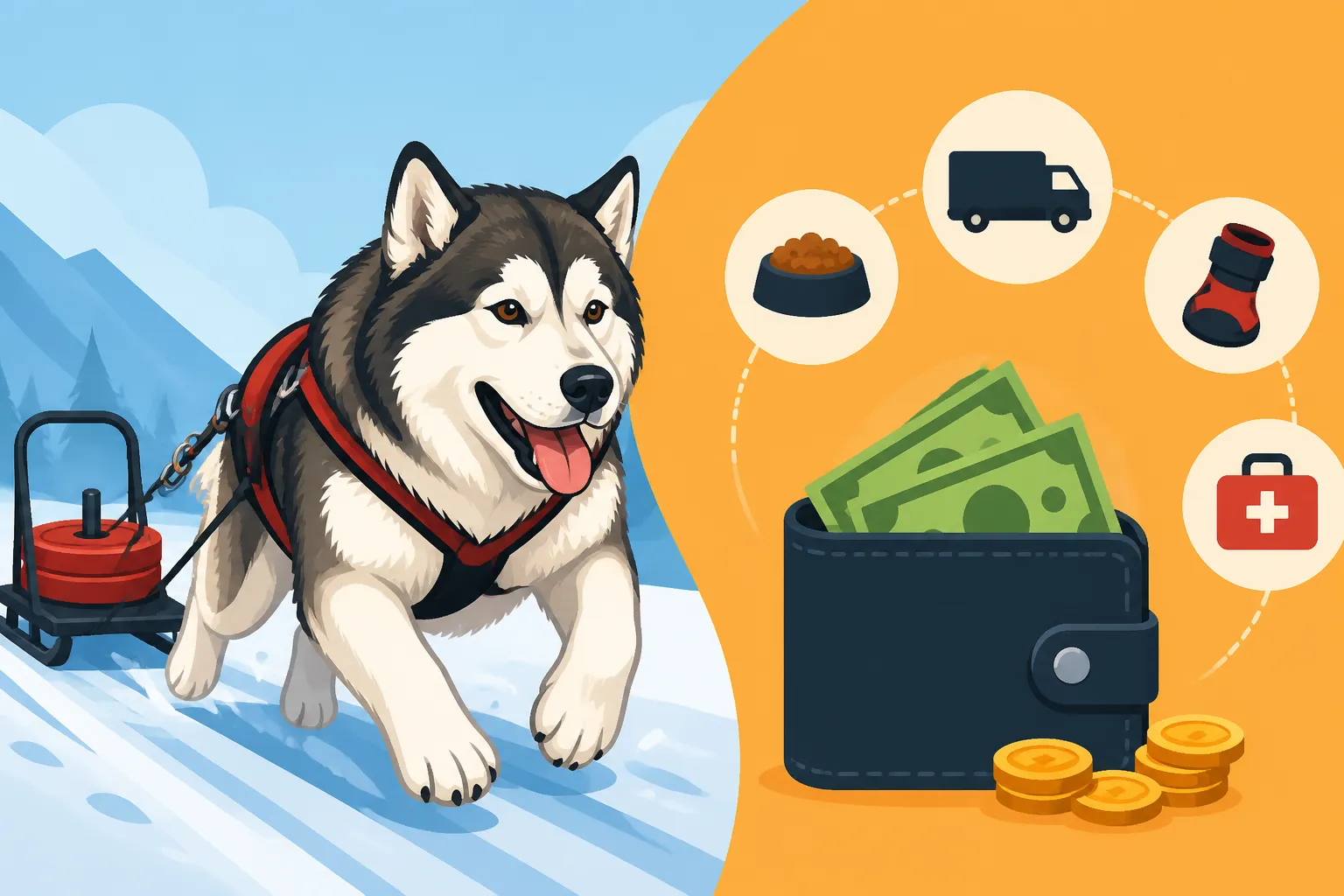
- Estimated "Competition Weekend" Costs: This is where it gets real. If you factor in a sanctioned pull entry, fuel, a night or two of dog-friendly lodging, and food for yourself and your Malamute, a single weekend can easily add up to a substantial amount.
To give you a clearer picture, here's a hypothetical breakdown, illustrating how different scenarios stack up:
| Cost Category | Local Fun Match (Single Dog, No Travel) | Regional Sanctioned Pull (Single Dog, 2-hr drive, 1 night hotel) | National Sanctioned Weekend Pull (2 Dogs, 8-hr drive, 2 nights hotel) |
|---|---|---|---|
| Event Entry Fee | A small fee | A moderate fee (lower with association membership) | A higher fee (discounted for 2nd dog and association membership) |
| Annual Membership | (Optional, but recommended) | (Often required/beneficial) | (Often required/beneficial) |
| Fuel Costs | Minimal/None | Moderate | Significant |
| Lodging (Dog-Friendly) | None | Moderate (e.g., one night pet-friendly hotel) | Significant (e.g., two nights pet-friendly hotel + pet fees) |
| Food & Supplies | Basic | Basic (plus extra for human food on the road) | Higher (more for human food, possibly more specific dog food for travel) |
| Total per Event (Estimate) | Relatively low | Considerably higher | Substantially higher |
This table really highlights that the entry fee is just one piece of the puzzle. The travel and accommodation are often the biggest drivers of cost, so choosing local events frequently can genuinely save you money.
The Intangible Rewards of the Sport
Yes, there are costs involved. Weight pull, like any dog sport, requires a financial and time investment. But for those who embrace it, the rewards are truly priceless.
- Unbreakable Bond: There's nothing quite like the feeling of watching your Malamute realize their potential, pushing their limits with you by their side. The trust, cooperation, and understanding you develop during training and competition deepens your bond in incredible ways.
- Pride and Achievement: Seeing your Malamute earn titles, set personal bests, or simply give their all is immensely satisfying. The sheer joy on their face when they succeed, the wag of their tail, that proud "Malamute smile" – it’s something you won't forget.
- Community and Camaraderie: The weight pull community is often a tight-knit and supportive one. You’ll meet other passionate owners, make lifelong friends, and share in the highs and lows of the sport. The shared experience creates an amazing sense of belonging.
- Fulfilling Their Purpose: For an Alaskan Malamute, pulling is in their blood. Providing them with an outlet that taps into their innate drives and capabilities is a profound way to ensure their physical and mental well-being. It’s a gift you give them, allowing them to be the magnificent, strong, and purposeful dogs they were bred to be. What an Alaskan Malamute Needs Every Day often includes a job, and pulling fits that perfectly.
So, while you budget for entry fees, fuel, and perhaps a new harness, remember that you're also investing in an experience that will enrich both your life and your Malamute's beyond measure. The memories, the accomplishments, and the incredible partnership you forge are truly worth every penny.
Disclaimer
This article is for general informational purposes only and does not constitute professional advice. Laws, prices and regulations vary by location and change over time. Consult a qualified professional for guidance on your specific situation.