Whether a Malamute Guarantee Names Polyneuropathy
Bringing home a new Alaskan Malamute puppy is often filled with dreams of adventures and loyal companionship. But beneath all that excitement, a quiet worry can linger for many prospective owners: what if your beloved new family member develops a devastating inherited illness? It’s a real and valid concern, especially when considering conditions like Inherited Polyneuropathy, which can severely impact a Malamute's quality of life. This comprehensive guide will explore what polyneuropathy means for a Malamute, delve into the specifics of breeder health guarantees, and arm you with the knowledge to make informed decisions about your future companion.
Understanding Inherited Polyneuropathy in Alaskan Malamutes
Let's be honest, hearing the term "inherited polyneuropathy" can sound a bit daunting, like something out of a medical textbook. But for Alaskan Malamute owners, it's a condition worth understanding deeply because it can dramatically change the journey you envision with your dog. This isn't just about a minor health hiccup; it's about a progressive neurological disorder that can impact your Malamute's mobility and overall well-being.
What is Inherited Polyneuropathy?
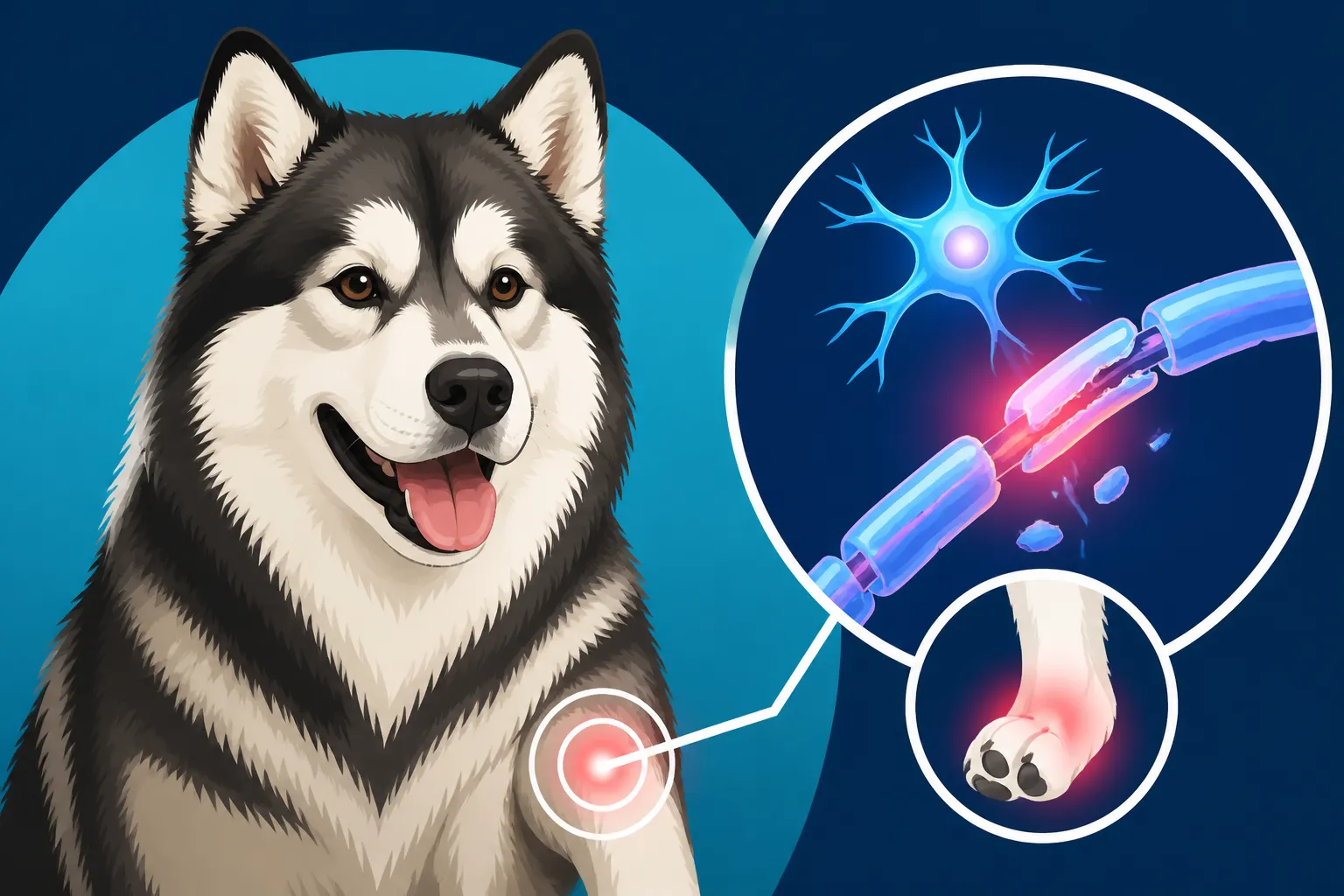
Inherited polyneuropathy in Alaskan Malamutes is a genetic disorder that affects the peripheral nerves – those nerves outside of the brain and spinal cord. Think of it like the wiring system in a house. When the wiring starts to fray or break down, the appliances connected to it don't work properly. In a Malamute with polyneuropathy, these crucial nerve signals, responsible for controlling muscle movement and sensory information, become disrupted or completely fail.
This isn't a condition that suddenly appears overnight; it typically has a gradual onset. Puppies may appear completely normal at birth, which can be heartbreakingly deceptive for new families. The signs usually begin to manifest as the dog approaches its first birthday, often between 10 and 18 months of age, though it can vary. This critical period is when your Malamute is usually full of energy, bounding around, learning, and developing its personality, so the emergence of symptoms can be particularly distressing. It's truly a silent thief, stealing away their vitality when they should be at their peak.
How Polyneuropathy Affects a Malamute's Life
The impact of inherited polyneuropathy on an Alaskan Malamute's life can range from mild to severely debilitating. Initially, you might notice subtle changes: a slight awkwardness in their gait, a less confident trot, or perhaps a bit of stumbling when navigating uneven terrain. They might seem to have trouble judging where to place their feet, leading to what some owners describe as a "high-stepping" walk, almost like they're trying to clear obstacles that aren't there.
As the condition progresses, these symptoms become more pronounced. Muscle weakness often develops, particularly in the hindquarters, making it harder for the dog to stand up, climb stairs, or jump. Imagine the frustration and sadness for a Malamute, a breed renowned for its strength and endurance, slowly losing the ability to perform basic movements. Their characteristic "woo" vocalizations might even change, becoming weaker or sounding hoarse, a stark sign that the nerves controlling their vocal cords are also affected. In advanced stages, breathing difficulties can arise, which is incredibly serious and terrifying for owners. This is why understanding Whether a Polyneuropathy Malamute Gets Worse is so crucial; it's a progressive disease without a cure, meaning managing symptoms and maintaining quality of life becomes the primary focus.
The Importance of Genetic Testing for Breeders
Given the devastating nature of inherited polyneuropathy, genetic testing for breeding stock is absolutely paramount. Thankfully, for Alaskan Malamutes, there is a specific The DNA Test That Finds Malamute Polyneuropathy. This test identifies whether a dog is clear, a carrier, or affected by the gene mutation responsible for the condition. A responsible breeder will use this tool to ensure they are not inadvertently passing this debilitating disease on to future generations.
Knowing a dog's genetic status allows breeders to make informed decisions about pairings. For instance, two carriers should never be bred together, as this carries a high risk of producing affected puppies. Breeding a clear dog with a carrier can still produce carriers, but no affected puppies. The goal is to gradually eliminate the gene from the breed pool, protecting these magnificent animals from unnecessary suffering. If a breeder shows you the results from an established genetic testing company for both parent dogs, it demonstrates their commitment to the health and future of the breed. This transparency is a huge green flag when you're looking for a puppy.
The Purpose and Limitations of a Breeder's Health Guarantee
When you're shelling out a significant sum for a purebred Alaskan Malamute puppy, you expect certain assurances. A health guarantee is often seen as one of the cornerstones of a reputable breeder's practice, offering peace of mind. But what does it really cover, and where do its limits lie, especially concerning complex genetic conditions like polyneuropathy? It's not always as straightforward as we hope, and understanding the fine print is vital.
What a Standard Health Guarantee Typically Covers
A standard health guarantee from a reputable Alaskan Malamute breeder usually covers common, severe genetic health conditions that could lead to significant financial burden or premature death for the puppy. They generally aim to protect the buyer from undisclosed, serious health issues present at the time of sale or developing shortly after.
These guarantees often include:
- Initial Health Check: A clause stating the puppy has been seen by a licensed veterinarian and is free of obvious contagious diseases or parasites at the time of sale. This is typically for a very short window, perhaps 48-72 hours, allowing you to take your new puppy to your own vet for verification.
- Life-Threatening Congenital Defects: Coverage for serious conditions like severe heart defects or organ malfunctions that are present from birth and are likely to shorten the dog's life significantly.
- Specific Genetic Diseases: Guarantees might list certain genetic conditions common to the breed, like Hip Dysplasia in an Alaskan Malamute or eye diseases, if the parents were health-tested for them.
The exact terms will vary widely from breeder to breeder. Some might offer a replacement puppy, while others might provide a partial refund of the purchase price. It’s important to remember that these guarantees are rarely designed to cover every single sniffle or minor ailment, nor are they a blank check for all future vet bills. They're specific, legally binding documents, and you need to treat them as such.
Why Guarantees Often Have Specific Exclusions
It can be incredibly frustrating to discover your Malamute has an issue you thought was covered, only to find it's explicitly excluded from your guarantee. Breeders, much like insurance companies, operate with a degree of risk management. They cannot guarantee against every possible illness or accident your dog might face over its The Ten to Fourteen Years an Alaskan Malamute Lives.
Common exclusions or limitations in guarantees include:
- Environmental Factors: Conditions caused by nutrition, injury, lack of proper care, or exposure to contagions (like kennel cough after exposure at a dog park).
- Minor Ailments: Things like umbilical hernias, minor dental issues, or benign skin conditions are typically not covered.
- Conditions Not Tested For: If a breeder doesn't test for a specific genetic condition, it's highly unlikely they will guarantee against it. This is where conditions like inherited polyneuropathy come into play. If the parents weren't tested for it, and it's not explicitly named in the guarantee, you might be out of luck.
- Owner Negligence: Failure to follow the breeder's recommended feeding, vaccination, or deworming protocols can void a guarantee.
- Behavioral Issues: Guarantees rarely cover behavioral problems, no matter how challenging they might be.
This is why simply having "a health guarantee" isn't enough. You need to scrutinize what it specifically includes and excludes, and how those terms align with known breed health issues like polyneuropathy.
The Financial Strain of a Diagnosis Without a Guarantee
Imagine the devastating emotional toll of learning your energetic Malamute puppy, who you picked up from a breeder who assured you of their "healthy lineage," has started showing signs of polyneuropathy. Now imagine the financial strain that comes with it, compounded by the realization that your health guarantee doesn't cover this specific condition. It's a double blow no one wants to face.
Treating any chronic condition in a large breed like an Alaskan Malamute can quickly become incredibly expensive. While there's no cure for polyneuropathy, management often involves extensive veterinary visits, specialized diagnostics like EMGs or nerve biopsies, pain management, physical therapy, and potentially medications to support nerve health or manage secondary issues. These costs can run into thousands of dollars annually, far exceeding the initial purchase price of the puppy. Without a guarantee to fall back on, the entire financial burden rests squarely on your shoulders. This scenario highlights why it's so important to be aware of what your guarantee explicitly states, rather than assuming broad coverage. This kind of financial shock can lead to heartbreaking decisions if not properly prepared for, and it's a frustration many devoted owners face.
Navigating Guarantees and Polyneuropathy: What to Look For
So, you're committed to finding a healthy Malamute and want to be sure you're protected. This means getting proactive about understanding the breeder's health guarantee, specifically in relation to conditions like inherited polyneuropathy. Don't just skim it; read it like it's the most important document you'll ever sign – because for your dog's future and your wallet, it very well might be.
Explicitly Naming Genetic Conditions in the Contract
This is the absolute cornerstone of a strong health guarantee for an Alaskan Malamute. When discussing the guarantee with a breeder, you need to look for explicit mention of specific inherited diseases common to the breed. For polyneuropathy, this means seeing it named directly in the contract. Don't settle for vague language like "genetic defects" or "hereditary diseases." While these terms could apply, they often leave too much room for interpretation and dispute if a problem arises.
A truly responsible breeder who has invested in thorough health testing for their breeding stock, including The Health Tests Both Alaskan Malamute Parents Should Have, will be proud to explicitly list the conditions they screen for and guarantee against. They might state something like: "This guarantee covers Inherited Polyneuropathy (PN) provided both parent dogs were tested as Clear or Carrier and the puppy develops symptoms verified by a veterinary neurologist before X age." This level of detail shows diligence and protects both you and the breeder. If a breeder is hesitant to name specific conditions, or if the contract is vague, consider it a red flag. It’s better to ask all the uncomfortable questions upfront than to deal with the heartache and expense later.
Timeframes and Conditions for Guarantee Claims
Even with a detailed guarantee, the timing and conditions for making a claim are critical. Health guarantees are almost never open-ended. They typically have specific timeframes within which a claim can be made for certain conditions.
For example:
- Initial Health Period: As mentioned, this is usually 48-72 hours for general health checks.
- Genetic Disease Period: For inherited conditions like polyneuropathy, the guarantee period might be longer – perhaps up to 12 months, 24 months, or even the dog's lifetime for truly debilitating, untreatable conditions. However, a lifetime guarantee for a condition that manifests later in life is rare and usually comes with many caveats. For polyneuropathy, which often shows up in adolescence, a guarantee covering the first year or two is quite valuable.
Beyond timeframes, there are usually conditions you must meet to validate a claim:
- Veterinary Verification: You will almost certainly need documentation from a licensed veterinarian, often a specialist (like a neurologist for polyneuropathy), to diagnose the condition.
- Return or Replacement Clause: Many guarantees require the return of the affected dog for a replacement puppy, which can be emotionally impossible for owners. Ensure you understand if a partial refund is an option or if relinquishing your dog is the only route.
- Notification Period: You typically have a strict window (e.g., 7-14 days) to notify the breeder once a diagnosis is made.
Always read these clauses carefully. Missing a deadline or failing to follow the specified protocol can invalidate your entire claim. This is a common point of contention and frustration for puppy buyers, so clarity here is key.
The Role of DNA Testing in Validating a Claim
Genetic DNA testing plays a pivotal role, not just for breeders in selecting their breeding stock, but also for you, the owner, in validating a potential claim under a health guarantee. If your Alaskan Malamute begins to show signs of polyneuropathy, a DNA test can provide definitive proof of the genetic basis of the condition.
Many breeders will require proof of diagnosis, and a positive DNA test result for polyneuropathy will be incredibly strong evidence. If the breeder stated that their breeding stock was tested as clear or carrier for polyneuropathy and guaranteed against affected offspring, a positive test result in your puppy directly contradicts that claim and strengthens your position for a guarantee claim.
Before you even consider purchasing a puppy, ask to see the DNA test results for both parents. Reputable breeders use established labs for these tests. For instance, some comprehensive panels offered by companies cover a wide range of genetic diseases. Ensure the polyneuropathy test is included. A breeder should be transparent and willing to provide these results, either directly or through a public database. If they cannot or will not, that's a serious red flag. Having this information upfront helps prevent future heartache and makes any guarantee claims much smoother, should the unthinkable happen.
Beyond the Guarantee: Proactive Steps for Malamute Owners
While a solid health guarantee offers a degree of protection, it's truly just one piece of the puzzle when it comes to ensuring the well-being of your Alaskan Malamute. As owners, we have a profound responsibility to go above and beyond, taking proactive steps to select a healthy puppy and then provide lifelong care that supports their physical and mental health. This means making informed choices long before your puppy ever sets paw in your home.
Choosing a Responsible Breeder Who Tests
This is perhaps the single most impactful decision you'll make in your Malamute journey. A responsible breeder is not just someone who loves puppies; they are dedicated to the health, temperament, and preservation of the breed. They understand the genetic predispositions of Alaskan Malamutes and actively work to mitigate them.
Here's what to look for:
- Health Testing Transparency: They will openly discuss the health tests performed on their breeding dogs, not just for polyneuropathy but also for other relevant conditions like hip and elbow dysplasia, eye certifications, and thyroid function. They should provide verifiable documentation. Don't be shy about asking Whether a Malamute Breeder Should Publish DNA Results or providing them to you directly.
- Pedigree and History: A good breeder knows their dogs' pedigrees inside and out, understanding the health history of previous generations.
- Limited Litters: They don't churn out puppies for profit. They breed thoughtfully and selectively.
- Early Socialization: Puppies are raised in a clean, stimulating home environment, not in outdoor kennels away from human interaction.
- Interview Process: They will interview you extensively, wanting to ensure their puppies go to suitable, prepared homes. This shows they care where their pups end up.
- Lifetime Support: A responsible breeder remains a resource for the dog's entire life, offering advice and support. They'll likely also have a "take back" clause if you can no longer care for the dog.
Avoiding breeders who offer "deals" on Whether an Untested Alaskan Malamute Litter Is Worth Buying is paramount. That initial saving can quickly be dwarfed by vet bills down the line.
Continual Care and Early Detection
Even with a healthy puppy from a stellar breeder, your vigilance as an owner is crucial. Continual, attentive care and an eye for early detection can make a world of difference, especially with progressive conditions.
- Regular Vet Visits: Establish a strong relationship with a veterinarian who understands large breeds and is familiar with Malamute-specific health concerns. Routine check-ups are opportunities to catch subtle changes.
- Observation: Spend time truly observing your Malamute. Notice changes in gait, energy levels, appetite, or vocalizations. Is their bark different? Are they stumbling more? Do they seem reluctant to play or go for walks? Early signs of polyneuropathy can be subtle and easily missed if you're not paying close attention. Remember, Why a Malamute Shows Nothing Until It Cannot Work can be true for some conditions, but early detection is always best.
- Proper Nutrition: While diet doesn't cause polyneuropathy, excellent nutrition supports overall health and can help your dog cope better with any challenges. Brands like Chewy and Ollie offer a variety of high-quality foods and supplements that can contribute to your Malamute's well-being.
- Appropriate Exercise: Ensure your Malamute gets plenty of mental and physical stimulation, but don't overdo it, especially if you notice any signs of weakness or discomfort. Adjust activities as needed throughout their life.
By being an attentive and proactive owner, you're giving your Malamute the best possible chance at a full and happy life, even if unforeseen health challenges arise.
Budgeting for the Unexpected
No matter how carefully you choose your breeder or how diligently you care for your Malamute, life has a way of throwing curveballs. Inherited conditions, accidents, or age-related illnesses can strike at any time, often with significant financial implications. This is why budgeting for the unexpected is a non-negotiable part of responsible Malamute ownership.
Consider these financial preparedness strategies:
- Emergency Fund: Set aside a dedicated savings account specifically for pet emergencies. This can be a lifesaver when a sudden illness or injury requires expensive diagnostics or surgery.
- Pet Insurance: Research pet insurance options early in your Malamute's life, ideally before any pre-existing conditions develop. Companies like Healthy Paws offer various plans that can help cover a significant portion of unexpected veterinary bills. While Whether an Insurer Excludes Malamute Inherited Disease is a question to specifically ask any provider, having coverage for accidents, illnesses, and specialist care can ease immense financial stress.
- Wellness Plans: Some veterinary clinics offer wellness plans that bundle routine care, like vaccinations and annual check-ups, often at a discounted monthly rate. While these don't cover emergencies, they help manage predictable costs.
Understanding The Full Cost of Twelve Years With an Alaskan Malamute means accepting that vet bills will be a substantial part of that equation. Being financially prepared allows you to make treatment decisions based on what's best for your Malamute, rather than what you can afford in a crisis.
When a Guarantee Falls Short: Exploring Other Options
Despite doing everything right – choosing a reputable breeder, scrutinizing the health guarantee, and diligently caring for your puppy – there might still be situations where a genetic condition like polyneuropathy emerges, and the guarantee doesn't provide the relief you hoped for. Perhaps the condition was outside the guaranteed timeframe, or it wasn't explicitly named. In such heartbreaking circumstances, it's important to know what other avenues you can explore for support and financial assistance.
Understanding Pet Insurance and Genetic Conditions
Pet insurance can be a lifeline when a breeder's guarantee falls short, but it's crucial to understand how it typically handles genetic and hereditary conditions. The golden rule with pet insurance is to enroll your puppy as early as possible, ideally before any symptoms or diagnoses of any kind emerge.
Most pet insurance policies classify conditions diagnosed before or during the waiting period as "pre-existing conditions," which are then excluded from coverage. This means if your Malamute starts showing signs of polyneuropathy at 14 months, and you only buy insurance at 13 months, it's likely it won't be covered if the condition is diagnosed shortly after.
However, if you've had a policy in place since your Malamute was a young puppy, and they were symptom-free at that time, a genetic condition diagnosed later might indeed be covered, depending on your specific policy and provider. It’s imperative to read the fine print, understand the waiting periods, and clarify how they handle inherited conditions with the insurance provider directly. Ask specific questions about genetic diseases and your breed. Some policies might have caps on how much they'll pay out for hereditary conditions, or require specific genetic testing results. Companies like Healthy Paws are known for their comprehensive coverage, but even they have specific terms and conditions around pre-existing and genetic issues. It truly pays to do your homework here.
Support from Breed-Specific Rescues and Foundations
Even if neither your breeder's guarantee nor your pet insurance fully covers the costs of managing polyneuropathy, you are not alone. There are incredible resources available through breed-specific rescues and foundations dedicated to Alaskan Malamutes. These organizations are passionate about the well-being of the breed and often offer support beyond rehoming.
- Financial Assistance Programs: Many Malamute rescue groups and breed clubs have funds or programs dedicated to helping owners with significant veterinary expenses, especially for genetic conditions. They understand the financial strain and want to prevent owners from having to make impossible choices due to cost.
- Information and Resources: These organizations are a wealth of knowledge on specific breed health issues. They can connect you with specialists, share insights into managing the condition, and offer emotional support from other owners who understand what you're going through.
- Advocacy: They often advocate for responsible breeding practices, educating the public and encouraging breeders to perform necessary health tests. You might find a community of like-minded individuals who are also navigating Caring for an Alaskan Malamute Past Eight and dealing with various health issues.
Don't hesitate to reach out to these groups. A quick search for "Alaskan Malamute rescue" or "Malamute health foundation" in your area or nationally can provide contacts for these invaluable resources. They exist precisely for moments like these, to ensure Malamutes receive the care and love they deserve, regardless of their health challenges.
Comparing Health Guarantee Features for Genetic Conditions
Understanding the nuances between different breeders' health guarantees can be tricky. This table outlines key features to compare when evaluating a guarantee, especially concerning genetic conditions like polyneuropathy.
| Feature | Typical Coverage | What to Look For (Ideal) | Common Pitfalls |
|---|---|---|---|
| Genetic Condition Mention | Vague "hereditary defects" | Explicitly names Polyneuropathy, Hip Dysplasia, etc. | No specific conditions named, leaving room for denial |
| DNA Test Requirement | None stated | Requires parental DNA test results for specific genes | Relies on vet diagnosis without genetic proof |
| Coverage Period | 1-2 years (for some conditions) | At least 2 years, ideally up to 5 years for late-onset | Very short window (e.g., 6 months for all conditions) |
| Claim Process | Diagnosis by any licensed vet | Diagnosis by board-certified specialist (e.g., neurologist) | Vague process, requiring complex documentation |
| Remedy for Buyer | Replacement puppy only | Full/partial refund or choice of replacement puppy | Only replacement puppy, sometimes requiring return of dog |
| Exclusions | Poor nutrition, injury, lack of vet care | Clearly defined, reasonable exclusions | Overly broad exclusions that can void guarantee easily |
| Transparency | Limited information | Breeder openly shares parent health certs & DNA results | Breeder unwilling to provide detailed health information |
This table serves as a guide, but remember to always read the full contract and ask direct questions to ensure complete clarity before committing to a puppy.
Disclaimer
This article is for general informational purposes only and does not constitute professional advice. Laws, prices and regulations vary by location and change over time. Consult a qualified professional for guidance on your specific situation.