Whether a Malamute Eats Drywall
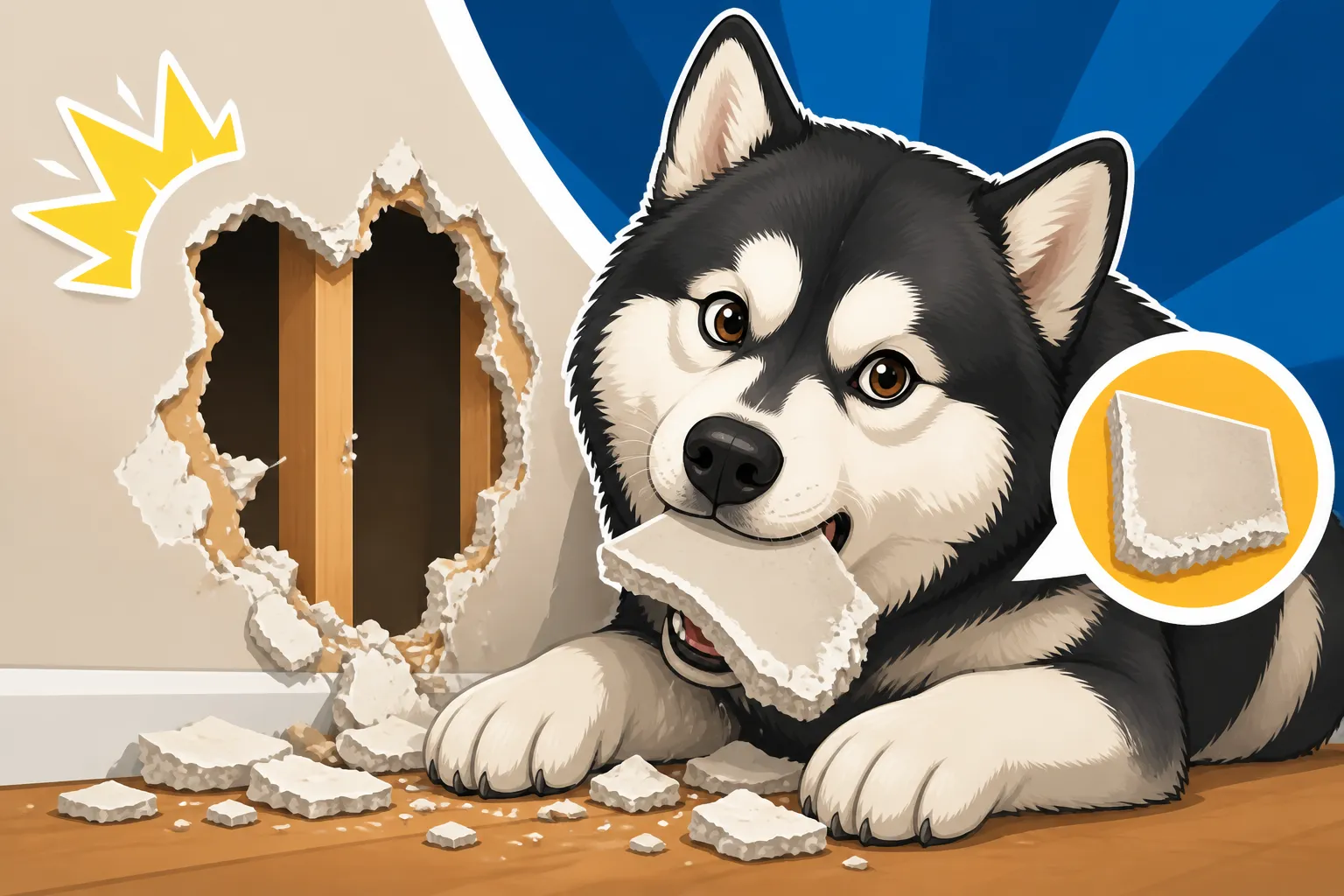
One of the most disheartening discoveries for any Malamute owner is walking into a room to find chunks of drywall missing from their walls, a dusty mess on the floor, and an innocent-looking canine nearby. This isn't just an aesthetic problem or a minor annoyance; it's a clear sign of an underlying issue that needs immediate attention, and this guide will walk you through why it happens, the risks involved, and how to stop it.
The Unsettling Truth: Do Malamutes Chew Drywall?
It’s a question many new Malamute owners dread asking, often because they’re already seeing the evidence. The short answer is a resounding "yes." Alaskan Malamutes, with their powerful jaws and intelligent, sometimes mischievous, minds, are absolutely capable of chewing drywall. It’s not necessarily a malicious act, but rather a manifestation of specific needs or anxieties that aren't being met.
It's Not a "Maybe," It's a "When" (if unchecked)
If you have a Malamute, especially a young one or one new to your home, and they haven't yet discovered the joys of drywall demolition, consider yourself lucky—but don't get complacent. This breed is known for its incredible ability to find weaknesses in barriers and to entertain itself when bored. Drywall, to a Malamute, can be anything from a new texture to explore, to a way to get through something. The soft gypsum and paper backing offer a satisfying crunch and tear that can be incredibly appealing. It's often not a matter of if they'll try, but when they'll stumble upon this particular form of destructive entertainment if their environment and needs aren't adequately managed. It's similar to how they might view a new couch or a flimsy dog bed – if it's there and not robust, it's fair game for investigation. What a Malamute Destroys Before It Turns Two offers more insights into their early destructive tendencies.
Why Drywall Becomes an Irresistible Target
Several factors can turn your innocent Malamute into a drywall destroyer. Understanding these root causes is the first step toward effective prevention and management.
- Boredom and Lack of Mental Stimulation: This is perhaps the biggest culprit. Alaskan Malamutes are working dogs. They were bred for endurance, strength, and problem-solving. A bored Malamute is a destructive Malamute. If they don't have enough exercise, mental puzzles, or a job to do, they will invent their own entertainment, and chewing walls can be a highly engaging pastime. Imagine being confined to a small office all day with nothing but a stapler and a stack of paper – you'd probably find creative uses for them too! Whether a Bored Malamute Destroys the House delves deeper into this issue.
- Anxiety and Stress: Separation anxiety is another common driver. When left alone, some Malamutes experience extreme stress, which they try to relieve through destructive behaviors like chewing, digging, or vocalizing. If they feel trapped or anxious about your absence, they might try to chew their way out of a room or simply use the chewing as a coping mechanism. Similarly, changes in routine, new pets, or loud noises can trigger anxiety-driven chewing.
- Teething in Puppies: While adult Malamutes chew for various reasons, puppies chew everything because they're teething. Their gums are sore, and chewing provides relief. If appropriate chew toys aren't readily available and appealing, drywall, furniture, or doorframes become the next best thing.
- Lack of Appropriate Chew Outlets: Even adult Malamutes need to chew. It's a natural dog behavior that helps keep their jaws strong, teeth clean, and minds engaged. If they don't have enough suitable, durable chew toys that genuinely interest them, they'll seek out alternatives. This is where investing in high-quality, long-lasting chew toys from places like Chewy can be a game-changer.
- Curiosity and Exploration: Sometimes, it’s just pure curiosity. A Malamute might scratch at a wall, hear an interesting sound, or feel a loose piece, and the next thing you know, they're investigating with their mouth. They might be trying to get to something behind the wall – a mouse, a bug, or even just insulation.
Beyond the Mess: The Real Dangers of Ingesting Drywall
It's not just about the repair bill, which, let's be honest, can be substantial. When your Malamute ingests drywall, there are very real health risks that you need to be aware of. This isn't just about a dusty snout; it's about what goes inside them.
Digestive Upset and Potential Blockages
Drywall is primarily made of gypsum, which is a soft sulfate mineral. While not inherently toxic in small amounts, it's not digestible. If a Malamute ingests a significant quantity, it can cause several gastrointestinal problems:
- Stomach Upset: Even small pieces can irritate the stomach lining, leading to vomiting, diarrhea, or a loss of appetite. You might notice them acting a bit "off," perhaps lethargic or just not themselves.
- Impaction and Obstruction: Larger pieces of drywall, or a build-up of smaller pieces, can clump together in the digestive tract. This can lead to impaction, where the material gets stuck and cannot pass, causing severe discomfort and potentially life-threatening blockages. Symptoms of an obstruction include repeated vomiting, abdominal pain, refusal to eat, and lethargy. If you suspect an obstruction, it's an emergency that requires immediate veterinary attention. This is precisely the kind of unforeseen expense that makes having a good pet insurance plan, like those offered by Healthy Paws, invaluable.
- Choking Hazard: Small, sharp, or oddly shaped pieces of drywall can also pose a choking risk, especially if your Malamute is enthusiastically tearing at the wall.
Hidden Toxins and Unforeseen Vet Visits
While the gypsum itself is usually considered "non-toxic" in the way that it won't poison them, other components and common wall treatments can be problematic.
- Drywall Dust and Allergies: The dust from chewing drywall can irritate your Malamute's respiratory system, leading to coughing or sneezing. Some dogs may even develop allergic reactions to the dust or the materials, manifesting as skin irritation or more severe respiratory issues.
- Paint and Primer: Walls are typically painted, and many paints contain chemicals, pigments, and binders that are not meant for ingestion. Lead paint is a historical concern, but even modern latex paints can cause digestive upset or, in larger quantities, more severe toxicity. Primers often contain even stronger chemicals.
- Mold and Mildew: If your drywall has been exposed to moisture, there could be hidden mold or mildew. Ingesting mold can lead to gastrointestinal upset, neurological symptoms, or other health issues, depending on the type of mold. This is a particularly insidious risk because you might not even know it's there until your dog reacts.
- Insulation and Wiring: Behind the drywall lies insulation, which can be irritating if ingested, and electrical wiring. While rare, a determined Malamute could chew through to wiring, posing a serious risk of electrical shock or fire.
- Splinters and Sharp Edges: Drywall, when chewed, can break into surprisingly sharp pieces, both from the gypsum and the paper backing. These sharp edges can cut the inside of your Malamute's mouth, esophagus, or digestive tract, leading to internal bleeding or perforations that are extremely dangerous.
Any time you discover your Malamute has eaten drywall, a call to your vet is warranted, even if they appear fine. It's always better to be safe than sorry, and early intervention can prevent much more serious problems down the line.
Proactive Measures: Stopping Drywall Chewing Before It Starts (or Worsens)
Prevention is always better than cure, especially when it comes to a Malamute and your home's integrity. Tackling drywall chewing requires a multi-pronged approach that addresses both their physical and mental needs, as well as managing their environment.
The Power of Exercise and Mental Engagement
A tired Malamute is a good Malamute, or at least, a less destructive one. These dogs need a lot of physical activity and mental stimulation to be happy and well-behaved housemates.
- Daily, Vigorous Exercise: This isn't just a quick walk around the block. Malamutes need substantial, vigorous exercise every single day. Think long jogs, hikes, sledding (even with a cart if there's no snow), or weight pulling. An hour or two of intense activity can make a huge difference. The Age a Malamute Can Start Pulling is a good read if you're considering this kind of activity. Remember, they were bred to pull heavy loads for miles, so a sedentary life is simply not in their nature. Without this outlet, that energy will manifest in undesirable ways, often involving your walls.
- Mental Stimulation and Training: Beyond physical exercise, Malamutes thrive on mental challenges. Enroll in obedience classes, try scent work, or teach them new tricks. Puzzle toys, like those you can find on Chewy, that dispense treats are excellent for keeping their minds engaged when you can't actively play with them. Regularly practicing commands and teaching them new skills satisfies their intelligent, problem-solving brains. Even a simple training session for 15-20 minutes a day can burn significant mental energy.
- Interactive Play: Dedicate time each day to active, interactive play with your Malamute. Tug-of-war (with rules!), fetch, or hide-and-seek can be great ways to bond and provide an outlet for their energy and prey drive.
Creating an Indestructible Home Environment
Sometimes, no matter how much exercise and mental stimulation you provide, a determined Malamute will find a way. That's where managing their environment comes in.
- Malamute-Proofing Rooms: If there are areas where your Malamute is prone to chewing drywall, consider making those areas inaccessible when you're not supervising. Baby gates, sturdy crates, or even closing doors to certain rooms can work. For specific high-risk areas, you might temporarily install chew-proof barriers or covers, like sheet metal or thick plywood, over the accessible drywall sections. What a Malamute Owner Spends Proofing a House can give you a broader perspective on this.
- Secure Crating: A well-crate-trained Malamute sees their crate as a safe den, not a punishment. If your Malamute chews drywall when left alone, a robust, appropriately sized crate is an absolute necessity. Make sure it's one they cannot break out of or chew on the bars. There are heavy-duty options available that are specifically designed for strong breeds. The article What a Crate a Malamute Cannot Break Costs provides more details on choosing the right one. Always ensure the crate is a positive space, with comfortable bedding and a favorite chew toy.
- Removing Temptations: Be mindful of anything near the walls that might entice chewing. Loose wallpaper, dangling cords, or even items stored too close to the wall can become a starting point for exploration. Move furniture away from walls if your Malamute tends to chew behind or beneath it.
Strategic Chewing Outlets and Distractions
Since chewing is a natural behavior, the goal isn't to stop it entirely, but to redirect it to appropriate items.
- High-Value Chew Toys: Invest in a variety of durable, high-quality chew toys that are specifically designed for strong chewers. Rotate them regularly to keep them interesting. Think hard rubber toys, nylon chews, or sturdy dental chews. Some owners find that toys stuffed with peanut butter or other treats keep their Malamutes occupied for longer periods. Again, platforms like Chewy offer an extensive selection perfect for the most enthusiastic chewers.
- Long-Lasting Edible Chews: Bully sticks, antlers, or raw bones (supervised, and vet-approved for safety) can provide hours of chewing satisfaction. Always choose size-appropriate options and supervise to prevent choking hazards or splintering.
- Frozen Kongs and Puzzle Feeders: These are fantastic for keeping a Malamute busy, especially when you need them to settle down or when you're leaving the house. A Kong stuffed with a mix of their kibble, wet food, and perhaps a dollop of yogurt or peanut butter, then frozen, can last a significant amount of time. You can even consider subscribing to a fresh food service like Ollie, which often provides high-quality, palatable options that can be used in these puzzle feeders, making mealtime a mental exercise.
| Strategy | Description | Benefits | Key Considerations |
|---|---|---|---|
| Increased Exercise | Daily vigorous physical activity (jogging, hiking, pulling). | Burns energy, reduces boredom-driven chewing. | Needs consistent commitment, tailored to age/health. |
| Mental Stimulation | Puzzle toys, training, scent work, interactive games. | Engages their intelligent minds, prevents boredom. | Requires variety, toys must be challenging but not frustrating. |
| Appropriate Chews | Durable rubber toys, nylon chews, edible chews (bully sticks, antlers). | Satisfies natural chewing instinct, protects household items. | Must be high-value, safe, and regularly rotated; monitor for wear. |
| Environmental Control | Crates, gates, chew-proof barriers, moving furniture. | Prevents access to chewable areas, ensures safety when unsupervised. | Crate must be positive; barriers need to be robust for a Malamute. |
| Anxiety Management | Consistent routine, comfort items, vet consultation for severe cases. | Reduces stress-induced chewing. | May require professional behaviorist input for severe separation anxiety. |
When Damage Is Done: Managing and Preventing Recurrence
Discovering chewed drywall can be frustrating and even alarming. It's important to react calmly and strategically to address both the immediate problem and prevent future incidents.
Assessing the Damage and Your Malamute's Health
First things first, prioritize your dog's well-being.
- Check for Injuries: Immediately inspect your Malamute's mouth for any cuts, scrapes, or pieces of drywall lodged in their gums or between their teeth. Look for any signs of distress, difficulty swallowing, or excessive drooling.
- Observe for Symptoms of Ingestion: Keep a close eye on your Malamute for the next 24-48 hours. Watch for vomiting, diarrhea, lethargy, loss of appetite, straining to defecate, or abdominal pain. These could indicate digestive upset or a more serious obstruction. If any of these symptoms appear, contact your veterinarian right away. Don't hesitate to use your Healthy Paws insurance if you have it – unexpected vet visits for ingestion can be costly.
- Clean Up Thoroughly: Remove all drywall debris from the area. Small pieces can still be ingested if left on the floor. Vacuum thoroughly and ensure the area is clear of any remaining temptation.
- Damage Control for the Wall: Assess the extent of the damage to your wall. For minor nicks, spackle and paint might suffice. For larger holes, you'll need to cut out the damaged section and patch in new drywall. Consider adding a more durable barrier over the repaired area, especially if it's a recurring spot. What Replacing a Door Frame a Malamute Chewed Costs might give you an idea of potential repair expenses.
Long-Term Strategies for a Chew-Proof Home
Once you've addressed the immediate aftermath, it's time to double down on long-term prevention.
- Re-evaluate Your Routine: Is your Malamute getting enough exercise and mental stimulation daily? A quick walk in the morning and evening is often not enough for this breed. Consider adding a long dog park visit (if appropriate for your dog, keeping in mind How Common Dog Aggression Is in Alaskan Malamutes), a hiking trip on weekends, or even setting up a pulling harness and cart in your yard.
- Professional Help for Behavioral Issues: If your Malamute's drywall chewing is severe, persistent, or accompanied by other anxiety-related behaviors (like excessive barking, pacing, or house-soiling when alone), it's time to consult a certified professional dog trainer or a veterinary behaviorist. They can help diagnose underlying anxiety, develop a comprehensive behavior modification plan, and provide strategies tailored to your specific Malamute's needs. Trying to manage severe anxiety on your own can be an uphill battle.
- Consistency is Key: Whatever strategies you implement, consistency is paramount. A Malamute needs clear rules and expectations. If some days they get lots of exercise and others they don't, they'll become confused and potentially revert to destructive behaviors. Establish a routine and stick to it.
- Bitter Sprays (with caution): For temporary deterrence, you can try applying bitter-tasting sprays to the affected areas of drywall. However, these are often only a short-term solution and aren't always effective against a highly motivated Malamute. If the underlying cause of the chewing isn't addressed, they'll likely find another target. Always patch and seal the wall first before applying these, so they aren't directly ingesting the spray and the drywall.
- Invest in Tougher Materials: If you're undertaking major renovations, consider using more chew-resistant materials in areas accessible to your Malamute. While you can't install concrete walls everywhere, knowing their tendencies might inform decisions about wall finishes or protective wainscoting.
Owning an Alaskan Malamute is an incredible journey filled with loyalty, joy, and often, a fair bit of challenge. Understanding their instincts and providing outlets for their energy and intelligence is crucial to living harmoniously with these magnificent dogs. A chewed wall is rarely an act of defiance, but a cry for a need unmet. By being proactive and responsive, you can transform a destructive habit into a well-managed household, preserving both your walls and your Malamute's health.
Disclaimer
This article is for general informational purposes only and does not constitute professional advice. Laws, prices and regulations vary by location and change over time. Consult a qualified professional for guidance on your specific situation.