Whether a Malamute Ruins Carpet
Oh, the beloved carpet. That plush, inviting expanse that seems to beckon an Alaskan Malamute to make its mark, often not in the way you'd hoped. If you’re a Malamute owner, or dreaming of becoming one, you’ve likely found yourself staring at a suspicious damp patch, a new "ventilated" corner, or a cloud of fur that appeared seemingly out of nowhere, wondering if your beautiful floor covering is simply doomed. This guide dives deep into the myriad ways these magnificent dogs can impact your carpets and, more importantly, what realistic steps you can take to mitigate the damage.
The Inevitable Reality: Why Malamutes and Carpets Often Don't Mix
Let's be brutally honest: an Alaskan Malamute, by its very nature, is not exactly a carpet's best friend. These are large, powerful dogs bred for working in harsh, outdoor environments. They come with a whole host of instincts and physical traits that, when brought into a carpeted home, can spell disaster for your flooring. It's not malice, it's just Malamute.
The Great Digging Instinct
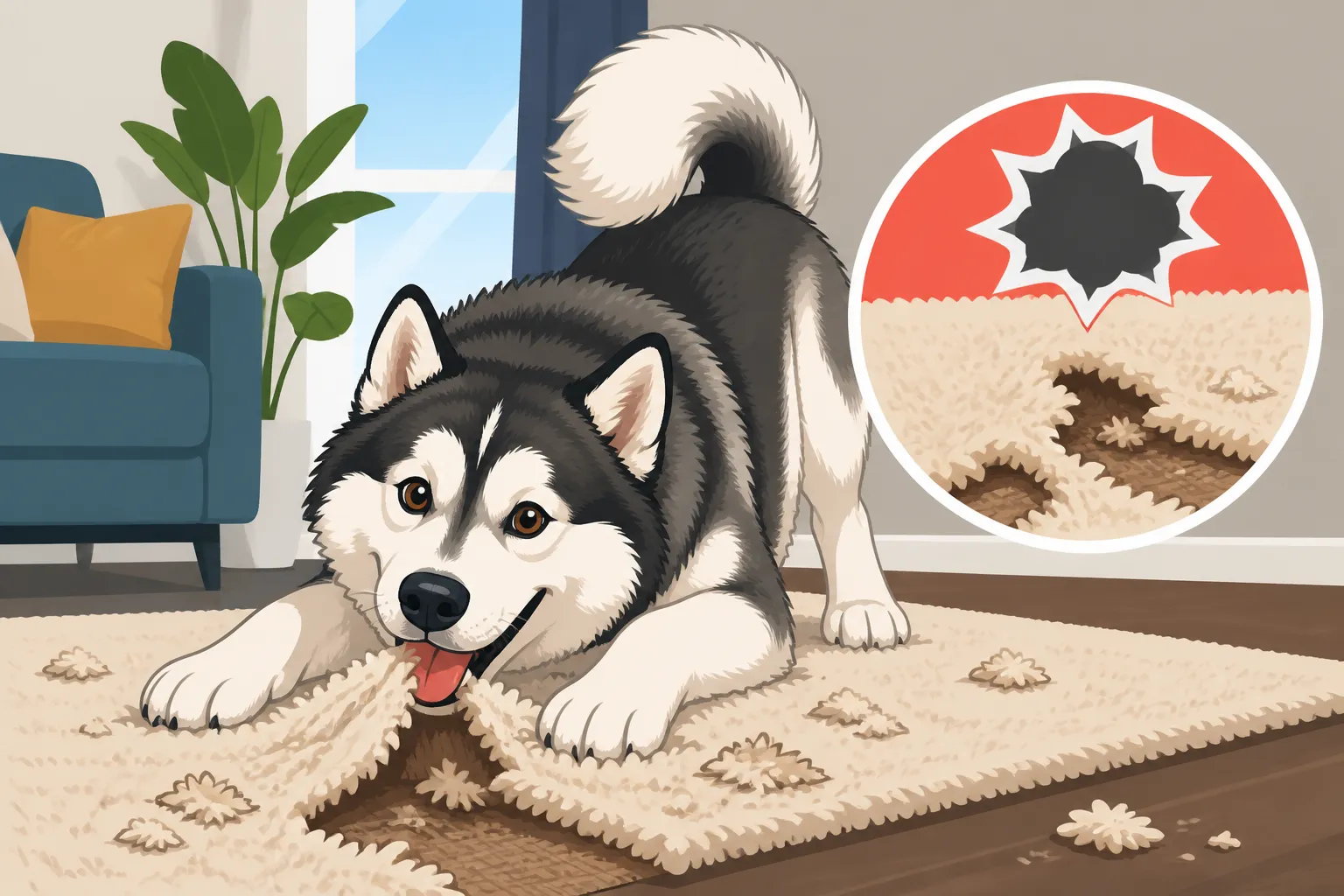
First and foremost, you have to contend with the digging. Malamutes are champion excavators. In their ancestral lands, digging provided shelter from the wind, a cool spot in summer, or a way to access cached food. This isn't a bad habit; it's hardwired behavior. When confined indoors, especially if bored or anxious, that instinct doesn't just disappear. Instead, it gets redirected. And what's more satisfying to dig at than a soft, yielding carpet?
Imagine your Malamute, perhaps left alone for a few hours, feeling a pang of boredom. They start by pawing, then scratching, and before you know it, a small tuft of carpet yarn has been liberated. This can quickly escalate into a full-blown excavation project. They might be trying to "make a den," uncover a forgotten crumb, or simply relieve pent-up energy. The result? Pulled threads, frayed edges, and eventually, bald spots or even holes right down to the subfloor. It’s incredibly frustrating to walk into a room and find that perfectly good carpeting has been systematically attacked, looking like a badger got loose. For more on this, consider The Malamute That Digs at the Carpet.
Chewing: A Powerful Jaw Meets Your Plush Pile
Beyond digging, Malamutes are also formidable chewers, especially during their puppy and adolescent phases. Much like toddlers, they explore the world with their mouths, and when teething, they need to chew. As they mature, chewing remains a vital outlet for energy, stress, and boredom. If you don't provide appropriate, engaging chew toys, your carpet might become the next victim.
Picture this: your Malamute puppy discovers an interesting loose thread on the carpet. A gentle tug, a little chew, and suddenly, they've found a new, exciting texture to work on. This can lead to entire sections of carpet being shredded, especially at doorways, seams, or beneath furniture where loose edges are easily accessible. They might target the carpet's backing, the padding underneath, or even the floorboards if they manage to get that far. It’s not uncommon to find a corner of the rug completely demolished, or the carpet under a chair leg gnawed down to the bare wood. It's a costly problem, and one that many new Malamute owners underestimate. The sheer power of their jaws means even a short chewing session can do significant damage. If you're wondering what else they might target, read What a Malamute Chews Through in a Year.
Accidents and Stains: The Unavoidable Messes
Let's talk about accidents. While a well-house-trained Malamute will certainly try their best, accidents happen. Puppies, elderly dogs, or even healthy adults experiencing stress, illness, or simply holding it too long might have a mishap. And when a large Malamute has an accident on your carpet, it's not a small puddle. It's a significant volume of liquid that can soak deep into the fibers, padding, and even the subfloor.
Urine, in particular, is notorious for lingering odors and stains. Even if you clean the surface, the liquid often wicks down, and the smell can persist, attracting your dog back to the same spot. Vomit, diarrhea, or even just muddy paw prints tracked in after a rainy walk can leave their mark. These aren't just surface issues; they penetrate, creating health hazards and permanent discoloration. Imagine hosting guests, only to have a faint, unpleasant odor waft up from the living room carpet. It's a truly disheartening experience, and no matter how diligently you clean, some stains and smells seem impossible to fully eradicate without professional help or even carpet replacement. For advice on puppy training, you might find How Long an Alaskan Malamute Puppy Takes to House Train helpful.
Beyond the Obvious: Less-Known Ways Malamutes Affect Your Flooring
It’s not just the big, dramatic incidents that take a toll on your carpet. Malamutes, with their unique physiology and lifestyle needs, contribute to carpet wear and tear in more subtle, insidious ways that accumulate over time. These often go unnoticed until the damage is already significant.
The Ever-Present Fur Cloud: Shedding and Matting
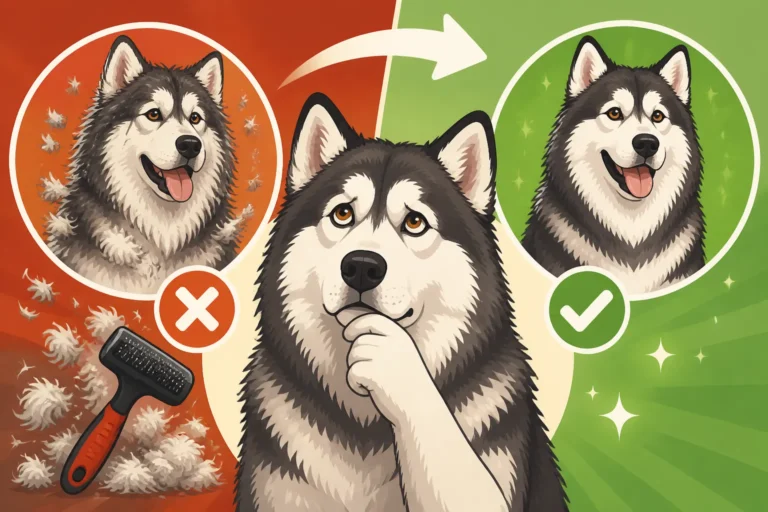
Alaskan Malamutes are double-coated dogs, famous for their magnificent, thick fur. They have a soft, dense undercoat for insulation and a coarser outer coat. And they shed. Oh, do they shed! While they have seasonal "coat blows" where they drop massive amounts of fur, they also shed year-round. This fur doesn't just sit on top of your carpet; it weaves itself into the fibers, creating a dense, often impossible-to-vacuum layer.
This embedded fur can make your carpet look dull, matted, and even discolored. It's also a nightmare for allergy sufferers and can clog vacuum cleaners with alarming regularity. During a full coat blow, it can feel like your carpet is literally growing a second, dog-fur layer. No matter how powerful your vacuum, some of that fine undercoat will remain, flattening the pile and creating pathways in high-traffic areas. The sheer volume of fur can be overwhelming, making regular cleaning a monumental task. If you've ever dealt with How Much Undercoat a Malamute Puts Into a House, you know the struggle is real.
| Malamute-Related Carpet Issue | Common Cause | Visible Effect | Potential Solution |
|---|---|---|---|
| Digging/Scratching | Boredom, anxiety, instinct | Pulled threads, bald spots, holes | Enrichment, durable mats, positive redirection |
| Chewing | Teething, boredom, stress | Shredded areas, frayed edges | Chew toys, bitter sprays, professional training |
| Accidents/Stains | Untrained, illness, holding it too long | Discoloration, lingering odors, subfloor damage | Proper training, enzymatic cleaners, vet check-ups |
| Shedding/Fur Accumulation | Double coat, seasonal blow | Matted pile, dullness, vacuum wear-out | Regular grooming, powerful vacuum, hard flooring |
| Mud/Dirt Tracking | Outdoor activity, large paws | Embedded dirt, dark pathways | Paw wipes, entry mats, designated "mud room" |
| General Wear & Tear | Weight, activity, sharp nails | Flattened pile, worn areas, scratches on wood | Nail trims, area rugs, durable flooring selection |
Tracking in the Outdoors: Mud, Dirt, and Debris
Malamutes love the outdoors. They love running, exploring, and often, getting wonderfully, gloriously muddy. Their dense coats and large, webbed paws are excellent at picking up and retaining dirt, mud, leaves, and whatever other treasures they encounter outside. And where do all these outdoor elements end up? Often, on your carpet.
Even if you try to wipe their paws at the door, some amount of dirt will inevitably be tracked in. Over time, this constant influx of grit and grime acts like sandpaper on your carpet fibers, accelerating wear and creating unsightly, darkened pathways, especially in high-traffic areas like hallways or around furniture. Think of the frustration of having just vacuumed, only for your Malamute to bound in after a romp in the yard, leaving a trail of tell-tale paw prints across your pristine living room carpet. It's a battle against nature, and nature usually wins.
Drool, Water, and Other Liquids
While Malamutes aren't typically excessive droolers like some other large breeds, they still drool. Especially when excited, anticipating food, or even just after drinking a big bowl of water. That drool, or the drips from their wet jowls after a drink, can land on your carpet. Over time, these small, repetitive moistures can create damp spots that become breeding grounds for bacteria, leading to mildew, unpleasant odors, and discoloration.
Imagine your Malamute coming in from a vigorous play session, thirsty, and then shaking their head after a long drink. Water flies everywhere, soaking into the nearby carpet. Or perhaps they have a habit of leaning against your furniture, leaving damp patches from their jowls. These aren't catastrophic events individually, but the cumulative effect can contribute to a perpetually less-than-fresh carpet, and even structural damage underneath if moisture is allowed to sit for too long.
Damage Control: Strategies for Malamute Owners to Protect Carpets
Given the myriad ways a Malamute can impact your carpets, what's a dedicated owner to do? Giving up your Malamute isn't an option (and who would want to?), and living in a constant state of carpet anxiety isn't healthy. The good news is there are many practical strategies you can employ to minimize damage and keep your home looking (and smelling) its best.
Proactive Management of Digging and Chewing
The best defense is a good offense when it comes to destructive behaviors. Providing appropriate outlets for digging and chewing instincts is paramount. For digging, consider an outdoor "dig pit" filled with sand or dirt where your Malamute is allowed to dig. Bury toys or treats to make it rewarding. Indoors, if digging at the carpet is an issue, cover the targeted area with a heavy mat or an exercise pen to prevent access.
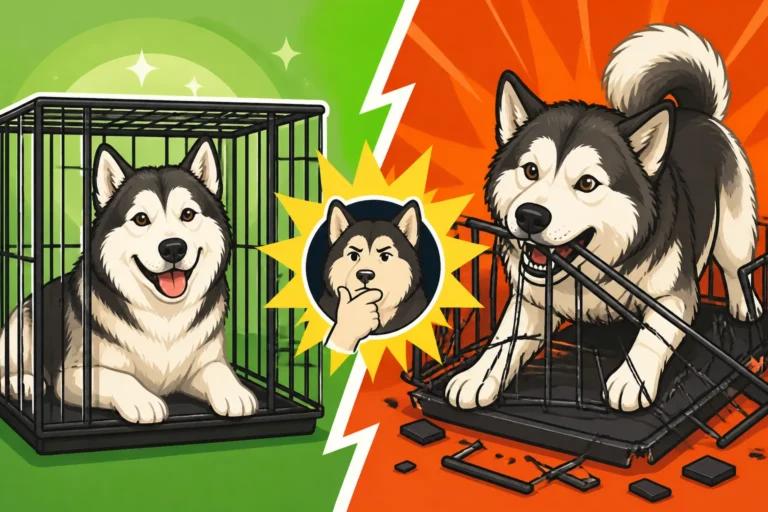
For chewing, a constant supply of appropriate, durable chew toys is essential. Rotate them to keep things interesting. Think about brands like Nylabone or Kong that are designed for power chewers. Puzzle toys, like those you can stuff with treats, can also provide mental stimulation, reducing boredom-driven chewing. If your Malamute is an avid chewer, ensure they always have something sanctioned to chew on. When you're away, crating can prevent chewing catastrophes. Make sure the crate is a positive space, not a punishment. Some owners find using bitter apple spray on carpet edges or furniture legs can deter chewing, though results vary with individual dogs.
Grooming and Cleaning Routines to Combat Shedding
Regular grooming is your secret weapon against the fur invasion. Invest in a good quality undercoat rake and a force dryer. During coat blows, you might need to brush your Malamute daily, sometimes for an hour or more. A deshedding tool can pull out an incredible amount of loose undercoat before it has a chance to settle into your carpet. Many owners find professional grooming during shedding season invaluable; groomers often have high-powered force dryers that can blast out loose fur in a way a home vacuum simply can't match.
Even with diligent grooming, you'll still have fur. A powerful vacuum cleaner, specifically designed for pet hair, is a must-have. Look for models with strong suction and brush rolls that won't tangle easily. Regular vacuuming, at least several times a week, will help prevent fur from becoming deeply embedded. For smaller, daily cleanups, a robot vacuum can be a lifesaver, running a few times a day to pick up surface fur. This proactive approach significantly reduces the amount of fur that can mat your carpets. You can find many grooming tools and pet supplies on sites like Chewy.
Swift and Thorough Accident Cleanup
When accidents happen, time is of the essence. The quicker you act, the less likely a stain or odor will set. Blot the area immediately with clean towels, applying pressure to absorb as much liquid as possible. Avoid rubbing, as this pushes the mess deeper into the fibers. Once the bulk of the liquid is absorbed, use an enzymatic cleaner specifically formulated for pet stains and odors. These cleaners break down the organic matter, eliminating the smell at its source rather than just masking it. Follow the product instructions carefully, allowing it to soak and then blotting again.
For older, set-in stains, or particularly stubborn odors, a carpet extractor (often called a "wet vac" or "carpet shampooer") can be a worthwhile investment. These machines spray a cleaning solution and then suck up the dirty water, getting deep into the carpet pile. If you have significant subfloor contamination, you might need to lift the carpet and treat the padding and subfloor directly. Remember, completely eradicating the odor is key to preventing your Malamute from revisiting the spot.
Protecting Against Outdoor Grime
Establishing a "mud room" routine can dramatically reduce the amount of dirt tracked indoors. Place heavy-duty, absorbent mats at every entry point. Train your Malamute to wait on these mats while you wipe their paws. Keep a dedicated dog towel and a bucket of water or paw-wipes by the door. Some owners even invest in dog booties for particularly muddy or snowy conditions, though getting a Malamute to accept booties can be a training challenge!
Consider restricting access to carpeted areas immediately after outdoor excursions. Have your Malamute spend a few minutes in a tiled or uncarpeted entry area until their paws are dry and clean. Regular bathing, while not needed often for Malamutes (their coats are pretty self-cleaning), can help reduce overall dirt accumulation if they're particularly fond of rolling in questionable outdoor substances.
Living With Carpet and a Malamute: Realistic Expectations and Alternatives
Ultimately, owning an Alaskan Malamute and having pristine, wall-to-wall carpeting often means choosing one over the other. While the above strategies can certainly help, it’s important to manage your expectations realistically. Your carpets will likely never look "new" again, and accepting that can save you a lot of stress.
The Realistic Compromise: Area Rugs and Hard Flooring
For many Malamute owners, the best solution isn't to fight the inevitable, but to embrace strategic compromises. If you love the warmth and comfort of carpet, consider limiting it to low-traffic areas or areas where your Malamute doesn't spend much time. In high-traffic zones, or areas where your Malamute relaxes, hard flooring like laminate, tile, or even concrete can be a much more practical choice.
If completely replacing carpet isn't feasible, strategically placed, washable area rugs can be a lifesaver. These can protect your underlying carpet and are much easier to clean or replace than an entire room of wall-to-wall carpeting. Look for durable, low-pile rugs that are easy to vacuum and machine-washable if possible. Outdoor rugs, made for durability and easy cleaning, can even work indoors in some contexts. This way, your Malamute gets to be a Malamute, and your home can still feel comfortable and clean.
Investing in Pet-Friendly Materials
When it comes time to replace flooring, or if you're setting up a new home, actively seek out pet-friendly options. There are now carpets available designed with stain-resistant and odor-resistant technologies, often featuring tighter weaves that are harder for fur to penetrate and claws to snag. While no carpet is Malamute-proof, these can offer a significant improvement over standard residential carpeting.
Similarly, look for durable, waterproof hard flooring options. Luxury vinyl plank (LVP) is a popular choice for pet owners due to its durability, scratch resistance, and water resistance. Tile is also excellent for handling messes. If you’re considering major renovations, factor in your Malamute's needs. Creating a dedicated, easy-to-clean space for them can save your more delicate flooring.
Insurance: A Safety Net for the Unexpected
Even with the best preventative measures, sometimes accidents or unexpected health issues can lead to significant carpet damage. This is where pet insurance can offer a valuable safety net. While it typically doesn't cover routine cleaning or wear and tear, it can be a lifesaver if your Malamute needs extensive veterinary care that might lead to accidents, or if they develop a behavioral issue that results in severe destruction.
Some pet insurance providers, like Healthy Paws, focus on illness and accident coverage, which could include the vet visits to diagnose why a house-trained dog suddenly starts having accidents. While it won't pay for your new carpet directly, the ability to afford prompt medical care for an underlying issue could prevent prolonged damage. It’s always wise to check policy details to understand what is and isn't covered, especially for breeds known for specific health or behavioral tendencies.
Accepting the Malamute Lifestyle
Ultimately, living with an Alaskan Malamute means accepting a certain level of fur, a certain amount of dirt, and the potential for a little chaos. They are not pristine, low-maintenance dogs. Their powerful instincts, their boundless energy, and their impressive coat mean that your home environment needs to be robust and forgiving.
If you adore your Malamute (and who wouldn't?), you learn to adapt. You learn to appreciate the joy they bring, even if it means a little extra vacuuming or a few more trips to the carpet cleaner. For every paw print on the carpet, there's a loving "woo" and a nuzzle that melts your heart. It's a trade-off many of us are more than willing to make. But being prepared and strategic in how you manage your carpets can help you enjoy your Malamute more and stress less about your home.
Disclaimer
This article is for general informational purposes only and does not constitute professional advice. Laws, prices and regulations vary by location and change over time. Consult a qualified professional for guidance on your specific situation.