Whether a Malamute Breeder Passes DNA Test Costs On
It’s a natural question to ask when you’re looking at the price tag of an Alaskan Malamute puppy: where is all this money going? Many aspiring Malamute owners look at the numbers and wonder if breeders are just inflating prices, or if there’s genuine value behind the investment. One area that often sparks curiosity, and sometimes a little frustration, is the cost of health testing, specifically DNA tests. This guide will delve into whether reputable Malamute breeders pass these DNA test costs onto you, the buyer, and what that transparency truly means for the health and future of your new furry family member.
The Foundation of Health: Why DNA Testing is Non-Negotiable for Malamutes
Bringing a new puppy into your home is a huge commitment, both emotionally and financially. No one wants to experience the heartbreak and expense of a dog suffering from a preventable genetic disease. For Alaskan Malamutes, like many purebred dogs, there are specific inherited conditions that responsible breeders work tirelessly to eliminate from their lines. DNA testing is the scientific bedrock of this effort, providing critical information about a dog's genetic makeup before breeding even occurs. It's about proactive prevention, ensuring healthier generations.
The Specific Health Challenges Malamutes Face
Alaskan Malamutes, despite their rugged appearance and resilience, are susceptible to a handful of genetic conditions that can significantly impact their quality of life. Understanding these helps you appreciate why DNA testing isn't just a nicety, but an absolute necessity for ethical breeding. We're talking about conditions like Inherited Polyneuropathy, which can cause progressive weakness and loss of muscle, making daily activities a struggle. Imagine your powerful Malamute stumbling simply trying to walk across the room. Then there's Day Blindness, or CNGB3 cone degeneration, which severely impairs vision in bright light, turning a sunny day into a challenging obstacle course for your dog. Day Blindness and the CNGB3 Test That Nearly Ended It in Malamutes describes this in detail. Another concern is Chondrodysplasia, often referred to as dwarfism, leading to abnormal bone and cartilage development and characteristic short, bowed limbs. What Chondrodysplasia Does to an Alaskan Malamute explains the impact of this condition. These aren't just minor ailments; they are profound health issues that can dramatically affect a dog's well-being and require extensive, often lifelong, care.
The Importance of Screening Parents
The beauty of DNA testing lies in its ability to identify carriers of these genetic traits, even if the parent dog shows no symptoms themselves. A dog can carry a copy of a faulty gene without ever developing the disease, but if bred with another carrier, their puppies have a 25% chance of inheriting two copies and developing the condition. This is why screening both prospective parents is so incredibly vital. A responsible breeder isn't just breeding two healthy-looking dogs; they are breeding two genetically sound dogs, verified through testing, to minimize the risk of passing on these devastating conditions. Think of it as pre-emptive healthcare for future puppies. When you see a breeder talk about their DNA testing, they're demonstrating their commitment to the health of the entire breed, not just their current litter. This dedication directly translates into a higher probability of you bringing home a healthy puppy, saving you from potential heartache and astronomical vet bills down the line. It's a foundational step that good breeders take, underpinning their entire program.
The Cost Equation: How Breeders Handle DNA Test Expenses
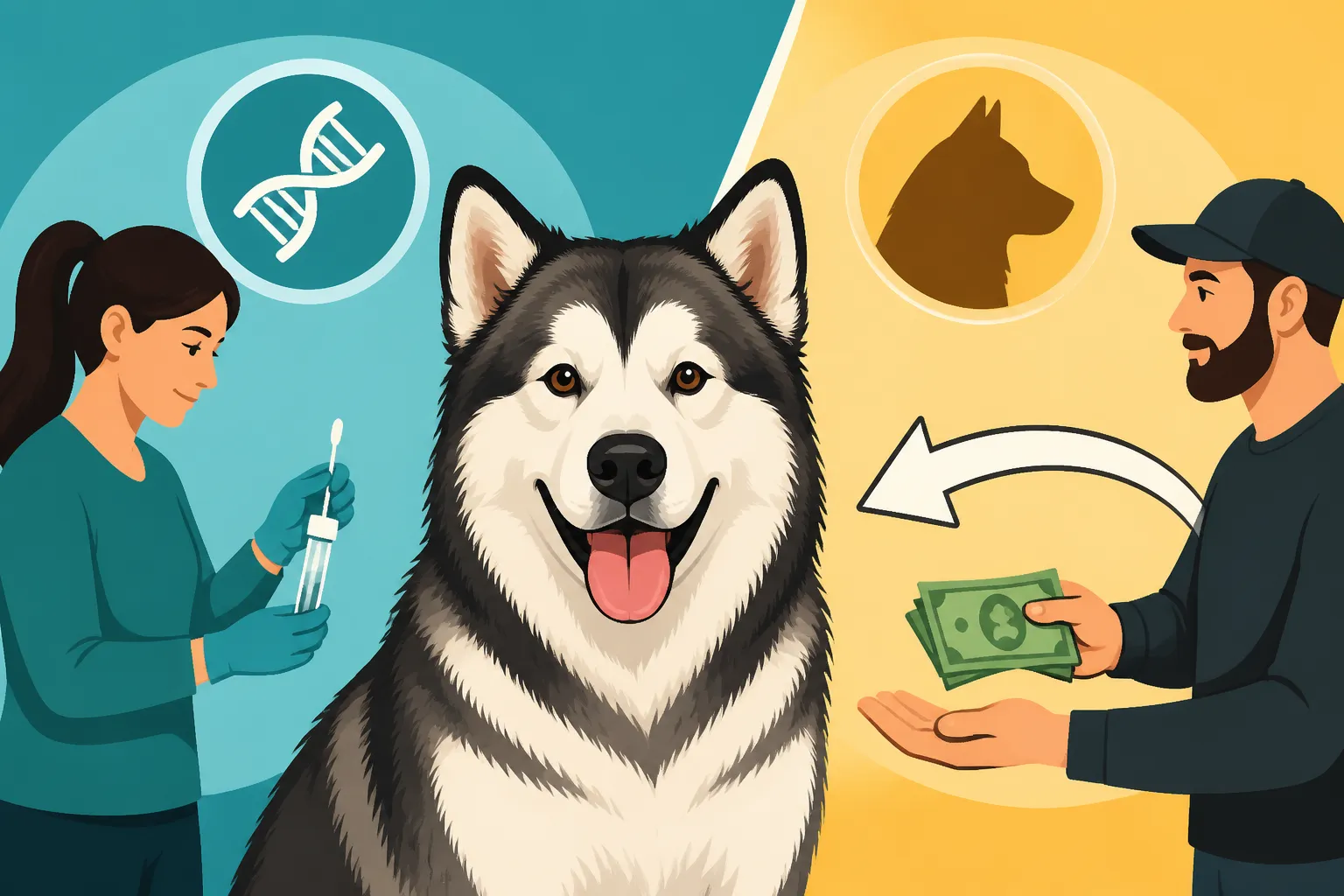
So, to directly answer the burning question: yes, absolutely, a responsible Alaskan Malamute breeder will pass the costs of DNA testing on to you. It's not a matter of whether they do, but how transparently they do it, and how these costs are integrated into the overall price of a puppy. These aren't insignificant expenses for a breeder; they are a necessary part of producing healthy, well-adjusted puppies. Expecting a breeder to absorb these costs entirely, year after year, for multiple breeding dogs, is unrealistic if you want them to continue breeding responsibly and ethically.
How Test Costs Are Integrated into Puppy Price
Most reputable breeders don't present an itemized list of "DNA test fees" as a separate charge when you pick up your puppy. Instead, the costs of health testing, including all the specific DNA panels for things like polyneuropathy and day blindness, are simply factored into the overall price of a well-bred puppy. This comprehensive price covers far more than just the DNA tests. It includes the stud fees, veterinary check-ups for the mother during pregnancy, high-quality nutrition for the pregnant and nursing dam, puppy vaccinations, deworming, microchipping, initial vet checks for the litter, proper socialization, and all the time and effort invested by the breeder. Think of it as a complete package for a healthy start. If you encounter a breeder offering a puppy at a significantly lower price than the breed standard, it's often a red flag that corners have been cut, and often, health testing is the first thing to go. Whether a Cheap Malamute Skipped DNA Testing is a critical read if you're tempted by a low price.
| Test Type | What it Screens For | Why it's Crucial for Malamutes |
|---|---|---|
| DNA Panel (e.g., Embark) | Inherited Polyneuropathy, Day Blindness, Chondrodysplasia | Prevents debilitating and vision-impairing conditions |
| OFA Hips and Elbows | Hip and Elbow Dysplasia | Crucial for a working breed prone to joint issues |
| OFA Eye Certification (CERF) | Progressive Retinal Atrophy, Cataracts, Glaucoma | Ensures good vision throughout the dog's life |
| Thyroid Panel | Hypothyroidism | Common endocrine disorder affecting energy & coat |
Transparency and Itemized Costs
While the DNA test costs are usually rolled into the total puppy price, a truly transparent and ethical breeder will be more than willing to discuss these costs with you. They should be able to tell you exactly which DNA tests they perform, which laboratories they use (like Paw Print Genetics or Embark), and even show you the official results for both parent dogs. This level of openness is a hallmark of a breeder who has nothing to hide and who is genuinely invested in the health of their lines. They won't just say "our dogs are health tested"; they'll provide proof. Some breeders might even offer an estimate of what these specific tests cost them, helping you understand the financial outlay on their end. For example, What the Malamute Polyneuropathy Test Costs can give you an idea of one component. When a breeder is upfront about these details, it builds trust and demonstrates their commitment to placing healthy puppies in loving homes, rather than simply making a quick sale. This is a far cry from someone who just gives you a number and avoids any questions about specifics.
The Breeder's Investment: Beyond the Initial Swab
The expense associated with DNA testing is just one piece of a much larger puzzle of responsible breeding. It's easy for potential buyers to focus solely on the puppy price, but understanding the full scope of a breeder's financial and emotional investment helps put the cost of health testing into perspective. This investment ensures that the puppy you bring home has the best possible start in life, free from preventable genetic burdens.
Beyond DNA: Other Health Clearances
While DNA tests are vital for specific genetic diseases, a comprehensive health program for Alaskan Malamutes extends far beyond a simple cheek swab. Reputable breeders also pursue physical health clearances for conditions that are multifactorial (influenced by genetics and environment) or not yet linked to specific DNA markers. This typically includes evaluations for hip and elbow dysplasia through organizations like the Orthopedic Foundation for Animals (OFA). For a large, powerful breed like the Malamute, healthy joints are paramount, especially if you plan for your dog to participate in activities like carting or hiking. Hip Dysplasia in an Alaskan Malamute is a common concern. Eye examinations by a board-certified veterinary ophthalmologist, often referred to as CERF (Canine Eye Registry Foundation) exams, are also standard to screen for conditions like cataracts or progressive retinal atrophy. These physical clearances often involve sedation and specialized veterinary visits, adding another layer of significant cost and effort for the breeder. When a breeder meticulously undertakes all these clearances, they are dramatically increasing the odds of a long, healthy life for their puppies. This is why companies like Healthy Paws, offering pet insurance, become so important for owners, providing peace of mind against unforeseen health issues even with the best breeding practices.
The Breeder's Investment in a Litter
A high-quality Alaskan Malamute puppy's price reflects the entirety of the breeder's commitment, not just the cost of a few tests. Consider the breeder's efforts: selecting appropriate breeding stock from proven lines, often involving travel and stud fees; providing top-tier nutrition for the dam during gestation and lactation (think premium kibbles from brands like Chewy, or even fresh food options like Ollie); meticulous care during whelping; and the demanding task of raising puppies from birth to eight weeks. This includes round-the-clock monitoring, early neurological stimulation, socialization with people and other animals, and careful observation of individual temperaments. Then there are the practical aspects: vet visits for the entire litter, initial vaccinations, deworming protocols, microchipping, and the creation of a comprehensive puppy packet for each new owner. All of these elements require substantial financial outlay, time, and expertise. When you choose a puppy from a breeder who has made all these investments, you're not just buying a dog; you're buying peace of mind, decades of experience, and a strong foundation for your Malamute's future. It's a testament to their dedication to the breed, ensuring that the puppies they produce are not only physically sound but also mentally prepared to thrive in their new homes. The Health Tests Both Alaskan Malamute Parents Should Have underscores the scale of this investment.
Finding a Transparent Breeder Who Values Health
Navigating the world of dog breeders can feel overwhelming, especially with so much conflicting information out there. However, focusing on transparency and a breeder's commitment to health testing, including DNA panels, is one of the most reliable ways to ensure you're making a responsible choice. A good breeder will welcome your questions and provide clear, verifiable answers. They see themselves as guardians of the breed, not just sellers of puppies.
Questions to Ask a Prospective Breeder
When you're speaking with a potential Alaskan Malamute breeder, don't be shy about asking direct questions regarding their health testing protocols and how those costs are managed. Here are some key questions:
- "What specific DNA tests do you perform on your breeding dogs, and for which conditions?" They should be able to name Polyneuropathy, Day Blindness, and Chondrodysplasia at a minimum.
- "Can I see copies of the health clearances for both parents, including their DNA test results?" Reputable breeders will have these readily available, often with OFA or other public database numbers. Whether a Malamute Buyer Can See the Breeder's Results highlights why this is important.
- "What age are your breeding dogs when you get their hip and elbow clearances?" For OFA, it should be after 24 months.
- "Do you screen for other genetic conditions or diseases common in Malamutes beyond DNA panels?" This shows their comprehensive approach.
- "How do you incorporate the cost of these tests into your puppy prices, and are you willing to discuss the general financial investment involved?"
A confident, transparent breeder will answer these questions openly and without hesitation. They might even initiate the conversation themselves. Be wary of breeders who are vague, defensive, or dismissive of your concerns. This could indicate a lack of testing or an unwillingness to be honest about their practices.
The Value of a Health-Tested Puppy
Ultimately, the slightly higher initial cost of a health-tested Alaskan Malamute puppy is an investment that pays dividends throughout your dog's life. While no breeder can guarantee a dog will never have a health issue – genetics are complex, and environmental factors play a role – purchasing from a breeder who extensively health tests significantly reduces the risk of inherited diseases. This means less emotional stress for you, fewer unexpected and costly veterinary bills, and a higher probability of a long, happy, and healthy life for your Malamute. Imagine the peace of mind knowing you've done everything possible to mitigate genetic risks.
Moreover, supporting ethical breeders who prioritize health testing helps to improve the breed as a whole. Every puppy born from health-tested parents contributes to a stronger, healthier gene pool for future generations of Alaskan Malamutes. This collective effort ensures that the breed continues to thrive for years to come. When you're considering the price, remember you're not just paying for a puppy; you're investing in responsible breeding practices, the well-being of your future companion, and the integrity of the Alaskan Malamute breed. Whether an Untested Alaskan Malamute Litter Is Worth Buying delves into the true cost of cutting corners.
Disclaimer
This article is for general informational purposes only and does not constitute professional advice. Laws, prices and regulations vary by location and change over time. Consult a qualified professional for guidance on your specific situation.