What a Groomer Adds for a Malamute’s Undercoat
If you're an Alaskan Malamute owner, you know the struggle: that endless cascade of fur, especially during a "coat blow." You might be wondering why taking your majestic fluffball to a professional groomer often comes with an additional charge for tackling that incredible undercoat. It’s a completely valid question, and one that most Malamute parents grapple with. This guide will walk you through exactly what those extra charges entail, the specialized care your Malamute receives, and whether investing in professional undercoat management is the right choice for you and your furry companion.
Understanding the Malamute's Unique Undercoat
Let's face it, the Alaskan Malamute isn't just any dog. They were bred for a purpose – to work in the harsh, freezing conditions of the Arctic. And their coat is their armor, meticulously designed by nature for survival. This isn't just about a bit of fuzz; it's a double coat of epic proportions, and understanding its structure is key to appreciating why grooming it is such a specialized task.
The Purpose of That Double Coat
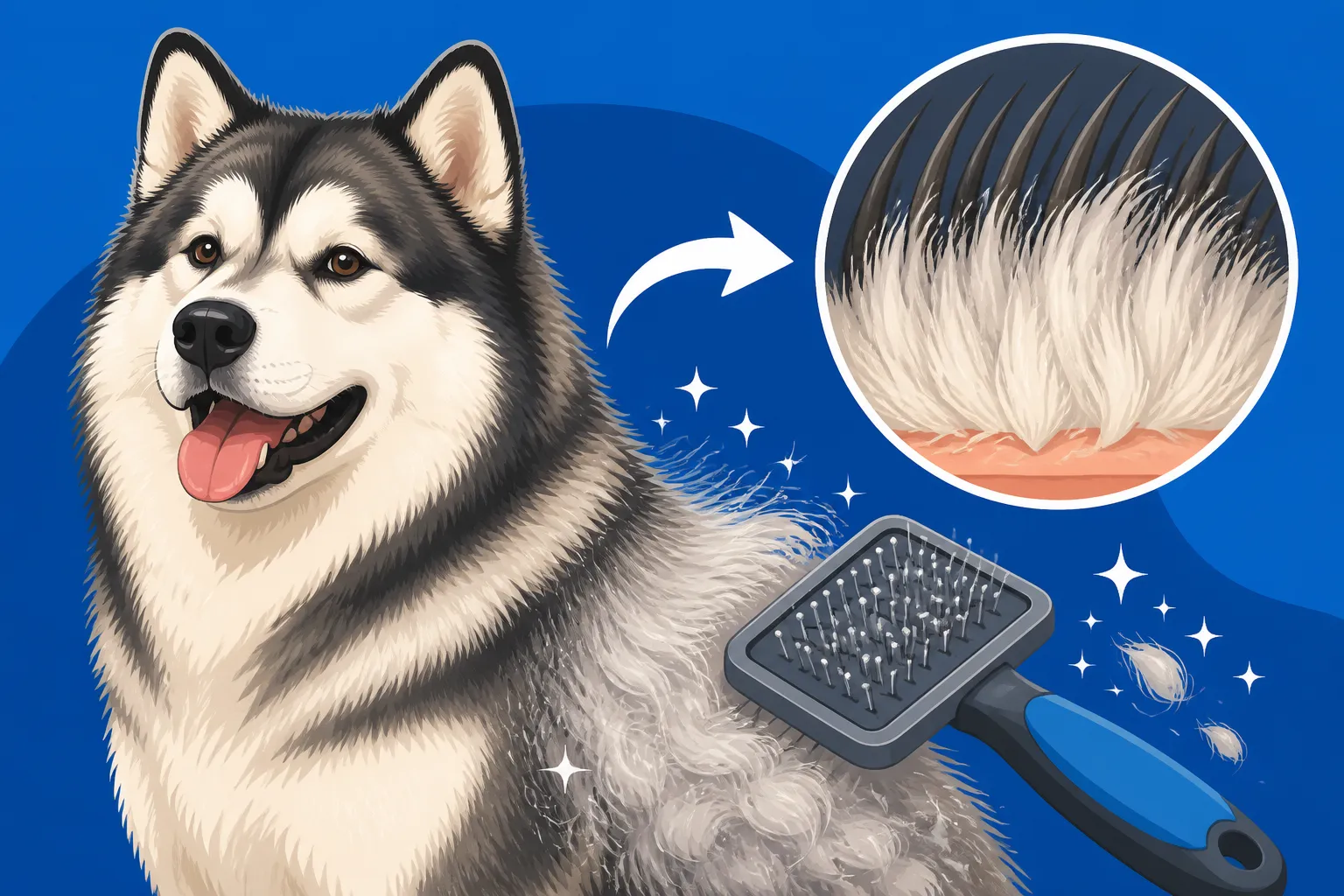
Your Malamute's coat consists of two distinct layers: a coarse, thick outer guard coat and an incredibly dense, woolly undercoat. The outer coat acts like a shield, protecting against snow, ice, and wetness, much like a waterproof jacket. It's designed to shed moisture and dirt, keeping the dog's skin dry underneath. Think of it as their first line of defense against the elements, preventing snow from packing into their fur or rain from soaking them to the bone.
Beneath this protective outer layer lies the true hero of Arctic insulation: the undercoat. This soft, downy layer is unbelievably thick, often an inch or two deep, and its primary job is to trap warm air close to the dog's body, providing unparalleled warmth in sub-zero temperatures. It’s like wearing multiple thermal layers – incredibly effective for keeping them toasty when the mercury plummets. This is why you'll often see them blissfully snoozing in a snowdrift, utterly unbothered by the cold.
The Phenomenon of the "Coat Blow"
Twice a year, usually in spring and fall, your Malamute undergoes what's lovingly (or perhaps exasperatedly) known as a "coat blow." This is when they shed their entire undercoat in preparation for the upcoming season. It’s not just shedding; it’s an explosion of fur. Imagine a dog equivalent of winter tires coming off in spring and summer tires coming off in fall, but with vastly more dramatic results. You'll find tumbleweeds of fur accumulating in every corner of your home, and brushing seems to produce an endless supply. The Malamute Coat Blow That Fills a Vacuum in an Afternoon is a very real, very common experience for Malamute owners.
During these periods, the old, dead undercoat needs to be removed to allow new, healthy fur to grow in. If this old fur isn't thoroughly brushed out, it can quickly become matted, especially in areas like behind the ears, armpits, and around the tail. These mats aren't just unsightly; they can pull on the skin, cause discomfort, trap moisture, and lead to skin irritations or even infections. It's a critical time for intense grooming, which is precisely why professional help becomes so valuable. The sheer volume of fur can be overwhelming, making thorough removal a multi-hour task for even the most dedicated owner.
The Specific Services a Professional Groomer Offers for Undercoats
When you bring your Malamute to a professional groomer, they're not just giving them a quick brush. They're employing a strategic, multi-step process specifically designed to tackle that formidable undercoat, ensuring your dog is comfortable, healthy, and looking their best. These specialized services are what often contribute to the additional costs.
Deep Cleaning and Deshedding Treatments
The process usually begins with a thorough bath. But it's not just any shampoo. Groomers often use specialized deshedding shampoos and conditioners that are formulated to help loosen and release the dead undercoat. These products typically contain ingredients designed to strengthen the hair follicle and reduce shedding. The groomer works these products deep into the thick fur, ensuring every inch of that dense undercoat gets treated. This part of the bath isn't quick; it involves massaging, soaking, and often multiple rinses to ensure all product and loose fur are removed.
After the bath, the real magic (and effort) begins with the drying process. A professional groomer uses high-velocity force dryers, which are incredibly powerful air blowers. These aren't just for drying; they are crucial for literally blasting out the loose undercoat. The force of the air separates the hair strands, pushing the dead fur out from the healthy coat. This step is incredibly effective, often removing astonishing amounts of hair that traditional towel drying and brushing simply cannot reach. What a Force Dryer Does for a Malamute's Coat Blow is truly transformative, and you'll be amazed at the mountains of fur that come off.
Specialized Brushing and Demolting Techniques
Once the dog is thoroughly dry, the groomer moves on to specialized brushing techniques. They don't just use a generic brush; they employ a range of tools, including undercoat rakes, slicker brushes, and sometimes even specific deshedding tools like a de-shedding blade or rake. Which Brush Gets Through a Malamute's Undercoat is a science, and professionals know exactly which tool to use for each area of the dog's body and coat condition. They work section by section, carefully removing every last bit of loose undercoat without damaging the healthy fur or irritating the skin. This systematic approach is key to achieving a truly deep deshed.
This process is often referred to as "demolting" – actively working to remove the molted (shed) undercoat. It’s distinct from simple "dematting," though a groomer will certainly address any mats found during the demolting process. Dematting, when mats are already tight and numerous, can be a time-consuming and delicate operation, sometimes requiring careful clipping or specialized conditioners to loosen them. The goal of demolting is preventative, aiming to remove the loose undercoat before it can form painful mats. The amount of hair removed can be staggering, often enough to make a whole new dog! How Much Undercoat Comes Off an Alaskan Malamute after a professional deshed is something you truly have to see to believe.
Why a Groomer Charges More for Undercoat Services
It’s completely understandable to look at a groomer's bill and wonder why the price for your Malamute is often significantly higher than for, say, a Beagle or a Labrador. The answer lies in the sheer scale of the task and the specialized expertise required to do it correctly and safely for a breed like the Alaskan Malamute. It's not just about the size of the dog; it's about the complexity of their coat.
Time, Tools, and Expertise
Grooming an Alaskan Malamute, especially during a coat blow, is a monumental undertaking that demands a significant investment of time. Where a smaller, short-haired dog might take an hour or two, a Malamute can easily take three, four, or even five hours from start to finish. This is due to the multi-step process of bathing, force drying, and meticulous hand-brushing. Every minute a groomer spends on your dog is a minute they could be grooming another client, so their pricing reflects this extensive time commitment. How Long a Malamute Coat Blow Takes to Brush Out can be an entire afternoon for a professional, let alone an amateur.
Beyond the time, groomers invest in high-quality, specialized tools designed for dense double coats. These aren't your average drugstore brushes. Professional force dryers, specialized shampoos, conditioners, and a variety of rakes and brushes built to withstand heavy use are all significant expenses. Moreover, these tools wear down and need to be replaced. But most importantly, it's the groomer's skill and expertise that command the premium. They understand Malamute coat structure, know how to use the tools effectively without causing skin irritation or coat damage, and can identify potential skin issues hidden beneath that thick fur. They know how to handle a large, sometimes opinionated, dog for extended periods in a way that keeps both the dog and themselves safe.
The Sheer Volume of Hair and the Mess
Let’s be honest: a Malamute coat blow generates enough fur to knit a small army of smaller Malamutes. This volume isn’t just a challenge to remove; it’s a challenge to contain and clean up. Grooming a Malamute creates an enormous amount of airborne hair, which gets everywhere. This requires extensive cleaning of the grooming salon, including vacuuming, sanitizing equipment, and filtering the air. This added clean-up time and the wear and tear on their equipment (think clogged vacuum filters and brushes needing frequent replacement) are factored into the cost.
Furthermore, attempting to cut corners or rush the process can lead to serious problems. Improper or insufficient undercoat removal can lead to matting, skin infections, and discomfort for the dog. Shaving a Malamute, for instance, is almost universally discouraged by ethical groomers and veterinarians because it can permanently damage their double coat, impairing its ability to regulate temperature and provide sun protection. Why an Alaskan Malamute Must Never Be Shaved is a crucial piece of knowledge for any groomer dealing with this breed. The extra cost ensures the job is done right, with the dog's health and comfort as the top priority, using methods that respect the integrity of their magnificent coat.
The Value Proposition: Is Professional Undercoat Grooming Worth the Extra Cost?
After understanding the effort involved, the big question remains: is paying extra for professional undercoat grooming truly worth it? For many Malamute owners, the answer is a resounding yes, both for the dog's well-being and for their own peace of mind (and cleaner home!).
Benefits for Your Malamute's Health and Comfort
First and foremost, professional undercoat grooming significantly benefits your Malamute's health and comfort. A thorough deshedding removes dead hair that would otherwise trap heat, making your dog much more comfortable, especially as warmer weather approaches. This is incredibly important for a breed prone to overheating. It also prevents matting, which can be painful, restrict movement, and lead to skin problems like hot spots or infections. Groomers can also spot potential skin issues, lumps, or parasites that might be hidden beneath the dense fur, allowing for early veterinary intervention if needed.
Regular, professional care ensures their coat can do its job effectively, whether that's insulating in winter or allowing airflow in summer. While pet insurance like Healthy Paws is invaluable for covering unexpected medical issues or accidents, it generally won't cover routine grooming. However, preventing skin issues or discomfort through good grooming practices can certainly contribute to your dog's overall health and potentially reduce the need for veterinary visits related to neglected coat conditions.
Benefits for the Owner and Household
Let's be honest, the shedding can be relentless. While you'll still experience some shedding even after a professional groom, a deep deshedding session drastically reduces the amount of loose hair flying around your home for weeks, sometimes months, afterwards. This means less vacuuming, fewer fur tumbleweeds, and a generally cleaner living environment. For owners, this is a huge relief, saving countless hours they would otherwise spend battling fur.
Beyond the cleanliness, it saves you the physical effort and time of trying to achieve the same results at home. While daily or weekly brushing is still essential (and you can find great tools on sites like Chewy to help with this), a professional deep clean tackles the root of the problem more effectively than most home setups can manage. It also means you're less likely to deal with the stress and discomfort of trying to demat a large dog yourself. Consider it an investment in your sanity and the overall harmony of your home.
When to Prioritize Professional Grooming
Professional grooming is particularly beneficial during the intense shedding periods of a Malamute's "coat blow." If you find yourself overwhelmed by the sheer volume of hair, or if your Malamute is starting to develop mats, it's definitely time to call a groomer. For many owners, a professional groom every few months, coinciding with their dog's shedding cycles, strikes a good balance between cost and effectiveness.
| Feature | DIY Undercoat Grooming | Professional Undercoat Grooming |
|---|---|---|
| Effort/Time | High (multiple hours, often spread over days) | Moderate for owner (drop-off/pick-up), High for groomer |
| Effectiveness | Variable; depends on tools, skill, and dog's cooperation | High; thorough removal of loose undercoat |
| Tools Needed | Undercoat rake, slicker brush, force dryer (optional/costly) | Professional-grade deshedding tools, high-velocity force dryer |
| Cost | Initial investment in tools, ongoing shampoo/conditioner | Per-session fee, typically higher due to specialized service |
| Benefits | Bond with dog, control schedule | Less home mess, prevents mats, skin health, expert care |
| Drawbacks | Messy, time-consuming, potential for incomplete removal | Cost, relies on groomer's availability |
| Ideal For | Regular maintenance, small shedding | Deep deshedding, major coat blows, mat prevention, busy owners |
Ultimately, the decision comes down to your individual circumstances, budget, and comfort level. A well-nourished Malamute, fed high-quality food (like those from brands such as Ollie which prioritize whole ingredients), will generally have a healthier coat that might be slightly easier to manage. However, even with the best diet and diligent home brushing, the Malamute's undercoat is a force of nature. For many, the peace of mind and the relief from fur overload make the groomer's added charge for undercoat management an invaluable service. The Full Cost of Twelve Years With an Alaskan Malamute is significant, and grooming is an important part of that budget, contributing to a healthy and happy life for your companion.
Disclaimer
This article is for general informational purposes only and does not constitute professional advice. Laws, prices and regulations vary by location and change over time. Consult a qualified professional for guidance on your specific situation.