Why a GPS Collar Is Essential for a Malamute
Few things are more terrifying for an Alaskan Malamute owner than realizing your beloved, giant fluffball has vanished. Whether it’s a slipped collar, a dug-out fence, or a sudden dash after a squirrel, these powerful, independent dogs are escape artists par excellence. This guide will meticulously explain why a GPS collar isn't just a fancy accessory, but an utterly essential piece of safety equipment for every Malamute.
The Inherent Wanderlust of the Alaskan Malamute
Owning an Alaskan Malamute means understanding that their desire to roam isn't a behavioral flaw; it's a deeply ingrained part of their heritage. These dogs were quite literally bred to travel, to explore, and to operate with a significant degree of independence from their human companions. This foundational aspect of their temperament is why they can be such a challenge to keep contained and why a GPS collar becomes a non-negotiable tool.
Bred for Distance and Independence
Imagine the Mahlemut people, who originally developed these magnificent dogs. Their lives depended on their Malamutes' ability to cover vast distances, often through harsh Arctic terrain, pulling heavy loads or finding food. These dogs weren't typically tethered to a single spot for long; they were partners in survival, ranging widely to hunt or to follow trails. This history means that a Malamute's brain is wired for exploration, for seeing what's over the next hill, and for trusting its own instincts. It's not malicious or disobedient; it's simply fulfilling its genetic destiny.
This deep-seated instinct can be incredibly frustrating for modern owners. You might have the most secure yard, the tallest fence, and a dog who appears perfectly happy at home, but that innate urge to investigate can kick in at any moment. A scent on the wind, a sound from the woods, or even just a fleeting desire for novelty can compel them to find a way out. They are not like some other breeds that prefer to stay close to their human pack; a Malamute might decide the entire neighborhood, or beyond, is their personal territory to explore. It’s why posts on social media are filled with owners desperately asking, How Far a Loose Alaskan Malamute Travels. The answer is often "farther than you'd think, and faster."
A Prey Drive That Overrides All Training
Beyond the desire to explore, Malamutes possess a remarkably strong prey drive. This isn't just a casual interest in chasing squirrels; it's a serious instinct, honed over centuries, for identifying, pursuing, and, if caught, dispatching small game. While domestic life means they aren't hunting for survival daily, the urge remains powerfully intact. A quick flash of a rabbit, the rustle of a squirrel in the leaves, or the distant silhouette of a deer can instantly transform your calm companion into a primal hunter.
When that prey drive kicks in, almost all other training, no matter how consistent, can temporarily vanish. Your Malamute might have a fantastic recall in a controlled environment, but the scent or sight of prey can overwhelm every learned command. They simply switch into "hunt mode," and their focus becomes singularly fixed on the chase. This means even if you're out walking in what seems like a secure area, a moment's distraction – or an unexpected encounter with wildlife – can send your Malamute bolting. The terror of watching your dog disappear into the distance, completely deaf to your frantic calls, is a feeling no Malamute owner wants to experience. This powerful instinct is exactly How Strong a Malamute's Prey Drive Is, and it's a force to be reckoned with. Imagine the sheer speed and single-mindedness if they spot something they perceive as prey; they'll be out of sight before you can even register what happened.
Why Traditional ID Methods Fall Short
In our modern world, we have standard protocols for identifying our pets: tags and microchips. While these are absolutely vital and should never be skipped, they have significant limitations when it comes to actively locating a lost Alaskan Malamute. They are passive identification systems, relying entirely on someone else finding your dog and taking action.
Tags and Microchips: Necessary but Not Sufficient
Dog tags are wonderful. They clearly display your contact information, allowing a kind stranger to quickly call you if they find your Malamute wandering. Microchips are even better, providing a permanent, unalterable form of identification that can be scanned by any vet or shelter. Both are non-negotiable layers of protection. However, neither a tag nor a microchip will tell you where your Malamute is right now. They won't send you an alert the moment your dog slips through an open gate, nor will they guide you through the woods to where your intrepid explorer has ventured.
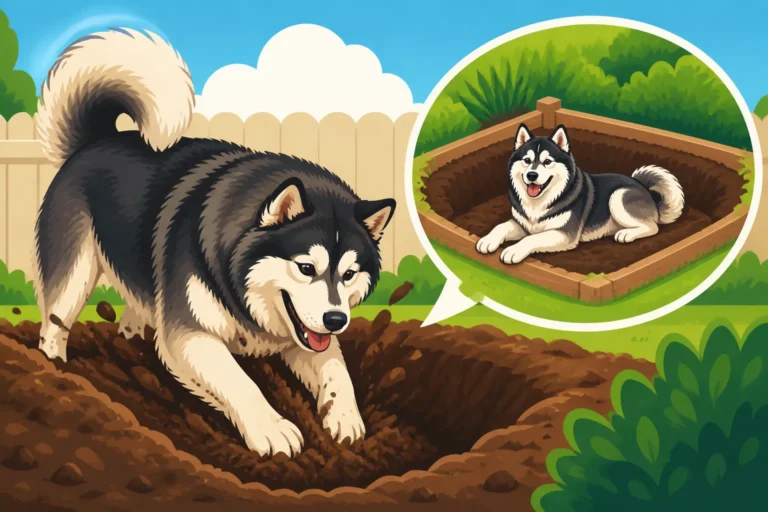
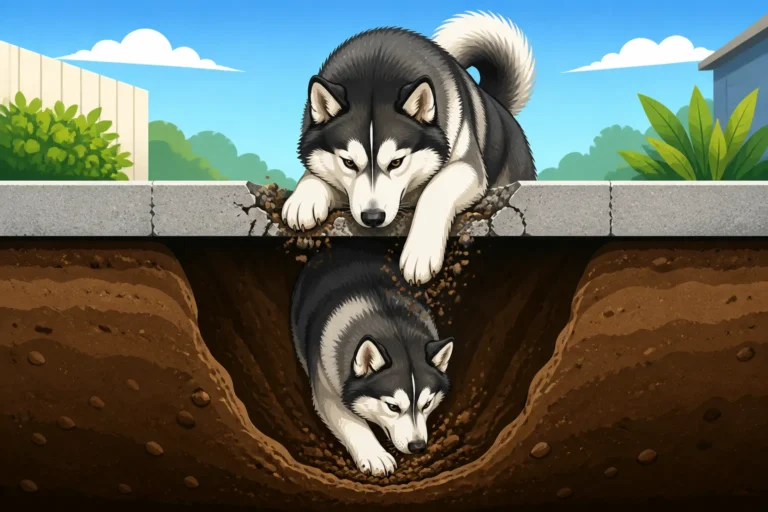
Think about the sheer panic that sets in when you realize your dog is gone. You're calling their name, frantically searching your yard, driving aimlessly through local streets. With only tags and a microchip, all you can do is wait, hope, and put up "Lost Dog" posters. This agonizing period of uncertainty can stretch for hours or even days. If your Malamute has managed to escape the yard – perhaps by digging a remarkably deep tunnel, as explored in How Far Down a Malamute Will Dig, or by simply being a master of gates and latches – they could be miles away. A tag can fall off, or become unreadable if your dog gets wet or muddy. A microchip is only useful after your dog has been found by someone who then takes them to a facility with a scanner. In the crucial first hours after an escape, when every minute counts, these traditional methods offer no proactive help in locating your pet.
The Futility of a "Reliable" Recall
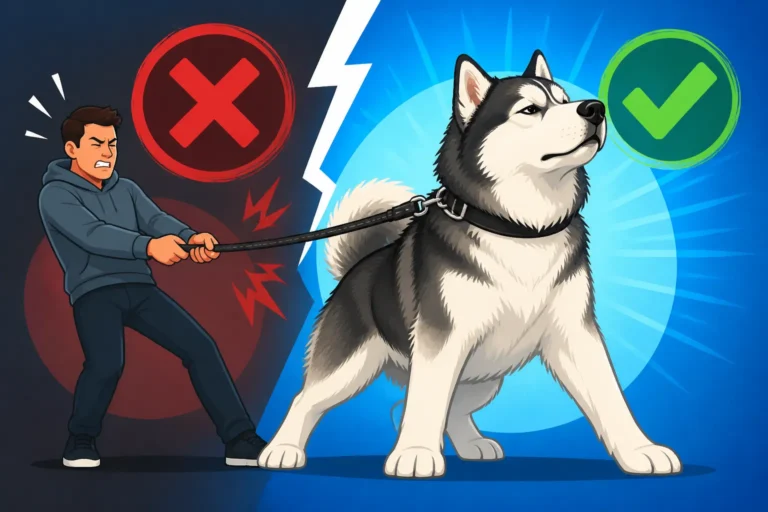
We all strive for that perfect recall with our dogs, and with many breeds, it's an achievable goal. With an Alaskan Malamute, however, the concept of a "reliable recall" often takes on a different meaning, especially when their instincts are fully engaged. These dogs are incredibly intelligent and can absolutely learn commands. They know what "come" means, and they might even perform it beautifully in a training class or your living room. The problem arises when something more compelling than your voice enters the picture.
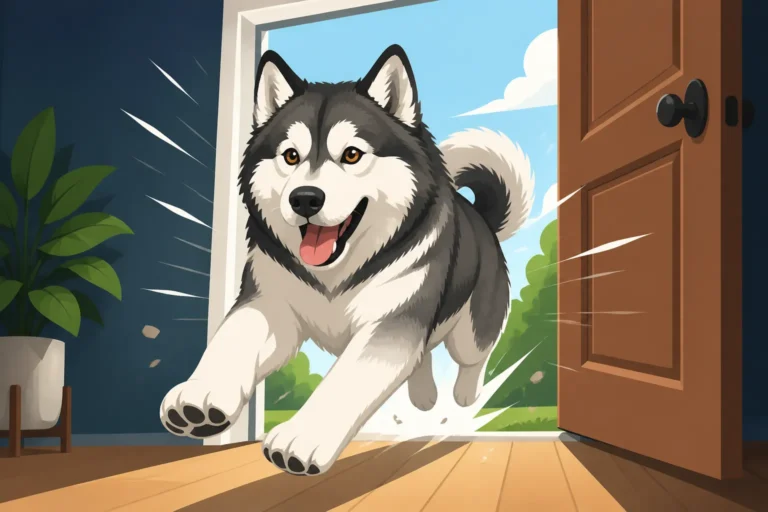
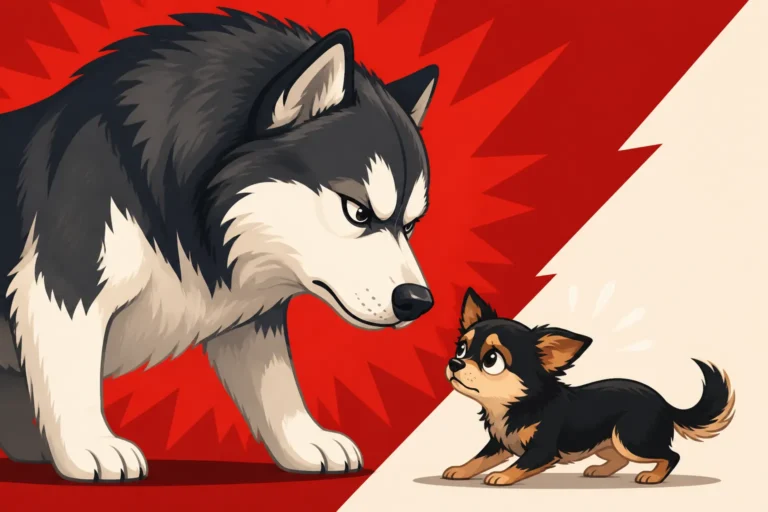
A Malamute's independence and ancestral drive can often lead them to make their own decisions in the moment. You might call, and they might even register it, but if they're hot on the trail of a scent, engaging in an interesting exploration, or chasing after a perceived threat (like another dog they decide they don't like, a common issue discussed in How Common Dog Aggression Is in Alaskan Malamutes), your voice becomes background noise. The moment they bolt through an open door, as detailed in The Malamute That Bolts Through an Open Door, or find a weakness in your fencing, their priority shifts from "obey human" to "explore/hunt/run free." This isn't a sign of poor training on your part, necessarily. It's a testament to the Malamute's strong will and independent nature. Even with consistent positive reinforcement training, like that often advocated by programs, you're still contending with thousands of years of evolutionary programming. Many Malamute owners, despite their best efforts and excellent training, discover that Why an Alaskan Malamute Will Never Have a Reliable Recall is a hard truth. This inherent trait makes a backup like a GPS collar indispensable.
How GPS Collars Provide Peace of Mind
Given the Malamute's natural tendencies, traditional methods of identification, while essential, simply aren't enough to prevent the terrifying experience of a lost dog. This is where GPS collars become not just useful, but truly life-changing, offering a proactive solution to a pervasive problem.
Real-Time Tracking and Geofencing
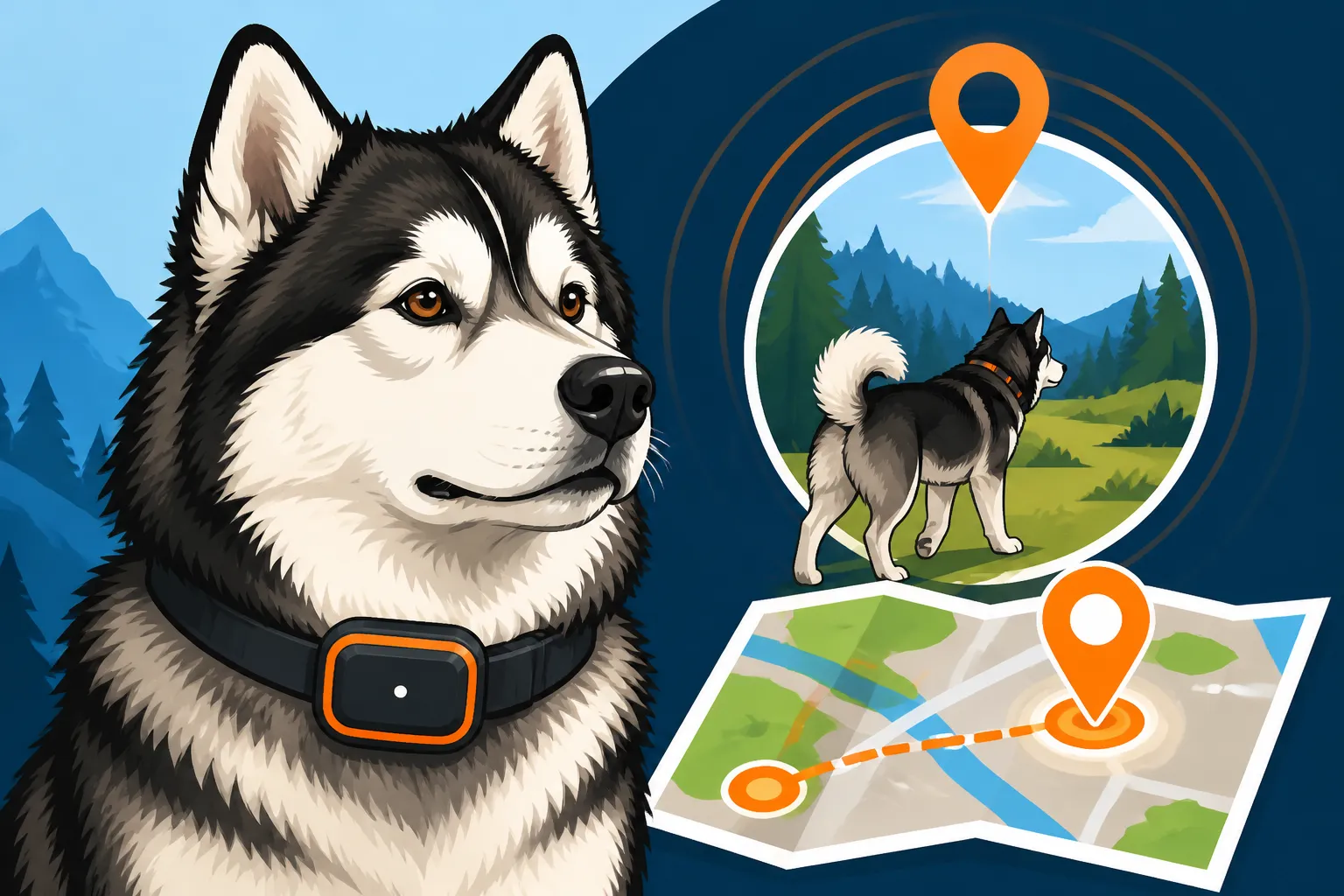
The primary and most invaluable feature of a GPS collar is its ability to provide real-time location tracking. Imagine the scenario: you let your Malamute out into the yard, turn your back for a moment, and when you look again, they're gone. Instead of succumbing to panic and aimless searching, you can simply pull out your smartphone, open the companion app for your GPS collar, and see exactly where your dog is on a map. This immediate, actionable information is a game-changer. It transforms a terrifying unknown into a solvable problem.
Many modern GPS collars also come with "geofencing" capabilities. This allows you to set virtual boundaries around safe areas – your backyard, a designated dog park, or even your campsite. If your Malamute crosses this invisible boundary, you receive an instant alert on your phone. This means you know the moment they've left your property, rather than discovering it hours later. This early warning system can mean the difference between a quick retrieval and a frantic, days-long search across county lines. You can head directly to their location, rather than wasting precious time canvassing the neighborhood. For a breed known for its escape artistry and independent nature, like one that might escape a standard fence, or even render an Whether an Invisible Fence Is Wasted Money on a Malamute, this immediate notification system is invaluable. Many reliable GPS devices can be found and reviewed on platforms like Amazon, offering a variety of features suitable for a robust Malamute.
Features Beyond Basic Location
While real-time tracking is undoubtedly the star feature, many GPS collars offer a suite of additional functionalities that enhance their value for Malamute owners. Some collars include activity monitoring, tracking your dog's steps, sleep patterns, and overall activity levels. This data can be incredibly useful for monitoring their health, ensuring they're getting enough exercise, or noticing subtle changes that might indicate a health issue. While not directly related to finding a lost dog, it adds another layer of insight into your Malamute's well-being.
Another important aspect is the durability and battery life of these devices. For an Alaskan Malamute, known for their love of the outdoors and their rugged play, any collar needs to withstand significant wear and tear. Modern GPS collars are designed to be waterproof, shockproof, and generally robust enough to handle the adventures a Malamute will inevitably get into. Battery life has also seen significant improvements, with many models offering multiple days of tracking on a single charge, which is crucial if your dog decides to embark on a multi-day journey. Being able to continue tracking your dog for extended periods without needing to find and recharge the device is a huge relief. Think of the peace of mind knowing that even if your Malamute chases after a wild animal and ends up far from home, potentially causing a situation where Whether a Malamute Owner Is Liable for a Killed Cat could become a concern, you still have the means to locate them swiftly and prevent further incidents.
Choosing the Right GPS Collar for Your Malamute
Selecting a GPS collar isn't a one-size-fits-all situation, especially when you're outfitting a breed as unique and powerful as an Alaskan Malamute. Their specific needs require careful consideration of various features to ensure the collar is both effective and durable.
Key Features to Look For
When you're shopping for a GPS collar for your Malamute, certain features should be at the top of your list. First and foremost is durability. Your Malamute is a strong, active dog, prone to digging, rolling in dirt, swimming, and generally subjecting any gear to extreme conditions. The collar itself and the tracking device must be built to withstand this. Look for waterproof ratings, robust casings, and secure attachments that won't easily break or come undone. A flimsy collar or device will quickly prove to be a waste of money.
Battery life is another critical factor. While it's tempting to opt for a smaller, lighter device, this often comes at the cost of battery longevity. For a Malamute that could potentially wander far and wide, you need a device that can track for days, not just hours. Research models with extended battery life or swappable batteries to ensure continuous tracking capability.
Coverage is also paramount. Most GPS collars rely on cellular networks to transmit location data. Before purchasing, verify that the chosen device operates on a network with good coverage in your area, especially in the more rural or wild places you might take your Malamute for walks or adventures. Some trackers offer multi-network support, which can be a huge advantage. Finally, understand that most high-quality GPS tracking services require a subscription plan, similar to a cell phone. Factor this ongoing cost into your budget.
Fit and Comfort: While the technology is important, the collar must also be comfortable and secure for your dog. It shouldn't chafe, rub, or be so loose that it can slip off. Look for designs that integrate the GPS unit smoothly into the collar, reducing bulk and potential snagging points. Taking the time to read reviews and compare models, perhaps on platforms like Amazon, will help you find a robust option suitable for your Malamute's thick neck and powerful build.
Responsible Use and Limitations
It's crucial to understand that a GPS collar, while an incredible tool, is a safety net, not a substitute for responsible pet ownership. It complements, rather than replaces, other essential measures. This means maintaining secure fencing (even if your Malamute is a master excavator, as might be necessary to contain them when considering What a Malamute Does to a Yard), consistent training, and proper supervision. Even with the best training, it's vital to recognize your Malamute's inherent drives. Programs focused on positive reinforcement and building a strong relationship with your dog can certainly help manage behavior, but they cannot entirely eliminate the instinct to roam or chase.
Furthermore, GPS collars do have limitations. Signal loss can occur in extremely remote areas, deep canyons, dense forests, or indoors in buildings with thick walls. While technology is constantly improving, there might be moments or locations where the signal is temporarily interrupted. This underscores the need for multi-layered safety. Always ensure your Malamute wears traditional ID tags and is microchipped. Regularly check the GPS collar's battery, ensure it's charged, and perform routine maintenance. Think of the GPS collar as your technological guardian angel, ready to assist when all other efforts to contain or recall your Malamute might fail. It provides the best chance of quickly reuniting with your wandering companion, offering invaluable peace of mind in a world where a lost Malamute is a devastating thought.
Disclaimer
This article is for general informational purposes only and does not constitute professional advice. Laws, prices and regulations vary by location and change over time. Consult a qualified professional for guidance on your specific situation.