Whether an Alaskan Malamute’s Hair Weaves Into Carpet
If you're a proud Alaskan Malamute parent, you've undoubtedly experienced the relentless, all-consuming phenomenon known as "the fur storm." It’s not just shedding; it’s an atmospheric event that changes the very landscape of your home. One of the most common and truly frustrating battles is against that seemingly innocent Malamute hair, which doesn't just rest on your carpets, but often seems to permanently weave itself deep into the fibers, defying all conventional cleaning efforts. This guide is here to commiserate with your struggles and provide a deep dive into why this happens and what you can actually do about it.
The Unique Anatomy of a Malamute's Coat: A Furry Fortress
Understanding why Malamute hair becomes such an integral part of your carpet's fabric means first appreciating the incredible engineering of their double coat. This isn't just fluffy stuff; it's a meticulously designed system for survival in extreme Arctic conditions. When your Malamute blows its coat, it's not just a casual shedding; it's like a winter blizzard inside your home, leaving behind an astonishing volume of very specific types of hair that are perfectly evolved to interlock and insulate.
The Mighty Undercoat and Its Insulating Power
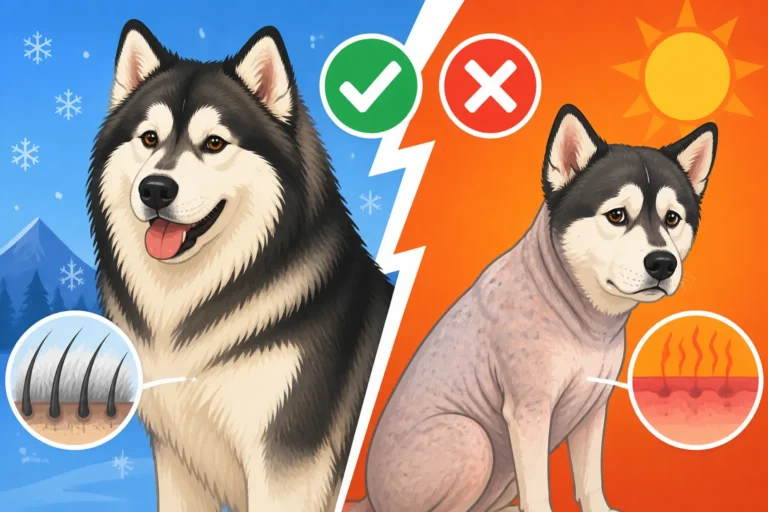
The undercoat is the real culprit here when it comes to carpet invasion. Picture a dense, soft, woolly layer, almost like cotton, that sits close to your Malamute's skin. Its primary job in the wild is to provide incredible insulation, trapping warm air and keeping your dog comfortable in sub-zero temperatures. When it comes time for The Months an Alaskan Malamute Blows Its Coat, this undercoat detaches in massive clumps, creating those signature "tumbleweeds" that roll across your floors.
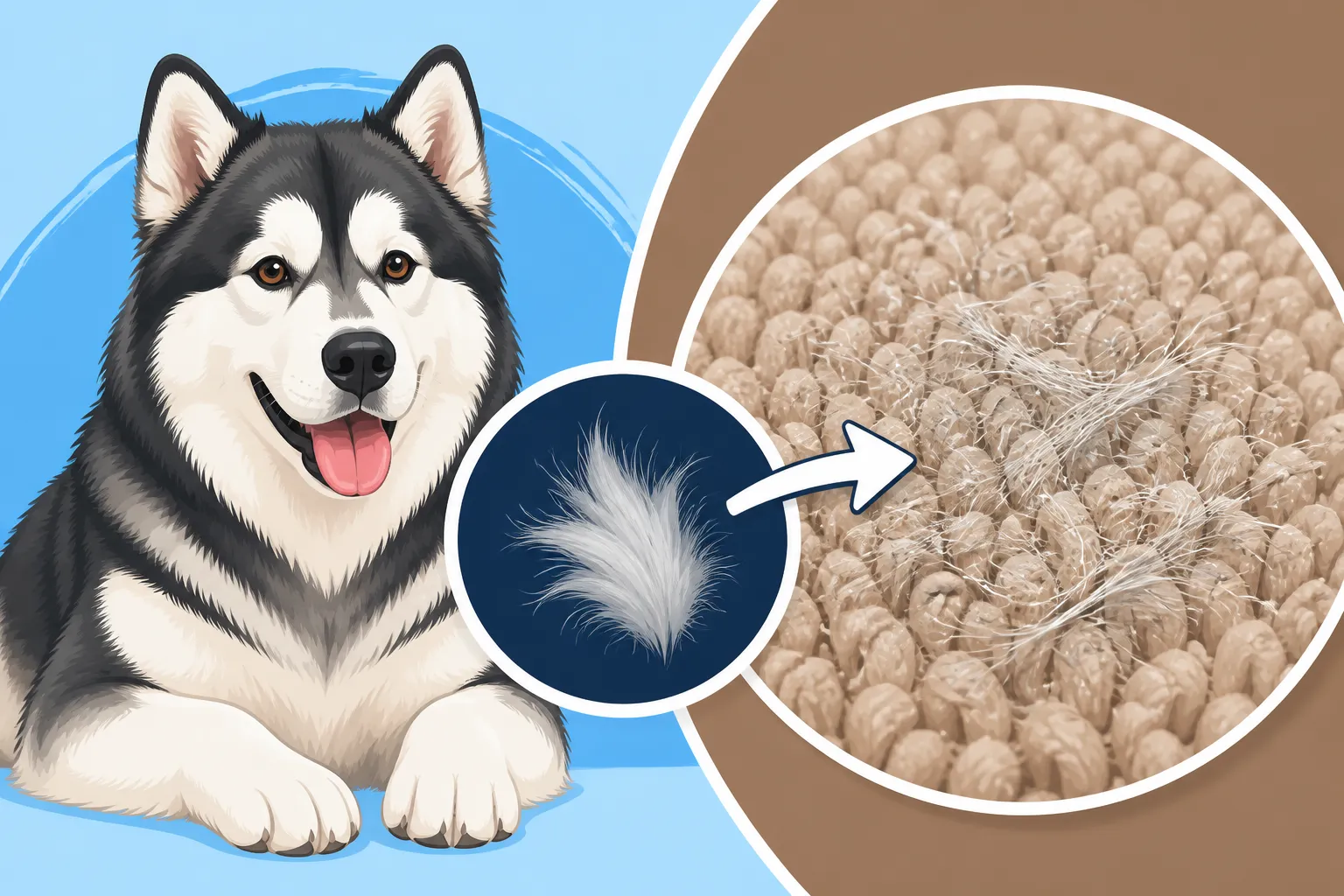
This isn't fine, wispy hair; it's typically thicker, with a slight crimp or curl to it. This texture is precisely what allows it to cling to other fibers so effectively. When it falls onto your carpet, it doesn't just lie there. As you walk across it, as air circulates, or as your Malamute rolls around, these individual strands get pushed down and intertwine with the carpet fibers. They become entangled, creating a felt-like layer that’s incredibly difficult to dislodge with a standard vacuum. It’s almost like the carpet is re-felting itself with Malamute fur.
The Guard Hairs: Stronger, but Still Stubborn
While the undercoat is the main offender for weaving, the guard hairs also play their part. These are the longer, coarser, and straighter hairs that form the outer layer of your Malamute's coat. They're designed to protect against snow, ice, and wind, providing a waterproof and durable exterior. These hairs are sleek and repel moisture, giving your Malamute that majestic, wild look.
When these guard hairs shed, they don't mat quite as easily as the undercoat, but their length and strength make them incredibly resilient. They can act like tiny needles, working their way deep into the carpet's backing, especially in cut-pile carpets where the loops have been sheared. Even though they might appear less voluminous than the undercoat, their rigid structure means they often resist being pulled out by weaker vacuum suction, remaining firmly embedded and poking out like stubborn bristles. You might not see them as much, but you'll certainly feel them if you're ever on your hands and knees.
The Battle for Your Carpet: How Malamute Hair Integrates
The sheer volume and unique properties of Malamute hair mean that conventional cleaning methods often fall short. It's not just about what comes off your dog, but how it interacts with the surfaces in your home, particularly your carpets. This isn't just a cleaning chore; it's an ongoing war of attrition against a natural phenomenon.
The Sheer Volume of the Coat Blow
Let's be realistic: a Malamute's coat blow is an event. It’s not a few stray hairs; it’s enough to make you wonder if you’ve somehow acquired a second, invisible Malamute that only exists to shed. During periods of heavy shedding, which typically happen twice a year, you can literally fill grocery bags with fur. This volume alone means that even with diligent brushing, a significant amount of hair will inevitably end up on your floors. We're talking about How Much Undercoat Comes Off an Alaskan Malamute in one session.
Imagine sweeping a massive pile of feathers; they don't just sit there neatly. They drift, they float, they settle everywhere. Malamute hair is similar, but heavier and more substantial. As it settles, particularly on carpeted areas, it begins its insidious work of intertwining. Every step you take, every gust of air from a window or heating vent, works to push those fibers deeper into the carpet pile. The more traffic an area sees, the more embedded the fur becomes, creating a dense, almost felted layer that can change the texture and even the color of your carpet.
The Static Cling and Fiber Lock
Beyond the sheer volume, static electricity plays a significant role in helping Malamute hair adhere to carpet fibers. Especially in drier climates or during winter months, static can turn your Malamute's fur into a magnet for textiles. This isn't just an inconvenience; it actually helps bond the fur to the carpet. The static charge creates a stronger attraction between the synthetic or natural fibers of your carpet and the fur, making it cling with remarkable tenacity.
Once the hair is attracted and settles, the physical structure of both the Malamute's hair and the carpet itself creates a "fiber lock." The slightly barbed texture of the undercoat, combined with the loops and twists of carpet fibers, means they interlock almost like Velcro. Think of it like a burr attaching to a wool sock. The more you try to vacuum over it with insufficient power, the more you might just be pushing and compacting the hair deeper into the pile, rather than actually extracting it. Regular vacuum heads often glide over the surface, missing the deeply embedded strands entirely, leaving you with that frustrating feeling that you've cleaned, but the carpet still looks fuzzy and feels gritty.
Reclaiming Your Floors: Strategies for Dealing with Embedded Malamute Hair
Okay, so we've established that Malamute hair doesn't just politely lie on your carpet; it actively takes up residence. Now, what do we actually do about it? Because let's face it, living in a permanent fur rug isn't anyone's idea of a clean home. You need a multi-pronged attack to truly liberate your carpets.
Daily Grooming: Your First Line of Defense
Prevention truly is the best medicine when it comes to Malamute fur in your carpet. The more hair you can remove before it falls out, the less ends up woven into your floors. This means committing to a consistent grooming routine, especially during those infamous coat blow periods. Brushing your Malamute daily, or even multiple times a day during heavy shedding, is absolutely critical. Tools like an undercoat rake are essential for getting down to that dense woolly layer. You can find excellent options on Chewy or Amazon.
Consider a dedicated grooming area, perhaps outdoors or in a utility room, where you can contain the flying fur. Many Malamute owners swear by force dryers, which can blast out loose undercoat with incredible efficiency and significantly reduce The Malamute Coat Blow That Fills a Vacuum in an Afternoon. While this might seem like a lot of effort, think of it as an investment in keeping your house cleaner. A well-groomed Malamute means less fur to embed, less vacuuming, and ultimately, less frustration. Consistency is key here; a sporadic brushing won't cut it against the mighty Malamute coat.
Specialized Cleaning Tools and Techniques
When it comes to extracting deeply embedded Malamute hair, your average vacuum might not be enough. You need tools designed for this specific challenge. Look for vacuums with powerful suction and a strong rotating brush roll (sometimes called a beater bar). These brush rolls are crucial because they agitate the carpet fibers, loosening the embedded hair so the suction can pull it out. However, even with a great vacuum, you might need some supplementary tools.
Rubber rakes or squeegees, often used for cleaning windows or floors, can be incredibly effective on carpet. The rubber creates friction and static, grabbing hold of the fur and pulling it to the surface where your vacuum can then pick it up. Simply drag the rubber tool across the carpet in short, firm strokes, and you'll be amazed at the piles of fur that emerge. Damp rubber gloves can also work wonders for smaller areas. For those particularly stubborn, felted spots, sometimes a stiff broom or a pumice stone designed for pet hair can also help. Remember, it's not just about suction; it's about agitation and capture.
Here's a quick look at some common tools and their effectiveness:
| Cleaning Tool | Best For | Effectiveness on Embedded Malamute Hair | Notes |
|---|---|---|---|
| High-Power Vacuum | Regular maintenance, surface hair | Moderate to High | Needs strong suction and an effective brush roll. |
| Rubber Broom/Squeegee | Deeply embedded fur, static cling | High | Creates friction to pull hair to surface. |
| Pet Hair Remover Mitt/Glove | Upholstery, small carpet areas, quick touch-ups | Moderate | Effective for static grab; less for deep embedment. |
| Stiff Bristle Brush/Rake | Breaking up matted fur, agitating fibers | Moderate to High | Good for pre-vacuuming prep. |
| Force Dryer | Directly removing loose undercoat from dog | Very High (Preventative) | Best used during grooming to prevent hair from reaching carpet. |
| Lint Roller (Sticky) | Surface hairs, quick cleanups, clothing | Low | Not designed for embedded hair; quickly overwhelmed by volume. |
Professional Cleaning and Maintenance
For areas that seem permanently entrenched with Malamute hair, or if you're feeling overwhelmed by the sheer scale of the task, don't underestimate the power of professional carpet cleaning. These services often use industrial-strength equipment with much greater suction and more aggressive agitation than consumer-grade vacuums. They can truly extract years of embedded fur, leaving your carpets feeling softer and looking brighter.
Consider having your carpets professionally cleaned at least once a year, especially if you have a Malamute and a lot of carpeted areas. It's a fantastic reset button. Between professional cleanings, maintaining your own rigorous grooming and cleaning schedule is paramount. Don't let the fur build up to unmanageable levels. Regular, targeted effort with the right tools will save you headaches (and potentially a new carpet purchase) in the long run. It also helps preserve the life of your carpet, as embedded fur can eventually break down fibers and create a worn appearance.
Beyond the Carpet: Broader Implications and Prevention
While we've focused heavily on the carpet, the reality is that Malamute hair doesn't stop there. It's an all-encompassing presence that impacts many aspects of living with these wonderful, albeit incredibly furry, dogs. Thinking beyond just the floor can help create a more manageable home environment.
The Impact on Air Quality and Allergies
Embedded carpet hair isn't just an aesthetic issue; it can significantly impact your home's air quality. Malamute fur, especially the undercoat, can trap dust, dander, pollen, and other allergens deep within the carpet pile. Every step you take, every disturbance, can release these microscopic particles back into the air you breathe. This can be particularly problematic for anyone in the household with allergies or respiratory sensitivities.
Regular, thorough removal of embedded hair not only makes your home look cleaner but can also lead to a noticeable improvement in air quality. Investing in high-quality air purifiers with HEPA filters can also help capture airborne fur and dander that escapes even the most diligent vacuuming. Think of it as a holistic approach: remove as much as possible at the source (the dog), extract as much as possible from surfaces, and filter what remains in the air. This triple threat approach offers the best chance at a truly clean and allergen-reduced home.
Strategic Flooring Choices and Home Design
If you're still in the planning stages of a home or considering renovations, or even if you're just looking to minimize the impact of Malamute fur, think about your flooring choices. Hard surfaces like hardwood, tile, laminate, or even durable vinyl plank flooring are infinitely easier to clean than carpet. While fur will still gather, it won't embed, making sweeping or quick vacuuming much more effective. Whether an Alaskan Malamute's Hair Weaves Into Carpet becomes a moot point if there's no carpet!
For areas where you still want softness underfoot, consider area rugs that are specifically designed to be easy to clean or are made of low-pile, tightly woven materials that are less likely to trap fur. Machine washable rugs are a game-changer. Think about runners in high-traffic hallways and washable mats at entryways. Design your home with your Malamute's glorious coat in mind. This might also mean choosing furniture fabrics that don't attract and hold onto fur quite as much, or having dedicated, easily washable covers for your Malamute's favorite lounging spots.
The Role of Diet and Supplements in Coat Health
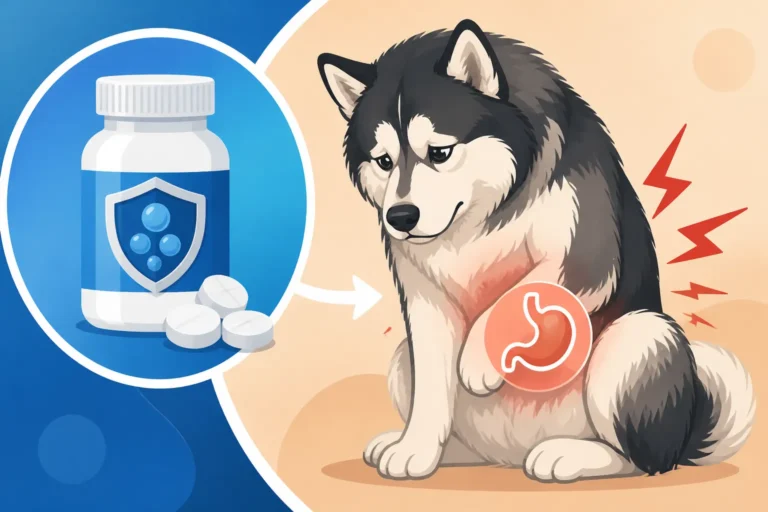
While diet won't magically stop your Malamute from shedding (it's a natural, necessary process for the breed), a healthy diet can contribute to overall coat health, potentially leading to less brittle hair and a stronger coat structure. A well-nourished Malamute often has a healthier skin barrier and a shinier coat, which might shed a bit more cleanly than a dry, dull coat. Ensuring your Malamute gets proper nutrition, including essential fatty acids like Omega-3s, can be beneficial.
Some owners explore supplements, often found at retailers like Chewy or Amazon, after consulting with their veterinarian. However, be wary of promises that a specific food or supplement will eliminate shedding entirely. It simply won't happen with a double-coated breed like the Malamute. The goal is always to support optimal health. For instance, Whether Fresh Food Delivers a Malamute Enough Zinc could impact coat health, as zinc is vital for skin and fur. Healthy skin and coat can make a marginal difference, but the core issue of shedding and embedding will always remain due to the breed's natural coat characteristics. Embrace the floof, but manage it wisely.
Disclaimer
This article is for general informational purposes only and does not constitute professional advice. Laws, prices and regulations vary by location and change over time. Consult a qualified professional for guidance on your specific situation.