Whether an Alaskan Malamute Needs an Undercoat Rake
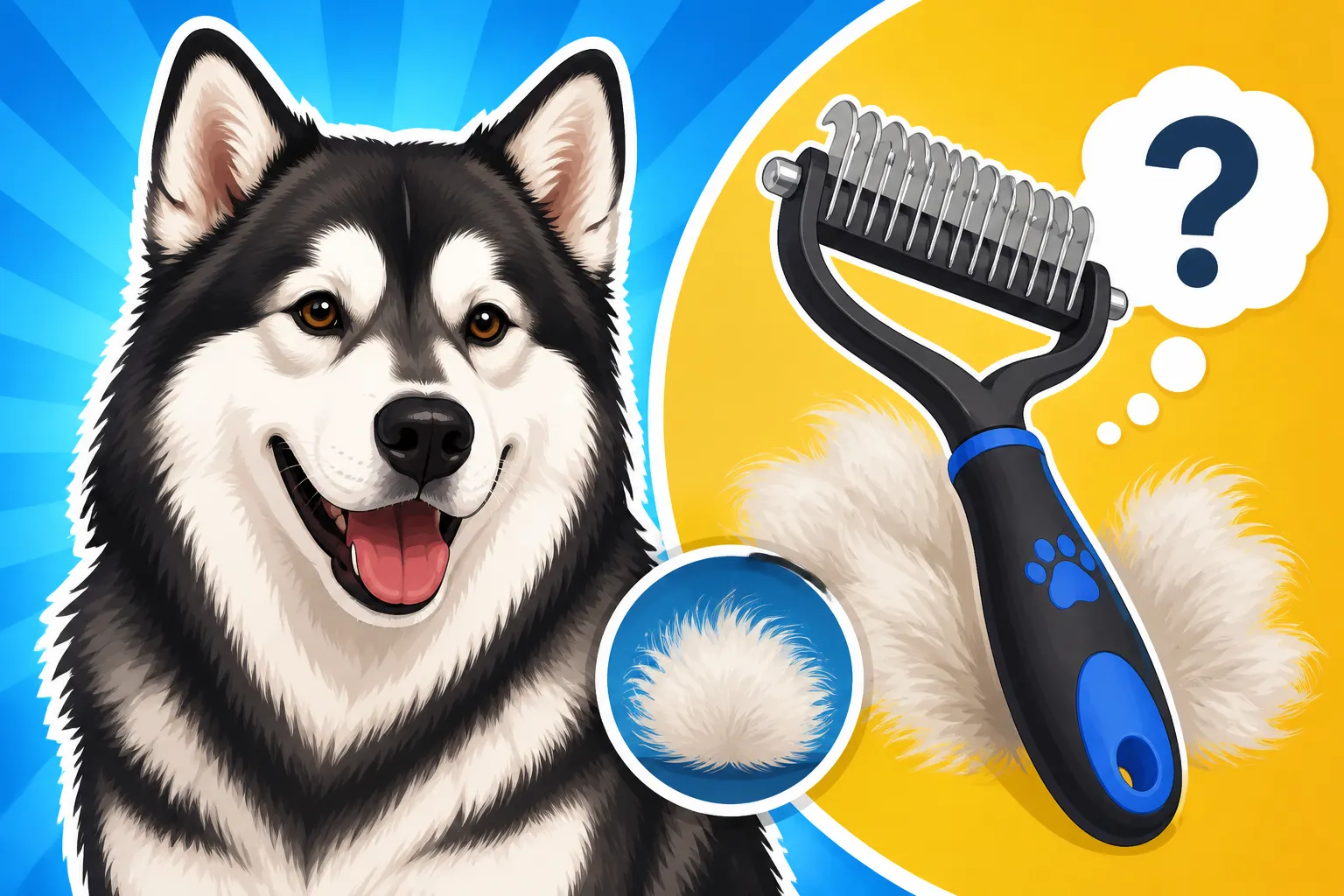
If you've ever owned an Alaskan Malamute, or even just spent a few minutes in a home with one, you know the struggle is real. That majestic, thick coat is beautiful, yes, but it comes with a price: hair, everywhere. And when it comes to grooming tools, it can feel like you're drowning in options, all promising to be "the one." This guide is here to cut through the confusion and explain why an undercoat rake isn't just another gadget, but a truly indispensable tool for keeping your Malamute's coat healthy and your home (somewhat) less hairy.
The Unspoken Truth About the Alaskan Malamute's Coat
Let's be honest, that stunning coat isn't just for show; it's a marvel of natural engineering, perfectly adapted to the brutally cold conditions of the Arctic. Understanding its structure is key to understanding why specific grooming tools are so vital.
A Double-Layered Marvel Built for Extreme Cold
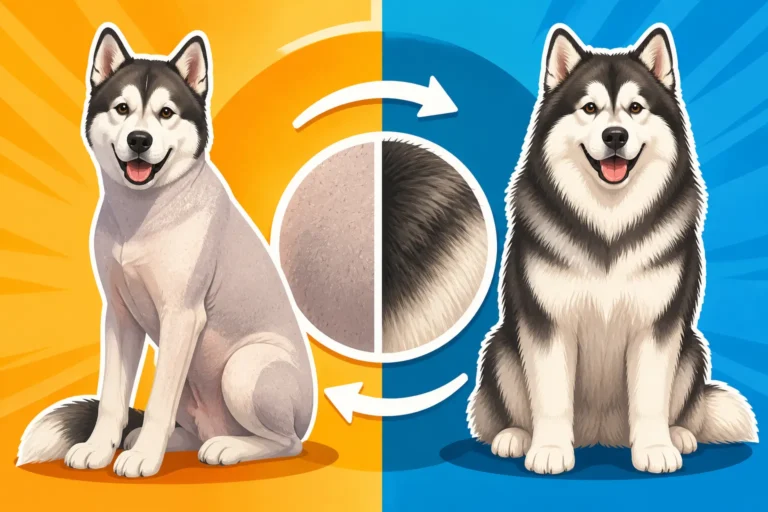
Imagine a natural insulation system that keeps a working dog comfortable in sub-zero temperatures. That's your Malamute's coat. It's not just one layer of hair; it's two distinct layers working in harmony. The outer layer consists of coarse, protective guard hairs. These are longer, stiffer hairs that shed dirt, repel water, and shield the softer undercoat from snow, ice, and harsh winds. They give the Malamute its characteristic rugged appearance. Beneath this lies the magic: an incredibly dense, soft, woolly undercoat. This undercoat is what provides the bulk of the insulation, trapping a layer of warm air close to the dog's body. It's so thick, you can often barely see the skin underneath. This dual-layer system is incredibly effective, but it also creates unique grooming challenges. Without proper care, this dense undercoat can quickly become a tangled, matted mess, especially when it starts shedding.
The Infamous "Coat Blow" Phenomenon
If you've never experienced a Malamute coat blow, consider yourself lucky (or new to the breed!). This isn't just regular shedding; it's an event, often twice a year, usually in spring and fall, where your Malamute decides it's time to entirely discard its undercoat. It's as if they're saying, "My body is done with this insulation, time for a full reset!" During a coat blow, you'll see tufts of soft, woolly hair coming off in incredible volumes. You can literally pull handfuls of it away with minimal effort. This process can last for weeks, turning your living space into what feels like a perpetually snowy landscape, even if it's 80 degrees outside. The Malamute Coat Blow That Fills a Vacuum in an Afternoon isn't an exaggeration – it's a daily reality. The sheer volume of hair can be shocking to new owners, and it's during this time that the right tools become not just helpful, but absolutely essential to prevent matting and manage the shedding tsunami.
Why an Undercoat Rake Isn't Just "Nice to Have" – It's Essential
Given the unique characteristics of the Malamute's double coat, an undercoat rake rises above many other grooming tools in its necessity. It's designed to specifically address the challenges presented by that thick, insulating layer.
Preventing Mats and Hot Spots Beneath the Surface
The biggest danger lurking beneath your Malamute's beautiful topcoat is matting. When the dense undercoat sheds but doesn't get properly removed, it can tangle and compact, forming thick, felt-like mats close to the skin. These mats are more than just unsightly; they can be incredibly painful for your dog. They pull on the skin, restrict movement, and, even worse, they trap moisture and debris. This creates a perfect breeding ground for bacteria and yeast, leading to skin irritations, infections, and what are commonly known as "hot spots." These painful, inflamed lesions can appear quickly and spread rapidly, requiring veterinary intervention. A good undercoat rake is designed with long, sturdy teeth that can penetrate through the guard hairs to reach the shedding undercoat directly. By gently pulling out this loose, dead hair, you prevent it from forming painful mats, allowing air to circulate properly and keeping the skin healthy. This preventive measure saves your dog discomfort and you potential vet bills. You'll be amazed at how much hair a proper rake can remove, literally saving your dog's skin from unseen trouble.
Managing the Sheer Volume of Loose Hair
Let's face it: living with a Malamute means living with hair. But an undercoat rake can dramatically reduce the amount of loose hair that ends up on your furniture, clothes, and floating through the air. During a coat blow, it can feel like you're sweeping and vacuuming multiple times a day, only for more tumbleweeds of fur to appear moments later. This is where the rake truly shines. By regularly (and gently) raking your Malamute, especially during their biannual coat blow, you are actively removing the hair that would otherwise shed out naturally onto your floors. Think of it as proactive shedding control. Instead of waiting for the hair to detach and spread, you're catching it right at the source. This isn't about stopping shedding – that's impossible with a Malamute – but about containing it. Many owners report a significant reduction in household hair accumulation, making cleaning less of a full-time job. How Much Undercoat Comes Off an Alaskan Malamute is truly incredible, and much of it can be managed with consistent raking.
Promoting Healthy Skin and Coat Turnover
Beyond just removing loose hair and preventing mats, an undercoat rake also plays a vital role in the overall health of your Malamute's skin and coat. The act of raking stimulates the skin, increasing blood circulation. This improved circulation can lead to healthier hair follicles and promote the growth of a strong, vibrant new coat. It also helps distribute natural oils throughout the coat, giving it a healthy sheen. Essentially, you're aiding the natural process of coat turnover. By removing the old, dead undercoat, you're making way for new, healthy growth. This is particularly important for a working breed like the Malamute, whose coat integrity is crucial for their comfort and performance. A clean, well-maintained coat is less likely to harbor parasites, accumulate dirt, or develop unpleasant odors. It's a fundamental part of Reading a Malamute's Skin Before the Crusts Appear and proactive care.
Choosing the Right Undercoat Rake for Your Malamute
With so many grooming tools on the market, selecting the right undercoat rake can feel overwhelming. It's not a one-size-fits-all situation, and what works for a Labrador won't necessarily be ideal for a Malamute.
Key Features to Look For in a Quality Rake
When you're sifting through options for your Malamute, several features make a significant difference. First, consider the tooth length. For a Malamute's incredibly dense undercoat, you need a rake with teeth long enough to reach down to the skin without just skimming the top layer. Look for teeth that are at least an inch to an inch and a half long. Next, the tooth spacing is important; wider spacing is generally better for the initial removal of large amounts of loose undercoat, while finer spacing might be useful for finishing or less dense areas. The material of the teeth should be sturdy, usually stainless steel, to prevent bending or breaking, and they should have rounded or blunt ends to prevent scratching your dog's skin. You want efficient hair removal, not skin irritation. Finally, don't overlook handle comfort. You'll be spending a fair amount of time raking, especially during a coat blow, so an ergonomic, non-slip handle will save your hand and wrist from fatigue. A good grip gives you better control, which is crucial for gentle yet effective grooming.
Different Types of Rakes and When to Use Them
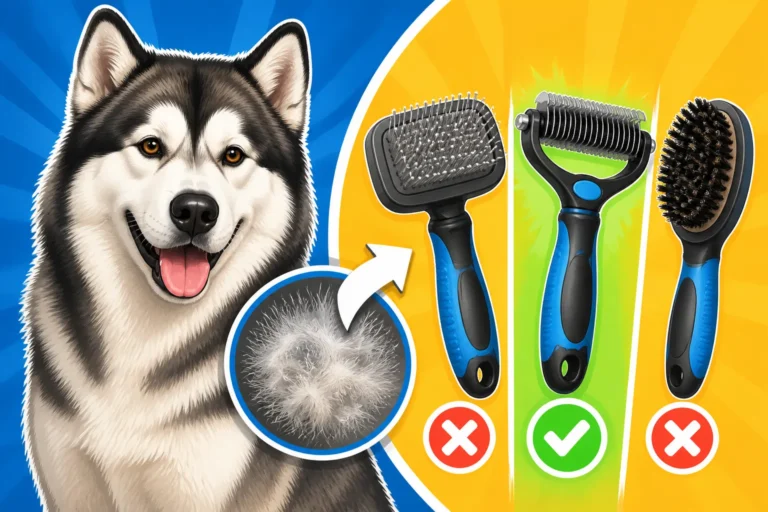
While the term "undercoat rake" might sound singular, there are variations that serve slightly different purposes. The traditional undercoat rake typically has a single or double row of widely spaced, long metal teeth. These are excellent for heavy shedding periods, efficiently pulling out large quantities of loose undercoat. They're your workhorse during a major coat blow. Then there are deshedding tools, which, while often marketed broadly, function similarly by reaching the undercoat. Some have very fine, closely spaced teeth designed to grab and remove even more undercoat, often with a button to easily release the collected hair. These can be very effective but must be used with extreme caution on a Malamute's thick coat to avoid damaging the guard hairs or irritating the skin if used too aggressively. A rotating tooth rake is another option, with teeth that rotate independently. This design is gentler, as the rotating teeth are less likely to snag and pull on tangles, making it a good choice for dogs with a tendency to mat or for more sensitive areas. For a Malamute, having both a traditional, robust undercoat rake and perhaps a slightly finer-toothed deshedding tool can cover all bases. Which Brush Gets Through a Malamute's Undercoat is often the rake, not a traditional brush.
Top Brands and Where to Find Them
When it comes to sourcing quality grooming tools, you've got plenty of options. Major online retailers are often the most convenient. Amazon offers a vast selection, with numerous brands and price points, making it easy to read reviews and compare products. You can find everything from basic, effective undercoat rakes to more specialized deshedding tools. For pet-specific supplies, Chewy is a fantastic resource. They specialize in pet products and often carry higher-end grooming brands that cater to breeds with challenging coats like the Malamute. They also frequently have helpful customer service if you have questions about specific tools. Brands like Kong, Safari, and FURminator (for their deshedding tool type, not necessarily specific rake) are popular choices often found on these platforms. Always look for tools specifically designed for large breeds with dense undercoats, and don't be afraid to invest a little more for quality that will last and be comfortable for both you and your Malamute.
How to Effectively Use an Undercoat Rake on Your Alaskan Malamute
Using an undercoat rake effectively isn't just about pulling hair; it's a technique that prioritizes your Malamute's comfort and maximizes hair removal while protecting their sensitive skin.
Pre-Rake Preparation: Brushing and Detangling
Before you even think about grabbing your undercoat rake, a little preparation goes a long way. Start with a thorough session using a pin brush or a slicker brush to remove any superficial loose hair and work out any surface tangles. This step is crucial because an undercoat rake is designed for undercoat, not for untangling knots in the guard hairs. Trying to rake through existing tangles or mats will be painful for your Malamute and ineffective for you. Imagine trying to comb through dreadlocks with a fine-toothed comb – it just won't work! Gently brush your Malamute, paying attention to areas prone to tangles like behind the ears, under the legs, and around the tail. If you encounter any significant mats, try to carefully tease them apart with your fingers or a wide-toothed comb first. Only once the topcoat is relatively smooth and free of major snags is your Malamute ready for the undercoat rake. This pre-work ensures a more comfortable and productive grooming session for both of you. You might also consider Whether a Deshedding Bath Shortens a Malamute's Blow before a major raking session, as the bathing process can loosen a lot of undercoat.
Technique for Maximum Hair Removal and Comfort
Once your Malamute is prepped, it's time to rake. The key here is gentle, consistent strokes. Work in sections, starting from the head and moving towards the tail. Hold the rake almost parallel to your dog's body, using light pressure. You're not scrubbing; you're gliding. Use long, slow strokes in the direction of hair growth. Avoid short, jerky motions or digging into the skin. As you rake, you'll see large amounts of fluffy undercoat coming out – this is exactly what you want! Regularly clear the hair from the rake's teeth to maintain its effectiveness. Pay particular attention to the dense areas around the neck, shoulders, and rump, as these are often where the most undercoat accumulates. If you hit a snag, stop, go back to your pin brush, and gently work out the tangle before continuing with the rake. Always watch your Malamute's body language. If they show any signs of discomfort – flinching, pulling away, licking, or growling – you're likely being too rough or have encountered a knot. Remember, consistency and patience will yield the best results.
Frequency and Timing: When and How Often to Rake
The frequency of raking largely depends on whether your Malamute is actively blowing coat or in a maintenance phase. During a full coat blow, which can happen twice a year (typically spring and fall, but can vary), you'll want to use your undercoat rake much more frequently. This could mean daily or every other day for several weeks. The goal during this period is to remove as much loose hair as possible before it mats or sheds all over your house. The more you rake, the less hair you'll find elsewhere. For year-round maintenance, even outside of the major coat blows, Malamutes still shed some undercoat, though in lesser quantities. Whether an Alaskan Malamute Sheds All Year is a resounding yes! A weekly raking session, or even every two weeks, can be sufficient to keep their coat healthy and prevent minor matting. This routine care also allows you to check their skin for any issues or irregularities. Regular force drying, like What a Force Dryer Does for a Malamute's Coat Blow, can also aid in loosening and removing undercoat, making subsequent raking sessions even more effective.
Comparison of Grooming Tools for Alaskan Malamutes
Understanding how an undercoat rake fits into the broader grooming toolkit is helpful. While the rake is essential, other tools also play important roles.
| Tool Type | Primary Purpose | When to Use It | Benefits for Malamutes | Limitations/Considerations |
|---|---|---|---|---|
| Undercoat Rake | Removes loose, dead undercoat | During coat blow (daily/EOD), maintenance (weekly) | Prevents mats/hot spots, reduces shedding, stimulates skin | Not for surface tangles; requires gentle technique; can be harsh if misused |
| Pin Brush | Detangles guard hairs, removes surface debris | Daily/before raking, general tidying | Keeps topcoat smooth, helps locate tangles, distributes oils | Doesn't penetrate undercoat effectively; ineffective for heavy shedding |
| Slicker Brush | Removes loose hair from topcoat, helps small mats | Daily/before raking, for stubborn small tangles | Good for general brushing, can help loosen surface mats | Too harsh for regular undercoat removal; can irritate skin if used too hard |
| Wide-Tooth Comb | Detangles, checks for missed tangles | After brushing/raking, for stubborn mats | Excellent for working out knots, checking for thoroughness | Slow for large areas; primarily a finishing or detangling tool |
| Force Dryer | Blasts out loose undercoat and debris, dries coat | During/before coat blow, after baths | Extremely effective for deep cleaning and shedding reduction | Loud, requires training/acclimation, can be a significant investment |
Conclusion
So, does an Alaskan Malamute need an undercoat rake? The answer is a resounding yes, without a doubt. For these magnificent dogs with their incredible double coats, an undercoat rake isn't just a useful addition to your grooming arsenal; it's a fundamental necessity. It's the tool that allows you to effectively manage their seasonal "coat blow," prevent painful matting and skin issues, and significantly reduce the amount of loose hair migrating through your home. Investing in a good quality undercoat rake and learning how to use it properly will save you headaches, time, and potential vet visits. It's an act of care that directly contributes to your Malamute's comfort, health, and overall well-being. Regular, consistent grooming with the right tools is part of the commitment we make to these amazing companions.
Disclaimer
This article is for general informational purposes only and does not constitute professional advice. Laws, prices and regulations vary by location and change over time. Consult a qualified professional for guidance on your specific situation.