Whether a Malamute Sleeps in the Snow by Choice
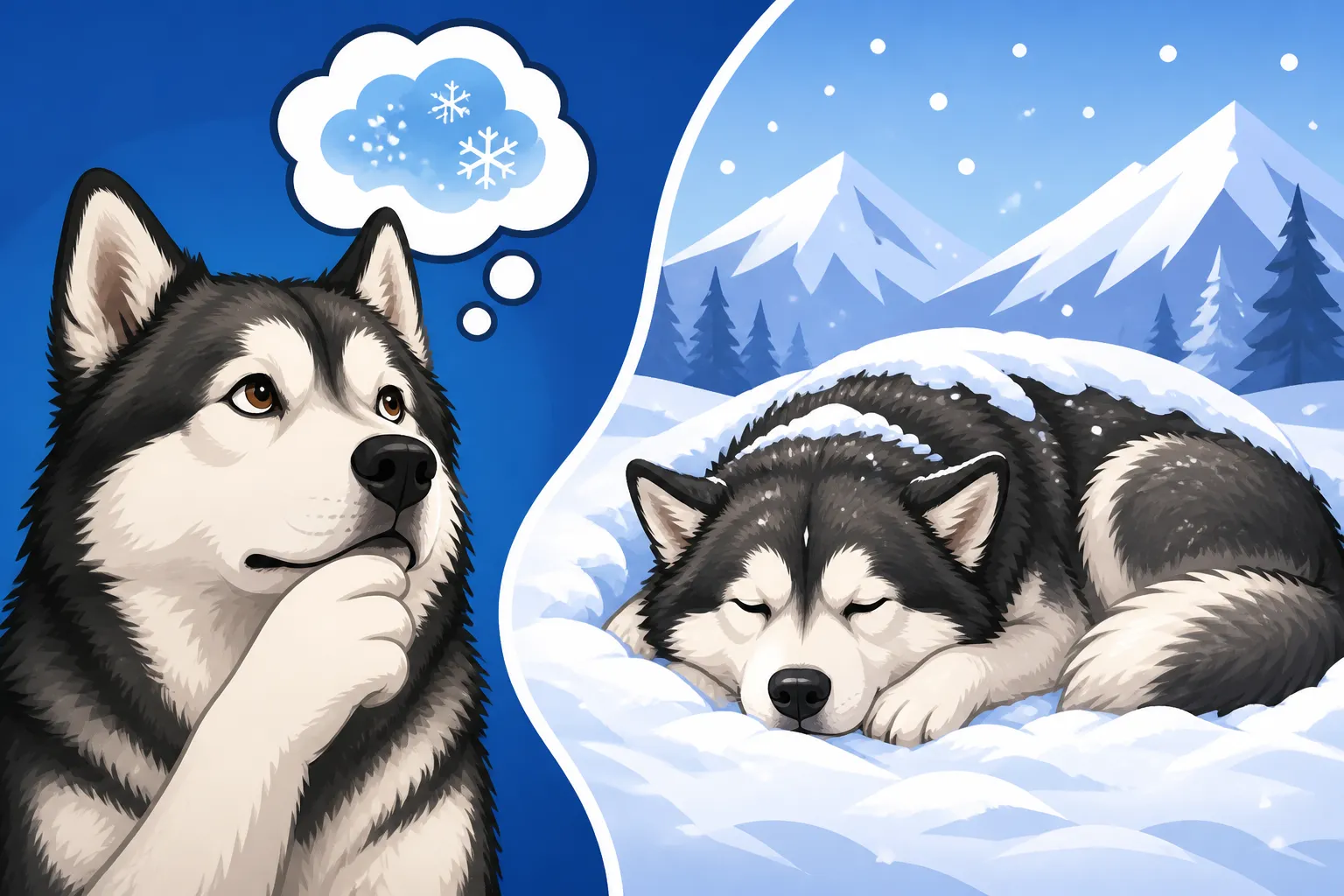
It’s a scene many of us Malamute owners have witnessed and perhaps even marveled at: a blanket of fresh snow on the ground, temperatures dipping well below freezing, and there, peacefully curled up, is our magnificent, fluffy companion, seemingly happier than a pig in mud. We often wonder, "Are they really comfortable out there? Is this truly their choice?" This guide dives deep into the fascinating world of the Alaskan Malamute's relationship with snow and cold, explaining the science, the instincts, and the practicalities behind their frosty slumber, helping you understand your snow-loving companion better.
The Malamute's Natural Habitat and Adaptations
When you look at an Alaskan Malamute, you're not just seeing a dog; you're seeing a living testament to centuries of adaptation in one of the planet's harshest environments. These dogs were bred by the Mahlemut people of the Arctic, not for speed, but for incredible strength and endurance in pulling heavy loads across vast, frozen landscapes. Their entire physiology is a masterclass in cold-weather survival and comfort.
A Coat Built for Arctic Extremes
The most obvious, and perhaps most crucial, adaptation for a Malamute is their incredible double coat. This isn't just fluffy hair; it's a meticulously engineered insulating system.
First, you have the undercoat. This is a dense, woolly layer that is incredibly soft and thick, acting like a down-filled duvet for your dog. It's so packed that it creates thousands of tiny air pockets, trapping body heat and preventing the frigid outside air from reaching their skin. Think of it like wearing multiple layers of thermal underwear – the more layers and trapped air, the warmer you stay. This undercoat can be an absolute nightmare to groom during a The Malamute Coat Blow That Fills a Vacuum in an Afternoon, but it's essential for their survival in cold weather.
Then, overlaying this luxuriant undercoat are the guard hairs. These are coarser, longer, and slightly oily. Their primary job is to shed water and snow, preventing it from soaking into the insulating undercoat. They act like a waterproof and windproof outer shell, protecting the precious warmth trapped underneath. When a Malamute lies in the snow, the guard hairs deflect the moisture, leaving their skin dry and their undercoat perfectly effective. This ingenious design means that even when covered in snow, they remain remarkably dry underneath, which is key to staying warm. It’s a testament to the fact that An Alaskan Malamute Was Bred to Hunt Bears and It Has Not Forgotten, and those harsh environments required a serious coat.
Ancestral Instincts and Cold-Weather Comfort
Beyond the physical attributes, a Malamute's preference for cold weather and snow is deeply ingrained in their psyche. It's a behavioral instinct passed down through generations. These dogs lived and worked in extreme cold, often sleeping outdoors in the elements alongside their human companions. For them, snow isn't just a physical experience; it's a familiar, comforting part of their world.
Imagine growing up in a place where snow and cold are the norm, where your ancestors relied on their ability to withstand these conditions to survive and thrive. That genetic memory, that intrinsic comfort with frosty temperatures, is still very much alive in modern Malamutes. When they choose to sprawl out in a snowdrift, they're not merely tolerating the cold; they're often experiencing a sense of innate well-being and contentment that we, with our thin skin and different evolutionary paths, can only begin to comprehend. They feel truly at home in a winter wonderland.
Efficient Metabolism for Chilly Nights
Another fascinating adaptation that plays into their ability to sleep comfortably in the snow is their incredibly efficient metabolism. Unlike many breeds, Malamutes don't require as many calories as their size might suggest, especially when they're not actively working. This is a survival mechanism from their past. In the lean times of the Arctic, dogs that could make the most of limited food resources had a distinct advantage.
This efficient metabolism means their bodies are very good at converting food into sustained energy and warmth, without needing to constantly burn through large amounts of fuel. It’s part of The Efficient Metabolism That Surprises Every New Malamute Owner and it really surprises new owners. When they are resting or sleeping in the cold, their body is primed to conserve energy while maintaining a core temperature, rather than rapidly burning through calories just to stay warm. This is why you might notice your Malamute doesn't eat as much as a comparably sized dog of a different breed, or why they can handle intense activity on seemingly less food. This metabolic efficiency is a key factor in their ability to enjoy and even seek out cold sleeping environments, as their bodies are simply built to regulate temperature effectively in those conditions.
Why They Choose the Snow Over Your Warm Couch
So, while we humans might shiver at the thought of a night out in the snow, for many Malamutes, it's not just tolerable – it's often preferable. There are several compelling reasons why they might pass up your plush dog bed for a frosty patch of white.
Optimal Body Temperature Regulation
This is, arguably, the biggest driver. Our ideal indoor temperatures, typically around 68-72°F (20-22°C), are often far too warm for an Alaskan Malamute. Remember that incredibly dense coat? It's designed to retain heat. In a warm house, especially if they're not actively cooling down, a Malamute can quickly overheat.
Think about how uncomfortable you feel when you're bundled up in a heavy winter coat indoors. You start to sweat, you feel sluggish, and all you want to do is strip off layers and find a cool spot. That's essentially what your Malamute experiences in a house that feels perfectly comfortable to you. Their ideal comfort zone, the temperature range where they feel neither too hot nor too cold, is significantly lower than ours. For a Malamute, temperatures hovering around freezing or even well below can be absolutely delightful. They spend much of the year battling to stay cool, and Summer Is the Season That Kills Alaskan Malamutes, so the snow is a welcome relief.
Sleeping in the snow acts like a giant, natural cooling pad. The snow absorbs their excess body heat, helping them maintain a comfortable core temperature without expending extra energy panting or seeking out cold floors. It's their natural air conditioning system, and it works beautifully for them.
The Joy of a "Cool Bed"
Have you ever flipped your pillow over to the cool side on a warm night? That moment of relief, the immediate comfort, is something we can all relate to. For a Malamute, a patch of snow offers that same, exquisite sensation, but on a grander scale. It's the ultimate "cool bed."
After a day of activity, or even just existing in a relatively warm house, their thick coat can trap a lot of warmth. Rolling around in the snow, or simply settling down into it, allows that heat to dissipate from their bodies. It's not about being cold; it's about achieving that perfect, neutral, "just right" temperature. They're not looking to get chilly, but to shed the warmth they've accumulated. The snow is incredibly effective at drawing heat away, providing a feeling of refreshment and deep comfort that a traditional dog bed, no matter how soft, simply can't replicate. It's a deeply satisfying physical sensation for them.
Sensory Experience and Natural Behavior
Beyond just temperature, choosing to sleep in the snow taps into a Malamute's primal senses and natural behaviors. It’s not merely a practical choice; it’s an immersive, sensory experience that resonates with their very being.
Consider the feeling of the soft, powdery snow against their fur, the crisp, clean scent of the winter air, the quiet stillness of a snowy night. These are all elements that would have been deeply familiar to their ancestors and continue to evoke a sense of peace and belonging in modern Malamutes. They might dig a shallow depression, creating a custom nest that shields them from the wind, a behavior common in wild canids. This small act of engineering their own sleeping spot adds to their comfort and feeling of security.
For a breed that was designed to thrive outdoors, being in the snow is an affirmation of their identity. It’s where they feel most alive, most connected to their heritage. It allows them to truly relax in an environment perfectly suited to their physiology, free from the often-too-warm, too-dry air of our human homes. It's a natural expression of who they are, a true preference rather than a mere tolerance.
When Snow Sleeping is Safe, and When It's Not
While many Malamutes adore the snow, it's crucial for us as responsible owners to understand that their preference doesn't automatically mean it's always safe or appropriate for them to sleep outdoors in snowy conditions. There are important distinctions to be made.
Assessing the Conditions
Just because a Malamute can sleep in the snow doesn't mean they should every single time. We need to be savvy about the actual weather conditions beyond just "it's snowing."
- Temperature: While they love cold, extreme sub-zero temperatures, especially with a significant wind chill, can eventually challenge even a Malamute's formidable coat. Pay attention to the "feels like" temperature. If it's truly dangerously cold, even a Malamute can suffer from frostbite on exposed areas like paw pads, ear tips, or noses, or even hypothermia if conditions are extreme and prolonged without shelter.
- Precipitation: Light, fluffy snow is one thing; freezing rain or sleet is another entirely. If their coat gets saturated and then the temperature drops further, the insulation properties can be compromised. Similarly, deep, wet, heavy snow that melts against their body and then refreezes can be problematic.
- Wind Chill: Wind is a heat thief. Even if the air temperature isn't brutally cold, a strong, biting wind can strip away their body heat much faster. A Malamute might happily sleep in still, sub-zero air, but a windy night at 20°F (–6°C) could be more challenging. A proper dog house or sheltered area, even if open to the cold, offers protection from wind. As a Malamute owner, you'll also want to consider Whether a Malamute Needs Bedding in an Outdoor Kennel to provide an extra layer of warmth and dryness.
Individual Malamute Differences
It's tempting to think of all Malamutes as identical, indestructible snow beasts, but like people, they have individual differences, health statuses, and preferences.
- Age: A vibrant, healthy two-year-old Malamute will handle cold much better than a senior dog. Older Malamutes, like older humans, can be more susceptible to the cold due to thinning coats, reduced fat reserves, and underlying health conditions like arthritis. Their circulation might not be as efficient, making them less capable of maintaining core body temperature. Caring for an Old Alaskan Malamute is a different ballgame, and their comfort priorities might shift towards warmth and shelter.
- Health Status: A Malamute battling an illness, recovering from surgery, or dealing with chronic conditions might have a compromised immune system or less energy to generate heat. Never assume a sick dog can tough it out.
- Coat Quality: Not all Malamute coats are created equal. Some may have a less dense undercoat due to genetics, age, or even poor nutrition. A Malamute with a "woolly" coat (a fault in the breed standard) might absorb moisture more easily, reducing insulation.
- Individual Preference: While most Malamutes love snow, some simply prefer a softer, warmer bed! Observe your dog. Do they always choose the snow, or do they occasionally opt for the porch or even ask to come inside? Respect their individual signals.
Providing Safe Alternatives and Monitoring
The key is always to provide a choice and monitor your dog. Never force them to be outside in conditions you wouldn't tolerate yourself without appropriate gear.
- Offer Shelter: Always ensure your Malamute has access to a well-insulated, dry, and wind-proof shelter, even if it's just a sturdy dog house. This allows them to retreat from extreme conditions if they choose. The shelter doesn't need to be heated, but it should be able to block wind and keep out precipitation.
- Indoor Access: The safest bet, especially for prolonged periods or extreme weather, is to always allow your Malamute the option to come inside. Many Malamutes will shuttle themselves in and out, enjoying the snow for a while before coming in for a warm-up.
- Observe Your Dog: Look for signs of discomfort: shivering, hunching, trying to burrow excessively, lifting paws, or persistently trying to get back inside. Their body language will tell you if they're genuinely happy or just enduring. A happy snow-sleeper will be relaxed, perhaps even stretched out, and appear utterly content. Trust your gut. If you feel uneasy, bring them in.
- Regular Checks: If your Malamute is spending significant time out in the snow, check on them regularly. Make sure their water isn't frozen, and that they haven't gotten tangled or stuck in anything.
Here's a quick comparison of conditions for safe snow sleeping:
| Condition Factor | Generally Safe for Healthy Malamute | Potentially Risky / Unsafe |
|---|---|---|
| Temperature | 0°F to 30°F (-18°C to -1°C) | Below -10°F (-23°C) or extreme wind chill |
| Wind | Calm to light breeze | Strong, sustained gusts |
| Precipitation | Light, dry, powdery snow | Freezing rain, sleet, heavy wet snow, prolonged soaking |
| Shelter | Access to wind/weather-proof shelter | No access to shelter, fully exposed |
| Health | Young, adult, healthy | Puppy, senior, ill, thin, recovering from surgery |
| Coat Condition | Thick, dense, dry double coat | Matted, wet, sparse, or single-coated |
Practical Considerations for Snow-Loving Malamutes
Allowing your Malamute to revel in their natural inclination for cold and snow comes with a few practical responsibilities. It’s not just about letting them out; it’s about ensuring their overall well-being in these specific conditions.
Ensuring Proper Nutrition and Hydration
When your Malamute spends more time outdoors in cold weather, their energy expenditure can increase. Even if they're just lounging, their body is working harder to maintain warmth. This often means their caloric needs go up.
- Dietary Adjustments: You might need to slightly increase their food intake, especially if they are active or it’s particularly frigid. Many owners find that a high-quality kibble formulated for active breeds or a performance formula can be beneficial in winter. Consult your vet or an experienced Malamute breeder for specific recommendations on Feeding a Working Malamute Against a Pet One. Monitor their weight and body condition – you should still be able to feel their ribs easily, but not see them prominently.
- Water, Water, Water: Hydration is paramount. It’s easy to assume dogs don't get thirsty in the cold, but they absolutely do. They might even become dehydrated more quickly due to drier air and increased exertion. Make sure they always have access to fresh, unfrozen water. This might mean using heated bowls for outdoor water sources, or simply bringing them inside more frequently for drinks. Whether an Alaskan Malamute's Water Bucket Freezes is a common concern that needs active management. I've seen some fantastic heated bowls available on sites like Chewy and Amazon that make life a lot easier, or even just using a sturdy bucket filled with warm water a few times a day.
Foot and Coat Care in Winter
While their coats are magnificent, and their paws are tough, winter conditions still require some specific attention to these vital areas.
- Paw Protection: Prolonged exposure to ice, snow, and especially de-icing chemicals (like road salt) can be harsh on their paw pads. Check their paws regularly for cracks, redness, or signs of irritation. Snow and ice can also ball up between their toes, causing discomfort or even frostbite. You can trim the hair between their paw pads to minimize this. Consider using paw balms or even booties for walks on salted pavements or in extremely rough ice. Feet, Pads and Nails on an Alaskan Malamute That Pulls outlines further important considerations.
- Coat Maintenance: Paradoxically, a Malamute’s coat needs attention because it’s so good. Mats can form, especially in the armpits, behind the ears, and around the tail, if left unchecked. These mats compromise the coat's insulating ability and can cause skin irritation. Regular brushing, even in winter, is important to ensure the undercoat remains healthy and free of tangles, allowing it to do its job effectively. Avoid shaving your Malamute, as this destroys their natural insulation and leaves them vulnerable to both cold and heat.
Safe Outdoor Access and Containment
Even if your Malamute loves the snow, never forget their strong prey drive and independent nature. They were bred to cover vast distances and will happily do so if given the chance.
- Secure Fencing: A securely fenced yard is non-negotiable. Malamutes are notorious escape artists; they can dig under, climb over, or chew through fences with astonishing determination. If your Malamute is spending time in a snowy yard, double-check your fence lines, as deep snow can offer an easy "boost" over the top, or soften the ground for digging. This is especially important for Fencing a Yard Against a Malamute That Was Bred to Dig.
- Supervision: Even in a fenced yard, it’s wise to supervise your Malamute when they're out for extended periods in the snow. This isn't just for containment, but also to monitor their comfort, check on water access, and ensure they aren't getting into trouble.
- Identification: Always ensure your Malamute wears proper identification tags and is microchipped, just in case they manage an escape. A lost Malamute in snowy conditions faces increased risks.
In conclusion, a Malamute sleeping in the snow is a beautiful sight, often a sign of a truly content dog embracing its heritage. By understanding their unique adaptations, respecting their individual needs, and providing thoughtful care, you can ensure your snow-loving companion stays happy, healthy, and safe, whether they're curled up by the fire or nestled in a fresh blanket of white.
Disclaimer
This article is for general informational purposes only and does not constitute professional advice. Laws, prices and regulations vary by location and change over time. Consult a qualified professional for guidance on your specific situation.