Whether Gastropexy Is Done at Neuter on a Malamute
It’s a terrifying thought for any Alaskan Malamute owner: that sudden, silent killer known as bloat. We worry constantly about everything from their diet to their exercise, but the fear of Gastric Dilatation-Volvulus (GDV) looms large, especially with deep-chested breeds like ours. This guide aims to shed light on a common question many Malamute parents ponder: can a prophylactic gastropexy, a procedure designed to prevent this life-threatening condition, be performed at the same time as your Malamute's neuter or spay surgery? We'll explore the realities, benefits, and considerations of this dual approach.
Understanding Bloat and Gastric Dilatation-Volvulus GDV in Malamutes
The mere mention of "bloat" sends shivers down the spine of any large breed dog owner, and for good reason. It’s not just an upset tummy; it’s a sudden, severe, and often fatal condition that requires immediate veterinary intervention. For our magnificent Alaskan Malamutes, it's a particular concern that we need to understand deeply.
The Silent Threat of Bloat
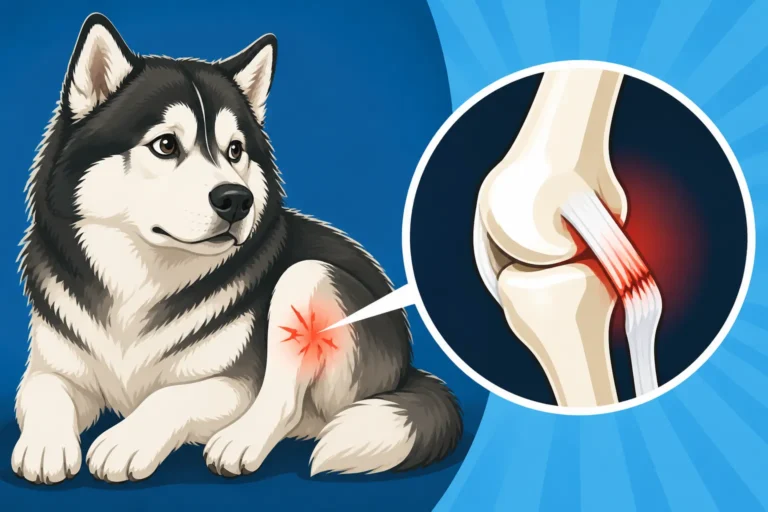
Bloat, scientifically known as Gastric Dilatation-Volvulus (GDV), is a complex and horrifying condition where the stomach first fills with gas and then twists upon itself. When the stomach dilates and then rotates, it traps the gas, food, and fluids inside. This twisting motion also cuts off blood supply to the stomach and often the spleen, and it can press on major blood vessels, impairing blood flow back to the heart. The speed at which GDV can progress from initial symptoms to a critical, life-threatening emergency is truly shocking. Many owners report seeing their dog seemingly fine one moment, and in severe distress just hours later. It’s a race against time, where every minute counts in getting your beloved Malamute to emergency care. We know the signs are subtle at first, and it’s truly agonizing to think you might miss them. When considering How long a bloating Malamute has before surgery, the answer is often "not long at all."
Why Malamutes Are at Higher Risk
Alaskan Malamutes, with their impressive chests and large stature, unfortunately fit the profile of breeds predisposed to GDV. While the exact cause isn't fully understood, several factors are believed to contribute. Deep-chested breeds, like our Malamutes, have more space for the stomach to distend and twist within the abdominal cavity. Other risk factors include eating one large meal a day, eating rapidly, exercising vigorously after eating, and stress. Some research also suggests a genetic component, meaning if a Malamute's parents or close relatives experienced bloat, their offspring might be at increased risk. This is why paying close attention to your Malamute's eating habits, ensuring they Whether a Malamute should rest after eating, and considering tools like Whether a slow feeder reduces a Malamute's bloat risk are all crucial preventative measures. It’s not just about what they eat, but how they eat, and their overall lifestyle.
Recognizing the Urgent Signs of GDV
Knowing the Signs a Malamute is bloating is absolutely critical, as early recognition can drastically improve your dog's prognosis. These signs can be subtle initially and rapidly worsen. You might first notice restlessness or pacing, an inability to get comfortable, or stretching. As the condition progresses, more distinct symptoms will appear. Your Malamute might attempt to vomit but only bring up foamy saliva or nothing at all (non-productive retching). Their abdomen will visibly swell and become hard to the touch, particularly on the left side, though with their thick fur, this can sometimes be harder to spot. They may drool excessively, show signs of pain, and their gums might become pale. As their condition deteriorates, they will become weak, collapse, and go into shock. If you ever suspect bloat, do not wait. Get to an emergency vet immediately. Time is truly of the essence, and waiting even an hour can dramatically impact the outcome.
What is Gastropexy and How Does it Work?
When we talk about preventing bloat in breeds like the Alaskan Malamute, prophylactic gastropexy is often a topic that comes up. It’s a surgical procedure, but one that can offer immense peace of mind.
The Surgical Procedure Explained
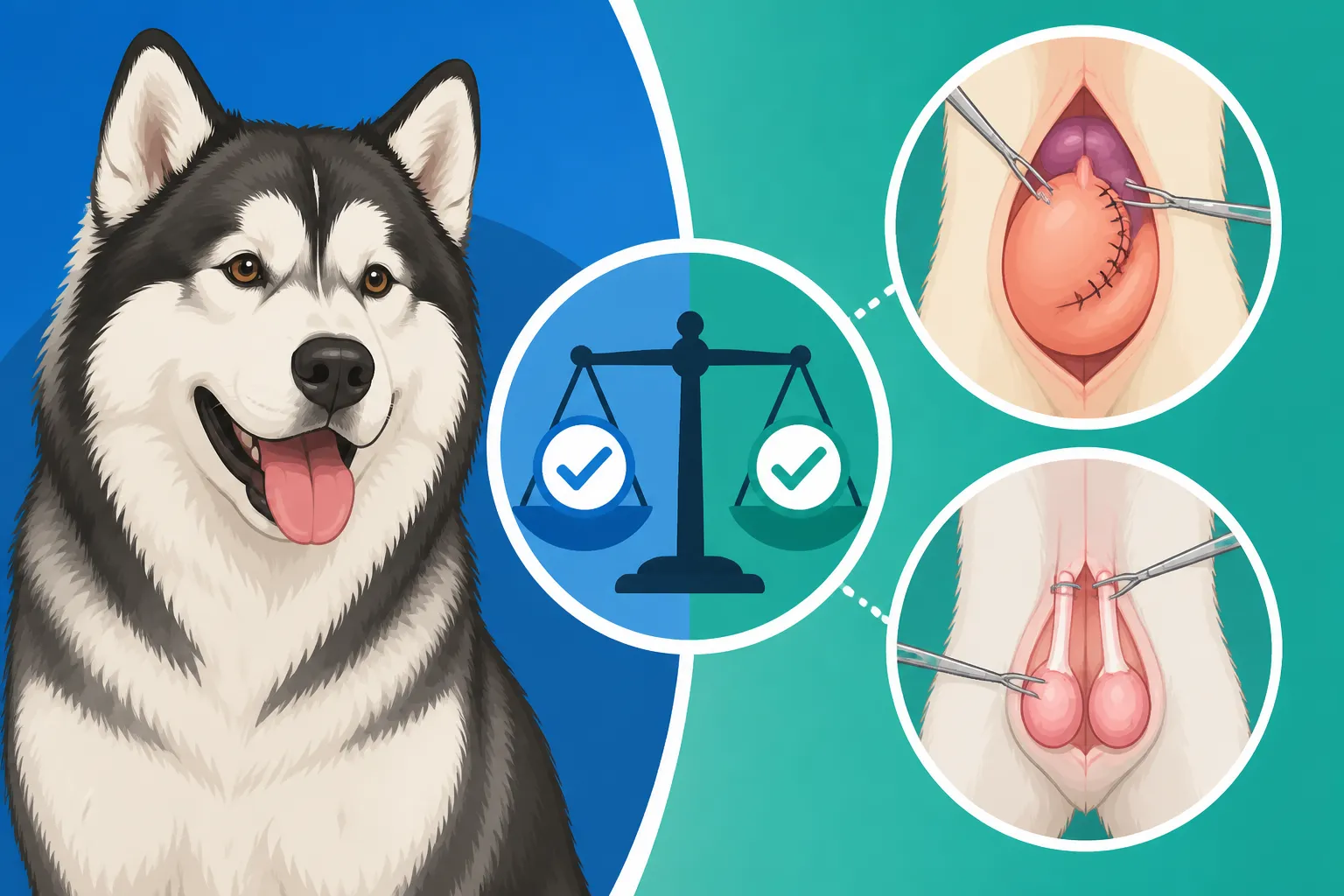
Gastropexy is a surgical procedure designed to prevent the life-threatening twisting of the stomach that occurs in GDV. The "dilatation" (swelling) can still happen, but the "volvulus" (twisting) is largely prevented. In essence, the stomach is surgically attached to the abdominal wall. This permanent attachment anchors the stomach, making it much more difficult for it to rotate or twist. There are several ways this can be done, from traditional open surgery to minimally invasive laparoscopic techniques. During an open gastropexy, the surgeon makes an incision in the abdomen, pulls the stomach wall up, and sutures it to the internal abdominal muscle wall. Laparoscopic gastropexy involves smaller incisions and uses a camera to guide the procedure, which can lead to less pain and a faster recovery. While it sounds intense, for many Malamute owners, the proactive measure is worth the initial discomfort for the lifelong protection it offers.
Benefits of Prophylactic Gastropexy
The primary, undeniable benefit of a prophylactic gastropexy is the dramatic reduction in the risk of gastric volvulus. It doesn't prevent the stomach from distending with gas, but it stops the fatal twisting that cuts off blood supply and causes shock. This can be a literal lifesaver, especially considering how quickly GDV can turn deadly. For a Malamute, a breed known for its stoicism and ability to Why a Malamute Shows Nothing Until It Cannot Work, early symptoms of bloat can be missed until the condition is severe. By having a gastropexy, you significantly reduce the chance of facing an emergency surgery situation that is far more complicated, risky, and expensive than a planned prophylactic procedure. This can also save your Malamute from immense suffering and can save you from an excruciating decision in an emergency. It's truly a procedure that prioritizes long-term health and reduces anxiety for owners.
Different Gastropexy Techniques
Veterinary medicine has advanced, and now there are a few options for performing a gastropexy, each with its own pros and cons.
- Incisional Gastropexy: This is the most common traditional open surgery method. A long incision is made in the abdomen, and a strip of the stomach lining (seromuscular layer) is sutured to the abdominal wall. It's highly effective.
- Laparoscopic-Assisted Gastropexy: This less invasive technique involves small incisions. A camera guides the surgeon, who then uses specialized instruments to create the stomach-to-wall attachment. This generally results in less pain, smaller scars, and a quicker recovery time for your Malamute.
- Endoscopic-Assisted Gastropexy: Even less invasive, this method uses an endoscope inserted through the mouth to visualize the stomach, while a pin is inserted through the abdominal wall to secure the stomach. This method is less commonly performed than laparoscopic.
- Circumcostal Gastropexy: In this method, a flap of stomach tissue is threaded through a rib and then sutured back onto itself. This technique is more complex and less common now compared to incisional or laparoscopic methods.
Your veterinarian will discuss which method is best suited for your Malamute based on their experience, your dog's specific needs, and the available equipment at their clinic. No matter the technique, the goal remains the same: to prevent that devastating twist.
Combining Gastropexy with Neutering or Spaying
The idea of combining surgeries might sound daunting, but for many Malamute owners, it’s a practical and beneficial approach that aligns with preventive care strategies.
The Logic Behind Concurrent Procedures
There's a strong logical argument for performing a prophylactic gastropexy at the same time as a routine neuter or spay. Both procedures require general anesthesia, so combining them means your Malamute only has to undergo anesthesia once. This reduces the overall risk associated with anesthesia, which is always a concern for owners of any breed, including those who worry Whether a Malamute is sensitive to anesthesia. It also consolidates the recovery period into one stretch, rather than putting your dog through two separate recovery phases. From a practical standpoint, it means fewer veterinary visits, potentially less stress for your Malamute, and often a more cost-effective approach since you're only paying for one anesthetic event and one surgical suite setup. For breeds like the Malamute, where bloat risk is a serious consideration, this proactive, combined approach makes a lot of sense for long-term health management.
Considerations for Timing and Anesthesia
While combining surgeries offers many benefits, it's not a decision to take lightly. Timing is crucial. Traditionally, neutering or spaying is done around 6-18 months of age, depending on your vet's recommendation and your Malamute's growth plates. For giant breeds like Malamutes, some vets advocate waiting until closer to 18-24 months for spaying to allow for full growth and maturation, which could affect the timing of a gastropexy as well. This is particularly relevant when considering the health screenings and certifications that Malamutes often undergo, such as The Age a Malamute Is Certified by OFA.
The extended anesthesia time for dual procedures is also a key consideration. While modern anesthesia protocols are very safe, longer periods under sedation inherently carry slightly higher risks. Your vet will conduct thorough pre-surgical bloodwork and a physical exam to ensure your Malamute is a good candidate for extended anesthesia. They will also monitor your dog meticulously throughout both procedures. Choosing an experienced veterinary team with excellent monitoring equipment is paramount. It’s important to have an open conversation with your vet about these factors, ensuring you’re comfortable with the plan.
The Recovery Process for Dual Procedures
The recovery period after a combined neuter/spay and gastropexy will naturally be a bit more involved than for a neuter or spay alone. Your Malamute will have a larger incision site or multiple small incisions if a laparoscopic approach is used. This means strict rest, limiting activity, and preventing licking or chewing at the incision site will be even more critical. You'll likely be sent home with pain medication, anti-inflammatory drugs, and possibly antibiotics.
Keeping an active Malamute calm during recovery can be a challenge, but it's essential to prevent complications. Think quiet crate time, short, leashed potty breaks, and no jumping, running, or rough play for several weeks. Your vet will provide specific post-operative instructions, including when to return for suture removal or check-ups. While the initial recovery might be tougher, remember you're getting two significant procedures out of the way, providing long-term health benefits and hopefully saving you from a future emergency. Plus, many pet insurance providers, like Healthy Paws, recognize the importance of these preventative measures and may offer coverage for complications, providing an extra layer of financial security during such times.
Deciding if Gastropexy is Right for Your Malamute
Making the decision about prophylactic gastropexy is deeply personal and depends on several factors specific to you and your Malamute. It's a significant choice, but one that can bring great peace of mind.
Discussing Risk Factors with Your Vet
Your veterinarian is your best resource for determining if a gastropexy is a good fit for your Malamute. They will assess your dog's individual risk factors, which go beyond just breed. They'll consider:
- Family History: Has your Malamute's lineage shown a predisposition to bloat? Knowing if Whether a Malamute's inherited diseases are being bred out in their lines can inform this discussion.
- Temperament: Is your Malamute particularly anxious or prone to stress, which can be a contributing factor to bloat?
- Eating Habits: Do they gulp their food, or are they a slow, deliberate eater?
- Activity Level: Do they tend to be very active right after meals?
- Body Condition: Is your Malamute lean, or do they carry extra weight? While bloat isn't solely linked to weight, it's part of the overall health picture.
Don't hesitate to bring all your questions and concerns to your vet. This isn't a one-size-fits-all decision, and a tailored discussion is vital.
Weighing the Costs and Benefits
Let's be real, dog ownership, especially with a large breed like an Alaskan Malamute, comes with significant financial considerations. The cost of a prophylactic gastropexy, especially when combined with a neuter or spay, can be substantial, ranging from several hundred to a few thousand dollars depending on your location, the veterinary clinic, and the chosen surgical technique. This is part of The Full Cost of Twelve Years With an Alaskan Malamute. However, it's crucial to compare this cost against the potential cost of emergency GDV surgery, which can easily be two to three times higher, plus the emotional toll of a critical emergency. Emergency surgery also carries a higher risk of complications and mortality.
The benefits, as we've discussed, are immense: prevention of a life-threatening emergency, reduced anxiety for you, and potentially a longer, healthier life for your Malamute. When considering these financial aspects, it's also a good time to review your pet insurance options. Providers like Healthy Paws offer various plans that can help offset unexpected veterinary costs, and while preventative procedures might not always be fully covered, emergency situations definitely are. Understanding your policy will provide invaluable peace of mind.
Breeder Recommendations and Health Guarantees
Reputable Alaskan Malamute breeders are deeply invested in the health of their lines and are often a fantastic source of information regarding breed-specific health concerns, including bloat. Many responsible breeders will actively track instances of GDV in their pedigrees and may even recommend prophylactic gastropexy for puppies they place, especially if there's a known history. Always ask your breeder about their experiences with bloat in their lines and what preventative measures they suggest.
Some breeders may even include stipulations in their health guarantees or contracts regarding spaying/neutering and recommended health procedures, though often the decision for gastropexy is left to the individual owner. This aligns with broader discussions around responsible breeding and health screening, such as Whether a Malamute should be screened before its first season for other genetic conditions. While a breeder's guidance is invaluable, ultimately, the decision rests with you and your veterinarian, based on your Malamute's specific circumstances and your comfort level with the procedure. It's about combining generational knowledge with modern veterinary science to give our Malamutes the best possible life.
Disclaimer
The information provided in this article is for educational and informational purposes only and does not constitute veterinary advice. Always consult with a qualified veterinarian for any health concerns or before making any decisions about your pet's medical care.