Knowing When an Old Alaskan Malamute Has Had Enough
Many Malamute owners eventually face the heartbreaking question of when it's time to say goodbye to their beloved companion. It's a decision fraught with guilt, uncertainty, and immense sadness, especially when your loyal old friend still gives you those soulful looks, seemingly asking to stay. This guide is here to walk you through the difficult process of recognizing the signs that your senior Alaskan Malamute's quality of life may be declining and how to approach the inevitable with compassion and understanding.
Recognizing the Subtle Shifts in Your Senior Malamute
Our Alaskan Malamutes are magnificent, resilient animals, bred for hard work and known for their stoicism. This can make it incredibly challenging to discern when they are truly suffering, as they often hide pain and discomfort until it's quite advanced. As they move into their senior years, typically around The Age an Alaskan Malamute Counts as a Senior, which is often eight years or older, you might start noticing subtle changes that, when viewed collectively, paint a picture of declining health. These aren't always dramatic, sudden shifts, but rather a gradual erosion of their vitality and comfort.
Physical Changes and Persistent Discomfort
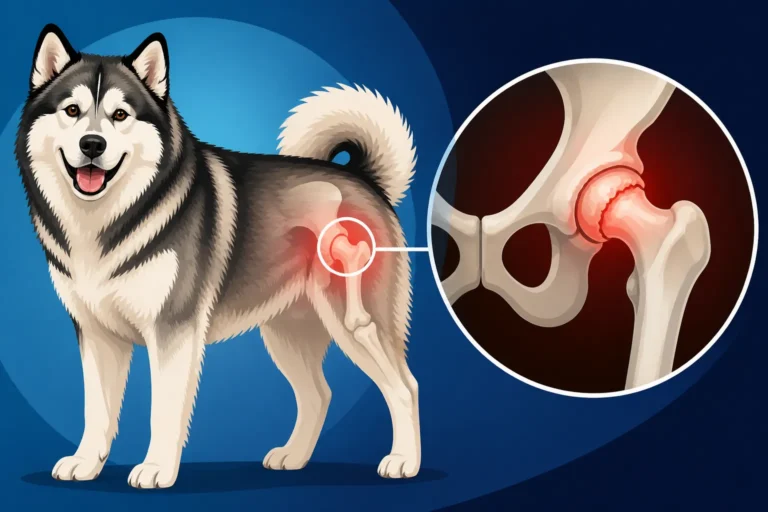
The first signs often manifest physically. You might observe your Malamute slowing down, but is it just "old age" or something more profound? Perhaps they struggle to get up after a nap, take longer to settle into a comfortable position, or show reluctance when faced with stairs they once bounded up. Persistent stiffness or a subtle limp after resting, even after light activity, can indicate underlying conditions like Arthritis in an Older Alaskan Malamute. While joint supplements and anti-inflammatory medications can help for a time, there comes a point when the pain relief isn't enough to provide true comfort. Pay close attention to how they walk – a shuffling gait, an inability to place their paws correctly, or a general awkwardness can all be indicators. They might not vocalize their pain with a cry, but a persistent sigh, a tremor, or even an avoidance of being touched in certain areas could be their way of communicating discomfort.
Beyond musculoskeletal issues, watch for changes in their breathing patterns. Is their breathing more labored, even when they're simply lying down? Are they developing a persistent cough, especially after exertion or when lying on their side? These symptoms could point to cardiac issues or lung disease, which are not uncommon in older dogs and can severely impact their comfort and ability to rest. Any unexplained swelling in their limbs or abdomen, or sudden weight loss despite a seemingly normal or even increased appetite, are serious red flags that warrant immediate veterinary attention. Their once-luxurious coat might also show signs of systemic health problems, becoming dull, brittle, or thinning in patches, sometimes accompanied by skin changes. As their primary caregiver, you know your Malamute's normal routines and physical presentation better than anyone; those small, nagging concerns you can't quite shake are often the most telling indicators that something isn't right. You might also notice Whether an Old Alaskan Malamute Feels the Cold more, indicating a decline in their ability to regulate body temperature.
Behavioral Shifts and Cognitive Decline
Just as heartbreaking as physical decline are the shifts in an older Malamute's behavior and cognitive function. Your once-attentive companion might begin to seem disoriented or confused, especially in familiar surroundings. You might find them staring blankly at walls, getting "stuck" in corners, or forgetting cues they've known their entire lives. This disorientation can be a sign that Whether an Old Malamute Gets Confused and is struggling with Canine Cognitive Dysfunction (CCD), essentially a form of doggy dementia. They might seem detached, less responsive to their name, or fail to recognize familiar faces.
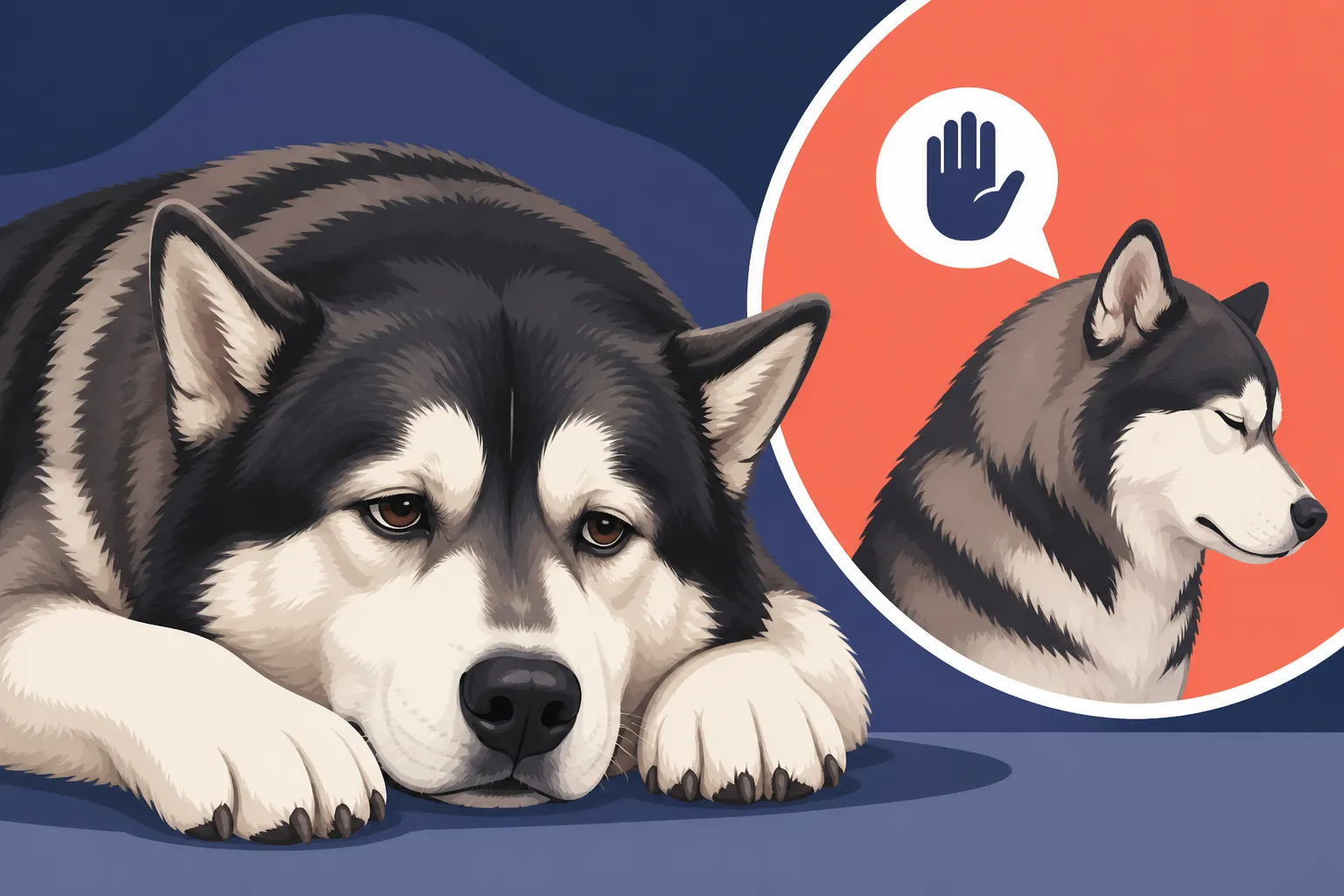
Social interactions can also undergo a significant change. A Malamute who once greeted you with enthusiastic "woos" and playful nudges might become withdrawn, less interested in cuddles, or even irritable and snappy when touched or approached unexpectedly. Their interest in toys, games, or even interaction with other pets might wane. Sometimes, these behavioral changes manifest as increased anxiety or restlessness, particularly during the night. They might pace endlessly, pant excessively, or seem unable to settle, disrupting not only their sleep but yours. These aren't simply "quirks of old age"; they often indicate a deeper discomfort, a sense of fear, or a mind that is no longer able to process its world clearly or respond appropriately, leading to distress for the dog and its family.
Changes in Appetite, Thirst, and Elimination
A Malamute's appetite can be quite individual even when they're young, but persistent and dramatic changes in an older dog are significant indicators of health decline. Are they consistently turning up their nose at meals they once devoured, or eating much less than before? Conversely, are they displaying a ravenous hunger yet still losing weight? Both scenarios can point to underlying health problems such as digestive disorders, organ failure, or metabolic diseases. Difficulty chewing their kibble or swallowing food could indicate advanced dental disease, which can be incredibly painful, or even a neurological issue affecting their ability to eat. When it comes to Feeding an Old Alaskan Malamute, monitoring their actual intake, not just offering food, is crucial.
Water intake is equally important. Are they drinking excessively, far more than usual, or hardly at all? Increased thirst can signal serious conditions like kidney disease or diabetes, which are common in senior dogs and severely impact their internal balance. Along with these changes, it's vital to monitor their bathroom habits. More frequent urination, increased indoor accidents, or prolonged straining to defecate can all be indicators of discomfort, disease progression, or a weakening of their physical control. While some forms of incontinence can be managed with medication or hygiene routines, a complete loss of bladder or bowel control that cannot be meaningfully mitigated significantly impacts your Malamute's dignity and comfort, as well as the practicality of providing consistent, high-quality care.
Objectively Assessing Your Malamute's Quality of Life
This stage is often the most emotionally draining for a Malamute owner. Our profound love for our dogs can make it incredibly difficult to objectively evaluate their well-being, as we might unconsciously rationalize away their suffering. However, moving past emotion to take an honest, unbiased look at their daily existence is crucial to making the most humane decision for them. It requires a difficult shift from wanting them to stay with you to prioritizing their comfort and peace.
The "Good Days vs. Bad Days" Dilemma
One of the most commonly discussed and heartbreaking metrics for judging a senior dog's overall well-being is the balance of "good days" versus "bad days." For a considerable period, you might observe that the good days still outweigh the bad, even if those good days come with their own set of struggles. Your Malamute might still wag their tail enthusiastically at the sound of the treat jar, enjoy a gentle head scratch, or perk up for a very short, slow amble around the yard. These moments, however fleeting, offer comfort and hope. But as their condition progresses, you might find that the bad days start to outnumber the good, or that even the "good" days aren't truly good anymore, merely "less bad" compared to their worst.
It's an incredibly human tendency to cling to those brief sparks of their former self, those last vestiges of their once-vibrant personality. But you must honestly ask yourself: is that one joyful wag of the tail or that momentary interest in a toy truly representative of their overall comfort and happiness, or is it a brief reprieve from persistent pain, nausea, or profound confusion? When your Malamute can no longer engage in the core activities that genuinely defined them – whether it's exploring the outdoors, romping in the snow, vocally greeting you, or even just comfortably resting without distress – that delicate balance has undeniably shifted. Remember that while The Ten to Fourteen Years an Alaskan Malamute Lives provides an average lifespan, each dog's individual journey through old age is unique, and some decline faster than others.
Tools and Checklists for Evaluation
To help you move past the overwhelming emotion and gain a clearer perspective, many veterinarians and pet bereavement organizations have developed comprehensive quality of life scales or questionnaires. These tools provide a structured, objective way to evaluate various critical aspects of your Malamute's daily life, allowing you to track changes over time rather than relying on a single, emotional snapshot. Common categories included in these evaluations are:
- Pain Level: Can their pain be managed effectively and consistently with medication? Are they still experiencing discomfort, stiffness, or overt signs of pain despite interventions?
- Appetite & Hydration: Are they consistently eating and drinking enough on their own without needing coaxing, force-feeding, or exhibiting nausea?
- Hygiene & Elimination: Can they relieve themselves without undue struggle, pain, or frequent accidents? Are they able to keep themselves clean, or are they frequently soiled?
- Happiness & Interest: Do they still show interest in interactions with family members, toys, or their environment? Do they appear depressed, withdrawn, anxious, or apathetic?
- Mobility: Can they stand up, walk, and reposition themselves comfortably without significant assistance, stumbling, or exhibiting severe weakness?
- Breathing: Is their breathing calm, steady, and unlabored at rest? Do they experience coughing, wheezing, or shortness of breath?
Using such a checklist consistently over several days or weeks can provide an invaluable, factual record to discuss with your veterinarian. Some dedicated owners even keep a simple journal, noting a "good," "okay," or "bad" day along with a few key observations about their Malamute's behavior and comfort levels. This documented trend can offer profound clarity during an incredibly confusing time.
| Category | Good Day Indicators | Bad Day Indicators |
|---|---|---|
| Pain Level | Comfortable, moving with ease, no overt limping | Persistent stiffness, constant limping, vocalizing discomfort |
| Appetite | Eats all meals with enthusiasm, stable weight | Refuses meals, picks at food, significant weight loss |
| Hydration | Drinks normally, good energy, moist gums | Excessive thirst, very little drinking, dehydrated gums |
| Mobility | Stands/walks unassisted, enjoys short, slow movement | Struggles to stand, collapses, needs constant assistance |
| Hygiene | Controls bladder/bowels, clean, able to posture | Frequent accidents, soiled fur, struggles to relieve self |
| Mentality/Mood | Engaged, happy, seeks interaction, clear-headed | Confused, withdrawn, restless, anxious, dull gaze, fearful |
| Breathing | Calm, steady, unlabored, no coughing | Labored, fast, shallow, persistent coughing, panting at rest |
| Enjoyment | Shows interest in treats, gentle play, family | Apathetic, ignores favorite things, no spark in eyes |
Considering Pain Management, Mobility Aids, and Interventions
Before reaching the final, heart-wrenching decision, it is entirely natural and responsible to explore every possible avenue to improve your Malamute's comfort. For many senior Malamutes, this involves a combination of aggressive pain management and practical mobility support. While Joint Supplements for an Alaskan Malamute can be highly effective in the earlier stages of arthritis and joint degradation, as conditions progress, your veterinarian might recommend stronger prescription anti-inflammatory medications, steroid injections, or even alternative therapies like hydrotherapy or acupuncture. It's crucial to have open discussions with your vet about the benefits, potential side effects, and overall effectiveness of these interventions.
Mobility aids can significantly extend a Malamute's period of comfortable independence. This might include using slings to support their hindquarters when standing or walking, installing ramps to help them navigate stairs or get into vehicles, or even considering a custom-fitted wheeled cart for dogs with severe hind leg weakness. Creating a safe, easily navigable home environment – perhaps by laying down non-slip rugs on slick floors or providing easily accessible, orthopedic beds – can also dramatically improve their daily quality of life. The critical challenge lies in objectively recognizing when these interventions are genuinely improving their comfort and extending good quality life, versus merely prolonging a state of persistent discomfort or significant dependency. Additionally, more invasive medical interventions, such as complex surgeries, might have a difficult and painful recovery for an older Malamute, making the choice about whether to proceed incredibly complex and fraught with ethical considerations. This careful balance is a key part of Caring for an Alaskan Malamute Past Eight.
Navigating the Heartbreaking Decision and Its Aftermath
Once you have diligently assessed your Malamute's quality of life and explored all viable options, the most difficult part of pet ownership arrives: making the final decision and then living with its profound aftermath. This is a testament to the depth of love and responsibility we feel for our companions.
Consulting Your Veterinarian – Your Trusted Guide
Your veterinarian is your most crucial and objective partner in navigating this profoundly difficult journey. They can provide a professional, unbiased assessment of your Malamute's physical condition, offer clear explanations of their prognosis, and discuss all available options, including when the most compassionate choice is euthanasia. Do not hesitate to ask them frank, direct questions, even if they are painful to vocalize: "Is my Malamute in pain that can no longer be adequately alleviated?", "What will the typical progression of this disease look like, and how will it impact their daily comfort?", or "Are we potentially prolonging their suffering for our own emotional needs?" A good, empathetic vet will be honest and compassionate, helping you understand the medical realities without judgment, even when those realities are heartbreaking to hear. They can help you decipher the complex array of Signs an Alaskan Malamute Is Getting Old through a professional lens.
Many veterinary practices also offer dedicated palliative care consultations, where the focus shifts entirely from curing disease to maximizing comfort and quality of life for their remaining time. They can also meticulously walk you through the logistics of euthanasia, including options for in-home services, which many owners find less stressful and more peaceful for their beloved pets. Don't let practical concerns compound your emotional distress; your vet clinic staff can provide clear information about any associated costs. While pet insurance providers like Healthy Paws are invaluable for covering unexpected illnesses and accidents throughout a Malamute's life, it's worth noting that the specific coverage for end-of-life care, such as euthanasia or cremation, can vary significantly depending on your individual policy terms and may not be covered in the same way as other treatments. Always check your policy details or speak with your provider directly during this sensitive time.
The Role of Family and Support Systems
Making this decision should ideally not be a solitary burden. Discuss it openly and honestly with family members who are equally invested in your Malamute's well-being and who share in the bond you all have. Everyone processes grief differently, and ensuring that all family members, especially children, have the opportunity to say their goodbyes in a meaningful way is incredibly important. While it's natural to want to shield children from pain, honesty, delivered through age-appropriate explanations, can help them understand the difficult choice being made out of immense love and compassion. This can be a profound lesson in empathy and the cycle of life.
Beyond your immediate family, reach out to close friends, fellow Malamute owners, or online support groups dedicated to pet loss. Sometimes, hearing from others who have walked this exact path can provide immense comfort, validation, and a sense of shared understanding. They comprehend the unique, deep bond you share with these magnificent dogs and the profound, often overlooked, grief that accompanies their loss. Never feel ashamed or embarrassed about your grief; it is a testament to the love you shared. Don't be afraid to lean on your established support system during this incredibly challenging and emotionally vulnerable time.
Preparing for the Final Moments
Once the incredibly difficult decision has been made, creating a peaceful and dignified plan for their final moments can bring a small measure of peace amidst the sorrow. Consider carefully where you want the euthanasia to happen – whether in the familiar, comforting surroundings of your home or at the veterinary office. Decide who you want to be present, ensuring that everyone who needs to say goodbye has the opportunity. Many owners choose to hold their Malamute, stroking their fur and speaking softly, offering comfort and unwavering love in their very last moments. It's also important to think about aftercare options for their remains, whether you prefer cremation (individual or communal) or burial, and communicate your wishes clearly to your vet clinic beforehand.
On the day itself, try to make it as calm, special, and love-filled as possible. Offer their absolute favorite treats, a special meal, extra gentle strokes, and soft, reassuring words. Most veterinarians will administer a sedative first, allowing your Malamute to gently drift into a relaxed, unconscious sleep before the final injection. This often makes the entire experience much calmer and more peaceful for everyone involved, especially for your beloved dog. The goal is to ensure their last moments are filled only with love, dignity, and absolute freedom from pain. Even amidst the profound heartbreak, providing a peaceful, loving departure is the final, most profound act of love and responsibility we can offer our loyal companions. Being aware of the potential financial aspects, such as What an Emergency Vet Visit Costs for a Malamute or the fees for cremation services, can help alleviate some practical worries during such an emotional time. While Healthy Paws primarily focuses on active treatments for illness and injury, they may have specific policies regarding end-of-life services, so it's always best to clarify directly with them.
Grieving and Honoring Your Malamute's Legacy
The pain of losing a beloved Alaskan Malamute is immense, a wound that can feel impossibly deep. But acknowledging, allowing, and processing your grief is an absolutely essential step towards healing. This isn't just "losing a pet"; it's losing a family member, a constant companion, and a source of unconditional love that shaped your daily life.
Processing Grief and Remembering Joy
There is no singular "right" or "wrong" way to grieve the loss of your Malamute. Allow yourself the space and permission to feel the full spectrum of emotions that will inevitably surface: the deep sadness, the profound emptiness, perhaps even anger, or a sense of relief that their suffering has ended. It is perfectly okay to cry, to talk about them endlessly, to revisit their favorite spots, or to simply need time and solitude to process. The unique bond forged with a Malamute is profound, filled with spirited adventures, unwavering loyalty, and countless cherished memories. The sudden quietness in the house, the absence of their characteristic "woo" or the comforting thud of their tail, can be profoundly unsettling and disorienting.
To help navigate this, consciously focus on and embrace the joyful memories you shared. Look through old photographs, share humorous or touching stories with family and friends, or create a meaningful memorial space for them. Simple acts like planting a tree or a special flower in their honor, donating to an Alaskan Malamute rescue organization in their name, or creating a shadow box with their collar and a favorite toy are all beautiful ways to honor their memory and keep their spirit alive. Remembering their vibrant life and the joy they brought helps to balance the acute pain of their physical absence. Many pet insurance companies, including Healthy Paws, understand the depth of this bond and sometimes offer resources or community forums where people can share stories and find support during times of pet loss, providing a much-needed outlet for communal grieving.
Finding Support and Moving Forward
You do not have to carry the weight of this grief alone. Many compassionate pet bereavement resources are available, ranging from anonymous online forums and crisis hotlines to local in-person support groups. If your grief feels overwhelming, debilitating, or unusually prolonged, please do not hesitate to seek professional help from a therapist or counselor specializing in pet loss. This is a valid and significant loss, and your feelings are entirely justified; you deserve support through it.
While the thought of ever replacing your beloved Malamute may feel impossible right now, the decision to welcome another companion into your life is an intensely personal one, with no set timeline. Some individuals and families need a considerable period to heal and process their loss, finding peace in the quiet absence for a time. Others find comfort and a renewed sense of purpose in the presence of a new furry friend, channeling their love and care into another deserving soul. There is no right or wrong answer, only what feels genuinely right for you and your family. Your Malamute left an indelible paw print on your heart and soul, and that profound love and the lessons they taught you will always remain. The deep, meaningful bond you had is a powerful testament to the incredible journey you shared, often lasting The Ten to Fourteen Years an Alaskan Malamute Lives and enriching your life in countless immeasurable ways.
Disclaimer
This article is for general informational purposes only and does not constitute professional advice. Laws, prices and regulations vary by location and change over time. Consult a qualified professional for guidance on your specific situation.