Whether One Panel Covers All Three Malamute Diseases
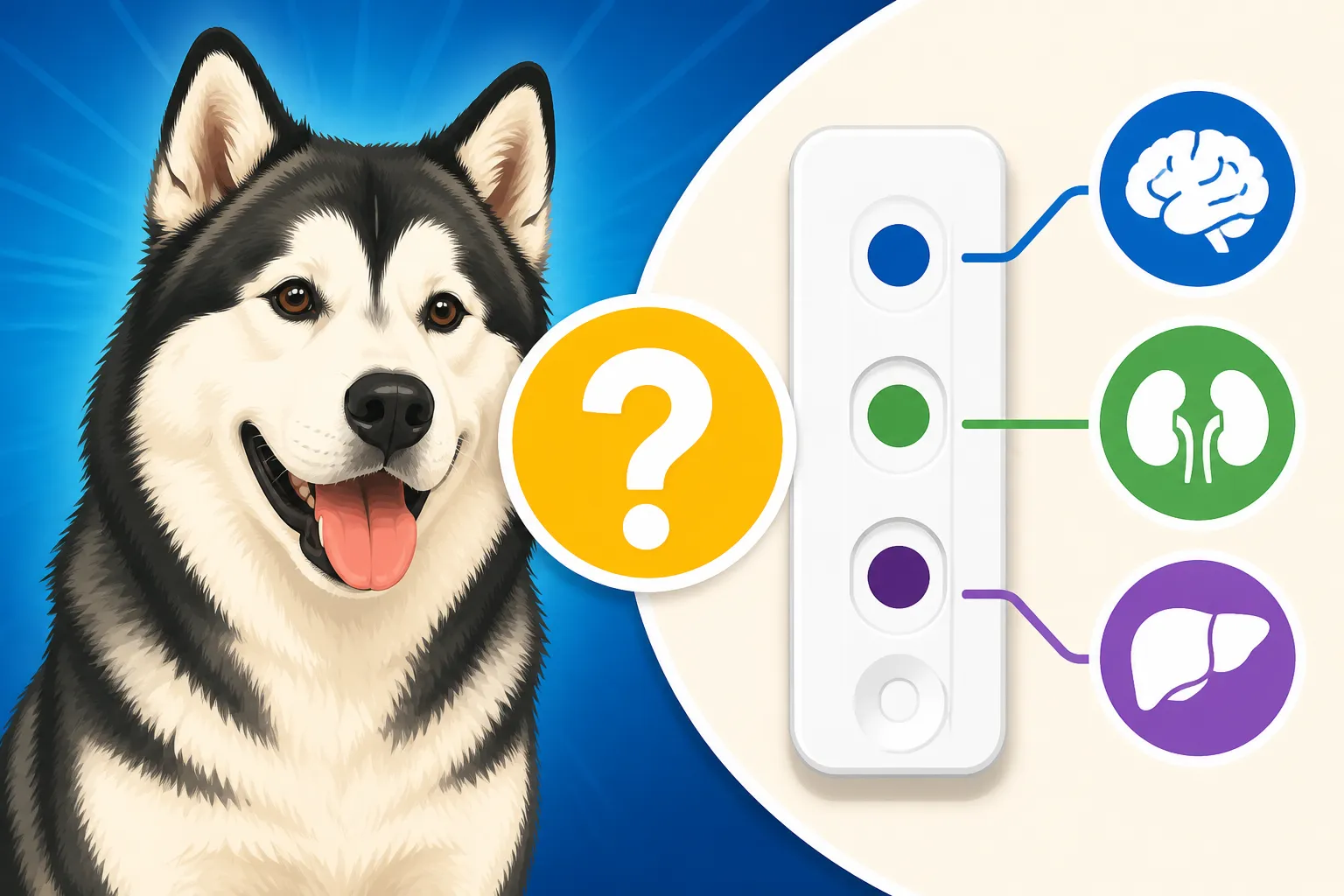
It’s a truly frustrating experience when you're trying to be a responsible Alaskan Malamute owner or breeder, delving into the world of genetic health testing, and feel completely overwhelmed by the sheer number of tests and the confusing jargon. You want to ensure your magnificent companion lives the healthiest, happiest life possible, but figuring out if one simple panel can cover all the major inherited diseases unique to the breed often feels like deciphering an ancient scroll. This guide will clarify whether a single genetic health panel truly encompasses all three primary inherited Malamute diseases – Chondrodysplasia, Inherited Polyneuropathy, and Day Blindness – and help you understand how to best navigate your Malamute's genetic health journey.
Understanding the "Big Three" Alaskan Malamute Genetic Concerns
Alaskan Malamutes are generally robust, but like many purebred dogs, they are predisposed to certain inherited conditions that concerned breeders and owners actively work to minimize through careful breeding and genetic testing. When we talk about the "big three" Malamute diseases in this context, we're typically referring to three distinct genetic disorders that can significantly impact a dog's quality of life. Understanding each one individually is the first step toward understanding their testing.
Chondrodysplasia: The Dwarfism Gene
Chondrodysplasia, often simply called dwarfism in Malamutes, is a serious genetic condition affecting skeletal development. Affected dogs exhibit disproportionately short limbs, a broader skull, and other skeletal abnormalities, which can lead to lameness and discomfort. It's not just about looking different; it's about the underlying health implications that can affect their mobility and overall well-being throughout their lives. The disease affects cartilage and bone formation, resulting in limbs that stop growing prematurely.
Puppies affected by Chondrodysplasia usually appear normal at birth, but by a few weeks of age, their shorter limbs become noticeable. Breeders and owners often observe that while the body grows, the legs seem to fall behind in development. This can lead to a very distinctive appearance and, more importantly, can cause issues with joint health and movement as the dog ages. Finding out Whether a Dwarf Malamute Puppy Looks Normal at Birth or The Week a Dwarf Malamute's Legs Fall Behind is crucial for early detection. There is a specific DNA test available to identify carriers and affected dogs, which is a powerful tool for preventing the breeding of two carriers, which would produce affected offspring.
Inherited Polyneuropathy: The Stumbling Sled Dog's Challenge
Inherited Polyneuropathy (IPN) is a progressive neurological disorder that affects the peripheral nerves of Alaskan Malamutes. It can manifest in a range of symptoms, including weakness, incoordination, and a characteristic "high-stepping" gait, especially in the front legs. Imagine your powerful Malamute, bred for incredible endurance and strength, suddenly struggling with basic movements – it's heartbreaking to witness. The condition often progresses, leading to severe mobility issues and, in some cases, difficulty breathing due to nerve damage affecting the respiratory muscles.
The onset of IPN typically occurs in adolescent or young adult Malamutes, often around one year of age, though it can vary. Owners might first notice subtle changes like a slight stumble, a change in bark, or reduced stamina during exercise. Over time, these symptoms become more pronounced, impacting the dog's ability to walk, eat, and even breathe normally. Thankfully, a reliable DNA test exists to screen for the specific genetic mutation responsible for this disease. This allows breeders to make informed decisions and prevent passing on the gene, making progress in eliminating the disease from the breed. You can learn more about What Inherited Polyneuropathy Does to a Malamute and The DNA Test That Finds Malamute Polyneuropathy.
Day Blindness: The Bright Light Sensitivity
Day Blindness, also known as CNGB3 cone degeneration, is an inherited ocular condition in Alaskan Malamutes that primarily affects their vision in bright light conditions. Dogs with this condition have impaired function of their cone photoreceptor cells, which are responsible for vision in well-lit environments and color perception. This means that while they might see relatively normally in dim light or at dusk, they become functionally blind or severely impaired when exposed to sunlight or bright indoor lighting. It's like living in a perpetual state of squinting and bumping into things when the sun is out.
For a Malamute, a breed known for its love of outdoor activities and expansive environments, this condition can be particularly challenging. Owners often observe their day-blind Malamutes hesitating or bumping into objects outdoors on sunny days, preferring shaded areas, or even refusing to go out altogether when the sun is high. They often see much better in the evening or at night. The good news is that this condition is well-understood genetically, and a specific DNA test is available to identify affected dogs and carriers. Widespread testing has made a significant impact on reducing the incidence of day blindness in the breed, as breeders can avoid mating two carrier dogs. For more details, explore What Day Blindness Does to a Malamute and The CNGB3 Test for Malamute Day Blindness.
The Reality of Comprehensive Genetic Testing Panels
When you start looking into genetic testing, you'll encounter various options, from individual tests for specific diseases to comprehensive breed panels. The key question for Malamute owners and breeders is whether one of these panels truly covers all the "big three" diseases. The answer, unfortunately, isn't always a straightforward "yes."
What a Standard Genetic Health Panel Offers and What It Might Miss
Many commercial genetic testing companies offer "breed-specific health panels" that screen for a range of inherited conditions common to a particular breed. These panels are incredibly valuable, as they often cover dozens, if not hundreds, of genetic markers for various diseases, traits, and even drug sensitivities. They can provide a wealth of information about your Malamute's genetic makeup, including predispositions to conditions that might not be immediately obvious.
However, the definition of a "standard" or "comprehensive" panel can vary significantly between different laboratories and even change over time as new research emerges. While many reputable panels do include tests for Chondrodysplasia, Inherited Polyneuropathy, and Day Blindness for Alaskan Malamutes, it's never safe to assume. You must meticulously review the specific list of diseases covered by any panel you consider. Sometimes, a panel might cover one or two of these Malamute-specific conditions but omit another, or it might only test for the most common mutation of a particular disease, missing less common variants. Always check the fine print to confirm that the specific tests for the known Malamute mutations for all three conditions are explicitly listed.
The Specificity of Individual Genetic Tests for Malamutes
Because of the potential for variation in comprehensive panels, many breeders and conscientious owners opt for individual tests or supplement a broad panel with specific tests for the "big three" Malamute diseases if they are not explicitly listed or confirmed within the panel. This approach ensures that all three critical conditions are thoroughly screened for, leaving no stone unturned.
Individual tests are designed to target a single genetic mutation responsible for a specific disease. For Alaskan Malamutes, this means there are dedicated tests for the Chondrodysplasia gene, the Inherited Polyneuropathy gene, and the CNGB3 gene for Day Blindness. Opting for these specific tests provides absolute clarity on your Malamute's status for each condition. While it might sometimes mean ordering tests from different labs or incurring slightly higher costs overall than a single, less comprehensive panel, the peace of mind and accuracy gained are often considered well worth the investment, especially for breeding animals. For serious breeders, these individual tests, or panels that explicitly list them, are non-negotiable before a dog enters a breeding program.
The Evolving Landscape of Genetic Testing Providers
The field of canine genetics is constantly advancing, with new tests being developed and existing panels being updated. This can make it tricky to keep up, but it also means more comprehensive and accurate testing options are becoming available. Labs dedicated to canine genetics are often at the forefront, developing and refining these tests.
When researching providers, look for laboratories that are well-respected in the canine genetics community and have a strong track record. They should provide clear, understandable reports and ideally offer genetic counseling or support if you have questions about the results. Some companies might specialize in certain breeds or conditions, while others offer a broader range of tests. Always verify the specific diseases covered in their Malamute-specific panels. This ensures you're getting the most thorough screening available for your beloved companion.
Here’s a quick overview of the “Big Three” Malamute diseases and typical testing availability:
| Disease | Primary Symptoms | Age of Onset | Genetic Test Availability | Carrier Test Available |
|---|---|---|---|---|
| Chondrodysplasia (Dwarfism) | Disproportionately short limbs, skeletal issues | Weeks to months | Yes | Yes |
| Inherited Polyneuropathy (IPN) | Weakness, incoordination, gait changes, breathing | 1-2 years | Yes | Yes |
| Day Blindness (CNGB3) | Impaired vision in bright light, normal in dim | Weeks to months | Yes | Yes |
Deciphering Genetic Test Results and Their Implications
Receiving your Malamute's genetic test results can feel like opening a complex medical document. Understanding what "clear," "carrier," or "affected" means is crucial, not just for your dog's future but potentially for the breed as a whole. It's more than just a piece of paper; it's a guide to making informed decisions.
Understanding Carrier Status vs. Affected Status
Genetic tests typically categorize a dog's status for a particular recessive genetic disease into three main groups:
- Clear: This means your Malamute does not carry the mutated gene for the disease in question. They cannot develop the disease and cannot pass the gene on to their offspring. This is the ideal status for both pet and breeding animals.
- Carrier: A carrier Malamute has one copy of the mutated gene and one normal copy. They generally do not show symptoms of the disease themselves because the normal gene copy compensates. However, they can pass the mutated gene on to approximately 50% of their offspring. Breeding two carriers together carries a significant risk of producing affected puppies.
- Affected: An affected Malamute has two copies of the mutated gene (one from each parent) and will develop the disease. The severity and age of onset can vary, but these dogs will experience the symptoms associated with the condition.
Understanding these distinctions is vital, especially if you are considering breeding your Malamute. Knowing Whether Both Malamute Parents Must Carry Polyneuropathy to produce an affected puppy is key to responsible breeding practices.
Making Informed Decisions for Your Malamute's Future
Once you have your Malamute's genetic test results, it's time to put that information to good use. For pet owners, knowing their dog's genetic predispositions allows them to be proactive about their Malamute's health. For example, if your dog is identified as a carrier for a condition that has milder forms or late onset, you can discuss monitoring strategies with your vet. While some conditions like Day Blindness are less manageable once symptoms appear, early awareness can help you adapt your Malamute's environment for comfort.
For breeders, genetic testing is a foundational pillar of responsible breeding. The goal is to eliminate serious genetic diseases from the breed without unduly restricting the gene pool. This means strategically breeding carriers to clear dogs to avoid producing affected offspring, while still preserving desirable traits. Reputable breeders will always perform The Health Tests Both Alaskan Malamute Parents Should Have before considering a litter, and they should be transparent about their results, providing them to prospective puppy buyers. Don't be shy about asking Whether a Malamute Buyer Can See the Breeder's Results.
The Role of Your Veterinarian and Breeder in Genetic Health
Your veterinarian is an invaluable resource in understanding and interpreting genetic test results. They can explain the medical implications of any carrier or affected status, discuss potential prophylactic measures, and advise on management strategies if your Malamute is diagnosed with a genetic condition. They can also help you understand how these genetic insights fit into your dog's overall health picture. For instance, if you suspect Signs an Alaskan Malamute Is Getting Old, your vet can help differentiate age-related changes from potential genetic conditions.
A responsible breeder is another crucial partner. They should be well-versed in the genetic health of their lines and the breed as a whole. They can explain their breeding decisions based on genetic testing, discuss the prevalence of certain conditions in their specific pedigrees, and offer guidance and support throughout your Malamute's life. A good breeder actively contributes to Whether a Malamute's Inherited Diseases Are Being Bred Out by using these tests diligently.
Beyond DNA: Holistic Health Management for Your Malamute
While genetic testing provides invaluable insights into your Malamute's predispositions, it’s just one piece of the puzzle. A truly comprehensive approach to your Malamute's health involves consistent care, a watchful eye, and proactive management of their environment and diet. It's about nurturing the whole dog, not just managing their genetic code.
Regular Vet Check-ups and Ancillary Screenings
Even with clear genetic tests for common diseases, regular veterinary check-ups are paramount. Your vet performs physical exams, looks for subtle changes that could indicate emerging health issues, and discusses preventative care. For a breed prone to certain orthopedic issues, for instance, early detection of hip or elbow discomfort can make a huge difference in long-term mobility. These routine visits allow your vet to establish a baseline for your dog's health, making it easier to spot deviations as they age.
Beyond general check-ups, certain physical screenings remain crucial. For example, hip and elbow evaluations through organizations like OFA (Orthopedic Foundation for Animals) are standard practice for many large breeds, including Malamutes, to assess for conditions like hip dysplasia. Eye exams by a veterinary ophthalmologist can also detect issues not covered by DNA tests. These ancillary screenings provide a complete picture of your Malamute’s structural and functional health, going beyond what DNA alone can tell you. Understanding The Age a Malamute Is Certified by OFA for hips is a key part of this process.
Nutritional and Environmental Support
A well-balanced, high-quality diet is the cornerstone of good health for any dog, and Alaskan Malamutes are no exception. Proper nutrition supports strong bones, healthy coats, and robust immune systems. For Malamutes, whose metabolism is remarkably efficient, getting the right balance of nutrients without overfeeding is key to preventing obesity and supporting their unique physical demands. Sometimes, dietary supplements may be recommended by your vet, particularly for joint health as they age, or to support skin and coat condition. While not directly for genetic disease, a good diet contributes to overall resilience. You can often find a wide variety of high-quality foods and supplements through retailers like Chewy, or explore fresh food options like Ollie, discussing these choices with your veterinarian to tailor them to your Malamute's specific needs.
Environmental factors also play a huge role. Providing an enriching environment, plenty of appropriate exercise (without overexertion, especially in heat), and mental stimulation can significantly impact your Malamute's well-being. For a breed that loves to dig, offering a designated digging spot can prevent destructive behavior and provide a healthy outlet. Understanding the breed’s needs, such as a strong, secure fence for a Malamute that was Fencing a Yard Against a Malamute That Was Bred to Dig, is also a part of holistic care.
Preparing for Potential Health Challenges
Despite all best efforts, health challenges can still arise. Having a plan in place, both financially and practically, can reduce stress during difficult times. Pet insurance, for example, can be a lifesaver, helping to cover unexpected veterinary costs, which can quickly escalate with serious illnesses or injuries. Companies like Healthy Paws offer various plans that can help manage the financial burden of veterinary care. It's always wise to research what's covered, especially regarding inherited or congenital conditions, and sign up when your Malamute is young and healthy to avoid pre-existing condition exclusions.
Being prepared also means observing your Malamute closely for any changes in behavior, appetite, mobility, or appearance. Early detection often leads to more effective treatment and better outcomes. Know your dog's normal, so you can spot when something is amiss.
Championing Genetic Health in the Alaskan Malamute Community
The health of the Alaskan Malamute breed is a collective responsibility, shared by dedicated breeders, owners, and veterinary professionals. By actively engaging in genetic testing and promoting ethical practices, we can continue to make strides toward a healthier future for these magnificent dogs.
Advancing Research and Breed-Wide Efforts
Genetic research is a dynamic field, and what we know today about Malamute health is far more extensive than even a decade ago. Continued research into canine genetics helps identify new disease markers, refine existing tests, and develop strategies for managing and preventing inherited conditions. Breed clubs and health foundations often play a crucial role in funding and promoting this research, working closely with geneticists and veterinarians.
These efforts aren't just about finding problems; they're about finding solutions. The goal is to improve the overall health and longevity of the breed, ensuring that future generations of Alaskan Malamutes are even healthier than those before them. Supporting breed-specific health initiatives, whether through donations, participation in health surveys, or simply sharing information, contributes to this larger goal.
The Responsibility of Every Malamute Owner and Breeder
For breeders, the responsibility is clear: utilize available genetic tests, understand the results, and make informed breeding decisions that prioritize health. This means not just testing breeding stock but being transparent about results with puppy buyers and educating them on the importance of genetic health. It also means engaging in ongoing education to stay abreast of the latest scientific findings and best practices in canine reproduction and genetics. Whether a Malamute Breeder Should Publish DNA Results is a question that highlights this transparency.
For owners, the responsibility involves choosing a reputable breeder who prioritizes health testing, continuing regular veterinary care, and understanding their individual Malamute's health needs. It also means being a vigilant observer of your dog’s health and collaborating with your vet when concerns arise. By advocating for responsible breeding and making informed choices, you become an integral part of the larger effort to safeguard the health of the Alaskan Malamute. Ultimately, every informed decision contributes to a brighter, healthier future for these wonderful dogs we love so much.
Disclaimer
This article is for general informational purposes only and does not constitute professional advice. Laws, prices and regulations vary by location and change over time. Consult a qualified professional for guidance on your specific situation.