What Zinc Supplements Cost a Malamute Owner Yearly
One of the unique challenges of sharing your life with an Alaskan Malamute is navigating their specific health needs, and among the most common and persistent is their predisposition to zinc malabsorption. Many new owners quickly discover that managing this genetic quirk often means a lifetime commitment to supplementation, leaving them wondering not just if they need zinc, but what that ongoing cost will look like every single year. This guide is here to break down the factors influencing the yearly financial outlay for zinc supplements, helping you budget wisely and keep your furry companion healthy.
Understanding Your Malamute's Special Zinc Needs
It’s truly a testament to the Malamute breed’s unique physiology that a common mineral like zinc can become such a focal point of their health. Unlike many other breeds that easily absorb zinc from their diet, Alaskan Malamutes often struggle with this process. It's not necessarily about the amount of zinc in their food, but their body's inherent difficulty in utilizing it efficiently. This predisposition isn't just a minor inconvenience; it can lead to a condition known as Zinc Responsive Dermatosis in an Alaskan Malamute.
Why Alaskan Malamutes Need Extra Zinc
The genetic basis for poor zinc absorption in Malamutes is a fascinating, if frustrating, aspect of the breed. It means that even if you're feeding a top-tier, balanced diet, your Malamute might still not be getting enough usable zinc into their system. Their bodies simply aren't as efficient at extracting and utilizing this vital nutrient as other dogs. This isn't a dietary deficiency in the traditional sense, but rather a metabolic one. Think of it like a faulty gate that won't let enough good stuff in, no matter how much is available at the entrance.
This unique metabolic challenge underscores why a "one-size-fits-all" approach to canine nutrition simply doesn't work for our Mals. What might be perfectly adequate for a Labrador could leave a Malamute struggling with chronic skin issues, immune system weaknesses, and even more serious conditions. It's a fundamental difference that requires a proactive and consistent approach to their care.
The Consequences of Zinc Deficiency
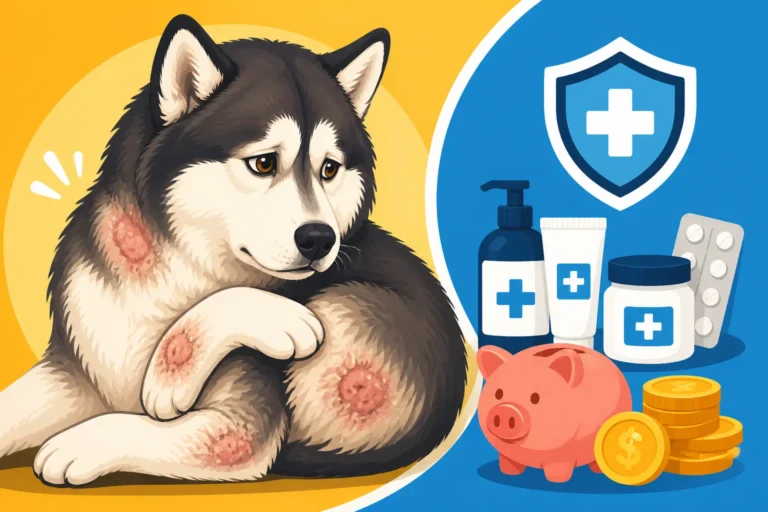
When a Malamute's body can't absorb enough zinc, the signs often start subtly before becoming more pronounced. You might first notice changes in their skin and coat – perhaps some dry, flaky patches, especially around the eyes, mouth, and paw pads. These can then progress to crusting, hair loss, and even secondary bacterial infections, making your Malamute miserable and itchy. It's a painful cycle that can drastically impact their quality of life.
Beyond skin issues, zinc plays a crucial role in immune function, growth, and overall cellular health. A prolonged deficiency can weaken their immune system, making them more susceptible to other illnesses, and in severe cases, it can even contribute to issues like Chondrodysplasia and the Malamute That Absorbs a Quarter of Its Zinc. Understanding this genetic predisposition is the first step in appreciating why consistent zinc supplementation isn't just a suggestion, but a necessity for many Malamutes.
Types of Zinc Supplements and Their Cost Implications
When it comes to zinc supplements for your Malamute, you'll quickly discover that not all zinc is created equal. The form of zinc, its bioavailability, and how it's packaged can all play a significant role in both its effectiveness and its yearly cost. It’s not just about getting zinc into them, but ensuring their body can actually use it.
Chelated Zinc vs. Inorganic Zinc
The primary distinction you'll encounter is between chelated zinc and inorganic zinc forms. Chelated zinc, such as zinc methionine or zinc picolinate, means the zinc is bound to an amino acid. This binding essentially "hides" the zinc from other compounds in the gut that might interfere with its absorption, making it far more bioavailable for your Malamute. Because it's more easily absorbed, less is often needed, and it's generally considered the gold standard for breeds with absorption issues.
Inorganic forms, like zinc sulfate or zinc oxide, are typically less expensive per dose but are also much harder for a Malamute's system to absorb. This means you might need to give a higher dose, or a significant portion of it might pass through their system unused. While the upfront cost might seem lower, the actual amount of usable zinc your Malamute receives could be minimal, potentially leading to persistent deficiency symptoms and wasted money in the long run. Many Malamute owners have found that trying to save money on cheaper, less bioavailable zinc ultimately costs them more in vet visits and treating ongoing skin problems.
Pills, Powders, and Liquids: Delivery Methods and Pricing
Zinc supplements come in various formats, each with its own price point and ease of administration. Pills or capsules are perhaps the most common, and their cost can vary widely depending on the brand, dosage, and whether they contain other beneficial ingredients. Some Malamutes are notoriously picky, making pill administration a daily battle, which might lead owners to consider other forms.
Powdered zinc supplements can be mixed directly into food. This can be a great option for picky eaters, but measuring accurately is key. The cost per dose can sometimes be lower than pills, especially if bought in larger tubs. Liquid forms are also available and can offer precise dosing, often appealing to owners who prefer to use a dropper to administer medicine directly. They tend to be more expensive per dose than powders or pills but might offer superior absorption. Consider your Malamute's preferences and your own routine when choosing the format, as adherence to the supplementation schedule is paramount.
Factors Influencing Yearly Zinc Supplement Costs
The actual monetary cost of keeping your Malamute properly supplemented with zinc isn't a flat fee. Several variables will impact how much you spend annually, from the specific supplement you choose to the individual needs of your dog.
Dosage Requirements Based on Weight and Severity
A larger Malamute, naturally, will require a higher dose of zinc than a smaller one, simply because of their body mass. This immediately translates into needing more pills, more powder, or more liquid over a year, thus increasing the overall cost. Furthermore, the severity of your Malamute's zinc malabsorption or existing dermatological issues might necessitate a higher initial dose to get their system back on track, before settling into a maintenance dose. Your veterinarian will work with you to determine the appropriate starting and maintenance dosages, which can fluctuate over time.
For instance, a young, growing Malamute puppy might have different needs than an adult or a senior Malamute, impacting Whether a Malamute's Zinc Dose Changes With Age. It's not just a set amount; it's a tailored approach, which is why ongoing vet consultations are so important to fine-tune their regimen.
Brand, Quality, and Sourcing
Just like with human supplements, the brand and quality of canine zinc supplements vary considerably. Reputable brands that conduct third-party testing, ensure purity, and use highly bioavailable forms of zinc will generally command a higher price. This premium often reflects their commitment to quality ingredients and proper manufacturing processes. Conversely, cheaper, lesser-known brands might not offer the same efficacy, potentially leading to a "you get what you pay for" scenario where your Malamute isn't truly benefiting.
Sourcing also plays a role. Supplements made with high-quality ingredients from trusted origins might be more expensive than those with ambiguous sourcing. It's often worth the extra investment to ensure you're giving your Malamute a product that is both safe and effective. When considering options, it's wise to discuss different brands with your vet to see which they recommend.
Where You Purchase Supplements
The retail outlet where you buy your Malamute's zinc supplements can also impact your yearly expenditure. Your veterinarian's office might carry specific brands they trust, but these can sometimes be at a higher price point than what you'd find online. Online retailers, like Chewy, often offer competitive pricing, bulk discounts, and subscription services that can lead to significant savings over the year.
Comparing prices from various vendors is always a good strategy. Sometimes local pet stores might have specials, or you could find a specialty supplement store with good options. However, always prioritize quality and veterinarian recommendation over the absolute lowest price, especially for something as critical as zinc supplementation. A small saving on a less effective product could lead to bigger problems and costs down the line.
Beyond the Supplement: Associated Costs and Considerations
While the direct cost of zinc supplements is a significant part of the equation, there are other related expenses you should factor into your yearly budget for a Malamute with zinc malabsorption. These associated costs contribute to the overall financial commitment of managing this condition effectively.
Veterinary Consultations and Diagnostic Tests
Regular veterinary check-ups are essential for any Malamute, but they become even more critical when managing a condition like zinc deficiency. Your vet will monitor your Malamute's progress, assess the effectiveness of the current supplement regimen, and adjust dosages as needed. These routine visits, typically once or twice a year, will incur consultation fees.
Additionally, diagnostic tests might be necessary, especially if symptoms persist or if your Malamute is newly diagnosed. While there isn't a universally reliable blood test for zinc levels in dogs that perfectly correlates with clinical signs, your vet might recommend blood panels to rule out other conditions, assess overall health, or check for secondary infections. They might also suggest What a Skin Biopsy Costs on a Malamute if skin issues are severe and need a definitive diagnosis. These tests, while not frequent, add to the yearly cost.
Dietary Adjustments and Specialty Foods
Sometimes, managing zinc malabsorption isn't just about adding a supplement; it also involves making strategic dietary choices. Certain ingredients in dog food can actually interfere with zinc absorption, such as high levels of calcium or phytates found in some grains. This might mean your vet recommends avoiding certain foods or opting for specialty diets formulated to support skin health or improve nutrient absorption.
Brands like Ollie, for instance, focus on fresh, human-grade ingredients, and while they might not directly address zinc malabsorption with specific supplements, their balanced and easily digestible formulations could be part of an overall strategy recommended by your vet to support your Malamute's health. Switching to a higher-quality kibble or a fresh food diet can sometimes come with a higher price tag than conventional options, contributing to the overall yearly expense.
Treating Secondary Infections or Flare-ups
Despite consistent supplementation, Malamutes can occasionally experience flare-ups of their zinc-responsive dermatosis, especially during times of stress, illness, or if there's a slight imbalance in their diet or environment. These flare-ups can lead to secondary bacterial or yeast infections, which then require additional veterinary intervention.
Treatment for these infections might include antibiotics, antifungal medications, medicated shampoos, or topical treatments, all of which come with their own costs. Preventing these painful and uncomfortable episodes through diligent and consistent zinc supplementation is always the goal, as managing a full-blown infection is not only more distressing for your Malamute but also significantly more expensive than prevention.
Saving Smart: Strategies to Manage Supplement Expenses
While zinc supplementation is a necessary lifelong commitment for many Malamutes, there are smart strategies you can employ to help manage the yearly costs without compromising your dog's health. Being a savvy owner means doing your research and making informed choices.
Buying in Bulk and Utilizing Subscriptions
One of the most effective ways to reduce the per-dose cost of zinc supplements is to purchase them in larger quantities. Many brands offer bigger bottles or tubs that are more cost-effective than smaller packages. If your Malamute is on a consistent dosage, buying a 6-month or even a year's supply at once can lead to substantial savings.
Additionally, many online retailers, including platforms like Chewy, offer subscription services where you can set up recurring deliveries. These often come with a percentage discount on each order, free shipping, and the convenience of never running out. It’s a win-win, saving you money and ensuring your Malamute's supplements arrive reliably at your doorstep.
Comparing Online Retailers vs. Vet Clinics
As mentioned earlier, where you buy your supplements can significantly impact the price. It's always a good idea to get a quote from your veterinarian's office for their recommended brand and then compare that price with reputable online pet pharmacies or large retailers. You might find that the exact same product is available for less online.
However, always ensure you're purchasing from a trusted source. Counterfeit or improperly stored supplements can be ineffective or even harmful. If your vet has a specific brand they prefer, ask if they can match an online price or if they can write you a prescription that allows you to buy it elsewhere. Building a good relationship with your vet means they're often willing to work with you on these aspects.
Exploring Pet Insurance Coverage
While pet insurance typically covers unexpected illnesses and accidents, it's worth checking if your policy, such as one from Healthy Paws, offers any coverage for diagnostic tests related to zinc deficiency or for prescription zinc supplements if deemed medically necessary by a vet. Most standard policies might not cover routine preventative supplements, but if your Malamute develops severe dermatosis requiring specialist treatment or frequent blood work, some aspects might be covered.
It's crucial to read your policy's fine print and understand what constitutes a "pre-existing condition" versus a treatable illness. For Malamutes newly diagnosed with zinc-responsive dermatosis, certain aspects of their treatment and monitoring might be covered, which could help offset some of the associated costs. Always call your insurance provider directly to clarify what your specific plan entails.
Long-term Perspective: Zinc Supplementation as a Lifetime Commitment
For many Alaskan Malamutes, zinc supplementation isn't a temporary fix; it's a fundamental part of their daily care that will extend throughout their entire life. Understanding this long-term commitment is crucial for both their well-being and your financial planning.
The Ongoing Nature of Malamute Zinc Needs
Because the issue stems from a genetic predisposition to malabsorption, it's not something your Malamute will "grow out of" or that can be cured. Therefore, Whether a Malamute Needs Zinc for Life is a question that most Malamute owners quickly learn the answer to. Consistent, daily supplementation is the key to preventing the recurrence of painful and irritating symptoms. Missing doses or stopping supplementation prematurely often leads to a quick return of skin problems and other issues.
This means you need to integrate the cost and routine of zinc supplementation into your long-term pet care budget. It's similar to feeding them daily or providing their annual vaccinations – it becomes a standard, non-negotiable part of their care. Embracing this reality from the outset will help you avoid frustration and ensure your Malamute remains happy and healthy for years to come.
Impact on Quality of Life and Preventing Emergency Costs
The value of consistent zinc supplementation extends far beyond just preventing crusty skin. By keeping your Malamute's zinc levels optimized, you're investing in their overall quality of life. They'll be more comfortable, less prone to skin infections, and their immune system will be better equipped to handle other challenges. Think of it as a foundational layer of health support for them.
Neglecting zinc supplementation can lead to chronic dermatological issues, which are not only distressing for your dog but can also result in costly emergency vet visits, extensive courses of antibiotics, pain medication, and specialized shampoos. These reactive treatments often far outweigh the cost of proactive, consistent supplementation. Investing in zinc supplements is an investment in preventing more serious, expensive, and uncomfortable problems down the road. It’s about ensuring The Ten to Fourteen Years an Alaskan Malamute Lives are as comfortable and healthy as possible.
A Yearly Cost Overview for Zinc Supplements
To give you a clearer picture, here's a general idea of how the costs can stack up, keeping in mind that actual figures will vary widely based on your specific choices, your Malamute's needs, and market prices. This table illustrates the range you might expect for different types of zinc supplements over a year.
| Factor | Typical Cost Shape (Per Year) | Considerations |
|---|---|---|
| Chelated Zinc (Pills/Capsules) | Moderate to High | Higher bioavailability, often requiring fewer pills. Premium brands cost more. |
| Chelated Zinc (Powder) | Moderate | Good for picky eaters, often more cost-effective in larger tubs. Requires accurate measuring. |
| Inorganic Zinc (Pills/Powder) | Low to Moderate (but potentially less effective) | Cheaper upfront, but absorption issues mean your Malamute might not get enough usable zinc. May need higher doses. |
| Liquid Zinc | Moderate to High | Precise dosing, potentially faster absorption. Can be more expensive per dose. |
| Vet Consults (related) | Varies, typically 1-2 visits annually | Essential for monitoring and adjusting dosage. |
| Diagnostic Tests | Occasional, but can be significant when needed | Bloodwork, skin biopsies to rule out other issues or confirm diagnosis. |
| Treating Flare-ups | Variable, potentially high if infections occur | Antibiotics, medicated shampoos, anti-inflammatories for secondary infections. |
| Specialty Diets | Can be 10-25% higher than standard kibble | If recommended to support absorption or skin health. |
Ultimately, while the yearly cost of zinc supplements and associated care for your Malamute requires a dedicated budget, it's a small price to pay for their comfort, health, and happiness. Understanding these expenses and proactively planning for them will help you navigate this unique aspect of Malamute ownership with confidence.
Disclaimer
This article is for general informational purposes only and does not constitute professional advice. Laws, prices and regulations vary by location and change over time. Consult a qualified professional for guidance on your specific situation.