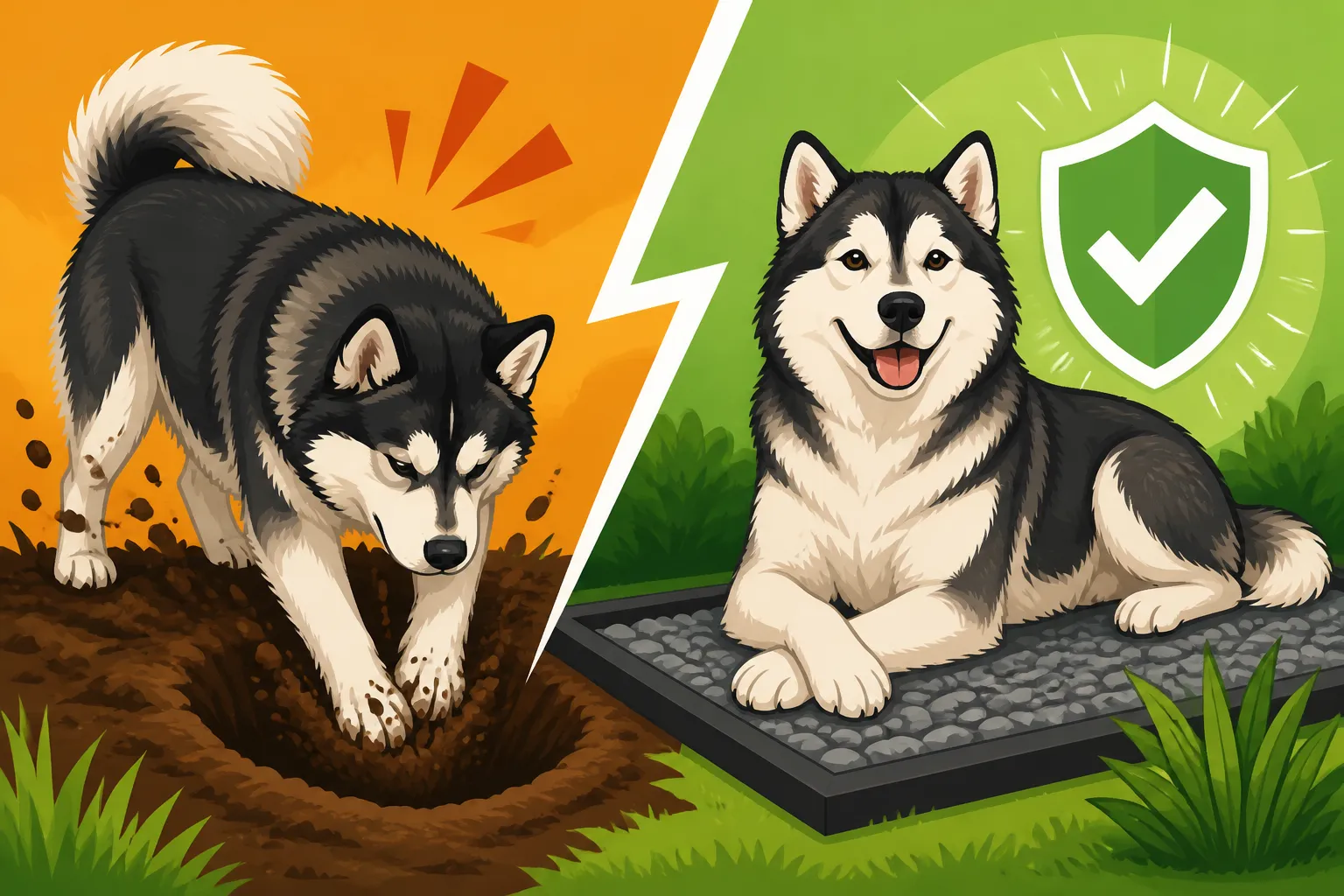
What Actually Stops a Malamute Digging
Oh, the infamous Malamute digging! If you're reading this, you're likely staring out at a lunar landscape where your once-pristine yard used to be, feeling utterly exasperated. You’ve tried filling holes, yelling "no," and probably even resorted to dramatic gestures, only to find a new crater forming by morning. It's a deeply frustrating experience, making you wonder if anything short of concrete will actually stop your majestic Malamute from turning your garden into a construction site. This guide is here to tell you that while completely stopping it might be an uphill battle against thousands of years of instinct, there are very real, actionable strategies that can redirect, manage, and significantly reduce this deep-seated behavior, helping you reclaim your yard and your sanity.
Understanding the Deep-Rooted Instinct to Dig
Let's be brutally honest: your Malamute isn't digging to spite you. They aren't doing it because they're "bad" dogs. They're doing it because it’s written into their very DNA, a survival instinct honed over millennia. To truly get a handle on the digging, we first have to understand why they do it. It's not just a quirk; it's a fundamental part of who they are.
The Ancestral Imperative: Why They Dig
Imagine their ancestors, the dogs of the Mahlemut people in the harsh Arctic. Digging wasn't a pastime; it was essential for survival.
- Hunting and Caching: These dogs were often part of hunting parties, and after a successful hunt, they'd bury excess meat to keep it safe from scavengers and preserved by the cold earth. That instinct to "hide" or "store" things, even a favorite toy or a stray kibble, translates into digging today. You might see your Malamute burying a bone or a treasured squeaky toy with immense focus, patting the dirt down with their nose afterwards – that's pure, unadulterated instinct at play.
- Denning and Shelter: In extreme weather, digging provided shelter. A shallow depression in the snow or earth could offer protection from biting winds, or a cooler spot to escape the summer sun. This natural inclination to create a secure, comfortable "den" is deeply ingrained. If your Malamute is left outside and feels exposed, or is too hot, digging a den is a completely rational, albeit inconvenient, response for them.
- Exploring and Sensory Input: Malamutes are incredibly intelligent and curious dogs. Digging is a fantastic way to explore their environment through scent and touch. There might be interesting smells just below the surface—roots, insects, or the faint scent of a critter that passed by. For a dog that thrives on mental stimulation, digging can be a highly rewarding sensory experience, a bit like us reading a thrilling novel or solving a complex puzzle. It engages their minds and their powerful noses.
It's crucial to acknowledge this isn't "bad behavior." It's breed-specific behavior. Trying to eradicate it entirely through punishment is not only ineffective but can also damage your relationship with your Malamute, creating fear and anxiety without addressing the underlying drive. They simply cannot not dig in some capacity without immense effort on your part to redirect that energy.
Common Triggers for Malamute Digging
While the instinct is always there, certain environmental factors and unmet needs can escalate the digging from occasional exploration to a full-blown excavation project.
- Boredom and Lack of Mental Stimulation: This is perhaps the biggest culprit. A Malamute with nothing to do is a Malamute who will find a job, and that job often involves landscaping. If they're not getting enough mental exercise through training, puzzle toys, or varied walks, they’ll turn to digging as a self-entertainment mechanism. Think about a rainy day when you're stuck inside with a rambunctious toddler; they'll find something to get into, often something you'd rather they didn't. Malamutes are much the same, but with bigger paws and a stronger drive. Sometimes, just 15 minutes of dedicated training or a good sniffy walk can exhaust them more than an hour of mindless running, reducing the need to dig out of sheer boredom.
- Seeking Comfort (Temperature Regulation): Remember that denning instinct? In warmer climates, or even on a hot summer day in cooler areas, a Malamute's thick double coat can become uncomfortable. Digging down into the cooler, damper earth is a natural way for them to regulate their body temperature. They're literally trying to find a cool spot to lie down. If you notice your Malamute digging mostly in shaded areas or against the foundation of the house, this is a strong indicator they're trying to beat the heat. Ensuring they have ample shade, fresh water, and access to air conditioning can help mitigate this particular trigger. Whether Heat Kills More Malamutes Than Disease is a serious consideration here.
- Escape Attempts: Malamutes are notorious escape artists. Their intelligence, strength, and digging prowess make them formidable opponents for even the most secure fences. If they are digging along the fence line, especially repeatedly in the same spot, they are likely trying to create an escape route. This often stems from a desire to explore, find a mate, or pursue perceived prey. A Malamute who feels under-exercised, under-stimulated, or has a strong prey drive might see the world beyond the fence as an irresistible adventure. The drive for independence and exploring is inherent in the breed, so a simple fence might look more like a suggestion than a barrier.
- Burying Valuables: As mentioned, the caching instinct is strong. If your Malamute has toys, bones, or even stolen items (socks, remotes, you name it!), they might feel compelled to bury them for safekeeping. This isn't necessarily a problem, unless they choose your prize-winning rose bush for their treasure chest. Observing what they're burying can sometimes give you clues about their motivations.
Understanding these triggers is the first step toward finding effective, compassionate solutions that work with your Malamute's nature, rather than against it.
Realistic Strategies for Managing Malamute Digging
Since completely stopping a Malamute from digging is like asking a bird not to fly, our goal becomes management and redirection. We want to give them an appropriate outlet for this powerful instinct, while also minimizing the damage to your property. This isn't a quick fix; it's a commitment to understanding and accommodating your dog's needs.
Creating Designated Digging Zones
One of the most effective strategies is to provide an acceptable place for them to dig. This is where the concept of a "digging pit" or "sandbox" comes in. It’s about channeling that natural drive into an area you control.
- Location, Location, Location: Choose a spot in your yard that's out of the way but still accessible, perhaps in a corner or an area that isn't central to your landscaping. Consider placing it in a shaded area if heat is a trigger for your Malamute's digging, or somewhere they might naturally gravitate to. If they frequently dig near a fence line to escape, placing a digging pit near that area might help redirect them, though careful monitoring is still needed.
- Building Your Malamute's Sandbox: You don't need to be a master carpenter. A simple frame made from landscape timbers, or even an old kiddie pool sunk into the ground, can work. Fill it with a mix of sand and topsoil – something that's easy to dig in but won't make a huge mess. The key is to make it appealing. For materials, you can find everything you need on Amazon, from the timber to the sand.
- Making it Appealing and Rewarding: This is the crucial step. You need to teach your Malamute that this is the fun place to dig. Start by burying high-value toys, treats, or even their favorite bones just under the surface of the sand. Encourage them to "find it!" and praise them enthusiastically when they dig in the designated area. You can even try burying a Kong filled with peanut butter. The more rewarding it is to dig in the pit, the less appealing other areas of the yard will become. Consistency is key here; always redirect them to the pit if you catch them digging elsewhere, and immediately reward them for using it. Think of it as a treasure hunt designed just for them!
Addressing the Root Causes Through Management and Training
A digging pit is a great tool, but it's only one piece of the puzzle. We also need to address the underlying reasons why your Malamute feels the urge to dig so intensely.
- Physical Exercise is Non-Negotiable: These are working dogs, bred for endurance. A leisurely stroll around the block isn't going to cut it. They need vigorous exercise daily. This could mean long, brisk walks (always on leash, of course— Why an Alaskan Malamute Will Never Have a Reliable Recall), running alongside a bike (canicross or bikejoring), or even carting or weight pulling. Activities that engage their natural desire to pull are especially effective. Pulling Is the Only Job an Alaskan Malamute Really Wants This expends both physical and mental energy. A tired Malamute is less likely to be a destructive Malamute. Aim for at least 1-2 hours of quality exercise a day, broken into sessions.
- Mental Stimulation Prevents Boredom: Just tiring them out physically isn't enough; their intelligent minds need a workout too.
- Training Sessions: Short, daily training sessions are fantastic. Work on obedience cues, learn new tricks, or try a canine sport like scent work. Training platforms like BAXTER & Bella offer excellent online resources for positive reinforcement training that can keep your Malamute engaged and mentally stimulated.
- Puzzle Toys: Invest in durable puzzle toys that dispense treats slowly, or toys that require manipulation to get to a reward. These can keep their minds busy for extended periods.
- Chew Items: High-quality, long-lasting chews (appropriate for their size and chewing style) provide an acceptable outlet for oral fixation and can help relieve stress or boredom.
- Sniff Walks: Don't underestimate the power of a "sniff walk." Instead of a brisk, structured walk, allow your Malamute ample time to stop, sniff, and investigate interesting smells. Their noses are incredibly powerful, and this mental engagement can be surprisingly tiring.
- Escape Prevention Measures: If your Malamute is digging to escape, your current fencing isn't sufficient.
- Burying Barriers: For persistent diggers, you might need to bury chicken wire or concrete L-footings along the bottom of your fence line. The barrier should extend at least 18-24 inches underground and ideally flare outwards in an "L" shape to deter digging down and under. Fencing a Yard Against a Malamute That Was Bred to Dig offers more detailed advice on this.
- Close Supervision: Never leave a Malamute unsupervised in the yard, especially if they have a history of digging to escape. Even a few minutes can be enough time for them to make significant progress on an escape tunnel.
- Temperature Regulation Solutions: If your Malamute is digging for coolness, provide better alternatives.
- Shade and Water: Ensure constant access to shade, whether natural from trees or artificial from tarps or awnings. Always have multiple sources of fresh, cool water available, perhaps even a kiddie pool they can splash in.
- Indoor Access: During the hottest parts of the day, your Malamute should have access to an air-conditioned indoors. Their double coat, while insulating in winter, can become a serious liability in summer heat. Summer Is the Season That Kills Alaskan Malamutes is a stark reminder of this danger.
- Cooling Beds/Mats: Consider cooling mats or elevated beds that allow air circulation, especially if they are primarily digging to lie in a cool spot.
By combining a designated digging zone with a comprehensive approach to their physical and mental needs, you can significantly reduce undesirable digging behavior. It’s about giving them an acceptable "yes" for their natural instincts.
When Conventional Methods Aren't Enough: Advanced Solutions and Considerations
Sometimes, even with all the best intentions and strategies, a Malamute's digging can persist, or the stakes are simply too high (e.g., escape from a city yard). In these cases, you might need to consider more robust, and often more costly, solutions, or seek expert guidance.
Fortifying Your Perimeter
For the Malamute who sees every fence as a personal challenge, physical barriers are often the only truly reliable deterrent. This moves beyond simple buried wire to more permanent and robust solutions.
- Concrete Footings: The gold standard for dig-proof fencing is often concrete footings. This involves digging a trench along the entire fence line, typically 18-24 inches deep and 6-12 inches wide, and pouring concrete. The fence posts are often set into this concrete, creating an impenetrable barrier from below. This is a significant construction project and can be quite expensive, but for a determined Malamute, it’s often the only solution that genuinely prevents digging under.
- L-Footings with Wire Mesh: A slightly less invasive, but still effective, method is installing L-footings made of heavy-gauge welded wire or galvanized chicken wire. The wire is buried vertically along the fence line, then bent outwards (forming an "L" shape) for about 18-24 inches horizontally, extending away from the fence, just below the surface of the ground. When your Malamute digs down, they hit this horizontal barrier and are deterred. It creates a "minefield" of wire that makes digging uncomfortable and fruitless. This method can also be used in conjunction with a designated digging pit to further reinforce boundaries.
- Deep-Set Chain Link or Hog Panels: For existing chain-link fences, sometimes extending the fence itself deeper into the ground is an option. Digging a trench and setting the bottom of the chain link fence directly into concrete or a packed gravel bed can work. Alternatively, bolting sections of hog panel (heavy-duty livestock fencing) to the bottom of an existing fence, and burying the bottom edge of the hog panel, can add significant reinforcement. These options require serious commitment and often professional help, but they are crucial for keeping a determined Malamute safely contained. How Far Down a Malamute Will Dig illustrates the challenge.
These are not trivial solutions. They involve considerable time, effort, and expense. However, if your Malamute's digging leads to escapes that put them or others at risk, these measures become necessary investments in their safety and your peace of mind.
Professional Help and Long-Term Commitment
Sometimes, even after implementing all the above, you might find yourself still struggling. This is when it's time to call in the professionals.
- Consulting a Certified Professional Dog Trainer or Behaviorist: A qualified professional specializing in northern breeds or working with stubborn, independent dogs can provide invaluable guidance. They can assess your specific situation, identify subtle triggers you might have missed, and help you tailor a behavior modification plan. They can also teach you advanced techniques for managing your Malamute's drive and reinforcing desired behaviors. Organizations like BAXTER & Bella often have certified trainers who can provide remote consultations or recommend local experts. Don't be ashamed to seek help; Malamutes are complex, powerful dogs, and their instincts are incredibly strong.
- Understanding It's a Lifelong Management Task: The most important consideration is to realize that "stopping" a Malamute from digging is rarely a permanent, one-time fix. It’s a continuous management process. Their instinct will always be there, just waiting for an opportunity. This means:
- Consistency: Regularly refreshing their digging pit with new "treasures," maintaining exercise and mental stimulation routines, and consistently reinforcing boundaries.
- Vigilance: Always being aware of new digging attempts and redirecting them immediately.
- Adaptation: Adjusting your strategies as your Malamute ages, or as environmental factors (like seasonal temperature changes) shift.
- Patience and Empathy: Remember, your Malamute isn't trying to be naughty. They are just being a Malamute. Your patience and understanding, combined with proactive management, will be your most powerful tools in living harmoniously with this incredible, if sometimes frustrating, breed. It's about finding a balance between their inherent needs and your desire for a sane living environment.
| Method | Description | Pros | Cons | Effort Level | Cost Level |
|---|---|---|---|---|---|
| Designated Dig Pit | Creating an acceptable area for digging, burying treats. | Redirects instinct, provides mental and physical outlet. | Requires consistent reinforcement, can get messy. | Moderate | Low-Moderate |
| Increased Exercise | Longer walks, dog sports, pulling activities. | Reduces boredom, burns energy, improves overall behavior. | Time-consuming, requires active participation, Malamutes need a lot. | High | Low-Moderate |
| Mental Enrichment | Puzzle toys, training, sniff walks. | Engages intellect, reduces destructive behavior from boredom. | Requires variety to maintain interest, some toys can be expensive. | Moderate | Low-Moderate |
| Buried Fence Barriers | Installing chicken wire, L-footings, or concrete along fences. | Highly effective for preventing escapes under fences. | Labor-intensive, can be costly, may require professional installation. | High | High |
| Temperature Control | Shade, water access, indoor AC, cooling mats. | Addresses digging driven by heat-seeking, improves comfort. | May increase utility bills, requires accessible indoor space. | Low-Moderate | Low-Moderate |
| Professional Trainer | Consulting a certified dog trainer or behaviorist. | Tailored advice, expert techniques, addresses complex issues. | Can be expensive, requires commitment to follow through on advice. | Moderate | High |
This journey of managing Malamute digging is a testament to the unique bond you share with your dog. It’s a constant dance between respecting their ancient instincts and establishing clear, consistent boundaries. While you might not entirely stop them from ever moving dirt again, you can absolutely guide them toward more acceptable outlets and protect your yard in the process. Remember, they thrive on jobs, even if that job is "chief hole-digger in the designated area."
Disclaimer
This article is for general informational purposes only and does not constitute professional advice. Laws, prices and regulations vary by location and change over time. Consult a qualified professional for guidance on your specific situation.