Whether a Malamute Is Gentle With Its Own Family
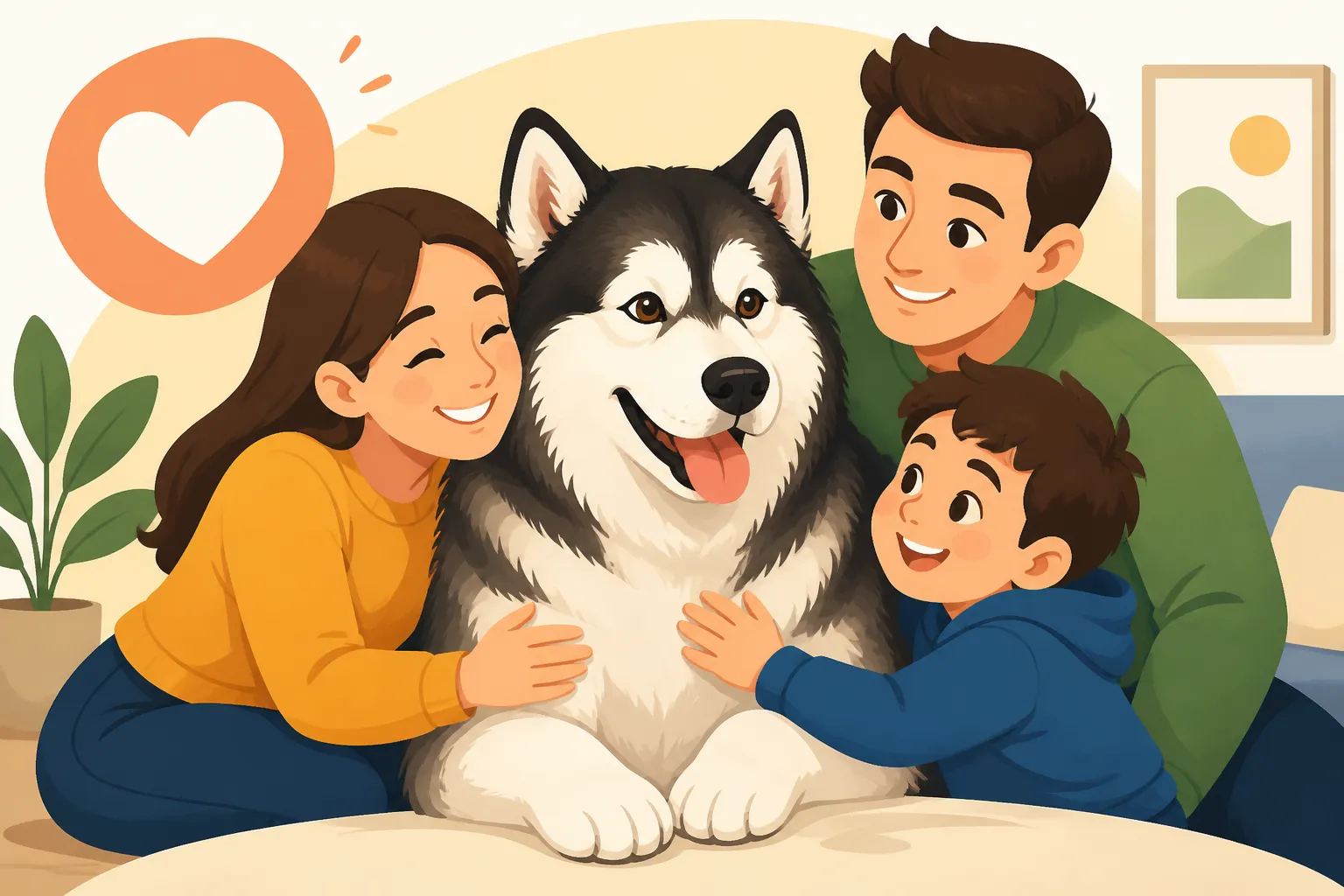
It's a common desire to imagine your big, fluffy Alaskan Malamute as the epitome of a gentle giant, a soft, cuddly companion for every member of your family, from the youngest child to the oldest grandparent. And while Malamutes possess an undeniable charm and a deep capacity for affection with their chosen people, the reality of living with such a powerful, independent, and historically driven breed is far more nuanced than a simple fairytale. Many families struggle with managing their Malamute's exuberant nature, its sheer strength, and its sometimes stubborn independence, leading to frustrations when their expectations of inherent "gentleness" don't quite align with their dog's natural instincts. This guide aims to peel back the layers of perception and provide a realistic, empathetic look at how Alaskan Malamutes interact with their own families, offering insights and actionable advice to foster a truly harmonious home.
Understanding the Malamute's Nature: Debunking the "Gentle Giant" Myth
When people first meet an Alaskan Malamute, their impressive size, thick coat, and often soulful eyes can give the impression of a laid-back, docile creature. They are, after all, large dogs, and many large breeds are known for their calm demeanor. However, this "gentle giant" label, while sometimes applicable in quiet moments, can be misleading. It often overlooks the foundational characteristics that make a Malamute who they are, characteristics that demand respect and understanding from their human family.
A Breed Designed for Partnership, Not Pampering
To truly understand an Alaskan Malamute's interactions with its family, you must first acknowledge its heritage. These magnificent dogs were bred by the Mahlemut people of Alaska for freighting heavy loads across vast, unforgiving terrains. This wasn't a job for a dainty, overly sensitive dog; it required immense strength, stamina, and a significant degree of independent thought. They had to be capable of making decisions when their human partners weren't present, or when situations demanded quick, self-preserving action. This means they are inherently problem-solvers, not passive followers. They are partners, and while they form deep bonds, their affection often comes with a strong sense of self-agency. They aren't prone to fawning or seeking constant approval in the way some other breeds might.
This independent spirit translates into their daily lives. While they love their families fiercely, they often show it in bursts of enthusiastic greeting or leaning against you for a good scratch, rather than constant snuggling or eager obedience. Their sheer physical power means that even a well-intentioned nudge or an excited "zoomie" through the house can inadvertently send a smaller child or an elderly person sprawling. It's not malice, but a lack of awareness of their own strength and the fragility of others. You might find it helpful to reflect on What an Alaskan Malamute Was Bred to Hunt to truly grasp the raw, untamed essence that still resides within these dogs, even in a domestic setting.
The Difference Between Affection and Submissiveness
Many people mistake affection for submissiveness, especially when it comes to training. A Malamute will give affection, certainly, but rarely in a submissive, "tell me what to do" manner. They are incredibly intelligent, but they also have a strong sense of self-preservation and a low tolerance for perceived unfairness or force. They will weigh your commands against their own desires, and if your suggestion doesn't make sense to them, or if the reward isn't compelling enough, they might just decide to do something else. This isn't defiance; it's just Malamute logic. They are thinking, intelligent creatures, not robots.
Their affection is a deep, abiding loyalty to their family unit. They love being near their people, participating in family activities, and enjoying the comforts of home. However, don't expect them to be the kind of dog that is always underfoot or constantly seeking physical contact. They appreciate their personal space and often prefer to observe the family hubbub from a comfortable vantage point. Understanding that their affection manifests differently than a golden retriever's or a lap dog's is crucial for preventing disappointment. If you try to force them into a mold that doesn't fit their natural inclination, you'll only end up frustrated, and they might shut down or become less responsive. This is why Why Force Fails on an Alaskan Malamute is such a critical concept for any Malamute owner to grasp.
Interactions with Family Members: Children, Adults, and the Elderly
The interactions between an Alaskan Malamute and various family members are often where the "gentle giant" myth is truly tested. Their inherent characteristics, from their playful energy to their impressive size, mean that interactions need to be carefully managed and understood by everyone in the household.
Malamutes and Children: Supervised Friendships
It’s often said that Malamutes are good with children, and indeed, many are. They can be incredibly tolerant, patient, and even protective of "their" children. However, the key word here is "can be," and strict, constant supervision is non-negotiable, especially with younger children. A Malamute's play style can be quite boisterous, involving body slams, paw swipes, and excited nipping, all done without any malice but with the full force of a powerful animal. A two-year-old child could easily be knocked over and injured by a Malamute merely trying to play or get past them. Even a Malamute puppy, with its needle-sharp teeth and boundless energy, can accidentally scratch or nip a child during play.
Teaching both the Malamute and the child how to interact respectfully is paramount. Children need to learn not to pull fur, poke eyes, climb on the dog, or disturb it while it's eating or sleeping. Malamutes, in turn, need to learn bite inhibition and appropriate play behavior from a young age. Puppy classes and consistent positive reinforcement training, perhaps with an online program like BAXTER & Bella, can lay a strong foundation. Never leave a Malamute unsupervised with children, no matter how trustworthy you believe your dog to be. This vigilance is crucial for the safety of both the child and the dog, and something we delve into further in Whether an Alaskan Malamute Suits a Family With Small Children. Your responsibility as an owner is to advocate for your dog and set it up for success by preventing potentially dangerous situations.
Interactions with Adults and the Elderly
With adults, Malamutes are generally affectionate and engaging. They love to be part of family activities, whether it's a hike, a car ride, or just lounging in the same room. They often show their affection through nudging for attention, leaning their weight against you, or offering a characteristic "Malamute lean." Many will happily accept a good ear scratch or belly rub when they are in the mood. However, their physical strength is still a major factor to consider. An excited Malamute can easily pull an adult off balance on a leash, or jump up during a greeting, which can be particularly problematic for elderly family members or those with mobility issues.
Consistent training in leash manners, polite greetings, and general household etiquette is vital. From the moment they arrive as puppies, focus on teaching them impulse control and appropriate behavior around people. The learning curve during The First Year With an Alaskan Malamute Puppy is steep, and setting these boundaries early will pay dividends for years to come. For older family members, consider ways to manage interactions, such as using a head halter or a sturdy harness for walks, or having a designated "safe space" for the Malamute where it can relax without accidentally knocking someone over. Communication is key within the family; ensure everyone understands how to appropriately interact with the Malamute and reinforce the training.
Managing Malamute Behavior: Training and Socialization for a Harmonious Home
Fostering gentleness and good behavior in an Alaskan Malamute isn't about breaking their spirit or forcing them into submission; it's about understanding their inherent drives and channeling them constructively. This requires a dedicated, consistent, and positive approach to training and socialization from day one.
The Critical Role of Early Socialization and Training
The foundation for a well-behaved, gentle family member is laid in puppyhood. Early and comprehensive socialization is non-negotiable for an Alaskan Malamute. This means safely exposing your puppy to a wide variety of sights, sounds, people, places, and other friendly, vaccinated dogs before they are 16 weeks old. Think of it as building their emotional resilience and teaching them how to confidently navigate the world without fear or aggression. A well-socialized Malamute is less likely to react defensively or fearfully to novel situations, which can prevent many behavioral issues down the line.
Training, especially using positive reinforcement methods, is equally critical. Malamutes respond incredibly well to reward-based training because it appeals to their intelligent, problem-solving nature. They thrive on figuring things out and earning a tasty treat or praise. Harsh corrections or punishment-based methods are not only ineffective but can damage your relationship with your Malamute, leading to distrust and potentially aggression. As we've discussed, Why Force Fails on an Alaskan Malamute is a key characteristic of the breed. Enrolling in puppy classes can provide a structured environment for socialization and basic obedience. Consistent daily training sessions, even short ones, reinforce good manners and solidify your bond.
Consistent Rules and Expectations for Everyone
Malamutes are incredibly intelligent and observant. They quickly learn the rules of the house – and, more importantly, who enforces them. If one family member allows them to jump on the couch while another forbids it, your Malamute will pick up on that inconsistency and exploit it. They'll learn who they can "test" and when. This is why having consistent rules and expectations across all family members is absolutely paramount. Everyone in the household, from adults to older children, must use the same commands, reinforce the same behaviors, and uphold the same boundaries.
This consistency becomes especially crucial during the adolescent phase, typically between 8 months and 2 years, when your Malamute will act like The Adolescent Malamute That Rewrites the Rules at Fourteen Months. This is a normal developmental stage where they will question boundaries, push limits, and test their independence. It's not a personal affront; it's just them trying to figure out where they stand. Your calm, consistent reinforcement of rules, coupled with patience and continued training, will guide them through this stage. Remember, a Malamute will always be intelligent enough to consider if Whether a Malamute Tests Every New Rule is worth the effort, so your collective commitment to consistency is your strongest tool.
Meeting Their Needs: Exercise and Mental Stimulation
A common misconception is that a Malamute's impressive size means they need an equally impressive amount of exercise. While they do need regular, vigorous exercise, it's often the quality and consistency that matters most. A bored or under-exercised Malamute is a destructive Malamute, and destructive behaviors – chewing, digging, incessant howling – can easily be mistaken for a lack of gentleness or defiance when it's simply a cry for engagement. Think about How Much Exercise an Alaskan Malamute Needs in terms of both physical exertion and mental engagement.
Daily walks, runs, or hikes are great, but also incorporate activities that challenge their minds. Puzzle toys, scent work, obedience training, or even giving them a job to do (like carrying a backpack during a walk) can be incredibly fulfilling. Without adequate outlets for their energy and intelligence, they will find their own ways to entertain themselves, often at the expense of your furniture or landscaping. A tired Malamute, both physically and mentally, is a well-behaved Malamute, more inclined to relax peacefully with the family rather than acting out. Consider using sturdy, interactive chew toys available on Amazon to keep them mentally stimulated when you're not actively engaging them.
When Gentleness Might Be Tested: Common Challenges and How to Address Them
Even with the best training and socialization, there are certain inherent Malamute traits and common behavioral challenges that can test a family's perception of their dog's "gentleness." Understanding these potential issues proactively is key to preventing problems and ensuring a safe, happy home.
Resource Guarding and Possessiveness
Resource guarding is a completely natural dog behavior where a dog protects items it values – food, toys, sleeping spots, or even people – from perceived threats. While not unique to Malamutes, their size and strength mean that resource guarding can be a serious issue if not managed from a young age. A Malamute might growl or snap if a child approaches its food bowl, or guard a favorite chew toy from another pet. It's not necessarily "aggression" in the malicious sense, but an instinctual self-preservation behavior that needs careful management.
Proactive management involves teaching puppies that human hands near their food and toys mean good things. Gently adding high-value treats to their bowl while they eat, or trading a toy for an even better one, can build positive associations. Family members, especially children, should be taught to leave the dog alone when it is eating or chewing. If resource guarding is already present, seek professional help from a certified behaviorist. Never punish a dog for growling, as growling is a warning sign; punishing it teaches the dog to skip the warning and go straight to a bite.
High Prey Drive and Its Impact on the Household
Alaskan Malamutes possess a strong, innate prey drive. This instinct, honed over generations for hunting and working alongside their human partners, means they are instinctively driven to chase and capture small, fast-moving objects. While this isn't aggression towards family members, it can manifest in startling ways within the home. A small, yapping dog visiting, a child running and screaming playfully, or even a sudden movement of a toy can trigger their prey drive. It's a powerful instinct that is extremely difficult, if not impossible, to "train out."
This is why, as explored in An Alaskan Malamute in a Home With Cats or Small Dogs, extreme caution is advised when Malamutes are in homes with smaller pets. Even a Malamute raised with a cat might one day revert to instinct if the cat makes a sudden dash. Outside the home, this prey drive is why a Malamute must always be on a leash or within a securely fenced area. An unsecured Malamute might see a squirrel, a rabbit, or even a small unattended pet as prey and bolt, with potentially tragic consequences. Understanding and managing this drive is crucial for safety.
Professional Help: Knowing When to Call a Trainer
Sometimes, despite your best efforts, certain behaviors may arise that are beyond your comfort or expertise to manage alone. This is particularly true if you are dealing with any form of aggression, intense fear, or persistent destructive behaviors. It's crucial not to wait until the problem escalates to an unmanageable level. The moment you feel overwhelmed or concerned about a specific behavior, especially if it involves safety, it's time to seek professional guidance.
A certified professional dog trainer or a veterinary behaviorist can help you understand the root cause of the behavior and develop a tailored training plan. They can provide unbiased observation and expert advice, helping you implement strategies that are effective for your specific Malamute and family dynamic. Remember, asking for help isn't a sign of failure; it's a sign of responsible pet ownership. Resources like BAXTER & Bella can offer structured online courses and even one-on-one coaching that can be incredibly beneficial. Never hesitate to reach out to ensure your Malamute remains a cherished and gentle member of your family. The question of Whether a Malamute Needs a Professional Trainer is often answered with a resounding "yes" for many Malamute owners who want to truly understand and bond with their powerful companions.
Here's a quick overview of Malamute traits and how they generally influence family interactions:
| Malamute Trait | How it Manifests in Family Interactions | Impact on "Gentleness" (Perceived vs. Actual) | Management/Consideration for Family |
|---|---|---|---|
| Size & Strength | Exuberant greetings, accidental bumps, strong leash pulling. | Perceived: Can seem "rough" or not gentle. Actual: Not malicious, but lacking body awareness; sheer power. | Supervise all interactions, especially with children/elderly. Train polite greetings and loose-leash walking from puppyhood. |
| Independent Nature | May choose when to cuddle, not always eager to please, can be stubborn during training. | Perceived: Disobedient, aloof, not affectionate. Actual: Affectionate on their terms, intelligent, self-reliant. | Understand their communication. Respect their space. Use positive reinforcement and make training rewarding. Don't force interaction. |
| High Prey Drive | Chases small animals (squirrels, cats), intense focus on movement. | Perceived: Aggressive towards smaller creatures, unpredictable. Actual: Instinctual drive, not personal malice. | Never off-leash outside a secure area. Supervise carefully with children or small pets. Consider a sturdy harness/leash combo. |
| Playfulness | Body slams, mouthing, chasing games, "zoomies." | Perceived: Too rough, bites too hard. Actual: Energetic, physical play style, needs proper outlet. | Teach bite inhibition early. Provide appropriate chew toys. Direct their energy to safe, structured play. Teach kids appropriate play. |
| Loyalty & Affection | Leans, nudges, seeks proximity, enjoys being near family, protective instincts. | Perceived: Deeply loving, but not overly demonstrative. Actual: Fiercely devoted to their "pack." | Appreciate their unique ways of showing affection. Engage them in family activities. Build a strong bond through consistent training and positive experiences. |
| Intelligence | Quick to learn, but also quick to learn inconsistencies and test boundaries. | Perceived: Stubborn, manipulative. Actual: Smart, observant, problem-solvers. | Be consistent with rules across all family members. Engage them with mental stimulation (puzzles, training). Understand adolescence is a testing phase. |
| Voice (Woos & Howls) | Characteristic "woo-woo" sounds, howling at sirens or for attention. | Perceived: Loud, disruptive. Actual: Vocal form of communication. | Understand it's their way of talking. Train a "quiet" cue if needed. Provide mental stimulation to reduce boredom howling. |
| Destructive Potential | Digging, chewing furniture, raiding trash when bored/under-exercised. | Perceived: Naughty, disobedient, not house-trained. Actual: Boredom, lack of mental/physical outlet. | Provide ample exercise and mental enrichment. Create a designated digging pit. Puppy-proof the home. Use appropriate, durable chew toys (like those found on Amazon). |
Disclaimer
This article is for general informational purposes only and does not constitute professional advice. Laws, prices and regulations vary by location and change over time. Consult a qualified professional for guidance on your specific situation.