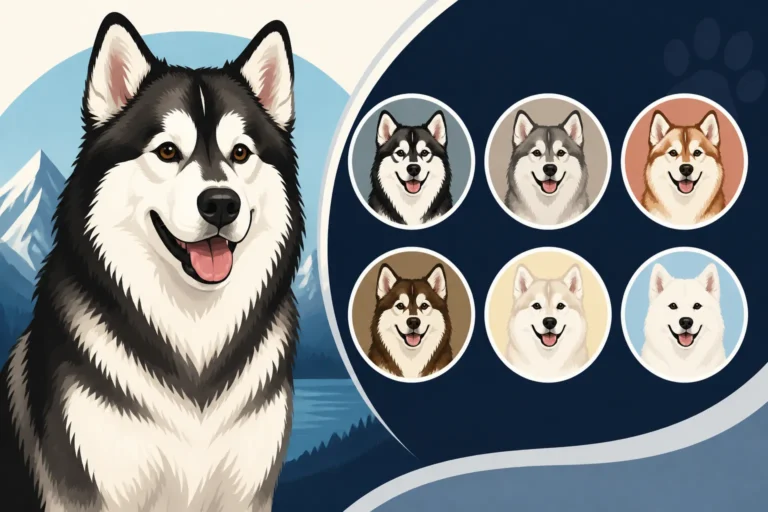
Whether the Mahlemut Still Keep Malamutes
It's a common and very romanticized idea that the Indigenous communities who originally developed the Alaskan Malamute still maintain them in the exact same traditional way today. However, just like any culture that has faced significant changes over centuries, the Mahlemut people's lives and their relationship with their canine companions have evolved. This guide will explore the historical context of the Mahlemut and their dogs, the shifts that have occurred over time, and what canine ownership might look like in these communities today.
The Deep Historical Bond Between the Mahlemut and Their Dogs
When we talk about the Alaskan Malamute, we're really talking about a dog that was meticulously shaped by the needs and wisdom of the Mahlemut people of Alaska's Kotzebue Sound. These weren't just "pets" in the modern sense; these were essential partners, literally vital to survival in one of the harshest environments on Earth. Understanding this original purpose is key to grasping how the relationship has changed.
The Original Purpose of the Mahlemut's Dogs: Freight and Survival
Imagine a landscape where survival hinged on moving heavy loads across vast, frozen expanses, hunting for food in brutal conditions, and protecting your family from threats. That's the world the Mahlemut lived in, and their dogs were bred specifically for these tasks. They were strong, enduring animals, designed to pull heavy freight, not to win sprint races. Their immense strength and stamina meant they could haul supplies, shelter, and even large game back to the village.
These dogs were also instrumental in hunting. They played a crucial role in expeditions to find game, tracking animals like caribou and even assisting in the challenging pursuit of larger prey. Think about How a Malamute Hunted Bears Alongside the Mahlemut, where these powerful dogs would help corner or distract bears, enabling hunters to safely make a kill. They also had a remarkable ability to detect seal blowholes in the ice, a skill that literally meant the difference between feasting and starving for the Mahlemut. This vital hunting partnership is detailed further in How a Malamute Found Seals for the Mahlemut. Without these dogs, the Mahlemut's way of life, and indeed their very existence, would have been almost impossible. Their unique traits like incredible stamina, dense double coats, and remarkable intelligence were not accidental; they were carefully fostered over generations of selective breeding by the Mahlemut.
A Symbiotic Relationship, Not Just Ownership
The connection between the Mahlemut and their dogs was a true symbiosis. It wasn't merely about owning an animal; it was a partnership of equals where both human and canine contributed directly to survival. The dogs provided labor, protection, and assistance in hunting, while the humans provided food, shelter, and guidance. This deep bond meant that dogs weren't simply kept in kennels far away; they were often an integral part of family life. While perhaps not always allowed to sleep inside every family dwelling in the same way a modern house pet might, their proximity and importance were undeniable, especially in the extreme cold. You can learn more about this by looking at Whether a Malamute Lived Inside the Family Dwelling.
The Mahlemut understood the unique needs of these powerful animals. They recognized their independence, their intelligence, and their incredible drive. They were skilled at managing dog teams, understanding pack dynamics, and utilizing the dogs' natural instincts. The sheer number of dogs needed for a successful freight team was significant, and maintaining them required incredible resources and expertise. Historically, How Many Malamutes a Freight Team Used could vary, but large, cohesive teams were essential for long journeys. These dogs were more than just tools; they were family, partners, and the very foundation of their culture's mobility and sustenance.
How Life Evolved for the Mahlemut People
The world, and especially the Arctic, has changed dramatically over the centuries. No culture, no matter how isolated, remains untouched by the relentless march of time and external influences. For the Mahlemut people, these changes have been profound, inevitably altering their daily lives and, by extension, their relationship with their dogs.
The Impact of Western Contact and Modernization
The arrival of outsiders – explorers, traders, missionaries, and eventually prospectors during the gold rushes – ushered in an era of unprecedented change for Indigenous communities across Alaska. New technologies, goods, and ways of life were introduced, often disrupting traditional practices. The Gold Rush, in particular, had a massive impact on sled dog populations and breeding. There was a huge demand for dogs for transportation, leading to widespread cross-breeding and often the neglect of pure indigenous strains. It's a sobering thought to consider Whether the Gold Rush Nearly Ruined the Malamute due to the indiscriminate breeding practices that prioritized quantity over quality and pure lineage.
As modern transportation like snowmobiles, ATVs, and even small planes became available, the necessity of maintaining large dog teams for daily freighting diminished for many. Firearms made traditional hunting methods, which sometimes involved dogs in a more direct role, less essential. These technological advancements, while offering new efficiencies, also subtly eroded the traditional roles that dogs had held for millennia. The focus shifted from pure freighting to more diverse needs, or sometimes, no need for traditional working dogs at all.
Changing Lifestyles and Economic Realities
Modern life in Alaska's Indigenous communities, including those of the Mahlemut, is a complex blend of tradition and contemporary living. Many communities have transitioned from semi-nomadic or subsistence-only lifestyles to more settled villages with access to schools, healthcare, and modern amenities. Economic realities have also shifted. While subsistence hunting and fishing remain critically important culturally and for food security, many people also engage in wage-earning jobs.
Maintaining a large team of working dogs, like the formidable teams that pulled heavy freight for the Mahlemut, is incredibly time-consuming and expensive. The feed alone for such powerful animals is a significant cost, let alone veterinary care, equipment, and housing. What the Mahlemut Used Their Malamutes For in the past, such as extensive freighting journeys, are now often supplanted by motorized vehicles for practical logistics. This isn't to say the love for dogs has disappeared, but the practicalities of dog ownership have certainly been reshaped by economic pressures and lifestyle changes. The choice to keep a working dog, especially a purebred Malamute, often becomes a passion project or a conscious effort to preserve cultural heritage, rather than an everyday necessity for survival.
The Modern Mahlemut and Their Canine Companions
So, do the Mahlemut still keep Malamutes in the same way their ancestors did? The answer, like most things in a changing world, is nuanced.
The Dogs Kept by Contemporary Mahlemut Communities
In today's Mahlemut communities, you'll find a variety of dogs, much like in any other Alaskan village or town. There are beloved family pets, hunting companions, and even some recreational sled dogs. While dogs with a clear lineage to the strong, resilient native dogs (which contributed to what we now call the Alaskan Malamute) certainly exist, the purebred Alaskan Malamute as recognized by kennel clubs is less common in day-to-day traditional working roles.
Many communities now keep a mix of breeds, often hardy, intelligent dogs perfectly suited to rural Alaskan life. These might include mixed-breed sled dogs, sometimes referred to as Alaskan Huskies, which are bred for speed, endurance, and trail smarts, and might be more efficient for certain tasks or recreational pursuits. The emphasis might be on individual temperament and working ability over strict adherence to a breed standard. Some individuals and families undoubtedly cherish dogs that strongly resemble or are direct descendants of the traditional Malamute type, continuing the legacy out of pride and a desire to connect with their heritage. These dogs are part of the family, often seen interacting freely within the community.
The Role of Dogs Today in Indigenous Alaskan Life
The role of dogs in indigenous Alaskan life remains significant, but it has diversified. Dogs are treasured companions, offering unconditional love and a sense of connection. They can be valuable guardians, alerting owners to wildlife or strangers. For those who still engage in subsistence activities, a good dog can be a valuable partner in hunting or trapping. Recreational mushing, whether for sport, personal enjoyment, or cultural events, is also a cherished activity in many parts of Alaska, and dogs are central to this.
However, the intensive maintenance required for a large team of purebred Malamutes, particularly those bred for specific heavy freighting tasks, is often a prohibitive factor. The economics simply don't make sense for everyone when snowmobiles can haul supplies more quickly and with less daily upkeep. Acquiring and maintaining dogs, even for traditional pursuits, means a significant investment. Consider What an Alaskan Malamute Puppy Costs From a Tested Litter, and multiply that by a team of ten or twelve dogs, plus their food, veterinary care, and equipment. For many, this is simply not feasible. Even obtaining basic pet supplies can be a challenge in remote areas, though online retailers like Chewy have certainly made it easier for people across the country to access a wide range of products for their canine companions. But even with options like Chewy, the logistics and cost of shipping to remote Alaskan villages can still be substantial.
The Legacy of the Mahlemut in Today's Alaskan Malamute
Even if the direct, daily working relationship between the Mahlemut people and the specific breed we call the Alaskan Malamute has evolved, the legacy of their ancestors is undeniable and profoundly important.
Preserving the Malamute's Heritage
Modern Alaskan Malamute breeders and enthusiasts around the world owe an immense debt to the Mahlemut people. It was their selective breeding, their deep understanding of what a dog needed to survive and thrive in the Arctic, that created this magnificent breed. Organizations like the Alaskan Malamute Club of America strive to preserve the breed's original characteristics, focusing on health, temperament, and working ability that harken back to its origins. They recognize Who the Mahlemut Who Bred the Malamute Were and ensure that this foundational history is celebrated.
Responsible breeders understand that the Malamute isn't just a pretty face; it's a powerful working dog, and maintaining that working heritage is paramount. This means breeding for sound health, robust conformation, and the intelligent, independent, yet loyal temperament that made them such valuable partners. Genetic testing for inherited conditions, such as those related to zinc absorption or polyneuropathy, also plays a critical role in preserving the long-term health of the breed, ensuring that the legacy is one of resilience.
The Enduring Spirit of the Alaskan Malamute
The spirit of the Mahlemut's dogs lives on in every Alaskan Malamute today. Their strength, their formidable endurance, their intelligence, and their sometimes stubborn independence are all traits that were honed over centuries of working alongside their human partners. When an Alaskan Malamute owner grapples with their dog's boundless energy or their inherent urge to pull, they are experiencing the direct result of that ancient partnership. Even if your Malamute's "job" today is to be a beloved family member and perhaps a recreational hiking buddy, the underlying drive and characteristics of a freighting dog are still very much present.
The stories of the Mahlemut's incredible journeys, covering immense distances, as discussed in How Far a Malamute Freight Team Traveled in a Day, continue to inspire and remind us of the incredible capabilities of these dogs. Whether a Malamute is competing in weight pull events or simply enjoying a long walk in the snow, that inherent desire to work, to be useful, and to move is a testament to its ancestry. While the direct traditional lifestyle of the Mahlemut has changed, the essence of their incredible dogs, the very foundation of the Alaskan Malamute breed, endures. For those interested in the working aspects, understanding Whether the Working Alaskan Malamute Still Exists provides a fascinating insight into how these dogs are still used today, albeit in different contexts.
| Aspect | Traditional Mahlemut Dog Keeping (Historical) | Modern Malamute Ownership (General) |
|---|---|---|
| Primary Role | Essential for survival: freighting, hunting, protection | Companionship, recreation (sledding, hiking), family member |
| Team Size | Often large teams (e.g., 6-12+ dogs) for heavy freight | Typically 1-2 dogs as pets; larger teams for sport/work |
| Food Source | Primarily local game, fish (e.g., salmon), subsistence resources | Commercial kibble (often specialty diets), fresh food, supplements; readily available from retailers like Chewy |
| Housing | Often communal, sturdy outdoor shelters, sometimes close to dwellings | Indoor/outdoor access, dedicated crates, kennels, often sleep indoors |
| Breeding Focus | Work ethic, survival traits, strength, endurance, health | Breed standard, health testing, temperament, working ability for sport |
| Training Methods | Practical, necessity-driven, focused on team work and obedience for survival | Positive reinforcement, force-free methods, obedience, sport-specific training |
| Cultural Significance | Deeply intertwined with daily life, culture, and survival | Valued pet, often a symbol of strength and northern breeds, cultural heritage |
| Transportation Reliance | Sole means of long-distance winter travel and hauling | Primarily recreational, supplemental to motorized vehicles for utility |
Disclaimer
This article is for general informational purposes only and does not constitute professional advice. Laws, prices and regulations vary by location and change over time. Consult a qualified professional for guidance on your specific situation.