Whether Malamutes Were Traded Between Alaskan Peoples
Many people, when they think about the majestic Alaskan Malamute, often picture them existing in isolation with their original native people, untouched by outside influences. While there's a certain romantic appeal to that image, the reality of ancient life in the vast and interconnected Arctic was far more dynamic. This guide will delve into the historical context and logical conclusions surrounding whether these incredible dogs, the ancestors of our modern Malamutes, were indeed traded among various Alaskan Indigenous peoples.
The Ancestral Roots and Their Deep Connection to the Mahlemut
To understand the potential for trade, we first need to anchor ourselves in the Malamute's origins. The Alaskan Malamute as we know it today didn't just appear; it was meticulously developed over centuries by the Mahlemut (also spelled Mahlemiut) Inuit people, who resided in the harsh, yet resource-rich, region of Kotzebue Sound in northwest Alaska. Their very existence depended on these powerful dogs. These aren't just pets; they were living, breathing, working tools essential for survival in one of the most unforgiving environments on Earth.
The Mahlemut: A People Defined by Their Dogs
The Mahlemut were nomadic hunters and fishers, following game and seasons. Their survival hinged on their ability to travel vast distances, often over frozen tundra and ice, carrying heavy loads of supplies, hunted game, and even their homes. This wasn't about speed; it was about endurance, strength, and unwavering loyalty. The dogs they bred, the early Malamutes, were perfectly suited for this demanding lifestyle. They were built for freighting, capable of pulling immense weights over long periods, making them invaluable assets. What the Mahlemut Used Their Malamutes For paints a clear picture of their role.
Imagine a Mahlemut family facing a long journey to a new hunting ground or trading post, their sled piled high with seal blubber, furs, and tools. Without a reliable team of powerful dogs, such a journey would be impossible, or at best, incredibly perilous. These dogs were literally lifelines, ensuring that food reached the village, that furs could be traded for other necessities, and that families could relocate as needed. Their deep bond wasn't just affection; it was a partnership of survival.
The Specific Needs That Shaped the Breed
The Mahlemut didn't need dogs to win a sprint race; they needed dogs to haul hundreds of pounds day after day, year after year. This selective breeding over generations cultivated the Malamute's characteristic power, stamina, thick double coat, and relatively efficient metabolism. Freight, Not Speed: What Separates a Malamute From a Racing Dog further clarifies this distinction. Every trait, from their broad chest to their dense bone structure, was honed for one primary purpose: pulling heavy freight in extreme cold.
This specialized skill made the Mahlemute's dogs exceptional. While other Arctic dogs existed, the Malamute type was particularly renowned for its strength and perseverance. It's only natural to assume that such highly valued and effective animals would be sought after by other groups, especially those living in similar challenging conditions who might not have had generations of dedicated breeding to achieve the same results.
Necessity and Exchange: Why Trade Was Inevitable
Life in the Arctic was a constant balance of survival, and no single group had access to all the resources they needed. This inherent limitation made trade not just beneficial, but often absolutely necessary for the flourishing, or even mere existence, of communities. Dogs, being such a fundamental aspect of life and livelihood, would have naturally been a part of these exchanges.
The Ancient Interconnectedness of Arctic Peoples
Contrary to popular belief, ancient Arctic peoples were not isolated islands. They formed complex networks of trade, diplomacy, and sometimes conflict, spanning vast geographical areas. Raw materials like copper, chert for tools, baleen, specific types of furs, and even exotic items like tobacco or iron (once introduced by outsiders) would travel hundreds, if not thousands, of miles through a series of exchanges between different groups. People needed what others had, and they had things others needed.
Dogs were not just companions; they were currency, power, and a means to acquire more wealth. A strong, proven sled dog could mean the difference between a successful hunt and starvation, or between reaching a distant trading partner and being stranded. Therefore, a dog's value was immense, making it a prime candidate for exchange, whether directly or indirectly through intermediate traders. Think of it like a specialized piece of equipment today – if one company developed a superior tool, others would certainly want to acquire it.
Dogs as Valuable Commodities in Trade Networks
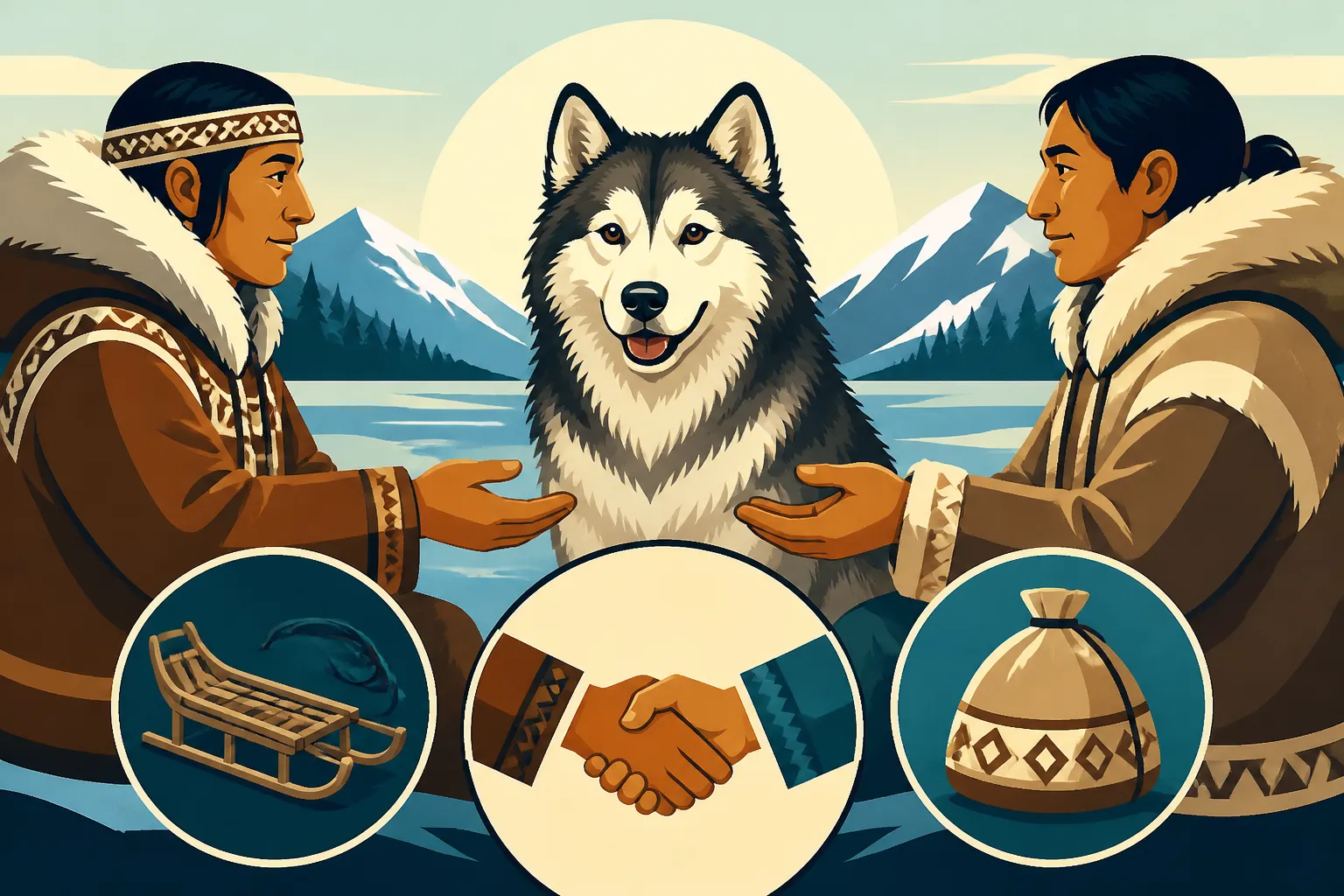
Imagine a distant tribe struggling with less powerful sled dogs, seeing the Mahlemut's legendary teams. It's highly probable that they would offer valuable goods—perhaps unique furs from their territory, highly sought-after tools, or rare resources—in exchange for these superior animals. The Mahlemut, in turn, might benefit from goods not readily available in Kotzebue Sound. This wasn't just about bartering for a single dog; it could involve an entire lineage, with breeding pairs potentially being exchanged to improve the genetics of another group's sled dog population.
These exchanges would have cemented social and economic bonds between groups, facilitating not just the movement of goods, but also ideas, traditions, and even family connections through intermarriage. A robust, healthy Malamute-type dog was a foundational asset, much like a reliable truck or tractor in a rural community today. You can get almost anything done with one, and without it, life becomes much harder.
Evidence and Absence of Historical Records
One of the biggest challenges in understanding ancient Arctic history is the scarcity of written records. The Indigenous peoples of Alaska primarily relied on oral traditions, which, while rich and complex, don't always offer the kind of specific, verifiable details that historians often seek regarding trade routes and transactions. However, we can draw inferences from other forms of evidence.
Inferring From Archaeological and Anthropological Findings
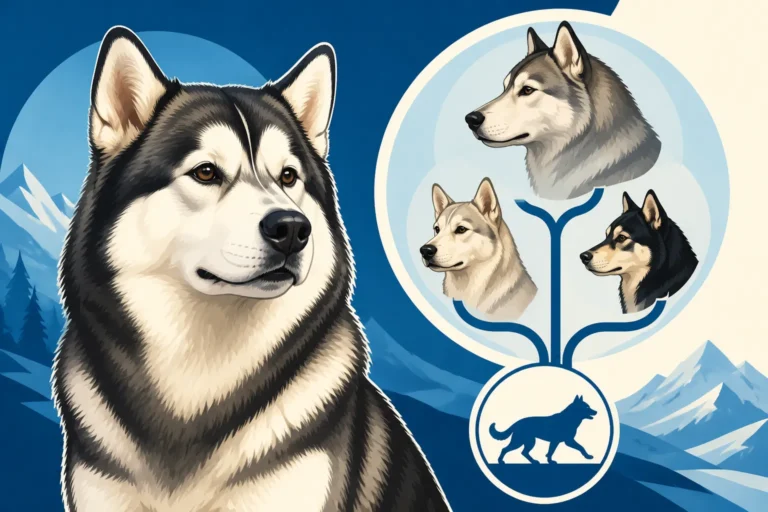
While no ancient receipt exists stating "2 Malamute puppies for 5 caribou hides," archaeological digs and anthropological studies offer compelling clues. The widespread distribution of similar dog breeds across vast Arctic regions, despite distinct human cultural groups, suggests movement and exchange. Genetic studies of indigenous dog breeds also point to shared ancestry and gene flow, which would be unlikely if dogs remained strictly within their originating tribes without any form of intergroup acquisition. Whether Malamute DNA Shows Ancient Arctic Ancestry explores some of these connections.
Furthermore, the very nature of nomadic life means that various groups would inevitably encounter each other, whether at seasonal hunting grounds, fishing camps, or established trade rendezvous points. These interactions would naturally involve observing each other's technologies and resources, including their dogs. If one group's dogs were noticeably more effective, the desire to acquire them would be strong, leading to proposals for trade.
The Role of Oral Histories and Practical Logistics
Oral histories, passed down through generations, often speak of alliances, journeys, and the exchange of goods between groups. While they might not explicitly mention "Malamute trade," they establish a context where such exchanges were commonplace. It’s a logical leap to include dogs, given their paramount importance. A skilled dog handler from one village might be sought out by another to help improve their pack, and such a visit could easily result in an exchange of pups or breeding stock.
Consider the practicalities: if a remote village suffered a devastating illness that wiped out much of its dog population, how would they recover? They would turn to their neighbors, their allies, or their trading partners. Offering valuable resources for new breeding stock would be a matter of survival, not just convenience. This constant ebb and flow of necessity and opportunity would have ensured a dynamic, rather than static, movement of these valuable animals across the Arctic landscape.
The Impact of Exchange on Malamute Genetics and Traits
The movement of Malamute-type dogs between different Alaskan peoples, whether through direct trade, gifting, or even occasional raiding, would have had significant implications for the genetic health and phenotypic consistency of the breed. This dynamic interaction likely both preserved and subtly altered the Malamute over millennia.
Maintaining Genetic Diversity and Breed Health
When dogs are kept within a strictly isolated population for too long, inbreeding can become a serious problem, leading to reduced genetic diversity and an increased risk of inherited health issues. The informal trading of dogs among different communities would have acted as a natural outcrossing mechanism, introducing fresh genes into various regional populations. This infusion of new blood could have helped to mitigate genetic bottlenecks and maintain a healthier, more robust breed capable of facing the rigors of the Arctic.
For instance, if one particular lineage within the Mahlemut started showing a susceptibility to a certain health issue, acquiring a dog from a related, yet distinct, population through trade could help to "breed out" that weakness over subsequent generations. This constant, albeit slow, movement of genetic material would have been crucial for the long-term vitality of the Malamute type. It's a natural form of selective breeding driven by the necessity of strong, healthy working animals.
Subtle Regional Variations and the Modern Standard
While the core Malamute traits of strength, endurance, and a powerful build remained consistent due to their shared working purpose, it's reasonable to assume that some subtle regional variations might have emerged. Different peoples, with slightly different terrain, hunting practices, or preferences, might have inadvertently selected for minor differences in size, coat density, or even temperament over time.
For example, a group traversing particularly deep snow might prefer slightly longer legs, while another focused on dense forest travel might favor a more compact build. These small differences, while not altering the fundamental Malamute type, could have added to the rich tapestry of the breed's ancestry. Today, our modern Alaskan Malamute standard encapsulates a convergence of these ancient lineages, influenced by the careful preservation efforts that began in the early 20th century. The Kotzebue and M'Loot Lines Behind Every Modern Malamute details some of these lines.
Let's look at how the nature of acquiring a Malamute might have evolved:
| Feature | Ancient Alaskan Peoples (Hypothesized) | Modern Alaskan Malamute Acquisition (Today) |
|---|---|---|
| Primary Driver | Survival, utility, enhancing working capacity | Companionship, sport, showing, ethical breeding |
| Acquisition Method | Trade (furs, tools, food), gifting, strategic alliances | Purchase from breeder, rescue adoption |
| Value Exchange | Goods, resources, reciprocal services | Monetary cost, sometimes reciprocal services |
| Motivation for Acquiring | Need for strong haulers, genetic diversity | Specific bloodlines, health testing results, temperament |
| Record Keeping | Oral traditions, shared memory | Written contracts, pedigrees, health certificates |
| Logistics | Long journeys, challenging conditions, physical exchange | Online research, travel, shipping (often via services like Chewy for supplies) |
This historical context helps us appreciate the depth of the Malamute's legacy. From ancient trades to modern purchases, these dogs have always been highly valued assets. While we might not be trading furs for puppies today, the commitment to their well-being, including finding the right food or gear (perhaps from a convenient online retailer like Chewy), remains just as strong.
Conclusion: A History of Connection and Exchange
When we consider the deep historical context of the Arctic, the Mahlemut people's reliance on their dogs for survival, and the inherent interconnectedness of indigenous communities through trade, it becomes highly probable that Malamute-type dogs were indeed traded between various Alaskan peoples. While definitive written records from millennia past are absent, the logical and anthropological inferences are compelling. The movement of these valuable working animals would have been essential for sharing resources, adapting to environmental challenges, maintaining genetic health, and fostering inter-group relationships.
The Alaskan Malamute, therefore, carries not just the legacy of its original Mahlemut breeders, but also the subtle genetic influences and shared history of countless interactions among the diverse peoples who thrived in the challenging beauty of the Arctic. Understanding this rich tapestry of exchange only deepens our appreciation for this magnificent breed, highlighting their enduring role as partners in survival and companions in life. How Long Malamute Type Dogs Have Been in Alaska further emphasizes their long and storied past in the region.
Disclaimer
This article is for general informational purposes only and does not constitute professional advice. Laws, prices and regulations vary by location and change over time. Consult a qualified professional for guidance on your specific situation.