Whether Malamute DNA Shows Ancient Arctic Ancestry
It's easy to look at an Alaskan Malamute, with their thick coats, powerful builds, and often intense gaze, and wonder about their origins. Many of us have heard whispers of "ancient breed" or "wolf-like," and it sparks a deep curiosity about where these magnificent animals truly come from. This guide aims to pull back the curtain on the science of genetics, exploring what Malamute DNA tells us about their deep, undeniable ties to the ancient Arctic and the indigenous peoples who shaped them.
Decoding the Genetic Tapestry of the Alaskan Malamute
When we talk about the Alaskan Malamute's DNA, we're delving into a story that stretches back thousands of years, long before written records. It's a tale told not in parchment, but in the intricate sequence of genes that define this incredible breed. Understanding this genetic heritage helps us appreciate their unique characteristics and the profound connection they share with their Arctic past.
What "Ancient Breed" Truly Signifies
The term "ancient breed" is often used to describe dogs like the Alaskan Malamute, but it can be a bit misleading if not understood correctly. It doesn't mean they are wolves, or even direct descendants of wolves in a recent sense. Rather, it signifies that their genetic lineage diverged from the earliest domestic dogs very early in canine history, before many modern breeds even existed. Think of it less as a direct link to wolves, and more as a branch on the dog family tree that split off incredibly early, retaining genetic markers that reflect this deep history.
This classification places them within a distinct group of dogs whose genetic makeup shows less influence from later crossbreeding, indicating a relatively isolated evolutionary path for a significant period. These early divergences mean they share a closer genetic relationship with the foundational dog populations that first spread across the globe than many modern breeds, which often have complex, more recent ancestries. It’s a testament to the purity of their working line, largely untouched by the fads and fancies that shaped so many other breeds.
Genetic Markers and the Trail to the Past
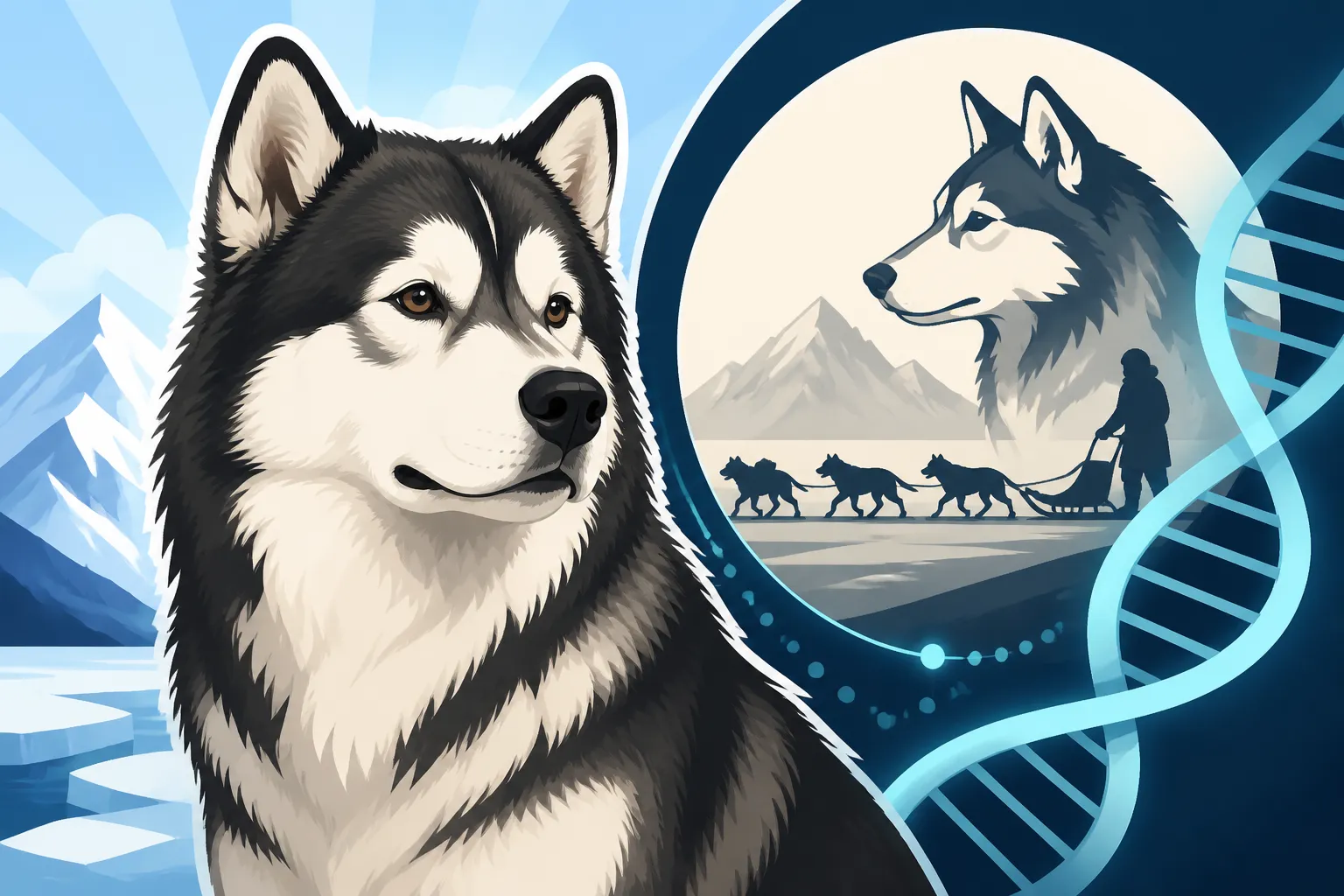
Scientists track a dog's ancestry by examining specific genetic markers within their DNA. This includes mitochondrial DNA (mtDNA), which is inherited solely from the mother, and nuclear DNA markers, which come from both parents. By comparing these markers across different dog populations and even ancient wolf remains, researchers can construct a detailed family tree, tracing lineages back through time. For the Alaskan Malamute, these studies consistently point to a very old and distinct origin within the Arctic region.
The genetic signatures found in Malamutes reveal patterns that are consistent with dogs that have inhabited the Arctic for millennia. These markers tell a story of adaptation to extreme environments and a close working relationship with humans, specifically the Mahlemut people of Alaska. It's like finding a series of unique fingerprints that match only a specific, ancient population, confirming Whether the Alaskan Malamute Is One of the Oldest Breeds and their uninterrupted presence in a challenging landscape.
Archaeological Finds and Genetic Corroboration
The genetic evidence isn't just theory; it's powerfully corroborated by archaeological discoveries. Remains of ancient dogs found in Arctic regions, some dating back many thousands of years, show morphological (physical) similarities to modern Malamutes. When DNA can be extracted from these ancient bones, it often reveals genetic ties to the modern Alaskan Malamute and other northern breeds, cementing their long-standing presence in these harsh environments.
Imagine excavating a site in Alaska and finding dog skeletons alongside human artifacts, tools designed for hunting and travel. The dog remains, through careful analysis, tell us they were stout, powerful animals, built for endurance – a perfect match for the physical characteristics of the Malamute. The genetic material extracted from these same bones then often shows remarkable similarity to the DNA profiles of today's Malamutes, providing a tangible, direct link across vast stretches of time. These findings paint a picture of dogs and humans evolving together, facing the challenges of the Arctic side-by-side. How Long Malamute Type Dogs Have Been in Alaska is a question science continues to illuminate.
The Northern Breed Family Tree: Malamutes in Context
The Alaskan Malamute doesn't exist in a vacuum; it's part of a fascinating family of northern breeds, all adapted to cold climates and working roles. Understanding their place within this larger genetic landscape further illuminates their unique ancestry and distinguishes them from other canine relatives.
How Malamutes Relate to Other Sled Dogs
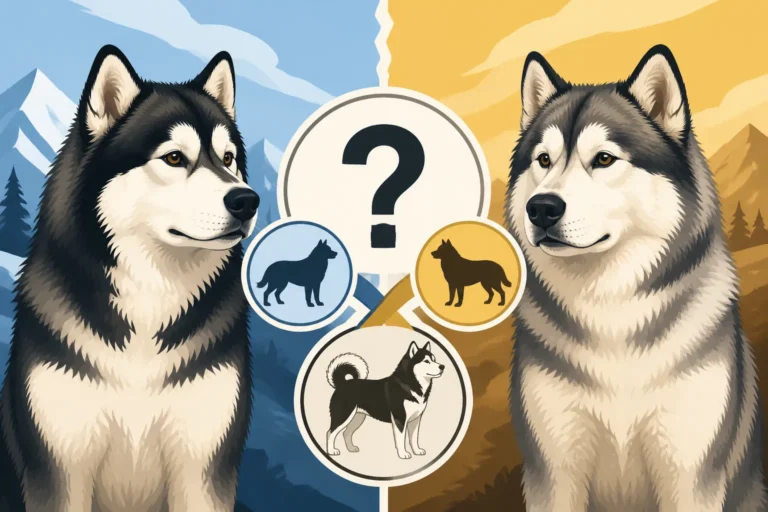
While all northern sled dogs share some common ancestry due to their shared environment and purpose, Malamute DNA reveals distinct differences from breeds like the Siberian Husky, Samoyed, or Greenland Dog. These breeds form a cohesive "Arctic Sled Dog" genetic cluster, yet within this cluster, each breed has its own unique branch. Malamutes, for example, tend to show a closer genetic affinity with specific ancient Arctic dog populations than some of the faster, lighter sled dogs, reflecting their role as heavy freighting animals.
Their genetic makeup is a blueprint for strength and endurance rather than speed. This is reflected in their physical build and even their metabolic efficiency. While a Siberian Husky might be genetically geared for sustained, fast pulls over long distances, a Malamute's DNA speaks to powerful, slower hauls, often carrying substantial weight. This differentiation is a direct result of the specific tasks they were bred for by the Mahlemut people, who needed robust dogs to haul heavy loads across frozen landscapes. Their shared ancestry is clear, but their individual evolutionary paths, shaped by human needs, are equally evident in their genetic profiles.
The Divergence from the Wolf: A Clear Distinction
One of the most persistent myths surrounding the Alaskan Malamute (and many northern breeds) is that they are "part wolf" or very closely related to wolves. While all domestic dogs share a common ancestor with wolves, the Malamute's DNA, like all domestic dogs, shows a clear and ancient divergence from the wild wolf lineage. They are dogs, unequivocally, and have been for thousands of years. The "wolf-like" appearance is a superficial similarity, a result of shared ancestral traits and environmental adaptations, not recent interbreeding.
Genetic studies confirm that the domestication of dogs occurred tens of thousands of years ago, and since that time, dogs have evolved along their own distinct path. Whether the Malamute Is Closer to the Wolf Than Other Breeds is a question that geneticists have answered: while their lineage is ancient, their separation from wolves is firmly established. Any claims of "wolf-hybrid" status for a purebred Malamute are simply inaccurate from a genetic standpoint. Their behaviors, too, are distinctly canine, albeit with some independent traits common to ancient breeds, rather than truly wild wolf behaviors.
The "Arctic Sled Dog" Genetic Cluster
The Alaskan Malamute belongs to a recognized genetic grouping known as the "Arctic Sled Dog" cluster. This cluster includes breeds that are genetically distinct from other dog groups and show clear adaptation to cold climates and working roles. Within this cluster, Malamutes hold a prominent place, demonstrating a deep genetic connection to the foundational dogs that helped humans survive and thrive in some of the planet's most unforgiving environments.
This clustering isn't just about sharing a cold climate; it reflects a shared genetic heritage that enabled these dogs to process fat efficiently, grow dense double coats, and develop the mental fortitude needed for demanding work. It's a testament to natural selection working hand-in-hand with human selective breeding to create a resilient, specialized group of canines perfectly suited for their unique environment. This ancient lineage is directly responsible for many of the physical and behavioral characteristics we admire in the Malamute today.
| Breed Group | Key Genetic Characteristics | Geographic Origin | Primary Historical Role |
|---|---|---|---|
| Arctic Sled Dogs | Ancient lineage, adaptation to cold, fat metabolism | Circumpolar Arctic | Hauling, hunting assistance |
| Alaskan Malamute | Power & endurance, heavy freight, distinct lineage | Western Alaska | Heavy freighting for Mahlemut people |
| Siberian Husky | Speed & endurance, lighter loads, distinct lineage | Northeastern Siberia | Fast travel, lighter sled work |
| Samoyed | Herding & sledding, cold tolerance, striking coat | Northwestern Russia | Herding reindeer, sledding |
| Greenland Dog | Robust, strong-willed, traditional sled dog | Greenland | Hunting, long-distance travel |
| Ancient Asian Breeds | Share some distant roots with Arctic dogs | Asia (e.g., China, Japan) | Varied: hunting, guarding, companionship |
| Akita Inu | Guarding, hunting, powerful, independent | Japan | Hunting large game, guarding |
| Shiba Inu | Hunting small game, alert, agile | Japan | Hunting birds and small game |
Why Their Ancestry Matters for Today's Malamute
Understanding the ancient Arctic ancestry of the Alaskan Malamute isn't just a fascinating historical exercise; it has real, tangible implications for how we care for, train, and appreciate these dogs in the modern world. Their genetic blueprint continues to shape who they are.
Traits Forged by Their Ancient Role
The specific genetic adaptations passed down through generations are directly responsible for many of the Malamute's defining traits. Their incredible endurance, powerful build, dense double coat, and even their efficient metabolism are all legacies of their ancient role as heavy freighting dogs in the Arctic. These weren't random developments; they were carefully selected and honed over millennia to enable survival and success in an unforgiving landscape.
Consider their unique metabolism: it's incredibly efficient, allowing them to extract maximum energy from their food and survive on less than you might expect for a dog of their size. This is a direct genetic adaptation to times of scarcity in the Arctic. This is why The Efficient Metabolism That Surprises Every New Malamute Owner is such a common observation. Similarly, their formidable prey drive, which can be a challenge for owners in modern homes with small pets, is a remnant of their ancient purpose, where they sometimes assisted in hunting large game like seals and even bears. What an Alaskan Malamute Was Bred to Hunt tells a compelling story of their historical capabilities.
Implications for Health and Breeding Practices
A deep understanding of Malamute ancestry also provides crucial insights into their health and informs responsible breeding practices. Knowing their genetic predispositions, both positive adaptations and potential vulnerabilities, allows breeders to make informed decisions aimed at preserving the health and integrity of the breed. Genetic testing for inherited diseases is a direct benefit of this knowledge.
For instance, certain genetic conditions prevalent in Malamutes, such as Zinc Is the Thread Running Through Three Malamute Diseases or Inherited Polyneuropathy and the Malamute That Stumbles at a Year, have genetic markers that can be identified through DNA tests. Responsible breeders utilize these tools to screen their breeding stock, ensuring they are not passing on undesirable traits. Knowing The Health Tests Both Alaskan Malamute Parents Should Have is not just a recommendation; it's a moral imperative for anyone serious about the future of the breed. This practice helps to reduce the incidence of painful or debilitating conditions, honoring the robust health of their ancient ancestors.
Preserving the Essence of an Ancient Breed
For enthusiasts and dedicated breeders, preserving the genetic essence of the Alaskan Malamute is paramount. This means not only maintaining their distinctive physical appearance but also protecting their inherent working capabilities and unique temperament. It's about respecting the ancient genetic blueprint that makes a Malamute, a Malamute. This commitment often involves careful line breeding, avoiding outcrosses that could dilute their ancient genetic markers, and participating in activities that celebrate their natural abilities, like weight pull or sledding.
It’s about ensuring that future generations of Malamutes retain the strength, intelligence, and independent spirit that allowed their ancestors to thrive in the Arctic. It's a continuous balancing act between managing genetic health and preserving the traits that define this magnificent breed. Owners of Malamutes are often drawn to these dogs precisely because of this ancient, wilder spirit that still resonates within them, a direct link to their Arctic past. Why a Malamute Should Never Have Blue Eyes, for example, speaks to maintaining breed standards that reflect their distinct genetic history and distinguish them from other northern breeds.
Navigating Genetic Testing for Your Malamute
In today's world, understanding your dog's genetic background has become more accessible than ever. For Alaskan Malamute owners, genetic testing offers a window into their individual dog's ancestry and can be a valuable tool for health management, building on the broader understanding of the breed's ancient Arctic roots.
Understanding Commercial DNA Tests
Commercial DNA tests for dogs, like those you might find online or through pet supply retailers, can provide fascinating insights into your Malamute's breed composition and, often, a glimpse into their genetic lineage. These tests typically analyze hundreds of thousands of genetic markers to identify breed-specific signatures, including those associated with ancient breeds. While they might not trace your dog back to a specific ancient individual, they can confirm the strong presence of the Alaskan Malamute lineage and place them firmly within the Arctic Sled Dog group.
It's important to approach these tests with realistic expectations. They can tell you if your dog is predominantly Malamute and may highlight the deep ancestral connections, confirming the ancient Arctic ancestry we've discussed. Some popular tests even offer "family tree" features that illustrate the genetic path. They can also sometimes shed light on Whether Embark Covers Malamute Day Blindness or other specific health markers. While these tests are fun and informative, remember that the most profound insights into the Malamute's ancient ancestry come from large-scale scientific studies across entire populations, not just a single dog's results.
Beyond Breed Identification: Health Screening
Beyond satisfying curiosity about ancestry, modern genetic testing is an invaluable tool for health screening in Alaskan Malamutes. Given the breed's predispositions to certain inherited conditions, DNA tests can identify carriers or affected individuals, empowering owners and breeders to make proactive choices about their dog's care and breeding plans. This is where the practical application of genetic knowledge truly shines.
For example, tests exist to identify the genes responsible for The DNA Test That Finds Malamute Polyneuropathy, a neurological disorder, and The CNGB3 Test for Malamute Day Blindness, a vision impairment. Knowing if your Malamute is a carrier or affected by these conditions allows you to provide appropriate care, monitor for symptoms, and ensures that you contribute to the overall health of the breed if you are involved in breeding. Many reputable labs offer panels that test for multiple conditions relevant to the breed. It's always wise to research Which Lab Runs the Malamute Polyneuropathy Test and others to ensure you're using a reliable service, whether you find those through your vet or a trusted pet supply partner. This health screening is a modern expression of ancient care, ensuring the longevity and well-being of a magnificent, historically significant breed.
Conclusion
The Alaskan Malamute carries an undeniable genetic blueprint that speaks volumes of its ancient Arctic ancestry. From the intricate patterns in their DNA to the corroborated evidence from archaeological sites, the science is clear: these dogs are direct descendants of the earliest canine companions who braved the frigid northern expanses alongside humans. Their genetic makeup is a living testament to thousands of years of adaptation, partnership, and a unique evolutionary path that sets them apart. This deep history isn't just a fascinating tale; it actively shapes their physical traits, behavioral patterns, and health predispositions today, underscoring the profound importance of understanding and respecting their enduring legacy as true children of the Arctic.
Disclaimer
This article is for general informational purposes only and does not constitute professional advice. Laws, prices and regulations vary by location and change over time. Consult a qualified professional for guidance on your specific situation.