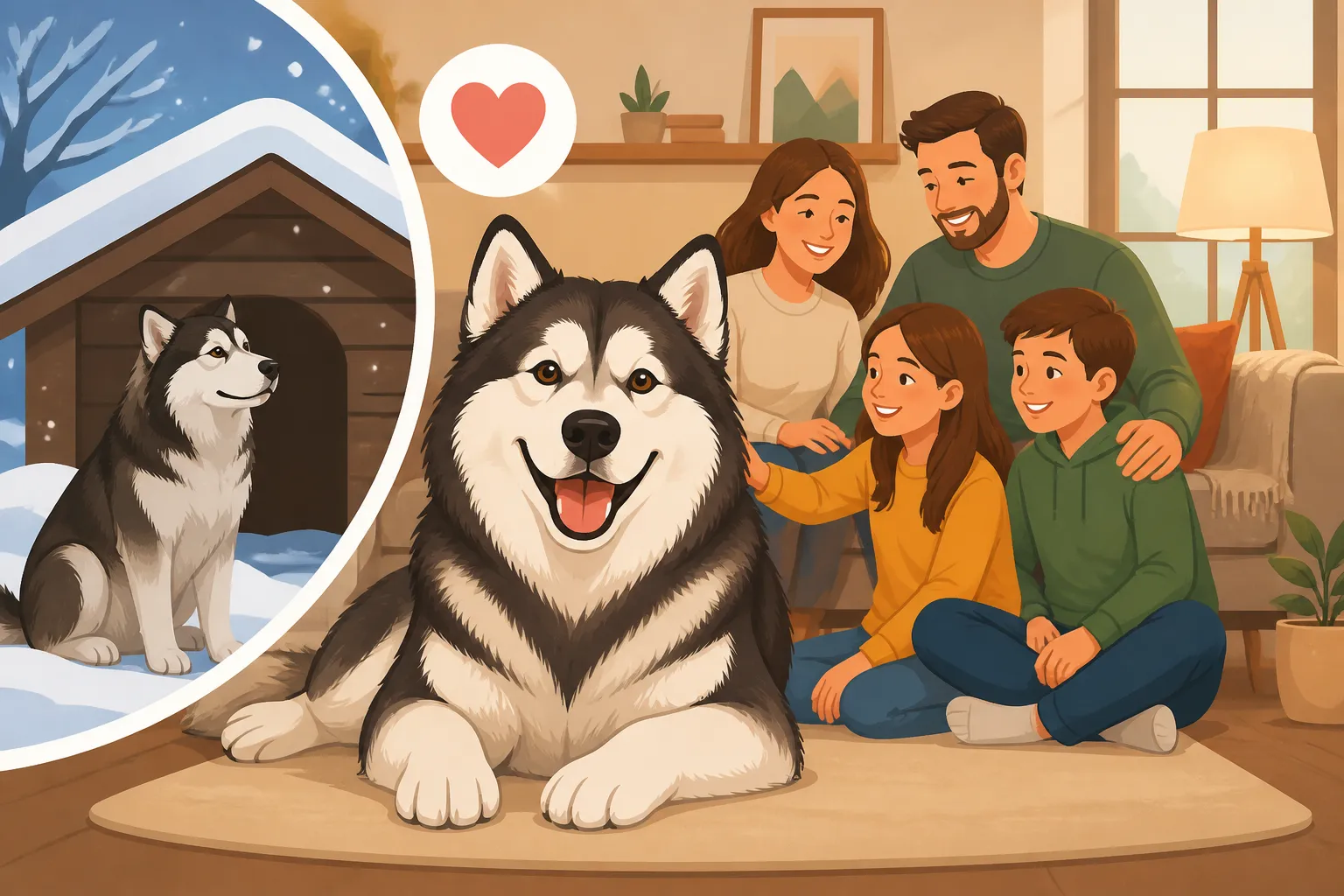
Whether a Malamute Lived Inside the Family Dwelling
It's a common and understandable question for anyone looking into the magnificent Alaskan Malamute: "Did these majestic dogs, bred for the harsh Arctic, actually live inside with their human families?" Many envision a life of rugged outdoor existence, and while that's certainly part of their heritage, the reality of their historical cohabitation with the Mahlemut people is far more nuanced and reveals a profound partnership that wasn't always strictly an "outdoor dog" scenario as we might imagine today. This guide will delve into their past living arrangements, their incredible adaptations, and how these factors influence their place in our modern homes.
The Historical Context of Malamute Dwellings
When we look back at the origins of the Alaskan Malamute, it's crucial to understand the symbiotic relationship between these dogs and the Mahlemut people of the Kotzebue Sound region. These weren't just animals kept for work; they were integral members of a survival-oriented society, and their living arrangements reflected that deep connection.
Life with the Mahlemut People
The Mahlemut people were nomadic hunters and gatherers, constantly moving with the seasons and the availability of game. Their dwellings, often temporary structures like tents made of hides or snow shelters, were designed for practical living in extreme conditions. Within these societies, dogs were far more than mere tools; they were companions, alarms, and, most importantly, powerful freighting animals essential for transporting supplies, game, and even their homes across vast, frozen landscapes. While the dogs primarily lived and worked outdoors, their proximity to human dwellings was often constant. They were part of the camp, not separated by vast distances or elaborate kennels. In the depths of winter, or during particularly fierce storms, there's evidence suggesting that puppies, or even adult dogs in dire circumstances, might have been brought into the family dwelling for warmth or protection. It wasn't about pampering, but about ensuring the survival of valuable working partners. This close cohabitation fostered a deep bond, even if it wasn't the "snuggled on the couch" dynamic we recognize today. The Mahlemut of Kotzebue Sound Bred the Alaskan Malamute offers more insight into this relationship.
Purpose-Bred for Outdoor Work
The primary role of the Alaskan Malamute was freighting—hauling heavy loads over long distances. This wasn't a job for a delicate indoor pet. These dogs needed to be hardy, resilient, and capable of enduring brutal cold, strong winds, and deep snow. Their very existence depended on their ability to perform arduous tasks in the elements. Therefore, much of their daily life would have been spent outdoors, either actively working, tethered near the camp, or resting in snow pits they dug themselves. This constant exposure to the environment ingrained in the breed a tolerance and even a preference for cooler temperatures and open spaces. Freight, Not Speed: What Separates a Malamute From a Racing Dog really highlights this fundamental purpose. Their tough nature and incredible stamina were honed over centuries of this demanding lifestyle, making them perfectly suited for an outdoor existence, but not necessarily one of isolation.
Shelter Needs in the Arctic
Even living outdoors, Malamutes were not left entirely to fend for themselves without any form of shelter. Their thick double coats provided remarkable insulation, but the Mahlemut people also understood the importance of strategic positioning and natural protection. Dogs would often seek out natural windbreaks, huddle together for warmth, or, perhaps most famously, dig deep snow dens. These snow dens acted like natural igloos, trapping body heat and providing a surprisingly effective barrier against the biting winds and extreme cold. While rudimentary by our standards, these shelters were sufficient for dogs perfectly adapted to their environment. It speaks volumes about their self-sufficiency and instinct for survival. Winter Is When an Alaskan Malamute Comes Alive really shows how they thrive in these conditions.
Understanding the Malamute's Natural Adaptations for the Outdoors
The Alaskan Malamute possesses a suite of incredible adaptations that allowed them to thrive in the unforgiving Arctic environment, often making them seem like creatures truly meant for the great outdoors, with little need for traditional "indoor" comforts.
The Incredible Double Coat
Perhaps the most defining physical characteristic of the Alaskan Malamute is their magnificent double coat. This isn't just fluffy fur; it's a marvel of natural engineering, meticulously designed for extreme temperature regulation. The outer coat consists of coarse, guard hairs that are relatively long, providing a protective barrier against snow, ice, and rain. These hairs shed moisture and prevent the snow from sticking directly to the skin. Beneath this, lies the dense, woolly undercoat—a thick, soft layer of insulating hair that traps air close to the body, keeping them incredibly warm, even in sub-zero temperatures.
This double layer is so efficient that it acts like a personal climate control system. In winter, it insulates them from the cold, and in summer, it protects their skin from sunburn and can actually help them stay cooler by preventing direct sun exposure to their skin. However, this also means they are profoundly susceptible to overheating in warm climates or during strenuous activity in mild weather. Many new owners are stunned by the sheer volume of fur during a "coat blow," when the undercoat sheds in massive quantities, often filling a vacuum cleaner in an afternoon. The Malamute Coat Blow That Fills a Vacuum in an Afternoon explains this process in detail. This dense coat wasn't just for warmth; it was their primary shelter, making constant indoor access less of a biological necessity than it might be for a short-haired breed.
Efficient Metabolism and Cold Tolerance
Beyond their coat, Malamutes have an incredibly efficient metabolism that has been honed by generations of living and working in harsh, cold environments. Unlike many dog breeds that burn through calories quickly to stay warm, the Malamute's body is designed to conserve energy. They can sustain themselves on less food than their size might suggest, using their calories effectively for warmth and exertion. This physiological adaptation means they are far more comfortable and thrive in colder temperatures than most dogs. Their bodies are literally built for cold. You'll often find them choosing to sleep outdoors in the snow, even when a warm house is available, simply because it's their natural preference.
This cold tolerance also means that they can be easily stressed by heat. What feels comfortable to a human can quickly become dangerous for a Malamute. Owners in warmer climates must take extraordinary precautions to ensure their Malamutes don't overheat, which can be fatal. This stark difference in comfort levels further underscores why their ancestors, and even many modern Malamutes, are most content when the temperature drops. Summer Is the Season That Kills Alaskan Malamutes provides critical information on this serious risk.
Their Need for Space and Activity
Alaskan Malamutes are big, powerful dogs bred for endless hours of work. They have an innate drive to move, explore, and "do" something. Confining them to small spaces with insufficient exercise is a recipe for disaster. This need for physical and mental stimulation directly relates to their natural habitat. In the Arctic, they had vast open spaces to traverse, challenges to overcome, and a clear job to do.
While modern Malamutes might not be pulling sleds every day, that instinct for work and expansive movement remains. They require significant daily exercise – long walks, hikes, or dedicated pulling activities like cani-cross or skijoring. Without adequate outlets, their energy can manifest as destructive behavior indoors, digging up yards, or developing problematic habits. Their historical outdoor life fostered this need for space and activity, and even if they live indoors today, their bodies and minds still crave that engagement. How Much Exercise an Alaskan Malamute Needs is a great resource for understanding their requirements.
Modern Malamutes and the Indoor Debate
So, knowing their history and physical adaptations, where does that leave the modern Alaskan Malamute in terms of living arrangements? The good news is that with thoughtful planning and commitment, a Malamute can absolutely thrive as an indoor companion, but it requires understanding and respecting their deeply ingrained instincts.
Bridging the Gap: How Today's Malamutes Can Adapt to Indoor Living
The simple answer is yes, a modern Malamute can live inside the family dwelling, and many do, very successfully. Over generations, while their core instincts and physical traits remain, they have also adapted to living in closer proximity to humans in a pet capacity. They are inherently social creatures, thriving on companionship and being part of the "pack"—which, for us, is the family. While their ancestors might have been physically outdoors, they were never truly isolated from their human families. The bond was paramount.
Today, bringing a Malamute indoors allows that bond to flourish. They can be incredibly affectionate and enjoy being near their people. However, this isn't a passive adaptation. It means providing a comfortable, cool environment, especially in warmer months. It means accepting shedding as a constant companion, and designing your life around their immense exercise needs. It's about meeting them halfway: you provide the comfort and security of an indoor home, and in return, you commit to fulfilling their need for outdoor adventure and stimulation.
The Importance of Mental and Physical Stimulation
This is perhaps the most critical factor for a successful indoor Malamute. Allowing a Malamute to live indoors is a privilege for them, but it comes with a responsibility for the owner. Their high intelligence and powerful build mean they need constant engagement. A bored Malamute is a destructive Malamute, regardless of whether they live inside or out. Long daily walks, often more than one, are non-negotiable. Activities like hiking, backpacking, or even urban mushing satisfy their ancestral drive to pull. Interactive toys, puzzle feeders, and training sessions provide vital mental stimulation.
Think of their indoor time as their rest and family time, but their outdoor time as their work and fulfillment time. Without it, you'll likely find your furniture chewed, your garden dug up, or your sanity tested. For owners in areas that experience real winter, Winter Is When an Alaskan Malamute Comes Alive really shines as a reminder of how much they relish cold weather activity. They simply cannot be relegated to just a few strolls around the block if you expect them to be calm and well-behaved indoors.
Creating a Malamute-Friendly Indoor Environment
If you're going to have a Malamute inside, you need to set up your home for success. First and foremost, temperature control is key. A perpetually warm house is detrimental to their health and comfort. Keeping the thermostat lower, especially in summer, is essential. Many Malamutes will seek out the coolest spots in the house: tile floors, air conditioning vents, or even the bathtub. Investing in cooling mats or elevated beds that allow for airflow can also be beneficial.
Beyond temperature, consider chew-proofing. Malamutes are notorious chewers, especially when young or bored. Ensure valuable items are put away and provide a rotating selection of appropriate, durable chew toys. A heavy-duty crate can be an invaluable tool for house training and providing a safe den, particularly when you can't supervise them directly. You can find robust options and a wide variety of toys on sites like Chewy that stand up to their powerful jaws.
Finally, managing their coat indoors means daily brushing, especially during their massive "coat blow" periods. Expect dog hair to become a permanent fixture in your home, on your clothes, and potentially in your food! A good vacuum cleaner and consistent grooming tools are non-negotiable. Many owners find deshedding tools, undercoat rakes, and even force dryers indispensable for keeping the fur under control, which you can often purchase from pet supply retailers like Chewy.
Balancing Indoor Comfort with Outdoor Instincts
It's a delicate dance, integrating a dog designed for the wilderness into a modern home. But when done right, the Malamute can be an incredibly loving and engaged family member who simply prefers a bit more fresh air than your average lapdog.
Managing Shedding Indoors
Let's be real: living with an Alaskan Malamute means living with hair. A lot of hair. Their magnificent double coat, while essential for their survival in cold climates, is a constant source of "Malamute glitter" throughout your home. This isn't just a seasonal thing; while they have massive "blows" twice a year where they shed their entire undercoat, they do shed year-round. Accepting this reality is the first step. If you're a neat freak who can't tolerate pet hair, an Alaskan Malamute might not be the right fit, or you'll need to invest heavily in cleaning supplies and routines.
To manage it, daily brushing is your best friend, even outside of coat blow season. During their major sheds, you might be brushing for an hour a day and still filling bags of fur. Tools like undercoat rakes and de-shedding brushes are designed specifically to get deep into that thick undercoat and remove loose hair before it ends up on your couch or in your coffee. Many owners also take their Malamutes for professional deshedding baths, which can significantly reduce the amount of loose hair. You can find a huge selection of grooming tools and deshedding shampoos at pet retailers like Chewy, helping you stay on top of the furry situation. Remember, the goal isn't to eliminate shedding—that's impossible—but to manage it effectively to keep both you and your Malamute more comfortable.
Addressing Destructive Behaviors
One of the biggest frustrations for new Malamute owners who try to keep them primarily indoors without sufficient engagement is destructive behavior. It's not malice; it's boredom and instinct. A Malamute that's under-exercised or under-stimulated will find its own "job," and that often involves chewing, digging, or generally redecorating your home in ways you didn't intend. They might chew on furniture legs, tear up carpets, dig at doorways, or raid the trash. This behavior is a clear sign that their needs aren't being met.
The solution isn't punishment, but prevention and redirection. Ensure they get ample physical exercise every single day. This means long walks, runs, hikes, or dedicated pulling activities. Beyond physical exertion, provide mental challenges with puzzle toys, scent work, or consistent training sessions. A rotation of appropriate, durable chew toys is also vital; a Malamute needs to chew. If you notice destructive habits developing, it's a huge red flag that you need to re-evaluate their daily routine and boost their activity levels. Ignoring these signals will only lead to more serious behavioral problems and frustration for everyone involved.
The Malamute's Preferred Sleeping Spots
You might bring your Malamute inside, give them a plush, orthopedic dog bed, and then find them sprawled out on the cold tile floor. This isn't a rejection of your generosity; it's simply their preference. Given their heavy coats and natural tolerance for cold, many Malamutes actively seek out the coolest, hardest surfaces to sleep on. In their ancestral environment, a cool patch of ground or a dug-out snow den was their bed, not a soft cushion.
So, don't be surprised if your Malamute bypasses the expensive dog bed for the kitchen floor, the bathroom tiles, or even the concrete in the garage. Providing options for them to cool down and stretch out on hard surfaces can be more appealing than a warm, soft bed. If you do want them to use a bed, look for elevated cots that allow air circulation underneath, or cooling mats that can provide relief on warmer days. The key is to understand their natural inclinations and provide environments where they can be most comfortable, even if it seems counterintuitive to our human desires for coziness.
| Aspect | Historical Malamute Living | Modern Malamute Living Indoors |
|---|---|---|
| Primary Dwelling | Outdoors, near human camp, snow dens | Indoors, as part of family home |
| Shelter Source | Natural elements, thick coat, snow | Climate-controlled house |
| Temperature Needs | Thrives in extreme cold, sensitive to heat | Requires cool indoor environment, AC |
| Exercise & Work | Constant, arduous freighting, hunting | Daily vigorous exercise, mental stimulation |
| Companionship | Close working bond with Mahlemut family | Integrated into human family pack |
| Shedding | Managed naturally outdoors | Significant indoor grooming required |
| Destructive Risk | Less if working; more if bored/confined | High if under-exercised/under-stimulated |
| Sleeping Preference | Cool, hard surfaces, snow | Often seeks cool, hard surfaces |
This article is for general informational purposes only and does not constitute professional advice. Laws, prices and regulations vary by location and change over time. Consult a qualified professional for guidance on your specific situation.