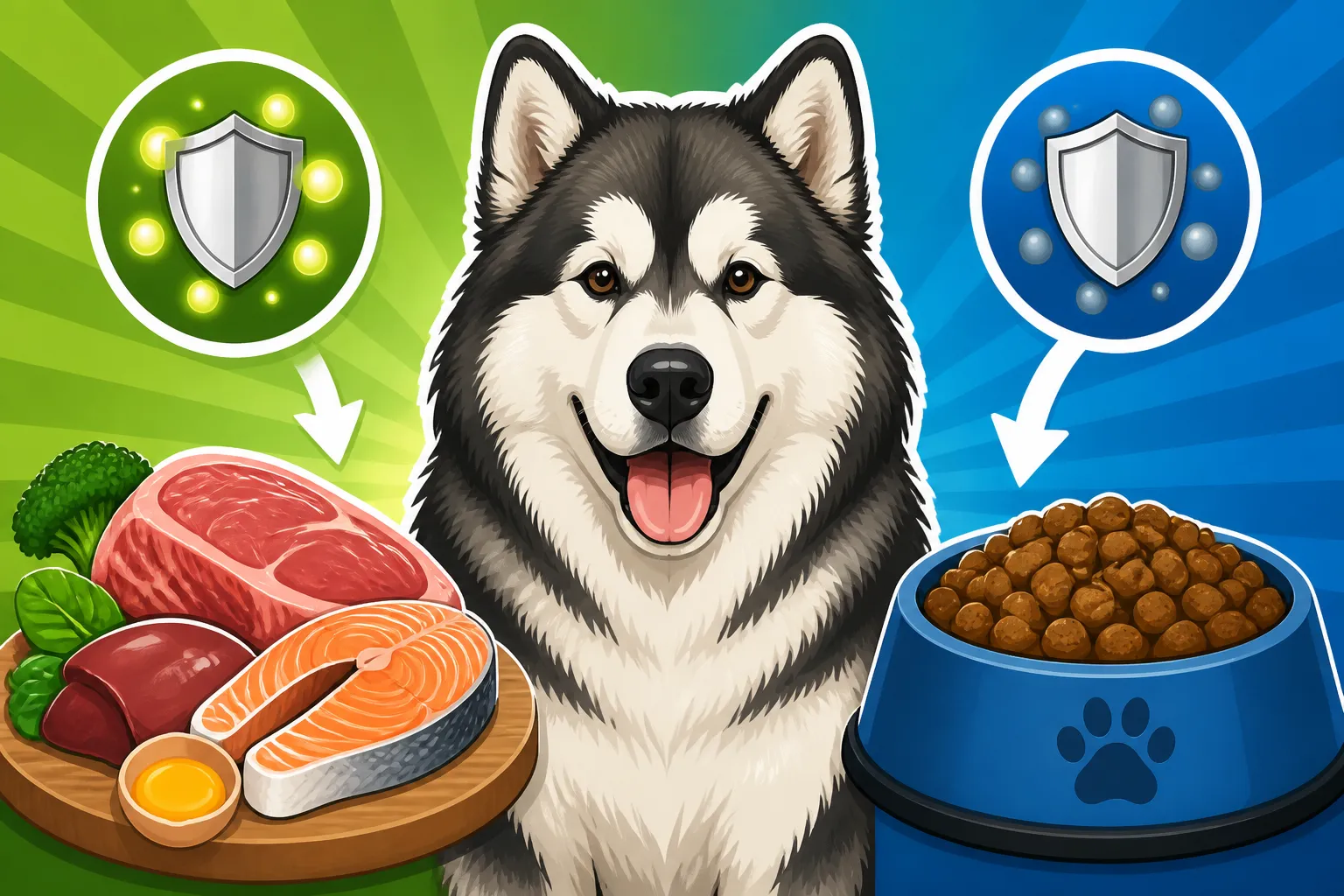
Whether a Raw Diet Delivers More Zinc to a Malamute
One of the biggest concerns for Alaskan Malamute owners, beyond the endless fur and the undeniable urge to dig, is ensuring their magnificent dogs are truly thriving from the inside out. When it comes to nutrition, especially with the breed's well-documented struggles with zinc absorption, it’s completely natural to question if a raw diet holds the key to delivering more of this vital mineral. This guide is here to unravel that question, exploring whether a raw feeding approach genuinely offers a zinc advantage for your beloved Malamute.
The Complex Relationship Between Malamutes and Zinc
Let's be honest, living with an Alaskan Malamute is an adventure, but it also comes with its unique set of health considerations. One that often keeps us Malamute parents up at night is the breed's predisposition to zinc-related issues. It’s not just a general concern; it’s a specific, often frustrating, challenge that can manifest in various ways if not properly addressed.
Why Zinc Absorption Is a Unique Challenge for Malamutes
Unlike many other breeds, Alaskan Malamutes can have a peculiar, sometimes genetically-driven, inefficiency when it comes to absorbing zinc from their diet. This isn't about simply not having enough zinc in the food; it's about their body's ability to actually utilize what's there. This predisposition is so common that it has a name: Zinc Responsive Dermatosis (ZRD). You might see crusty lesions around their eyes, muzzle, or even on their paw pads, and it's heartbreaking to witness. It's a stark reminder that even with seemingly adequate zinc in their diet, their system might just be shrugging it off.
This isn't a simple deficiency easily fixed by just swapping out one bag of kibble for another. For some Malamutes, this challenge is deeply rooted in their genetics, affecting how their digestive system processes zinc at a fundamental level. It's why this breed sometimes requires significantly higher levels of dietary zinc compared to other dogs, or zinc in more readily absorbable forms, to prevent clinical signs of deficiency. It's a testament to the fact that our big, beautiful dogs have very specific physiological needs that we, as their guardians, must understand and accommodate. Zinc Is the Thread Running Through Three Malamute Diseases highlights just how central this mineral is to their health.
The Bioavailability Factor: What It Means for Zinc
When we talk about bioavailability, we're really asking: how much of that nutrient actually gets into the dog's bloodstream and is used by the body? For zinc, this is a huge deal, especially for Malamutes. Think of it like this: you can put a gallon of water in front of your Malamute, but if their bowl has a tiny, slow leak, they're not getting all that hydration, are they? Zinc works similarly. The form of zinc in their food dramatically impacts how much their body can actually absorb and put to good use.
Some zinc compounds, often found in less expensive commercial dog foods, are bound to other molecules that make them harder for the body to break down and absorb. These are often called inorganic zinc sources. On the flip side, there are chelated forms of zinc, like zinc methionine or zinc proteinate, where the zinc is bound to amino acids. These are generally much easier for a dog's body to absorb, making them highly bioavailable. This is a critical distinction for a Malamute with a natural predisposition to poor zinc absorption. It means that simply seeing "zinc" on an ingredient list isn't enough; the type of zinc and its bioavailability are paramount in warding off issues like Zinc Responsive Dermatosis in an Alaskan Malamute.
Raw Diets: The Promise of Natural Nutrients
Many Malamute owners, looking for every advantage for their companions, turn to raw feeding with the hope that it offers a more "natural" and therefore superior way to deliver nutrients, including that all-important zinc. The philosophy behind raw feeding certainly has an appeal, especially when considering ancestral diets.
What Constitutes a "Raw Diet" for Dogs?
When people talk about a raw diet for dogs, they're usually referring to one of a few common approaches. The most popular are the BARF (Biologically Appropriate Raw Food or Bones And Raw Food) diet and the PMR (Prey Model Raw) diet. A BARF diet typically includes a mix of raw muscle meat, organ meat, raw bones, and often some fruits and vegetables, along with supplements. The idea is to mimic what a wild canine might eat, but with added plant matter.
The PMR diet, on the other hand, is generally more carnivorous, focusing almost exclusively on raw muscle meat, organs, and bone, replicating the proportions found in prey animals. Neither of these approaches involves cooking the ingredients, as the belief is that cooking can destroy beneficial enzymes and nutrients, or alter their bioavailability. Owners might prepare these meals themselves, often sourcing ingredients from local butchers or online suppliers, or they might opt for commercially prepared raw foods that come frozen, ready to thaw and serve. These might include brands like Ollie, which offers fresh, often minimally processed meals, appealing to owners seeking a bridge between home-prepared and conventional foods.
The Argument for Better Zinc in Raw Foods
Proponents of raw feeding often argue that a significant benefit is the provision of nutrients in their most natural and easily utilized forms, straight from the source. For zinc, this means consuming raw muscle meats and, more importantly, organ meats. Liver, kidney, and other glandular organs are naturally packed with zinc, often in forms that are thought to be highly bioavailable. The thinking is that since these ingredients haven't undergone high-heat processing, which can sometimes degrade vitamins and minerals or alter their chemical structure, the zinc remains intact and readily absorbable.
For a Malamute struggling with zinc absorption, this promise of naturally bioavailable zinc can be incredibly appealing. The idea is that instead of relying on synthetic supplements added to kibble, the dog is getting its zinc from whole, unprocessed foods, as nature intended. Many believe that the complex matrix of nutrients in whole foods also works synergistically, enhancing the absorption and utilization of individual minerals like zinc. This is a powerful argument for those who suspect their Malamute's issues stem from the way processed foods deliver, or fail to deliver, essential nutrients.
Potential Pitfalls and Imbalances in Raw Feeding
While the idea of naturally superior zinc in a raw diet sounds fantastic, it’s critical to acknowledge that raw feeding isn't a magical cure-all and comes with its own set of potential challenges. The biggest pitfall is imbalance. It's incredibly difficult to consistently formulate a raw diet at home that is perfectly balanced across all essential nutrients, including trace minerals like zinc, without extensive nutritional knowledge. Many well-meaning owners end up feeding diets that are either too high or too low in certain nutrients.
For Malamutes, a raw diet that is too high in calcium (from too much bone, for example) can actually inhibit zinc absorption. Calcium and phytates (often found in grains and legumes, but also some vegetables) are known antagonists to zinc, meaning they can compete for absorption sites in the gut. Even if raw ingredients are naturally rich in zinc, if the overall dietary balance is off, your Malamute might still struggle. This means that merely feeding a raw diet isn't a guarantee of optimal zinc delivery; a poorly constructed raw diet can be just as problematic, if not more so, than a low-quality kibble. Which Foods Block a Malamute's Zinc Absorption is an important read to understand these interactions.
Comparing Zinc Delivery: Raw vs. Commercial Diets
So, how does the zinc in a raw diet truly stack up against what's offered in commercially prepared foods? It’s not as simple as raw good, kibble bad, or vice versa. Both have their strengths and weaknesses when it comes to delivering this crucial nutrient to your Malamute.
Zinc Content in Raw Ingredients
When we look at individual raw ingredients, many are indeed fantastic sources of zinc. Red meats, like beef and lamb, are good, but organ meats are often the zinc powerhouses. For example, beef liver and kidney are particularly rich, as are oysters (though not a common dog food ingredient!). Here's a quick look at some general zinc content:
| Ingredient (Raw) | Approximate Zinc Content (per 100g) |
|---|---|
| Beef Liver | 4-5 mg |
| Beef Muscle Meat | 4-8 mg |
| Lamb Muscle Meat | 3-5 mg |
| Chicken Thigh | 2-3 mg |
| Oysters | 16-18 mg |
Note: These are approximate values and can vary based on source, preparation, etc.
The key takeaway here is that raw ingredients can provide ample zinc. However, the actual amount your Malamute gets depends entirely on the proportion of these ingredients in their meal. If a home-prepared raw diet is heavily skewed towards less zinc-dense meats or has components that inhibit absorption, even high-zinc ingredients might not do the trick. For instance, too much bone in a raw diet means too much calcium, and Whether Calcium Blocks a Malamute's Zinc Absorption is a real concern for Mal owners. Similarly, even if you’re sourcing excellent raw materials, if your dog's specific genetic predisposition for ZRD is strong, even high natural zinc might not be enough on its own.
How Commercial Diets Approach Zinc Supplementation
Reputable commercial dog food manufacturers, especially those producing diets for large breeds or breeds known for specific nutrient sensitivities, are well aware of the importance of zinc and its bioavailability. They don't just throw in some generic zinc oxide and call it a day. Instead, high-quality kibbles, and even some fresh-frozen or dehydrated commercial raw diets available through retailers like Chewy, will often use highly bioavailable forms of zinc, such as zinc proteinate or zinc methionine. These are chelates, meaning the zinc molecule is bound to an amino acid, making it much easier for the dog's intestines to absorb.
These companies invest heavily in nutritional science to ensure their diets are not only complete and balanced but also optimized for absorption. They aim for a consistent level of zinc in every bite, which can be a challenge with home-prepared raw meals that might vary daily. For a Malamute, this consistency and the use of specific, highly absorbable zinc compounds can be a significant advantage. It takes the guesswork out of ensuring adequate zinc intake and can be a more reliable approach, especially for dogs with diagnosed zinc malabsorption.
The Importance of a Balanced Approach, Regardless of Diet Type
Ultimately, whether you choose a raw diet or a high-quality commercial kibble for your Malamute, the paramount factor is balance. A diet that is unbalanced, regardless of its type, can lead to nutrient deficiencies or excesses that harm your dog's health. For a Malamute, this means not just enough zinc, but also ensuring other nutrients don't interfere with its absorption. For example, a diet very high in plant matter containing phytic acid can bind with zinc, making it unavailable. This is why Whether Phytates in Grain Block a Malamute's Zinc is a consideration for some owners.
The goal isn't just "more" zinc; it's the right amount of zinc in a bioavailable form that is actually absorbed by your Malamute's unique system. This might mean that even a well-intentioned raw diet could fall short if not meticulously crafted or if the Malamute's genetic issue is particularly pronounced. Conversely, a carefully formulated commercial diet, even if it's kibble, can be superior if it consistently provides the type and amount of zinc your Malamute needs to thrive. There isn't a one-size-fits-all answer, but rather a journey to find the optimal nutritional strategy for your dog.
Making an Informed Decision for Your Malamute's Zinc Needs
Navigating the world of dog nutrition, especially with a breed like the Alaskan Malamute that has specific health considerations, can feel overwhelming. But arming yourself with knowledge and working with professionals is the best way forward.
Working With Your Veterinarian
This cannot be stressed enough: always involve your veterinarian in any major dietary decisions, particularly for a breed with known genetic predispositions like the Malamute's zinc absorption issues. Your vet can provide crucial guidance, perform diagnostic tests, and help you tailor a nutritional plan that is truly best for your individual dog. If you suspect your Malamute is struggling with zinc absorption, your vet can recommend tests, such as blood work to check zinc levels or a skin biopsy if there are dermatological signs. Whether a Malamute's Zinc Should Be Blood Tested is a valid question to bring up with your vet.
They can help you understand the specific needs of your Malamute, evaluate potential benefits and risks of different diet types, and ensure that any dietary changes are introduced safely and effectively. This partnership is invaluable, as they have the medical expertise to diagnose underlying conditions and monitor your dog's response to any changes you implement. Don't go it alone; your vet is your most important ally in your Malamute's health journey.
Supplementation Considerations
Even with the most carefully chosen diet, some Malamutes with severe zinc malabsorption, especially those with diagnosed ZRD, may still require direct zinc supplementation. This is not a failure of the diet, but rather an acknowledgment of the severity of their genetic predisposition. Zinc supplements come in various forms, and again, bioavailability is key. Your vet can recommend the most effective type and dosage for your Malamute. Often, they will suggest chelated forms, similar to those found in high-quality commercial foods.
You can find various zinc supplements designed for dogs, often available online through retailers like Amazon, or at specialty pet stores. However, it's crucial to only supplement under veterinary guidance. Too much zinc can also be harmful, leading to other mineral imbalances or even toxicity. It's a delicate balance, and your vet can help ensure you're providing the exact right amount without overdoing it. Which Zinc Supplement Suits a Malamute is a conversation you should definitely have with your veterinarian if supplementation becomes necessary.
Monitoring Your Malamute's Health
Regardless of whether you choose a raw diet or a commercial one, continuous monitoring of your Malamute’s overall health and specific signs of zinc deficiency is paramount. Be vigilant for any changes in their skin and coat. Look for dry, crusty, or flaky skin, especially around the eyes, muzzle, ears, and paw pads. These are often the first visible signs of What Zinc Responsive Dermatosis Looks Like on a Malamute. Hair loss, dull coat, or thickening of the paw pads can also be indicators.
Regularly Reading a Malamute's Skin Before the Crusts Appear can help you catch issues early. Pay attention to their appetite, energy levels, and general demeanor. Any subtle shifts could indicate that their nutritional needs aren't being fully met. Keeping a detailed journal of observations, diet changes, and any supplements given can be incredibly helpful for you and your vet to track progress and make informed adjustments. Your Malamute communicates their well-being through these subtle cues, and it's our job to be their attentive interpreters.
Disclaimer
This article is for general informational purposes only and does not constitute professional advice. Laws, prices and regulations vary by location and change over time. Consult a qualified professional for guidance on your specific situation.