Whether High Calcium Food Blocks a Malamute’s Zinc
It’s incredibly common to worry about every single morsel our beloved Alaskan Malamutes consume, especially when we know they have unique sensitivities like zinc absorption. One question that often pops up, and rightly so, is whether the calcium levels in their food could actually be working against their ability to absorb that crucial zinc. This guide is here to untangle that very concern, helping you understand the relationship between calcium and zinc in your Malamute's diet and how to ensure your furry friend gets all the nutrients they need.
The Delicate Dance: Understanding Zinc Absorption in Alaskan Malamutes
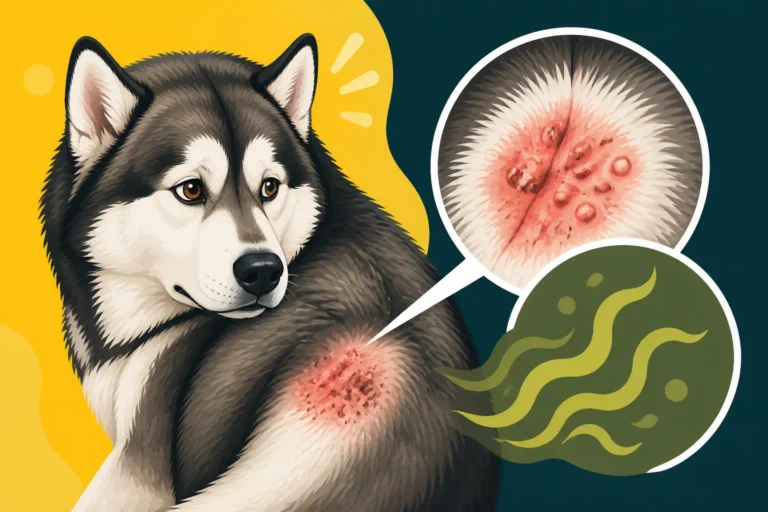
Alaskan Malamutes are magnificent, powerful dogs, but they come with a few genetic quirks that owners need to be aware of. One of the most significant is their predisposition to zinc responsive dermatosis, a condition where their bodies simply don't absorb zinc efficiently, even if it's present in their diet. It’s not just about getting enough zinc; it’s about their system being able to use it. This can be a real source of frustration for owners who are trying their best to feed a high-quality diet.
Think of zinc as a vital cog in countless metabolic processes. It plays a role in everything from healthy skin and coat to immune function, thyroid health, and even wound healing. When a Malamute struggles with zinc absorption, it can manifest in a variety of ways, often starting with skin issues around the eyes, mouth, and pressure points, looking crusty or flaky. You might notice their magnificent fur thinning in patches, or their paw pads becoming thick and hard. This isn't just cosmetic; it's a sign that their body is truly struggling at a foundational level. Many owners find themselves on a long journey with their vets trying to pinpoint the exact cause, often leading to blood tests and dietary adjustments. This is why paying close attention to all dietary components, not just zinc itself, becomes so critical.
This breed's unique metabolism, honed over centuries in harsh Arctic environments, means their digestive systems are incredibly efficient. However, this efficiency sometimes comes with trade-offs. While other breeds might sail through life on a standard kibble, a Malamute might be silently battling a nutrient deficiency, even on seemingly good food. It's not always about a lack of zinc in the food, but rather an inability to properly assimilate it. This means we, as their guardians, need to be extra vigilant and understand the nuances of their nutritional needs, which includes how other minerals interact within their bodies. It's a journey of continuous learning, but it's essential for their long-term health and well-being.
Calcium's Role: Friend or Foe to Zinc Absorption?
Now, let's get to the heart of the matter: calcium. Calcium is, without a doubt, a crucial mineral for dogs, supporting strong bones, teeth, nerve transmission, and muscle function. Especially for a large, powerful breed like the Alaskan Malamute, adequate calcium intake during growth is paramount for proper skeletal development. You want those strong bones to support their substantial weight and active lifestyle. However, like many good things, too much calcium can indeed create problems, particularly when it comes to other minerals.
The relationship between calcium and zinc in the digestive system is a competitive one. When there's an excess of calcium, it can actually interfere with the absorption of zinc. Think of it like this: both minerals are trying to get through the same "doorway" in the intestinal wall to be absorbed into the bloodstream. If there's a huge crowd of calcium trying to get through, the zinc might struggle to find its way in. This is especially true if the zinc source itself isn't highly bioavailable. This isn't usually an issue with a perfectly balanced, high-quality dog food for most breeds, but for Malamutes, who already have a genetic predisposition to poor zinc absorption, even slightly elevated calcium levels can exacerbate their challenges. This interaction is often why vets will look at the entire mineral profile of a Malamute's diet if zinc deficiency is suspected.
It's not just the absolute amount of calcium that matters, but also the ratio of calcium to phosphorus, and how these minerals interact with other dietary components like phytates found in some grains. While moderate levels of calcium are essential, feeding a diet excessively high in calcium, perhaps from inappropriate supplements or certain types of raw feeding that aren't well-balanced, could inadvertently worsen a Malamute's zinc status. This is a common pitfall for well-meaning owners who might be supplementing without professional guidance, or those feeding home-prepared diets without a veterinary nutritionist's input. The goal is balance, not excess, even for essential nutrients.
Navigating Dietary Choices for Your Malamute
Choosing the right food for your Malamute can feel like a minefield, especially with their specific needs. Many commercial dog foods are formulated to meet AAFCO guidelines, which ensure a baseline of nutrition, but these guidelines don't always account for breed-specific genetic predispositions like the Malamute's zinc absorption issues. This leaves owners in a tricky spot, trying to decode ingredient labels and nutritional analyses. It's not enough to see "zinc" listed; you need to consider the context of the entire diet.
When evaluating food, look beyond just the protein percentage. Dive into the mineral analysis if available, often found on the brand's website or by contacting their customer service. You're looking for a balanced calcium-to-phosphorus ratio, ideally somewhere between 1.1:1 and 1.5:1. If the calcium content is significantly higher, especially without a corresponding increase in zinc or if your Malamute is already showing signs of zinc deficiency, it might be a red flag. Some owners find that feeding a specialized large-breed formula, particularly for puppies, can sometimes lean towards higher calcium levels to support rapid bone growth, but for Malamutes, this could be counterproductive. It’s always best to discuss with your vet or a veterinary nutritionist to tailor their diet.
For owners considering different types of diets, the calcium-zinc interaction remains crucial. If you're exploring fresh food options, whether prepared at home or through services like Ollie, it's vital to ensure their formulations are expertly balanced. Homemade diets, while seemingly customizable, are incredibly difficult to get right without professional guidance, often leading to imbalances that can cause more harm than good. Similarly, if you're supplementing with chews or treats, be mindful of their calcium content. Many dental chews, for instance, are high in calcium. While convenient, these add to the overall dietary load. Always read labels, and consider consulting your vet before adding any new supplements or significantly altering their diet. Many reputable brands found on platforms like Chewy or Amazon offer detailed nutritional breakdowns, but always double-check with a professional regarding your specific Malamute's needs.
Here's a quick look at how different dietary components might influence zinc absorption:
| Dietary Component | Typical Impact on Zinc Absorption | Considerations for Malamutes |
|---|---|---|
| High Calcium | Can compete with zinc for absorption in the gut. | Avoid excessive calcium, especially with low-quality zinc sources. |
| Phytates (in grains) | Can bind with zinc, making it less available. | Choose foods with lower phytate content or bioavailable zinc sources. |
| Fiber | Very high fiber might reduce absorption slightly. | Generally not a primary concern if diet is otherwise balanced. |
| Bioavailable Zinc | Essential for efficient absorption. | Look for zinc methionine or chelated zinc in ingredients list. |
| Copper | High copper can also interfere with zinc absorption. | Maintain a healthy copper:zinc ratio; supplements should be balanced. |
Practical Steps to Ensure Optimal Zinc Levels
It might feel overwhelming, but there are concrete steps you can take to help your Malamute maintain healthy zinc levels, even with their genetic predisposition. The first and most important step is always to work closely with your veterinarian. They can help diagnose any existing zinc deficiency through blood tests and rule out other conditions that might present with similar symptoms, like allergies or hypothyroidism. Whether a Malamute's Skin Infections Are Secondary is a crucial question your vet can help answer.
Once a zinc deficiency is confirmed, your vet will likely recommend a zinc supplement. This isn't about guesswork; it's about providing targeted support. Which Zinc Supplement Suits a Malamute is a common question, and generally, zinc methionine or other chelated forms are highly recommended because they are more easily absorbed by the body, bypassing some of the competitive absorption issues. You might find these specific supplements available through veterinary clinics or online retailers like Chewy or Amazon. It’s important to stick to the prescribed dosage and not to over-supplement, as too much zinc can also cause problems, including interfering with copper absorption.
Beyond supplements, a holistic approach to their diet is key. Review your Malamute's current food with your vet, paying close attention to the calcium-to-phosphorus ratio and the type of zinc included. If you're feeding a home-prepared diet, a consultation with a board-certified veterinary nutritionist is invaluable to ensure it's truly balanced. For commercial foods, opt for high-quality diets that use highly digestible ingredients and chelated minerals. Don't be afraid to ask your food manufacturer for detailed nutritional information beyond what's on the bag. Finally, consider regular check-ups, especially for older Malamutes, as their nutritional needs can shift. Caring for an Alaskan Malamute past eight often involves a closer look at their overall health and dietary support. By taking these proactive measures, you'll be well on your way to ensuring your magnificent Malamute thrives, with a healthy coat, robust immune system, and boundless energy. Zinc Responsive Dermatosis in an Alaskan Malamute is a common issue, and understanding these dietary factors is a huge part of managing it effectively.
Disclaimer
This article is for general informational purposes only and does not constitute professional advice. Laws, prices and regulations vary by location and change over time. Consult a qualified professional for guidance on your specific situation.