Whether an Alaskan Malamute Tolerates Nail Trims
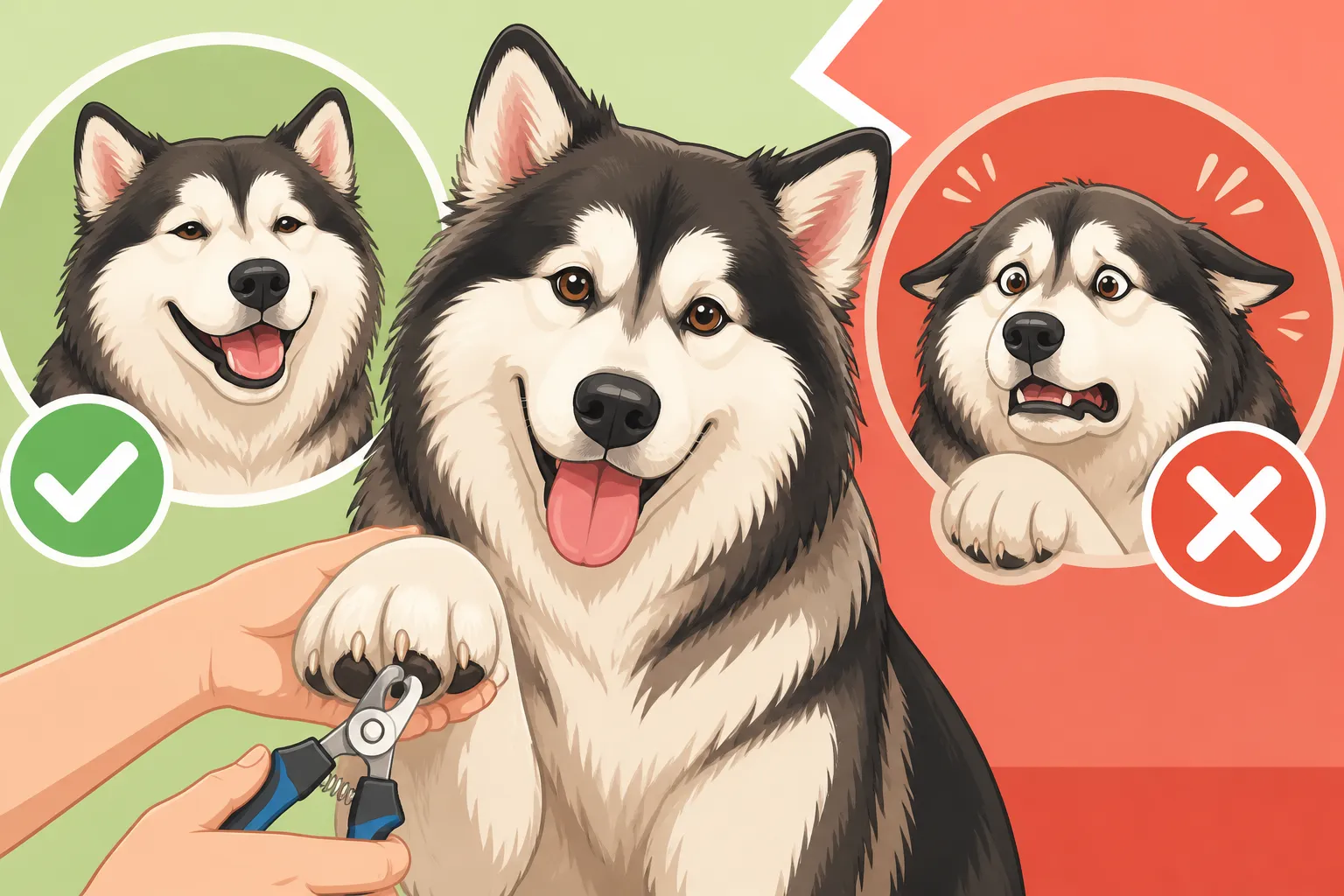
Ah, the dreaded nail trim! If you're an Alaskan Malamute owner, you've likely faced the wrestling match, the dramatic withdrawal of paws, or the sheer stubborn refusal that makes a simple trim feel like an Olympic event. It's a common frustration, believe me, and you're far from alone. This guide is all about understanding why your big, fluffy companion might be giving you such a hard time with their paws and, more importantly, how you can turn this often-stressful chore into a manageable, even calm, routine for both of you.
The Root of the Resistance: Why Malamutes Dislike Nail Trims
It's easy to take it personally when your Malamute pulls their paw away with an aggrieved huff, but their resistance to nail trims often stems from a combination of natural instincts, past experiences, and their unique Malamute personality. It’s not about being naughty; it’s about their perception of the situation.
Genetic Predisposition and Natural Wear
Think about where Alaskan Malamutes originated. These magnificent dogs were bred to work in harsh Arctic conditions, pulling heavy loads across vast, often abrasive terrains. In such an environment, their nails would naturally wear down from constant contact with ice, snow, rocks, and hard earth. They wouldn't typically have long, overgrown nails because their lifestyle kept them trimmed.
Fast forward to modern living, and most of our Malamutes spend their days on softer surfaces – carpets, grass, or even well-maintained trails. These surfaces simply don't provide the natural abrasion needed to keep their nails at an optimal length. Consequently, their nails can grow long and thick, making them more prone to discomfort and increasing the likelihood of hitting the quick during a trim. Moreover, Malamutes have incredibly strong, dense nails, which are designed for digging and gaining traction. This dense structure can make them feel intimidating to trim, and a bad experience can quickly lead to a lifetime of aversion. We want to avoid any discomfort in their Feet, Pads and Nails on an Alaskan Malamute That Pulls, after all.
Early Experiences and Negative Associations
A lot of a dog's behavior around grooming stems from their puppyhood. If your Malamute had a negative experience with nail trims when they were young, even before they came to you, that fear can stick with them for years. Perhaps a quick was cut too short, causing pain and bleeding. Maybe they were held down forcefully, creating a strong negative association with restraint and grooming tools. Even if you haven't had a bad experience with them, a nervous vet tech or groomer in their past could have inadvertently created this apprehension.
Malamutes are incredibly smart, and they remember. One painful quicking incident can undo months of positive training. They learn quickly that the clippers, the Dremel, or even just the sight of you approaching with those tools, signals potential discomfort or fear. This isn't stubbornness; it's a learned avoidance behavior, a self-preservation instinct kicking in. It's why starting early and making the experience overwhelmingly positive, especially during The First Year With an Alaskan Malamute Puppy, is so crucial.
High Prey Drive and Handling Sensitivity
Alaskan Malamutes are known for their independence and strong will. They are not a breed that typically tolerates being bossed around or forced into situations they don't like, especially when it involves close handling of their sensitive paws. Their working heritage means they are accustomed to making their own decisions, and they might perceive being held still for a nail trim as an infringement on their autonomy. This breed trait is something owners quickly learn – Why Force Fails on an Alaskan Malamute.
Furthermore, Malamutes are highly tactile and often sensitive to touch, particularly around their paws, which are vital tools for them. They use their paws for everything from digging vast holes to communicating with you. Forcing a Malamute into an uncomfortable position or holding their paw too tightly can feel invasive and threatening to them. Their high prey drive also means they are constantly aware of their surroundings. Being focused on a nail trim might make them feel vulnerable, as they can't keep an eye on everything else, adding to their anxiety.
Building a Better Experience: Positive Reinforcement and Desensitization
Overcoming a Malamute's aversion to nail trims requires patience, consistency, and a deep understanding of positive reinforcement. You're not just trimming nails; you're rebuilding trust and changing a deeply ingrained perception.
Starting Early and Making it Fun
If you have a Malamute puppy, you have a golden opportunity to prevent future struggles. Start touching their paws from day one. Not just for nail trims, but regularly, gently, and playfully. Associate paw handling with good things: cuddles, praise, and especially high-value treats. During this critical early period, introduce the nail clippers or Dremel without even using them. Let the puppy sniff them, put them on the floor, and give a treat. Let them hear the sound of the Dremel from a distance, gradually moving it closer, always pairing it with something wonderful.
For an adult Malamute who already has negative associations, the process is similar but requires even more patience. You're essentially rewiring their brain. Break the process down into tiny, non-threatening steps. Step one: show the clippers, reward. Step two: touch the clippers to their paw, reward. Step three: apply minimal pressure, reward. The key is to stop before they show any signs of stress and always end on a positive note. This might mean you only touch one nail with the clipper and then quit for the day, celebrating that small success with a jackpot of delicious treats. Remember, a Malamute will work for food (Whether Food Motivates an Alaskan Malamute).
The Art of Desensitization and Counter-Conditioning
Desensitization means gradually exposing your Malamute to the scary thing (the clippers/Dremel and the act of trimming) in small, manageable doses, without triggering fear. Counter-conditioning means changing their emotional response to that scary thing from negative to positive.
Imagine this scenario:
- Introduce the tool: Just have the clippers or Dremel sitting on the counter. Don't even pick them up. When your Malamute glances at them calmly, toss a treat.
- Handle the paw: Gently pick up a paw, stroke it, and immediately release it with a treat. Repeat this many times over several sessions, aiming for longer duration.
- Combine tool and paw: Pick up the clippers/Dremel, then pick up a paw. Just hold them together for a second, then put the tool down, release the paw, and reward.
- Touch the nail: Once comfortable, gently touch the clipper/Dremel to one nail for a split second, then reward.
- Small trim: When your Malamute is completely relaxed with the above, try to take off the tiniest sliver of one nail. If they tolerate it, celebrate with a huge reward. If not, go back a step.
Consistency is vital. Do these sessions daily, but keep them super short – 2 to 5 minutes at most. You want to make it feel like a fun game, not a chore. Some Malamute owners find that using a lick mat spread with peanut butter or a high-value paste (like a Chewy treat paste) can keep their dog distracted and positively occupied during the process. For detailed advice on tools, you can dive deeper into Whether a Dremel Suits an Alaskan Malamute's Nails.
Creating a Calm Environment
The setting where you attempt nail trims plays a huge role in your Malamute's cooperation. A chaotic, noisy environment will only amplify their anxiety.
- Location: Choose a quiet room where there are minimal distractions. Maybe it's their favorite cozy corner, or even outdoors if they are calmer there.
- Positioning: Avoid forcing your Malamute into an awkward or uncomfortable position. Try trimming while they are lying down calmly, or sitting between your legs. Some owners find success with specialized grooming slings or hammocks, especially for smaller Malamutes, but always introduce these gently and positively. The goal is comfort, not constraint.
- Take breaks: If you sense tension rising, take a break. Walk away, come back later. It’s better to get one nail done calmly than to battle through all twenty and create a negative memory. Breaking up the task over several days is perfectly acceptable. For example, you might do two nails one day, two more the next.
Tools and Techniques for a Malamute-Friendly Trim
Having the right tools and knowing how to use them can make a world of difference. Malamutes have particularly tough nails, so flimsy equipment simply won't cut it (pun intended!).
Choosing the Right Equipment
There are generally two main types of nail trimming tools: clippers and grinders (Dremels).
| Tool Type | Pros | Cons | Best For |
|---|---|---|---|
| Clippers | Quick, no noise/vibration, generally less expensive. | Risk of quicking (cutting too short), can splinter nails, requires steady hand. | Dogs tolerant of clipping, quick touch-ups. |
| Dremel/Grinder | Smoother finish, less risk of quicking if done gradually, good for thick nails. | Noise and vibration can be scary, takes longer, generates heat. | Malamutes with thick nails, anxious dogs (with desensitization), precise shaping. |
For many Alaskan Malamute owners, a Dremel-style grinder often becomes the preferred choice. Their nails are notoriously thick and hard, and a grinder allows for gradual removal, reducing the risk of cutting into the quick. The quick is the living part of the nail, containing blood vessels and nerves. Cutting it is painful and can bleed profusely, creating that negative association we discussed.
No matter which tool you choose, always have styptic powder (like Kwik Stop) on hand. This is a powder that helps to stop bleeding quickly if you accidentally cut too far. It's a safety net that can ease your own anxiety, making you more confident and less hesitant during the trim. You can find quality clippers, Dremel tools, and styptic powder from retailers like Chewy, Amazon, or even specialty pet stores.
Step-by-Step Dremel Technique
If you opt for a Dremel, here's a step-by-step approach:
- Preparation: Ensure your Malamute is calm and comfortable. Have your Dremel charged, styptic powder ready, and a generous supply of high-value treats.
- Introduction to sound: Turn the Dremel on away from your Malamute. Let them hear the sound, give a treat. Repeat until they are unconcerned by the noise.
- Introduction to vibration: With the Dremel off, gently touch the grinder head to your Malamute's paw (not the nail yet). Reward for tolerance. Then, with the Dremel on, touch it lightly to a non-sensitive part of their body, like their shoulder or flank, to get them used to the vibration. Reward.
- Grinding a tiny bit: When they're ready, take one paw, gently hold it, and quickly touch the spinning Dremel to the very tip of one nail. Grind for just a second or two, then pull away and reward.
- Check the quick: As you grind, look at the cut surface of the nail. The quick recedes as the nail is shortened. You'll see a small, darker circle appear in the center of the nail, which indicates you're getting close to the quick. Stop grinding when you see this, or just before it. It’s always better to take off less than too much.
- Rotate nails: Don't feel pressured to do all nails at once. Do one or two nails, then take a break. Offer lots of praise and treats. You can spread the trim out over a few days if needed. How Often an Alaskan Malamute's Nails Need Cutting often means regular, short sessions are better than infrequent, long ones.
When to Seek Professional Help
Sometimes, despite your best efforts, your Malamute might still be too stressed or aggressive for you to safely trim their nails at home. This is not a failure on your part, but a sign that professional intervention is needed.
- Veterinary Technicians: Many vet clinics have skilled technicians who are excellent at handling nervous dogs and performing nail trims efficiently. They might even be able to offer sedation options if severe anxiety is an issue, making the experience less traumatic for your Malamute.
- Professional Groomers: Experienced groomers, especially those familiar with large, powerful breeds like Malamutes, can be a great resource. They often have specialized equipment and techniques for handling difficult trims. While you might consider Whether a Groomer Will Take a Malamute in Coat Blow, you should certainly inquire about nail services.
- Veterinary Behaviorists or Certified Trainers: If the fear or aggression around nail trims is severe and consistent, it might be part of a larger anxiety issue. A veterinary behaviorist or a certified professional dog trainer specializing in fear-based behaviors can help you develop a tailored behavior modification plan. This is a significant investment, but if it improves your dog's overall well-being and reduces stress for both of you, it can be incredibly worthwhile. Understanding What a Behaviorist Costs a Malamute Owner might be helpful here.
Long-Term Strategies and Lifestyle Adjustments
A nail trim isn't just a one-off event; it's an ongoing part of your Malamute's care. Integrating strategies that promote natural wear and maintaining consistency will significantly reduce the burden over their lifetime.
Encouraging Natural Wear
One of the best ways to keep your Malamute's nails shorter is to encourage natural wear.
- Pavement Walks: Regular walks on abrasive surfaces like pavement, concrete, or even rough gravel can help file down their nails naturally. Make these walks a consistent part of their daily routine. Just be mindful of the weather, especially in summer, as hot pavement can burn their paw pads.
- Working Activities: Malamutes were bred to pull, and engaging them in activities like sledding, canicross, or even recreational weight pull can contribute to nail wear. When a Malamute is Pulling Is the Only Job an Alaskan Malamute Really Wants, their paws are constantly interacting with the ground, which helps keep those nails shorter.
- Digging Pit: While digging can be a nuisance, it's also a natural Malamute behavior. Providing a designated digging pit filled with sand or loose soil can give them an outlet for this instinct, and the act of digging itself can help wear down their nails, albeit slowly.
These activities, combined with a good diet and overall care, contribute to a healthier, happier Malamute. Think of it as part of What an Alaskan Malamute Needs Every Day.
Consistency is Key
The most effective approach to nail care for any dog, especially a Malamute, is consistency. Regular, short trimming sessions are far better than allowing nails to get long and then attempting a big trim. When nails get too long, the quick also grows longer, making it harder to trim them back without causing pain.
- Weekly Checks: Get into the habit of checking your Malamute's nails weekly. This allows you to catch them before they become overgrown. You can do a quick touch-up as needed.
- Scheduled Sessions: Mark your calendar for nail trim days. Whether it's once a week, every two weeks, or monthly, sticking to a schedule helps both you and your Malamute know what to expect. Short, frequent sessions (even just one nail a day) keep the quick from extending and make the process less daunting.
If you let things slide, you might find your Malamute's behavior regressing. They thrive on routine, and a consistent schedule reduces their anxiety and reinforces the positive training. If your Malamute sometimes seems to ignore a cue they know, it could be a sign you need to re-establish consistency in your training and routine, including nail care. Whether an Alaskan Malamute Ignores a Cue It Knows speaks to this inherent independence.
Addressing Underlying Issues
Sometimes, a Malamute's resistance to nail trims isn't just about learned behavior or stubbornness. It could be a sign of an underlying physical or emotional issue.
- Pain or Discomfort: As Malamutes age, they can develop conditions like Arthritis in an Older Alaskan Malamute or other joint pain. Holding their paw or putting pressure on their leg during a trim could be genuinely painful for them. If your Malamute suddenly becomes resistant to trims when they previously weren't, a vet check-up to rule out pain is a good idea.
- Anxiety: Beyond just disliking the trim, some Malamutes suffer from general anxiety or specific phobias (e.g., sound phobia from the Dremel). Addressing these broader anxiety issues with your vet or a behaviorist can make all grooming tasks, including nail trims, much easier. They might suggest calming aids, environmental adjustments, or more intensive behavior modification.
By taking a holistic approach, considering their breed traits, past experiences, and potential underlying issues, you can create a nail trimming routine that is respectful of your Malamute's needs and leads to a much calmer experience for everyone involved. Sometimes, realizing that you just can't do it all, and Whether a Malamute Owner Can Skip the Groomer Entirely, is the best solution for everyone's sanity.
Disclaimer
This article is for general informational purposes only and does not constitute professional advice. Laws, prices and regulations vary by location and change over time. Consult a qualified professional for guidance on your specific situation.