How Long a Malamute’s Coat Blow Lasts
If you're living with an Alaskan Malamute, you've undoubtedly experienced the phenomenon known as "the coat blow." It's not just regular shedding; it's a dramatic, often overwhelming period where your majestic fluffball transforms into a fur-generating machine. You might wonder if it will ever end, if your vacuum cleaner will survive, or if you'll ever wear black clothing again. This guide is here to shed some light on the duration of this epic fur storm, offering insights into what causes it, how long it typically lasts, and practical tips to help you and your home come out the other side.
Understanding the Alaskan Malamute's "Coat Blow" Phenomenon
The Alaskan Malamute's coat is a marvel of nature, perfectly designed for the harsh Arctic climates they originally hailed from. This isn't just a single layer of fur; it's a sophisticated double coat, each part serving a crucial purpose. When we talk about a "coat blow," we're referring to a very specific, intensive shedding event that primarily involves this undercoat.
What is a Coat Blow and Why Does It Happen?
Imagine wearing a heavy winter parka all year round. As the seasons change and the weather warms up, you'd want to swap that heavy coat for something much lighter, right? Well, that's exactly what your Malamute does, but on a much grander scale. A coat blow is the process where the dense, insulating undercoat, which served to keep them warm during the colder months, is shed en masse to make way for a lighter, thinner undercoat more suitable for warmer weather. It's an evolutionary adaptation that ensured their survival in extreme environments.
This isn't just about losing a few hairs here and there. The undercoat of an Alaskan Malamute is incredibly thick and voluminous. During a coat blow, it comes out in huge clumps, like tufts of cotton wool, sometimes making it look like your dog is literally exploding with fur. It's a natural, healthy process, but it can be quite shocking and messy for new Malamute owners who aren't prepared for the sheer volume of hair involved. The undercoat sheds from the skin, and if not removed, it can get trapped in the outer guard hairs, leading to mats and potential skin issues.
The Biological Rhythm of a Malamute's Fur Cycle
The timing and intensity of a Malamute's coat blow are largely dictated by biological rhythms, primarily hormonal changes and environmental cues like daylight and temperature. In their ancestral home, the shift from short, cold winter days to longer, warmer spring and summer days triggered this physiological response. As the days lengthen and temperatures rise, their bodies signal that the heavy winter coat is no longer necessary.
Beyond seasonal changes, a Malamute's hormones play a significant role. Intact females, for example, often experience a massive coat blow after a heat cycle or after weaning puppies. This hormonal shift can result in an even more dramatic shed than the typical seasonal one, as their body rebalances. Even neutered or spayed Malamutes will still blow their coats, though the timing might be slightly less predictable or the intensity could differ. These internal and external cues work in tandem to ensure your Malamute always has the most appropriate insulation for the climate, showcasing a truly remarkable natural design.
Factors That Influence the Duration of the Coat Blow
While a coat blow is a natural process, its exact duration and intensity can vary quite a bit. There isn't a single, rigid timeline that applies to every Alaskan Malamute, and several factors play a significant role in how long you'll be finding fur in every corner of your home.
Environmental and Seasonal Triggers
The most obvious influence on a Malamute's coat blow is the environment, particularly the climate and the amount of natural light they're exposed to. Dogs living in climates with distinct seasons, where there's a clear difference between winter and summer, tend to have more pronounced and predictable coat blows. They'll typically shed their heavy winter coat in spring or early summer and then blow a lighter summer coat in the fall to prepare for winter. This means you might experience two major coat blows a year.
However, Malamutes living in more stable, indoor environments, especially those with consistent artificial light and temperature control, might shed more consistently throughout the year rather than having two massive, distinct blows. While it might seem like a blessing to avoid the "fur-nado," it can sometimes mean a never-ending cycle of moderate shedding. The goal is always to regulate their body temperature, and if your home's temperature doesn't fluctuate much, their body might not get the clear signal to dump all the fur at once.
Hormonal Changes and Spay/Neuter Effects
Hormones are powerful, and they can significantly impact a Malamute's coat cycle. As mentioned earlier, intact female Malamutes often experience a particularly heavy coat blow following their heat cycles. The hormonal surge and subsequent drop can trigger a massive shedding event that might last longer and be more intense than their typical seasonal blow. The same can occur after they whelp a litter and during the weaning process.
For both males and females, the act of spaying or neutering can also affect their coat. While it doesn't stop shedding, some owners report changes in coat texture and shedding patterns. Whether a Spayed Malamute Blows Coat Differently is a common question, and anecdotal evidence often suggests that altered dogs might have softer, cottonier coats that can be more prone to matting and might shed a bit more consistently, or even have a slightly longer, drawn-out coat blow. This isn't universally true, but it's a possibility to be aware of, as the removal of sex hormones impacts the entire endocrine system.
Diet, Health, and Stress
Believe it or not, what goes into your Malamute can absolutely affect what comes out of their coat – or doesn't. A high-quality diet, rich in essential fatty acids like Omega-3s and Omega-6s, can promote healthy skin and a strong coat, potentially leading to less excessive shedding during the non-blow periods and perhaps a more efficient, less tangled blow when it does occur. Conversely, a poor diet lacking in vital nutrients could contribute to a dull, dry coat and potentially prolonged or problematic shedding. Some owners choose fresh food diets, like those offered by companies such as Ollie, believing it supports overall coat health.
Underlying health issues, such as thyroid imbalances (which Malamutes can be prone to), skin infections, or even parasites, can also affect coat health and shedding patterns. If your Malamute is shedding excessively or has bald patches outside of a typical coat blow, it's always wise to consult your vet. Stress can also play a role. A dog under significant stress might experience abnormal shedding, though this is usually more diffuse than a true coat blow. Ensuring your Malamute has a balanced diet and good health is foundational to managing their magnificent, albeit sometimes challenging, coat.
The Typical Timeline: How Long Does It Really Last?
Alright, let's get down to the brass tacks: how long does this fur-nado truly rage? While it varies, there's a general pattern you can expect, broken down into distinct phases. Don't worry, it does eventually end, though it might feel like an eternity when you're vacuuming daily!
The Initial Shedding Phase
The coat blow doesn't usually hit you like a sudden wall of fur. It often begins more subtly, with a gradual increase in shedding. You might start noticing more hair on the furniture, clinging to your clothes, or forming small tumbleweeds in corners of your house. This initial phase can last for a week or two, acting as a gentle warning of the epic fluff-fest to come. During this time, your Malamute might still look relatively fluffy, but if you run your fingers through their coat, you'll start to feel the looser undercoat detaching from the skin.
This is the perfect time to proactive. When an Alaskan Malamute Blows Its Coat, it's not a secret; you can often feel the changes in their fur before you see it all over your house. Getting ahead of it with regular brushing during this phase can significantly reduce the intensity of the peak blow. Think of it as preparing for a snowstorm – you wouldn't wait until the blizzard is in full swing to get your shovel out!
The Peak Fur-nado
This is it. The main event. The "peak fur-nado" is when the coat blow is in full swing, and it's probably what most Malamute owners dread the most. During this period, the undercoat comes out in astonishing quantities. You could brush your Malamute for an hour and still collect enough fur to knit a small dog. This phase is characterized by an almost continuous shedding, where large clumps of undercoat detach with minimal effort. This is also when the vacuum cleaner becomes your best friend, and you might find yourself questioning the life choices that led you to own such a magnificent, yet shedding, creature.
For most Malamutes, this intense peak shedding phase lasts anywhere from 2 to 4 weeks. Yes, a full month of what feels like living in a fur factory. Some Malamutes might even stretch it to 6 weeks, especially if they have an exceptionally dense coat or if factors like humidity or indoor heating prolong the process. During this time, daily, sometimes twice-daily, thorough brushing is not just recommended, it's practically mandatory to help remove the dead undercoat and prevent painful matting. This period can truly feel like The Malamute Coat Blow That Fills a Vacuum in an Afternoon every single day.
The Tapering Off Period and Recovery
Thankfully, the fur-nado doesn't last forever. After the peak, you'll start to notice a gradual reduction in the amount of fur being shed. The massive clumps will become smaller, and the frequency with which you're clearing tumbleweeds will decrease. This tapering off period can last another 1-2 weeks as the last vestiges of the old undercoat are expelled and the new, lighter coat begins to settle in.
Once the blow is complete, your Malamute's coat will feel sleek and much thinner, especially if it was a spring/summer blow. It will still be a double coat, but the undercoat will be significantly less dense. You'll likely still find some hair, because Malamutes are year-round shedders to some extent – Whether an Alaskan Malamute Sheds All Year is a good question, and the answer is usually yes, but nothing compared to the blow. The recovery is a beautiful thing, as you once again appreciate the stunning appearance of your Malamute without the constant cloud of fur. Your home will also breathe a sigh of relief.
Essential Tools and Techniques for Surviving the Blow
Facing a Malamute coat blow without the right tools is like trying to bail out a sinking ship with a thimble. It's frustrating, inefficient, and you'll likely feel overwhelmed. Equipping yourself with the proper grooming arsenal and techniques can make all the difference in managing this seasonal event.
Grooming Supplies That Are Your Best Friends
During a coat blow, your regular brush might just skim the surface. You need tools designed to reach deep into that dense undercoat and pull out the loose hair.
Here's a breakdown of the essentials:
- Undercoat Rake: This is arguably the most crucial tool. It has long, blunt teeth designed to penetrate the topcoat and gently pull out the dead, shedding undercoat without cutting or damaging the guard hairs. Look for one with rotating teeth to prevent snagging. You can find excellent options for undercoat rakes on sites like Amazon or Chewy.
- Slicker Brush: While not as effective for deep undercoat removal, a large slicker brush with fine, wire bristles is great for fluffing up the coat and removing loose hair closer to the surface, as well as working through any minor tangles.
- Force Dryer (High-Velocity Dryer): This tool is a game-changer. A force dryer uses powerful, unheated air to literally blow the loose undercoat out of your dog's fur. It's incredibly effective, much faster than brushing alone, and helps prevent matting by separating the hairs. It's loud, so introduce it slowly, but for What a Force Dryer Does for a Malamute's Coat Blow, there's truly nothing comparable. This is an investment but well worth it.
- Wide-toothed Comb: Essential for checking your work and ensuring there are no hidden mats, especially around the "armpits," behind the ears, and around the ruff.
| Tool Type | Primary Function | Best Use During Coat Blow |
|---|---|---|
| Undercoat Rake | Deep undercoat removal | Daily, gentle raking to pull out shedding undercoat |
| Slicker Brush | Surface detangling, fluffing, removing loose topcoat | After raking, to smooth and gather remaining loose fur |
| Force Dryer | Blasting out dead undercoat with air | After initial brushing, or during bathing to expedite drying and shedding |
| Wide-toothed Comb | Checking for mats, finishing | Final check for tangles, especially in dense areas |
The Power of Regular, Dedicated Brushing
During a coat blow, "regular" brushing takes on a whole new meaning. It needs to be daily, and it needs to be thorough. How Often an Alaskan Malamute Needs Brushing goes from a few times a week to every single day during this period. Dedicate at least 30 minutes, or even an hour, to brushing your Malamute, focusing on small sections at a time. Work your way methodically from head to tail, making sure you're getting deep into the undercoat with your rake. Many owners find it helpful to brush outdoors if possible, to contain the flying fur!
Don't just brush the top layer; you need to feel for the resistance of the loose undercoat. If you're not getting much hair out with an undercoat rake, you might not be getting deep enough. Use the slicker brush to collect the shorter hairs and finish. Remember, the more loose fur you remove during brushing, the less you'll find around your house. It's a labor of love, but it's crucial for your Malamute's comfort and to prevent matting, which can lead to skin irritation and infections.
Professional Grooming vs. DIY During a Blow
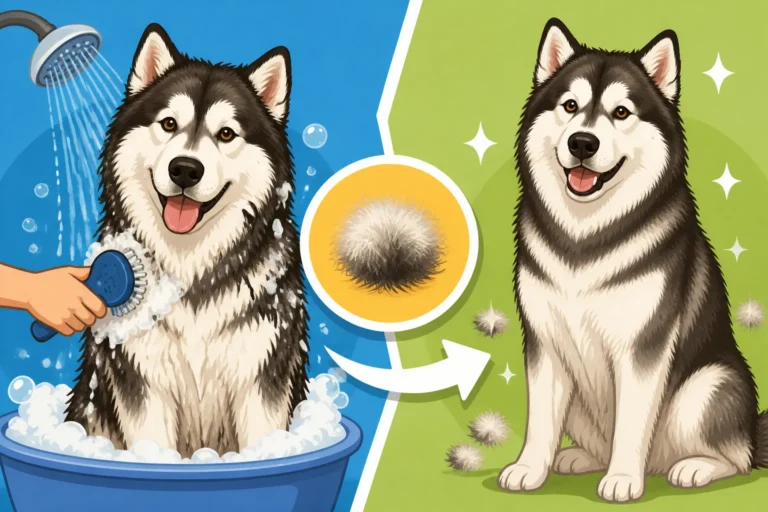
While many Malamute owners bravely tackle the coat blow at home, there are times when professional help is invaluable. A professional groomer has industrial-strength force dryers and specialized tools that can significantly reduce the duration and mess of a coat blow. A "deshedding treatment" at a groomer often involves a special shampoo, conditioner, and most importantly, a powerful force dryer that can blow out an incredible amount of undercoat in one session. Whether a Deshedding Treatment Is Worth It on a Malamute is a resounding "yes" for many owners, especially during the peak of the blow.
If you're feeling overwhelmed, or if your Malamute is prone to matting, a professional grooming session can reset their coat and provide a much-needed head start in managing the shed. However, be aware that one professional session might not completely eliminate the blow; you'll still need to maintain daily brushing at home. For those who can afford it, alternating between DIY brushing and professional deshedding appointments can be an excellent strategy. When looking for a groomer, make sure they are experienced with double-coated breeds and understand the unique needs of an Alaskan Malamute's fur.
Common Mistakes and Misconceptions During a Coat Blow
In the midst of a fur blizzard, it's easy to fall prey to common myths or make mistakes out of sheer desperation. Understanding what not to do is just as important as knowing what to do, especially when it comes to preserving the integrity and health of your Malamute's magnificent coat.
Why Shaving Your Malamute is a Big No-No
This is perhaps the biggest and most pervasive misconception when dealing with a shedding Malamute. Many owners, overwhelmed by the sheer volume of fur, consider shaving their dog, thinking it will solve the problem of shedding, keep them cooler, or somehow make the coat grow back better. This could not be further from the truth. Why an Alaskan Malamute Must Never Be Shaved is a crucial piece of knowledge for any Malamute owner.
Shaving a double-coated breed like a Malamute can cause irreversible damage to their coat structure. The double coat functions as an intricate insulation system: the dense undercoat provides warmth and protection, while the longer, coarser guard hairs protect the undercoat from water, dirt, and UV radiation, and help regulate temperature by trapping air. When you shave these guard hairs, you disrupt this natural system. The undercoat often grows back much faster and thicker than the guard hairs, leading to a woolly, unhealthy coat that can no longer properly insulate your dog. This can make them more prone to overheating in summer and offer less protection in winter. Additionally, the shaved coat can sometimes develop "post-clipping alopecia," where the fur simply doesn't grow back correctly, or at all, in certain areas. It's a permanent change that can compromise your Malamute's natural defenses.
Over-Bathing and Skin Irritation
While a bath can certainly help loosen some dead fur during a coat blow, it's not a solution you should overdo. Excessive bathing, especially with harsh shampoos, can strip your Malamute's skin and coat of their natural oils. These oils are vital for maintaining skin health, coat luster, and the protective properties of the fur. Stripping them away can lead to dry, itchy skin, flakiness, and even make your Malamute more susceptible to skin infections.
During a coat blow, bathing once a month, or every few weeks, using a good quality deshedding shampoo specifically designed for double coats, can be beneficial. It helps to loosen the dead undercoat, which can then be more easily removed with a force dryer or thorough brushing after the bath. However, if you find yourself tempted to bathe your Malamute every few days to control the shedding, resist the urge. Focus more on consistent brushing and the use of a force dryer instead. If you notice any skin irritation or excessive dryness, it's a sign you might be bathing too frequently or using an inappropriate product. For specific skin concerns, consulting your vet is always the best course of action.
Post-Blow Maintenance: Keeping That Magnificent Coat Healthy
Once the epic coat blow has subsided, you'll be left with a much sleeker Malamute and a house that no longer resembles a fur-covered wonderland. But the work isn't entirely over. Maintaining that magnificent double coat year-round, even outside the intense blow periods, is crucial for your Malamute's health and comfort.
Daily Care for a Thriving Double Coat
While the full-on battle against the fur is mostly over, a Malamute's coat still requires consistent attention. They will, to some extent, be Whether an Alaskan Malamute Sheds All Year, just at a much lower, more manageable volume. Daily, or at least every-other-day, quick brushing sessions with a slicker brush or a pin brush can help remove any loose hairs before they become embedded or create small mats. This also helps to distribute natural oils, keeping the coat healthy and shiny.
Pay particular attention to areas where mats are prone to forming, such as behind the ears, under the "armpits," and around the tail and britches. Even a small mat can quickly grow into a larger, painful tangle if left unattended. These regular, shorter grooming sessions also serve as a wonderful bonding opportunity with your Malamute and allow you to quickly identify any changes in their skin or coat. Think of it as preventative maintenance that keeps their coat in top condition and makes the next major coat blow slightly less intimidating.
Monitoring for Health Issues Reflected in the Coat
A Malamute's coat and skin are often indicators of their overall health. After a major coat blow, take the opportunity to closely examine their skin. Look for any dry patches, redness, bumps, or flakiness. The appearance of the coat itself can also tell you a lot. A dull, brittle, or greasy coat could signal an underlying issue that needs attention.
One specific concern for Malamutes is Zinc Responsive Dermatosis in an Alaskan Malamute. This genetic condition affects their ability to absorb zinc, which is crucial for healthy skin and coat. Symptoms often appear around the face, eyes, ears, and pressure points like elbows and hocks, manifesting as crusty, flaky skin, hair loss, and sometimes even secondary infections. Regularly inspecting your Malamute's skin, especially after a coat blow when the coat is thinner, can help you catch these issues early. If you notice any persistent skin problems or unusual changes in their coat, don't hesitate to consult your veterinarian. Early detection and intervention are key to managing any health concerns and keeping your Malamute's coat healthy and strong for years to come.
Disclaimer
This article is for general informational purposes only and does not constitute professional advice. Laws, prices and regulations vary by location and change over time. Consult a qualified professional for guidance on your specific situation.