Whether a Malamute Should Have a Yearly Eye Exam
It’s a natural worry for any Malamute owner: are you doing enough to protect their health? One question that often pops up is about their eyes. You might wonder if annual eye exams are truly necessary or just another thing to add to the already long list of vet visits. This guide is here to shed light on why regular eye checks are more than just a suggestion for our beloved Alaskan Malamutes, covering what to look for and when to act.
Understanding Alaskan Malamute Eye Health
Our Alaskan Malamutes are magnificent, hardy dogs, but like many purebreds, they come with certain predispositions that can affect their vision. It's not always obvious when something is amiss with their eyes, as dogs are masters at hiding discomfort until a problem is quite advanced. This makes understanding their unique ocular landscape incredibly important.
Common Ocular Conditions in Malamutes
Alaskan Malamutes, unfortunately, are genetically prone to several eye conditions that can range from mild irritations to severe, sight-threatening diseases. Knowing what these are is the first step in proactive care. For instance, Cataracts in an Alaskan Malamute are a concern, often appearing as a cloudiness in the lens of the eye that can obstruct vision. While some cataracts are age-related, Malamutes can develop hereditary cataracts earlier in life, sometimes even as puppies, which can progress rapidly.
Another significant condition is Progressive Retinal Atrophy (PRA). When a Malamute gets Progressive Retinal Atrophy, it's a degenerative disease that slowly but surely destroys the cells in the retina, leading to blindness. It's a heartbreaking diagnosis because, in its early stages, you might not even notice your Malamute is struggling. They adapt remarkably well to vision loss, especially in familiar environments, making it crucial to be vigilant. Then there's Whether a Malamute Gets Corneal Dystrophy, a condition where opaque deposits form on the cornea. While often not painful and only mildly impacting vision, in some severe forms, it can lead to corneal ulceration or significant vision impairment. Each of these conditions, and others, represents a unique challenge for Malamute owners.
Genetic Predispositions and Screening
The reason these conditions are more prevalent in Malamutes isn't just bad luck; it's often rooted in their genetics. Many of these ocular diseases are inherited, meaning they are passed down from parent to offspring. This is why reputable breeders go to great lengths to screen their breeding stock. For instance, while we don't often think of it, overall systemic health can impact the eyes; even something like Zinc Is the Thread Running Through Three Malamute Diseases can indirectly affect general well-being that might manifest in subtle ways.
Genetic testing has become an invaluable tool in identifying carriers or affected individuals before they are bred. For PRA, for example, DNA tests can identify the specific gene mutation responsible, allowing breeders to make informed decisions and hopefully, over generations, reduce the incidence of the disease. The Orthopedic Foundation for Animals (OFA) maintains a registry of dogs that have undergone health screenings, including eye examinations by board-certified veterinary ophthalmologists. These specialists look for any signs of inherited eye disease and issue certifications. For any Malamute owner, especially those considering breeding, understanding and utilizing these genetic and clinical screening programs is paramount to preserving the breed's health.
The Importance of Regular Eye Exams
It’s easy to think that if your Malamute isn’t bumping into furniture, their eyes must be fine. But as we just touched on, our stoic companions often don't let on when they're struggling. This is precisely why regular, proactive eye exams are not a luxury, but a necessity for our Malamutes. Think of it as a crucial preventative measure, just like their annual vaccinations.
Early Detection and Intervention
The biggest benefit of a yearly eye exam is the power of early detection. Many eye conditions in Malamutes, especially inherited ones, start subtly and progress gradually. By the time you notice overt symptoms – say, your Malamute squinting more often in bright light, or their eyes looking cloudy – the condition might already be advanced. Why a Malamute Shows Nothing Until It Cannot Work really highlights this stoic nature.
An annual exam, performed by a general veterinarian or, even better, a veterinary ophthalmologist, can catch these issues in their infancy. For some conditions, like certain types of cataracts or glaucoma, early intervention can make a monumental difference. It could mean the difference between preserving your Malamute’s sight and irreversible blindness. Medications, dietary changes, or even surgical options become more viable and effective when applied early. Waiting until symptoms are undeniable often means more complex, expensive, and less successful treatment outcomes. It's about giving your Malamute the best possible chance at a lifetime of clear vision and comfort.
What a Veterinary Ophthalmologist Looks For
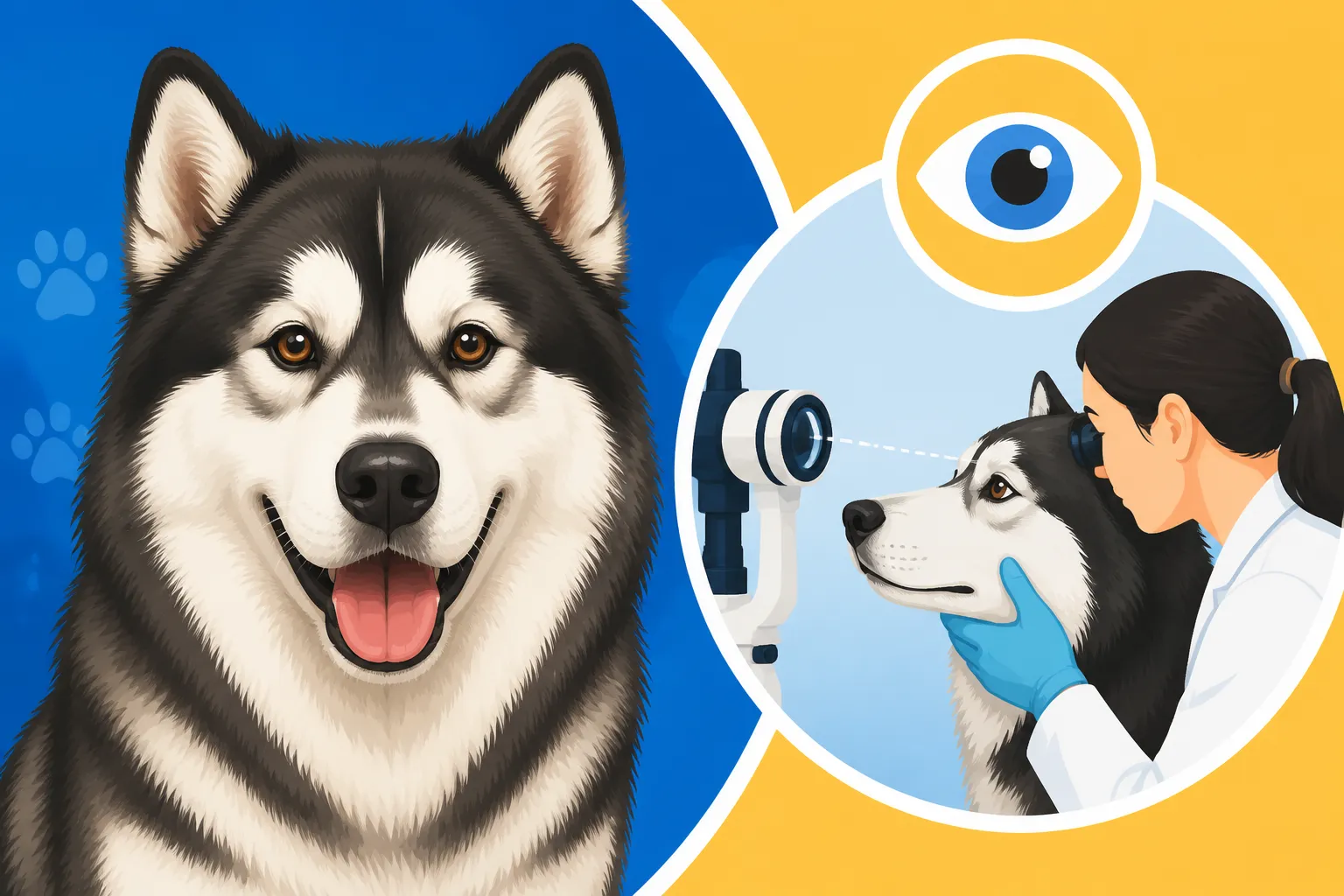
While your general vet can perform a basic eye check during an annual wellness exam, a board-certified veterinary ophthalmologist brings a whole new level of expertise and equipment to the table. These specialists have dedicated years to studying the intricate workings of animal eyes. They don't just glance; they perform a comprehensive battery of tests to assess every aspect of your Malamute's ocular health.
During an exam, they'll often start with a thorough history and observation. Then, they’ll use specialized tools. This includes an ophthalmoscope to examine the retina and optic nerve at the back of the eye, looking for signs of PRA or other retinal issues. They'll use a slit lamp biomicroscope, which allows for a magnified, detailed view of the front structures of the eye, like the cornea, iris, and lens, to detect cataracts, corneal dystrophies, or inflammation. Schirmer tear tests measure tear production, important for diagnosing "dry eye." Tonometry, using a special instrument, measures the intraocular pressure, which is critical for detecting glaucoma. They might also stain the cornea with fluorescein dye to check for ulcers or abrasions. This detailed approach ensures that even the most minute or hidden issues are identified, providing you with a complete picture of your Malamute's eye health.
When to Schedule Eye Exams and What to Expect
Knowing that eye exams are important is one thing, but knowing when to schedule them and what to anticipate during the visit can help ease any anxiety you might have. It's not just about addressing immediate concerns but establishing a routine that ensures long-term ocular health for your Malamute.
Puppyhood to Senior Years
The recommendation for eye exams can vary slightly depending on your Malamute's age and breeding history, but a good rule of thumb is to start early and continue throughout their The Ten to Fourteen Years an Alaskan Malamute Lives.
- Puppyhood (8-16 weeks): If you're getting a puppy from a reputable breeder, they should have already screened the parents for genetic eye diseases. However, a preliminary eye check by your own vet during your first puppy visit is always a good idea to rule out any congenital abnormalities or early-onset issues. Your vet might recommend a specialist if anything unusual is noted.
- Adulthood (1-7 years): For most adult Malamutes, a yearly eye check as part of their annual wellness exam is recommended. This allows your regular veterinarian to monitor for any changes or emerging conditions. If your Malamute is from a breeding line known for specific eye issues, or if you plan to breed them, then a yearly examination by a board-certified veterinary ophthalmologist is highly advised. The OFA and American College of Veterinary Ophthalmologists (ACVO) recommend annual exams for breeding dogs to certify them free of inherited eye disease.
- Senior Years (8+ years): As your Malamute enters its golden years—generally around The Age an Alaskan Malamute Counts as a Senior—yearly eye exams become even more critical. Older dogs are more prone to age-related cataracts, glaucoma, and other degenerative changes. Caring for an Alaskan Malamute Past Eight often involves increased vigilance for all health issues, and eye health is no exception. These regular checks can help manage conditions, improve comfort, and maintain their quality of life as they navigate their later years.
Signs That Warrant Immediate Veterinary Attention
While yearly exams are preventative, there are certain signs that should prompt you to call your vet or a veterinary ophthalmologist immediately, regardless of when their last check-up was. Ignoring these symptoms could lead to rapid progression of a problem and potentially irreversible damage.
Be on the lookout for:
- Redness or irritation: If your Malamute’s eyes appear bloodshot, inflamed, or if there's excessive rubbing or pawing at the face.
- Discharge: Any unusual discharge, whether watery, thick, green, or yellow, could indicate infection or irritation.
- Squinting or excessive blinking: This often signals pain or discomfort in the eye.
- Cloudiness or change in eye color: A sudden blue haze, milky appearance, or a change in the iris color can be a red flag for cataracts, glaucoma, or corneal issues.
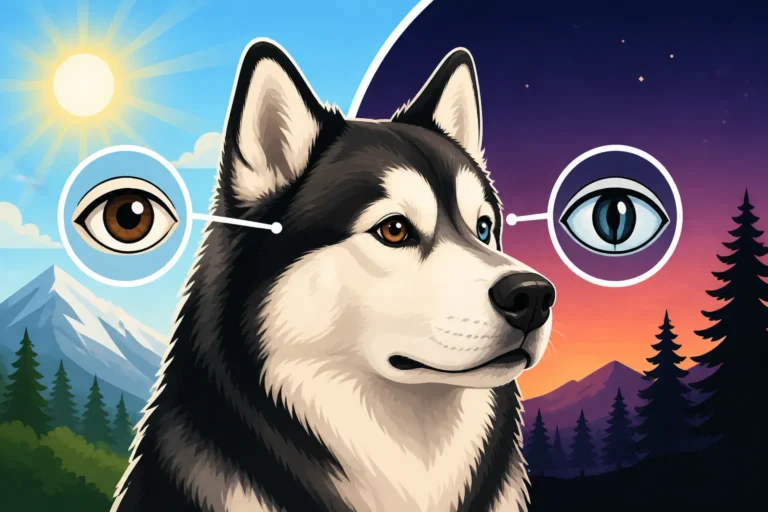
- Vision changes: If your Malamute is bumping into objects, hesitating on stairs, or seems disoriented, especially in familiar surroundings or at specific times of day (like in dim light if they have day blindness, or bright light if they have other issues), it’s cause for concern.
- Unequal pupil size or reaction to light: This can indicate neurological problems or serious internal eye disease.
- Bulging or sunken eye: Any change in the physical appearance or position of the eyeball itself requires immediate veterinary attention.
Remember, when it comes to eye health, it's always better to be overly cautious. A quick call to your vet, or a visit to an emergency vet clinic if after hours, could save your Malamute’s sight. For potential issues, having pet insurance like Healthy Paws can also provide peace of mind regarding the cost of specialist consultations or treatments.
Beyond the Exam: Daily Care and Prevention
While professional eye exams are indispensable, what you do on a daily basis and how you manage your Malamute’s environment also plays a huge role in safeguarding their vision. It's about creating a holistic approach to eye care that complements their veterinary visits.
Nutritional Support for Eye Health
Just like for humans, proper nutrition is foundational for good eye health in dogs. A well-balanced diet rich in antioxidants, vitamins, and minerals can help protect the delicate structures of the eye from oxidative damage and support overall function. While a commercial dog food formulated for large breeds like the Alaskan Malamute should generally provide comprehensive nutrition, certain supplements can be beneficial, especially as they age or if they have specific predispositions.
Consider diets that include:
- Omega-3 Fatty Acids: Found in fish oil (like salmon or sardine oil), these are known for their anti-inflammatory properties and can support retinal health.
- Antioxidants: Vitamins C and E, beta-carotene (Vitamin A precursor), lutein, and zeaxanthin are powerful antioxidants that can help protect cells from free radical damage. Many fruits and vegetables, like blueberries, carrots, and leafy greens, are rich in these.
- Zinc: Essential for many bodily functions, including eye health. While Malamutes have unique zinc absorption challenges, ensuring adequate, bioavailable zinc is crucial. Feeding an Alaskan Malamute for Zinc It Cannot Absorb is a key consideration for this breed, as a deficiency can manifest in various ways, though direct severe eye issues are less common than dermatological ones. Always consult your vet before adding supplements, especially zinc, to avoid imbalances.
A high-quality diet, perhaps like some of the premium offerings from brands like Healthy Paws-approved pet food companies, lays the groundwork for robust health, including good vision.
Environmental Factors and Protection
Malamutes are active, adventurous dogs, and their environment can sometimes pose risks to their eyes. Thinking about their daily activities and surroundings can help you take preventative measures.
- Outdoor Adventures: If your Malamute enjoys activities like trail running, hiking, or exploring brush, consider protective eyewear (dog goggles). This might sound silly, but these can prevent foreign bodies (twigs, seeds, dust), scratches, or even sun damage from affecting their eyes. Rex Specs is a popular brand that makes durable dog goggles.
- Grooming: Keep the fur around your Malamute’s eyes trimmed, especially if it’s long enough to poke or irritate the eye. Use blunt-nosed scissors and be extremely careful. Regular face cleaning can also prevent irritants or discharge from building up.
- Household Hazards: Be mindful of household cleaning products, aerosols, or garden chemicals that could accidentally spray into your dog’s eyes. Even strong shampoos or flea treatments applied incorrectly can cause irritation.
- Monitoring Play: While Malamutes love to play, rough play with other dogs can sometimes result in accidental eye injuries. Supervise interactions, especially with dogs of varying sizes or play styles.
- Sunlight: Prolonged exposure to intense UV radiation can contribute to certain eye conditions over time. If your Malamute spends a lot of time outdoors in bright sun, the aforementioned dog goggles can also offer UV protection.
By combining diligent daily care, a nourishing diet, and mindful environmental protection with consistent veterinary oversight, you’re providing your Malamute with the best possible chance for clear, healthy vision throughout their entire life. It’s all part of the commitment we make to these incredible dogs, ensuring they can see all the adventures that lie ahead.
Here's a quick summary of common eye conditions and what to look for:
| Condition | Common Symptoms | Malamute Predisposition | Recommended Action |
|---|---|---|---|
| Cataracts | Cloudy or opaque lens, vision impairment (mild to severe) | High | Annual vet check, specialist referral for diagnosis/treatment. |
| Progressive Retinal Atrophy | Night blindness progressing to day blindness, dilated pupils | High | Genetic testing (if breeding), annual vet check. |
| Corneal Dystrophy | Opaque, white, or grey deposits on the cornea | Moderate | Annual vet check; usually no treatment needed unless severe. |
| Glaucoma | Redness, pain, cloudy eye, dilated pupil, bulging eye | Moderate | Immediate vet attention, regular pressure checks in predisposed breeds. |
| Cherry Eye | Red, swollen mass in the inner corner of the eye | Low to Moderate | Vet consultation for surgical correction. |
| Entropion/Ectropion | Inward/outward rolling eyelids, irritation, discharge | Moderate | Vet consultation for potential surgical correction. |
Disclaimer
This article is intended for informational purposes only and does not constitute professional veterinary advice. Always consult with a qualified veterinarian or veterinary ophthalmologist regarding any health concerns or before making any decisions about your Alaskan Malamute's care, diet, or treatment. Individual situations may vary, and only a professional can provide an accurate diagnosis and appropriate plan.